
Plot Summary
Blood On Broken Ground
Detroit's streets are a battleground, and Quinn, newly orphaned and leader of the Enigma gang, is thrust into chaos when her runner is brutally attacked on her own turf. The city's decay mirrors her own uncertainty as she investigates the bloodstained scene, feeling the weight of her father's legacy and the growing threat to her people. The attack is no random act—it's a message, and Quinn's resolve hardens as she realizes someone is targeting her gang. The pressure to protect her crew and prove herself as a leader is suffocating, and the city's shadows seem to close in, promising more violence to come. The emotional toll is immediate: fear, anger, and the heavy burden of responsibility.
Enemies In The Shadows
Quinn's investigation is interrupted by the Princes of Carnage—Nico, Atlas, and Killian—her gang's most dangerous rivals. Their ambush is both physical and psychological, pinning her down and forcing a tense negotiation. Both gangs have suffered similar attacks, and the realization dawns that a third party is orchestrating chaos. The Princes propose an uneasy alliance, but trust is in short supply. The encounter is charged with violence and unexpected sexual tension, leaving Quinn rattled and furious. The city's underworld is shifting, and old enemies may need to become allies if anyone is to survive. The emotional landscape is fraught with suspicion, pride, and the first sparks of something darker and more intimate.
Unlikely Alliance Forged
Reluctantly, Quinn agrees to share information with the Princes, recognizing that survival may depend on cooperation. The alliance is fragile, built on necessity rather than trust, and every interaction is laced with old grudges and new provocations. The gangs begin to coordinate, sharing intelligence and resources, but the partnership is fraught with tension. Quinn's leadership is tested as she navigates the demands of her own crew and the unpredictable Princes. The emotional arc is one of guarded hope and simmering resentment, as both sides struggle to work together without letting their guard down.
Phantom In The Dark
Haunted by stress and unable to find release with anyone in her world, Quinn seeks solace at Le Bal Masque, a secretive kink club. There, she is hunted and claimed by Phantom, a masked stranger who gives her the violent, cathartic sex she craves. Their encounters are raw, anonymous, and addictive, offering Quinn a rare escape from the pressures of leadership. The emotional charge is intense: vulnerability, shame, and a desperate hunger for control and surrender. Phantom becomes her secret, a dangerous addiction that both soothes and unsettles her.
Chasing Release, Finding Chains
Quinn's attempts to find satisfaction with Emmett, her loyal second-in-command, fall flat—her body and mind are attuned only to the darkness Phantom offers. The disconnect leaves her frustrated and more isolated than ever. Even as she tries to assert control over her desires, she finds herself drawn back to the club, to Phantom's rough hands and cruel mouth. The emotional arc is one of longing and self-loathing, as Quinn grapples with her own needs and the impossibility of finding true release in her daily life.
Wedding Of Necessity
The attacks escalate, and the only way to cement the alliance is through marriage. Nico proposes a union—not of hearts, but of gangs. Quinn is furious, but the logic is inescapable: a public marriage will bind their fates and deter further attacks. The wedding is a tense, joyless affair, marked by tattooed rings and veiled threats. Both sides watch warily, knowing that the truce is as fragile as the ink on their skin. The emotional tone is bitter, resigned, and laced with the pain of lost dreams and forced intimacy.
Marked By Rivalry
The marriage is consummated not with love, but with violence and lust. Quinn and Nico's first night together is a battle for dominance, each trying to claim the upper hand even as their bodies betray them. The sex is rough, cathartic, and leaves both marked—physically and emotionally. The lines between hate and desire blur, and the rivalry that once defined them becomes something more complicated. The emotional arc is one of confusion, reluctant attraction, and the first cracks in their mutual defenses.
House Of Reluctant Trust
Nico, Atlas, and Killian move into Quinn's house, turning her sanctuary into a battleground of wills and desires. The forced proximity breeds both conflict and intimacy, as old habits die hard and new temptations arise. Each man brings his own baggage and secrets, and Quinn struggles to maintain control of her home and her heart. The emotional landscape is tense, claustrophobic, and charged with the constant threat of betrayal—or something even more dangerous: connection.
Secrets Behind Closed Doors
Unbeknownst to Quinn, Killian has been stalking her for months, both as himself and as Phantom. His obsession is revealed in glimpses—watching her sleep, pleasuring herself, or being with others. The revelation is both terrifying and strangely validating for Quinn, who realizes that the man who knows her darkest desires has been in her life all along. The emotional arc is one of shock, anger, and a twisted sense of intimacy, as secrets come to light and boundaries are crossed.
Tensions And Temptations
As the four live together, sexual tension simmers and erupts in unexpected ways. Atlas and Quinn's antagonism gives way to grudging respect and then to explosive passion. Killian's silent presence becomes both a comfort and a threat. Nico's possessiveness is matched only by his willingness to share. The lines between ally and enemy, lover and betrayer, blur beyond recognition. The emotional arc is one of confusion, longing, and the dangerous thrill of forbidden desire.
Lines Crossed, Loyalties Tested
The alliance is tested not just by external threats, but by the tangled web of relationships within the house. Threesomes, voyeurism, and public displays of possession become the new normal. Each man claims Quinn in his own way, and she finds herself both empowered and endangered by their attention. The emotional arc is one of exhilaration, fear, and the constant risk of heartbreak or betrayal.
The Enemy Within
Quinn discovers that the Princes have been spying on her for a mysterious figure known as The Saint. The revelation shatters the fragile trust they've built, and Quinn retaliates by burning down the Carnage clubhouse. The alliance crumbles, and the lines between love and hate, loyalty and betrayal, are drawn in blood and ash. The emotional arc is one of devastation, rage, and the bitter taste of revenge.
Betrayal And Burning Bridges
The fallout from the betrayal is immediate and violent. Quinn is wounded, both physically and emotionally, as gunfire erupts and old enemies resurface. The burning clubhouse becomes a symbol of everything lost—trust, hope, and the possibility of peace. The emotional arc is one of grief, anger, and the hardening of hearts on all sides.
The Hunter Revealed
Killian's dual identity as Phantom is finally revealed, and his obsession with Quinn comes to light. He hunts down the men who once hurt her, delivering brutal justice and presenting her with their severed hands as a twisted gift. The gesture is both horrifying and deeply meaningful, offering Quinn a sense of closure and the knowledge that someone is willing to do anything for her. The emotional arc is one of catharsis, horror, and the complicated comfort of being truly seen.
Vengeance In The Night
Killian's vengeance is mirrored by Quinn's own actions as she navigates the aftermath of betrayal and violence. The cycle of retribution continues, each act of violence begetting another. The emotional landscape is dark, vengeful, and tinged with the hope that justice—however brutal—can bring some measure of peace.
The Saint's Game
The mysterious Saint is revealed as the puppet master behind the attacks, orchestrating chaos to bring Quinn and the Princes together for his own ends. Silas, the mercenary, is merely a pawn in a larger game. The realization that they have all been manipulated deepens the sense of betrayal and raises new questions about Quinn's true value and the secrets of her past. The emotional arc is one of paranoia, anger, and the desperate need for answers.
Truths Unmasked, Hearts Exposed
With all secrets laid bare, the four are forced to confront their true feelings for each other and the reality of their situation. The lines between love and hate, trust and betrayal, are redrawn as they face the future together—uncertain, but united by shared scars and the knowledge that they are stronger together than apart. The emotional arc is one of vulnerability, hope, and the tentative rebuilding of trust.
Fire, Bullets, and Ashes
The story culminates in a violent showdown—gunfire, betrayal, and the burning of the past. Quinn's value to The Saint remains a mystery, but her worth to herself and to the Princes is finally clear. The future is uncertain, the city still dangerous, but the bonds forged in blood and fire may be strong enough to survive whatever comes next. The emotional arc is one of exhaustion, resilience, and the hard-won hope that even in a world of violence and betrayal, love and loyalty can endure.
Analysis
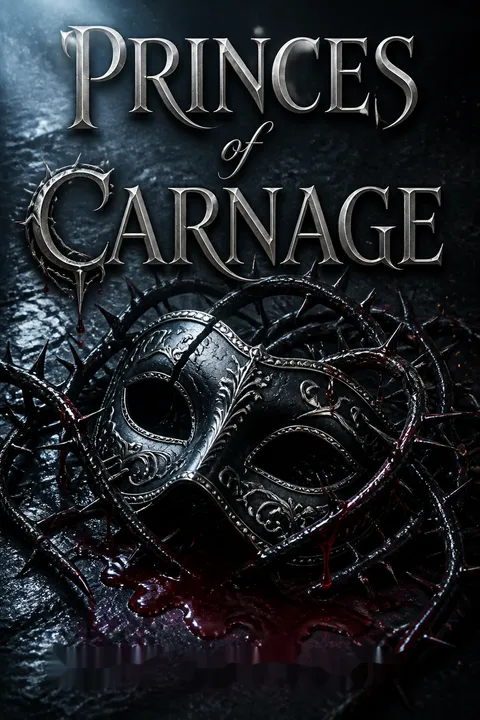
Princes of Carnage is a dark, visceral exploration of power, trauma, and the blurred boundaries between love and violence. At its core, the novel interrogates what it means to trust in a world where betrayal is the norm and intimacy is always laced with danger. Through Quinn's journey—from reluctant leader to survivor, from object of obsession to agent of her own fate—the story examines the costs and rewards of vulnerability. The forced alliance between Enigma and Carnage serves as a microcosm for the larger dynamics of the underworld: enemies must become allies, and old wounds must be confronted if anyone is to survive. The novel's use of explicit sexuality is not merely for shock value, but as a means of exploring the ways in which trauma, desire, and power intersect. The revelation that all the violence and intimacy has been orchestrated by an unseen hand (The Saint) raises questions about agency and autonomy, forcing the characters—and the reader—to consider who truly holds the power in any relationship. Ultimately, Princes of Carnage is a story about the possibility of redemption and connection in a world built on ruin, and the hard-won hope that even the most broken people can find belonging, if only they are willing to risk everything.
Review Summary
Princes of Carnage receives an overall rating of 4.23/5, with readers praising its chemistry between Quinn and her three love interests, abundant spice, and shocking cliffhanger ending. Many highlight Quinn as a strong, badass FMC and enjoy the marriage of convenience and rival gang tropes. Common criticisms include pacing issues in the middle sections, underdeveloped gang world-building, and some OW drama. Most readers eagerly anticipate the second book, though some chose not to continue the series.
People Also Read
Characters
Quinn Kent
Quinn is the daughter of a legendary gang leader, thrust into power after her father's murder. She is fiercely intelligent, resourceful, and burdened by the weight of legacy and expectation. Her leadership is marked by both compassion and ruthlessness, as she struggles to protect her people in a world that sees her as vulnerable. Quinn's trauma—both personal and professional—shapes her actions and desires, driving her to seek control through violence, sex, and secrecy. Her relationships with the Princes are complex, blending hate, need, and the desperate longing to be truly seen. Over the course of the story, Quinn evolves from a reactive survivor to a proactive force, learning to trust herself even as trust in others is shattered.
Nico Morelli
Nico is the head of the Princes of Carnage, a man shaped by violence, loss, and the need to protect his chosen family. He is both charming and ruthless, capable of great tenderness and great cruelty. His relationship with Quinn is a battleground—first as enemies, then as reluctant allies, and finally as something more intimate and dangerous. Nico's possessiveness is matched by his willingness to share, and his leadership is defined by both pragmatism and passion. He is haunted by the fear of losing control, both of his gang and his heart, and his journey is one of learning to balance power with vulnerability.
Atlas Demaro
Atlas is Nico's right hand, the muscle and the shield of the Princes. He is fiercely loyal, both to his friends and, increasingly, to Quinn. His initial antagonism toward her masks a deep attraction and a longing for connection. Atlas is haunted by his own losses and the fear of being replaced or left behind. His relationship with Quinn is marked by both rivalry and tenderness, and he is often the first to step in when she is threatened. Atlas's journey is one of learning to let down his guard, to accept love and trust even when it feels dangerous.
Killian Graves (Phantom)
Killian is the most enigmatic of the Princes, a man of few words and many secrets. His obsession with Quinn predates their alliance, manifesting as both Phantom—the masked lover who gives her what she craves—and as the silent shadow who watches over her. Killian's actions are driven by a need to possess and protect, even when it crosses the line into violence or violation. His revelation as Phantom is both a betrayal and a gift, forcing Quinn to confront the darkest parts of herself and her desires. Killian's journey is one of integration—learning to reconcile his need for control with the possibility of genuine intimacy.
Emmett
Emmett is Quinn's right hand in Enigma, a steady presence and a source of support. His feelings for Quinn are complicated by both loyalty and desire, and he struggles to accept her choices—both as a leader and as a woman. Emmett represents the path not taken, the possibility of a simpler, safer life. His role is to challenge Quinn, to remind her of her responsibilities, and to serve as a mirror for her own doubts and fears.
The Saint
The Saint is the unseen force behind the chaos, orchestrating attacks and alliances for reasons that remain unclear. His interest in Quinn is both personal and strategic, and his manipulations drive the plot's central conflicts. The Saint represents the dangers of power without accountability, and his presence is a constant reminder that in this world, trust is always provisional.
Silas Duran
Silas is the hired gun who carries out the Saint's orders, attacking both Enigma and Carnage to force their alliance. He is skilled, ruthless, and ultimately disposable—a reminder that in this world, everyone is a tool to be used and discarded. Silas's actions are the catalyst for much of the story's violence and betrayal, and his death marks the end of one game and the beginning of another.
Zoey
Zoey is a member of Carnage and Atlas's former lover. Her presence is a constant reminder of old wounds and unresolved feelings, both for Atlas and for Quinn. Zoey's jealousy and bitterness serve to highlight the shifting dynamics within the group, and her confrontations with Quinn and Atlas force both to confront what they truly want.
Fallon
Fallon is a lower-ranking member of Enigma, known for his loyalty and quick wit. He serves as both comic relief and a grounding presence, reminding Quinn of her roots and the importance of the gang's day-to-day operations. Fallon's loyalty is unwavering, and his perspective offers a counterpoint to the high-stakes drama unfolding around him.
Harlan
Harlan is the head of the Young Killers, a neighboring gang whose suspicion and aggression threaten to derail the fragile peace. His interactions with Quinn and the Princes test their diplomatic skills and force them to confront the limits of their power. Harlan represents the ever-present danger of old grudges and the difficulty of forging true alliances in a world built on violence.
Plot Devices
Forced Proximity and Enemies-to-Lovers
The narrative structure relies heavily on forced proximity—Quinn and the Princes are compelled to live together, marry, and share resources in order to survive. This device transforms old rivalries into new forms of intimacy, as the characters are unable to escape each other's presence. The constant tension—sexual, emotional, and strategic—drives the story forward, blurring the lines between hate and desire. The enemies-to-lovers arc is both a source of conflict and a means of character development, as each character is forced to confront their own prejudices and vulnerabilities.
Masked Identity and Secret Obsession
Killian's dual identity as Phantom is a central plot device, allowing for both dramatic irony and a deep exploration of desire and trust. The use of masks—literal and metaphorical—underscores the theme of hidden selves and the danger of intimacy. The revelation of Phantom's true identity is foreshadowed through subtle clues and serves as a turning point in both the plot and Quinn's emotional journey.
Betrayal and Shifting Alliances
The story is structured around cycles of betrayal and reconciliation, with each new revelation forcing the characters to renegotiate their loyalties. The alliance between Enigma and Carnage is both a plot necessity and a source of constant tension, as old wounds and new secrets threaten to unravel everything. The ultimate betrayal—discovering the Princes' role as spies—serves as the story's emotional and narrative climax, forcing all characters to confront the cost of trust.
Manipulation by a Hidden Mastermind
The Saint's manipulation of events is foreshadowed through unexplained attacks, shifting motives, and the gradual revelation of a larger game at play. The use of an unseen puppet master allows for both suspense and a critique of power, as the characters realize they are pawns in someone else's scheme. The device of the hidden mastermind raises questions about agency, fate, and the possibility of true autonomy in a world built on violence.
Symbolism of Fire, Blood, and Masks
Fire is used as both a literal and symbolic device—burning down the clubhouse marks the end of one era and the beginning of another. Blood is ever-present, symbolizing both violence and the bonds that tie the characters together. Masks represent the hidden selves each character must confront, and the act of unmasking is both a narrative and emotional climax. These symbols are woven throughout the story, reinforcing its themes of destruction, transformation, and the search for identity.
Pretty Ruthless Monsters Series Series
About the Author
Other books by Eva Ashwood




Download PDF
Download EPUB
.epub digital book format is ideal for reading ebooks on phones, tablets, and e-readers.








































