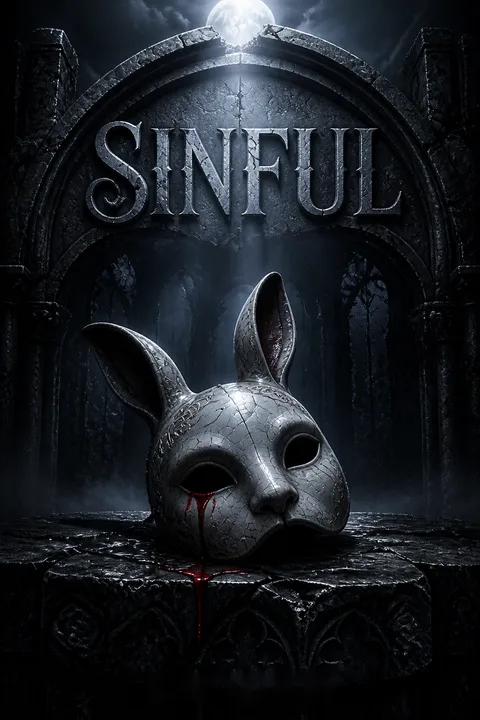

Plot Summary
Asylum's Awakening
The story opens in the aftermath of violence and trauma, with the enigmatic Asylum—one of Sirena's protectors—navigating the boundaries of sanity and madness. In the cold, haunted halls of Chapel Crest, Asylum's fractured psyche becomes both a weapon and a shield. His presence is unsettling, his rhymes and riddles masking a deep pain and a fierce loyalty to Sirena. As he moves through the night, the lines between protector and predator blur, setting the stage for a tale where every character is both victim and villain. The air is thick with secrets, and the threat of further violence looms, as Asylum's awakening signals that nothing at Chapel Crest will remain untouched by darkness.
Shattered Sanctuary
Sirena, the fragile heart of the Watchers, is brutally assaulted, her sanctuary shattered by a masked predator. The boys—Church, Ashes, Stitches, and Sin—are consumed by rage and guilt, each blaming themselves for failing to protect her. Their home, once a haven, becomes a crucible of pain and suspicion. Sirena retreats into herself, her mind a locked room, while the Watchers spiral into vengeance and self-destruction. The trauma exposes old wounds and fractures the group's unity, as the search for the attacker becomes an obsession. The sense of safety is gone, replaced by paranoia and the desperate need for retribution.
The Watchers' Wrath
The Watchers, each scarred by their own histories, turn their fury outward. Church, the group's violent leader, is relentless in his pursuit of justice, while Ashes and Stitches struggle to hold the group together. Sin, haunted by his own guilt, is both an outsider and a would-be savior. Their methods are brutal, their loyalty to Sirena absolute. They interrogate, threaten, and nearly kill Bryce, a boy suspected of involvement, only to realize the true monster remains hidden. The Watchers' wrath is both a promise and a curse, binding them together even as it threatens to destroy them from within.
Sirena's Descent
Sirena's mind fractures under the weight of her assault. She becomes a ghost in her own life, retreating to a place of silence and shadows. The boys, desperate to reach her, are forced to confront their own complicity and helplessness. Sirena's trauma is not just physical but existential—she questions her worth, her voice, and her right to survive. The darkness inside her grows, whispering promises of power and revenge. Her descent is both terrifying and transformative, as she begins to sense the monster within herself, a force that may be her only means of reclaiming control.
The Pact of Vengeance
Asylum, sensing Sirena's need for agency, offers her a pact: the chance to take revenge on her attacker with her own hands. The Watchers, each in their own way, agree to help her carry out this dark wish. A blood oath is made—her vengeance will be theirs, and the monster who hurt her will suffer. This pact binds them in a new, dangerous way, shifting the group's dynamic from protection to complicity. Sirena's acceptance of the pact marks a turning point: she is no longer just a victim, but a participant in the violence that defines Chapel Crest.
Monsters in the Dark
The search for Sirena's attacker intensifies, but the true monster remains elusive. The Watchers' own traumas come to the surface—Church's brutal upbringing, Ashes's pyromania, Stitches's self-harm, Sin's self-loathing. Asylum's duality with Mirage, his gentler alter ego, adds another layer of complexity. The group's violence is mirrored by the institution itself, a place where abuse is routine and survival demands ruthlessness. Sirena, meanwhile, begins to embrace the darkness within her, recognizing that to survive Chapel Crest, she must become a monster too.
The Return of Sin
Sin, once exiled for his role in Sirena's suffering, returns to the Watchers, desperate for forgiveness and a place at Sirena's side. His journey is one of self-flagellation and longing—he carves her name into his chest, prays for her, and punishes himself for his failures. The group is divided over his return, but Sirena, recognizing his pain and sincerity, offers him a chance at redemption. Their tentative reconnection is fraught with guilt and desire, as Sin's love for Sirena becomes both his salvation and his undoing.
Blood and Forgiveness
The Watchers demand that Sin atone for his sins through a ritual of blood and humility. He is forced to beg for forgiveness, to kneel in the snow and pray for acceptance. The group's forgiveness is hard-won, but it is Sirena's acceptance that matters most. Through shared pain and vulnerability, the Watchers begin to heal, their bonds reforged in blood and suffering. Sin's return is not just a personal victory, but a testament to the group's capacity for mercy and transformation.
The Rabbit's Mask
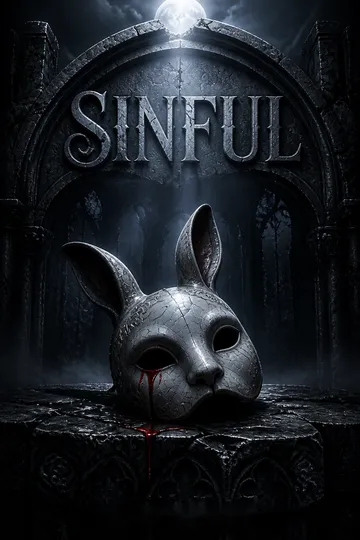
Mirage, Asylum's alter ego, emerges as a key figure in Sirena's journey. Wearing a rabbit mask, he becomes both confidant and catalyst, guiding Sirena toward embracing her inner darkness. Mirage's presence is unsettling but necessary—he understands the language of trauma and survival. Through their interactions, Sirena begins to reclaim her agency, learning that the monsters outside are no more dangerous than the ones within. The rabbit's mask becomes a symbol of transformation, a reminder that identity is fluid and power can be found in the most unexpected places.
The Shadow's Secret
Bryce, long an outsider and suspected of complicity, reveals himself as a shadow—an observer with a perfect memory and a deep, unspoken love for Sirena. His loyalty is unwavering, and his willingness to do whatever it takes to protect her earns him a place among the Watchers. Bryce's secret is not just his innocence, but his capacity for violence when those he loves are threatened. He becomes both witness and participant in the group's descent into darkness, his presence a reminder that even the quietest souls can be deadly.
The Breaking Point
The cumulative weight of trauma, violence, and secrecy pushes Sirena to her breaking point. She retreats into catatonia, her body present but her mind elsewhere. The Watchers, terrified of losing her, rally around her bedside, each offering prayers, confessions, and promises. Their desperation is palpable, as is their guilt. Sirena's absence forces them to confront the consequences of their actions and the fragility of their chosen family. Her eventual return is a resurrection, but it comes at a cost—she is changed, her innocence burned away.
The Dance of Death
Adam, Sirena's attacker, returns to finish what he started, kidnapping Sin and Cady and luring Sirena into a deadly trap. The Watchers, Mirage, and Bryce race against time to save her, but it is Sirena who must face Adam alone. In a brutal, cathartic confrontation, she embraces her inner monster, exacting vengeance with her own hands. The dance of death is both literal and symbolic—a reclaiming of power, a breaking of chains, and a declaration that she will never be a victim again.
Becoming the Villain
In the aftermath of Adam's death, Sirena stands bloodied but unbroken. She has crossed a line, becoming the villain in her own story. The Watchers, Mirage, and Bryce accept her transformation, recognizing that survival at Chapel Crest demands ruthlessness. Sirena's embrace of her darkness is not a loss, but a liberation—she is no longer defined by what was done to her, but by what she chooses to do. The group's dynamic shifts, with Sirena at the center as both queen and monster.
The Price of Survival
The Watchers, Mirage, and Bryce are complicit in Sirena's violence, helping her dispose of Adam's body and cover up the crime. Their loyalty is absolute, but it comes at a price—each is forced to confront the darkness within themselves and the reality that survival often demands blood. The price of survival is innocence, and none of them are untouched. Yet, in their complicity, they find a new kind of family, one forged in shared secrets and mutual protection.
Resurrection and Ruin
Sin, gravely wounded in Adam's attack, hovers between life and death. The Watchers, Sirena, and their allies gather at his bedside, praying for his survival. His eventual recovery is a resurrection, a symbol of the group's ability to endure and heal. Yet, the ruin left in their wake is undeniable—bodies buried, innocence lost, and a new order established. The group is forever changed, their bonds deeper and darker than before.
The Queen's Command
With her trauma avenged and her place among the Watchers secure, Sirena steps into her power. She is no longer a passive participant, but the queen of her own dark kingdom. The boys, once her protectors, now serve at her command, their loyalty unquestioned. Sirena's voice, once silenced by fear, becomes a weapon—she chooses who to love, who to trust, and who to destroy. Her command is both a blessing and a warning: she will never be powerless again.
The Wolves' Feast
The group disposes of Adam's body in the woods, feeding it to the wolves—a final act of erasure and survival. The ritual is both practical and symbolic, a way of ensuring the past cannot return to haunt them. Yet, the future remains uncertain. The violence that binds them is also a threat, and the line between family and foe is razor-thin. As the wolves feast, the group stands together, united by blood and secrets, ready to face whatever darkness comes next.
A New Order
In the aftermath, the Watchers, Sirena, Mirage, and Bryce form a new order at Chapel Crest. Their family is unconventional, bound by trauma, love, and shared monstrosity. Sirena, once a ghost, is now a queen; the boys, once her saviors, are now her loyal monsters. The story ends with a sense of uneasy peace—old wounds are healing, but new threats loom on the horizon. The lesson is clear: in a world of monsters, only those who embrace their darkness can survive.
Analysis
Sinful is a harrowing, unflinching exploration of trauma, survival, and the seductive power of darkness. At its core, the novel asks what it means to be a monster—and whether monstrosity is a curse or a form of liberation. Through Sirena's journey from victim to avenger, the story interrogates the limits of forgiveness, the cost of loyalty, and the ways in which violence begets violence. The Watchers, each broken in their own way, are both her saviors and her fellow monsters, bound together by blood, secrets, and shared pain. The novel's fractured narrative, psychological horror, and use of ritual and prophecy create a world where reality is unstable and morality is ambiguous. Ultimately, Sinful suggests that survival in a world of monsters demands not just strength, but the willingness to embrace one's own darkness. The lesson is both cautionary and empowering: in the end, only those who claim their power—no matter how monstrous—can hope to survive and protect those they love.
Review Summary
People Also Read
Characters
Sirena Lawrence
Sirena is the emotional and psychological core of the story—a girl marked by trauma, silence, and a desperate need for agency. Her relationships with the Watchers are complex: she is their obsession, their salvation, and their undoing. Sirena's journey is one of transformation—from victim to avenger, from ghost to queen. Her psyche is fractured, her sense of self fragile, but her will to survive is unbreakable. She is drawn to darkness, both in herself and in others, and ultimately learns to wield it as a weapon. Her love is fierce, her vengeance absolute, and her capacity for forgiveness both her greatest strength and her deepest vulnerability.
Dante "Church" Church
Church is the Watchers' alpha—a product of brutality, abuse, and a lifetime of survival in the Underground. His love for Sirena is possessive and all-consuming, his loyalty to his brothers absolute. Church's psyche is a battleground of rage and tenderness; he is both executioner and savior. His need for control masks a deep fear of abandonment and betrayal. Church's development is marked by moments of vulnerability—his willingness to forgive, to share Sirena, and to confront his own darkness. Yet, his violence is never far from the surface, and his love is as dangerous as it is redemptive.
Asher "Ashes" Valentine
Ashes is the group's emotional anchor, a boy who finds solace in fire and ritual. His pyromania is both a coping mechanism and a source of shame. Ashes is fiercely loyal, deeply empathetic, and often the first to offer comfort. His relationship with Sirena is nurturing, but he is not without his own darkness—his need for control, his fear of loss, and his willingness to burn the world for those he loves. Ashes's development is a journey toward self-acceptance and the realization that gentleness can coexist with violence.
Malachi "Stitches" Wolfe
Stitches is the group's bruiser, marked by self-harm, trauma, and a desperate need for connection. His relationship with Sirena is rooted in shared pain and mutual healing. Stitches is quick to anger but equally quick to forgive, his loyalty unwavering. He struggles with feelings of inadequacy and guilt, especially in the wake of his own victimization. Stitches's arc is one of learning to trust, to let go of the past, and to accept love without fear of abandonment.
Sinclair "Sin" Priest
Sin is the group's prodigal son—a boy haunted by guilt, self-loathing, and a longing for forgiveness. His love for Sirena is obsessive, his need for atonement all-consuming. Sin's psyche is a battlefield of faith and despair; he carves her name into his flesh, prays for absolution, and punishes himself for his failures. His return to the group is fraught with tension, but his sincerity and vulnerability eventually win him a place at Sirena's side. Sin's development is a testament to the power of forgiveness and the possibility of transformation, even for the most broken souls.
Seth "Asylum" / Mirage
Asylum is both a monster and a mystic—a boy with a fractured psyche and a gift for seeing the truth beneath the surface. His alter ego, Mirage, is gentler but equally dangerous. Asylum's love for Sirena is possessive, obsessive, and deeply protective. He is both guide and gatekeeper, leading her toward embracing her darkness. His rhymes and riddles mask a profound pain, and his violence is both a curse and a calling. Asylum's development is a journey toward integration—learning to balance his many selves and to use his gifts for healing as well as harm.
Bryce Andrews ("Shadow")
Bryce is the group's outsider—a boy with a perfect memory, a gentle heart, and a capacity for violence when pushed. His love for Sirena is quiet but fierce, his loyalty unquestioned. Bryce's role as "Shadow" is both literal and symbolic—he sees everything, remembers everything, and is always watching. His development is a slow burn, as he moves from observer to participant, proving that even the quietest souls can be deadly when those they love are threatened.
Adam Larson
Adam is the story's primary antagonist—a boy whose violence and cruelty shatter Sirena's world and set the events of the novel in motion. His actions force the Watchers to confront their own darkness and push Sirena to embrace her inner monster. Adam is both a product and a perpetrator of Chapel Crest's culture of abuse. His death at Sirena's hands is both justice and a turning point, marking the end of her victimhood and the beginning of her reign as queen of monsters.
Cadence "Cady" Lawrence
Cady is Sirena's older sister—a force of nature whose loyalty is matched only by her unpredictability. She is both protector and provocateur, unafraid to challenge the Watchers or to threaten violence in defense of her sister. Cady's presence is a reminder that family is both a source of strength and a site of conflict. Her willingness to risk everything for Sirena cements her place in the group's found family.
Everett Church
Everett is Church's father and the architect of much of the violence and trauma that haunts Chapel Crest. His influence is pervasive, his cruelty legendary. Everett's presence is felt in every act of brutality, every secret, and every betrayal. He is both a literal and symbolic devil, a reminder that the true monsters are often those closest to us.
Plot Devices
Fractured Narrative and Multiple POVs
The novel employs a fractured, multi-perspective narrative, allowing readers to inhabit the minds of Sirena, the Watchers, Asylum/Mirage, Bryce, and even the antagonist, Adam. This structure mirrors the characters' psychological fragmentation and deepens the sense of uncertainty and paranoia. The shifting POVs also allow for unreliable narration, as each character's trauma colors their perception of events. The result is a story that is both intimate and disorienting, forcing readers to question what is real and who can be trusted.
Psychological Horror and Unreliable Reality
The novel's central plot device is the psychological horror of trauma—how it fractures identity, distorts reality, and breeds new monsters. Sirena's descent into catatonia, her eventual embrace of darkness, and the group's complicity in violence are all explored through a lens of unreliable reality. The use of hallucinations, dissociation, and dreamlike sequences blurs the line between what is happening and what is imagined, heightening the sense of dread and instability.
Blood Oaths and Rituals
Rituals of blood, pain, and forgiveness are central to the group's dynamic. Blood oaths, self-harm, and acts of violence serve as both punishment and a means of forging loyalty. These rituals are both literal and symbolic, reflecting the group's belief that survival demands sacrifice. The repeated use of knives, scars, and shared wounds underscores the idea that family is forged in blood, not birth.
Masks, Alter Egos, and Identity
The use of masks—literal (Mirage's rabbit mask) and figurative (the personas adopted by each character)—is a key plot device. Masks allow characters to hide their pain, to become someone else, or to embrace aspects of themselves they fear. Asylum/Mirage's duality, Sirena's transformation from ghost to queen, and Bryce's role as "Shadow" all explore the fluidity of identity and the power of self-reinvention.
Foreshadowing and Prophecy
Asylum's prophetic rhymes and Mirage's cryptic warnings serve as foreshadowing, hinting at future violence, betrayal, and transformation. The story is laced with references to fate, destiny, and the inevitability of darkness. These devices create a sense of foreboding and inevitability, as if the characters are trapped in a cycle of violence from which only transformation can free them.
The Boys of Chapel Crest Series



About the Author
Other books by K.G. Reuss




Download PDF
Download EPUB
.epub digital book format is ideal for reading ebooks on phones, tablets, and e-readers.








































