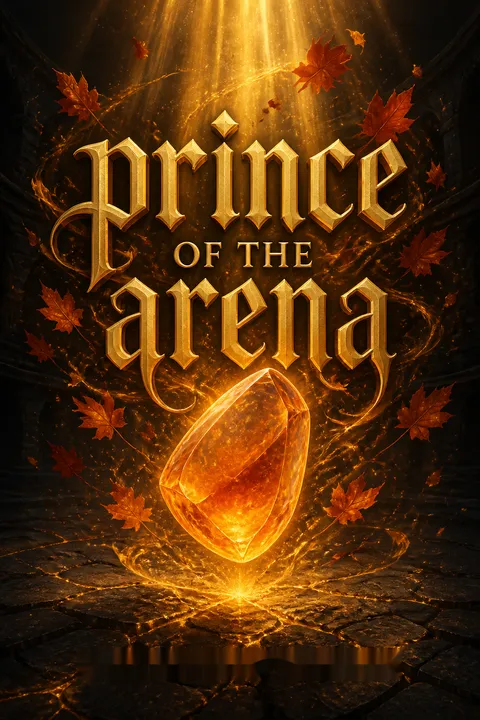

Plot Summary
Summer's Reluctant Matchmaking
In the sun-drenched halls of Soltide Keep, Dayton, the rebellious third son of Summer, is summoned by his brother, High Prince Damocles. Damocles, ever the strategist, proposes Dayton be matched to Farron, the studious and anxious heir of Autumn. Dayton bristles at the idea, resenting the notion of his future being dictated by politics and family alliances. Meanwhile, Farron, dreading the expectations of his own mother, High Princess Niamh, is equally resistant. Both young men are haunted by a childhood encounter that left them with mutual disdain. The stage is set for a collision of duty and desire, as the two princes are pushed toward each other by the machinations of their families, neither willing to yield to the roles prescribed for them.
Autumn Prince, Summer Prison
Farron arrives in the Summer Realm, feeling out of place among the sun-kissed, carefree nobility. The palace's opulence and the boldness of its people only heighten his sense of inadequacy. He clings to the familiar—books, quiet corners, and the company of marble busts—while his family mingles with the Summer royals. The pressure to perform, to be worthy of his mother's legacy, weighs heavily. When a public mishap at the welcome gala leaves him humiliated, Farron's anxiety boils over. He flees, desperate for escape, only to stumble into the path of someone who will upend his world. The seeds of transformation are sown in the soil of discomfort and longing.
Collision in the Moonlight
In a twist of fate, Farron's attempt to flee the suffocating expectations of court life leads him to literally collide with Dayton, who is sneaking into the palace through a window. Mistaking each other for thieves, their initial exchange is prickly and defensive, but beneath the banter, a spark ignites. Neither recognizes the other's true identity, allowing them to interact without the burden of titles. Dayton, ever the provocateur, challenges Farron to abandon his caution and embrace adventure. Their night together in the city is a whirlwind of new experiences, laughter, and vulnerability, each moment drawing them closer. The encounter marks the beginning of a connection that will test the boundaries of duty and desire.
Night of Firsts
Dayton leads Farron through the vibrant heart of Hadria, showing him the city's hidden wonders: bustling markets, magical bookstores, and the legendary arena. Farron, initially overwhelmed, finds himself enchanted by Dayton's zest for life. Their journey culminates in a secret bioluminescent cave, where they paint each other with glowing essence, shedding their masks and fears. The intimacy of the moment—playful, sensual, and deeply honest—awakens something new in both. For Farron, it is the first taste of freedom and self-acceptance; for Dayton, a vulnerability he rarely allows. The night cements a bond that neither can easily dismiss, even as the dawn threatens to return them to their separate worlds.
Painted in Radiance
In the cave's magical glow, Dayton and Farron explore each other's bodies and hearts, their playful painting turning into a tender, erotic exchange. The experience is transformative: Farron, long convinced of his own plainness, is seen and cherished; Dayton, used to fleeting pleasures, is moved by the depth of their connection. The world outside fades away, replaced by the immediacy of touch, laughter, and longing. Yet, as the night wanes, reality intrudes. The knowledge that their time is limited, that their families and duties await, casts a bittersweet shadow over their newfound intimacy. Still, the memory of this night will haunt them, a secret treasure neither can forget.
Dawn on the Shore
As the sun rises, Dayton and Farron sit together on the beach, the world hushed and golden. The vulnerability of the night lingers between them, culminating in a hesitant, electrifying kiss. For Farron, it is an act of courage; for Dayton, a surrender to feeling. Their connection is undeniable, but so are the obstacles: family expectations, political alliances, and the looming threat of separation. When guards arrive, the truth of their identities is revealed, shattering the illusion of anonymity. Both are forced to confront the reality of their positions and the impossibility of a simple future together. The moment is both a beginning and an end, a promise and a heartbreak.
Arena's Roar and Rivalry
The Solstice Games approach, and Dayton throws himself into training, seeking distraction from his feelings for Farron. The arena becomes a crucible for his restlessness and rage, a place where he can prove himself outside his brother's shadow. Farron, meanwhile, is swept up in the spectacle, torn between awe and fear for Dayton's safety. Their secret meetings continue, each encounter charged with longing and uncertainty. The games themselves are brutal, a reminder of the violence and glory that define Summer's culture. As Dayton advances through the rounds, the stakes grow higher—not just for victory, but for the future he might dare to claim with Farron.
Secrets, Swords, and Shadows
As Dayton and Farron's relationship deepens, so do the risks. They steal moments together in hidden corners, their passion intensifying even as the threat of discovery looms. Dayton's brothers, especially Damocles, watch with suspicion, while Farron's family pushes him toward duty. The lovers are caught between worlds: the freedom they find in each other's arms and the expectations that threaten to tear them apart. The arena becomes a metaphor for their struggle—each fight a test of strength, will, and the courage to choose love over fear. But secrets cannot be kept forever, and the cost of defiance grows with every stolen kiss.
The Cliff and the Curse
In a moment of desperation, Farron flees to a legendary cliff, haunted by tales of a deadly curse. Dayton, realizing the depth of Farron's pain, follows without hesitation. Both leap into the unknown—literally and figuratively—risking their lives in the treacherous waters below. There, they confront a magical beast, a kelpie, whose rage and sorrow mirror their own. Farron's compassion tames the creature, and together, they survive. The ordeal is a crucible, forging their bond in the fires of danger and trust. Emerging from the water, they are changed: no longer boys running from fate, but young men willing to fight for each other.
Treasure of the Heart
Washed ashore on a fabled isle, Dayton and Farron unearth Captain Katharine's legendary treasure, only to find it is not gold or jewels, but red sand—transformed by their combined magic into a single piece of sea glass. The moment is symbolic: the real treasure is not material, but the love and courage they have discovered together. Their union is consummated in passion and tenderness, a celebration of all they have risked and gained. Yet, the knowledge that their time is fleeting hangs over them. As they return to the world, the question remains: can love forged in secret survive the harsh light of day?
Summer's Burning, Autumn's Wither
The end of summer brings inevitable parting. Farron prepares to return to Autumn, hopeful that Dayton will join him, only to be met with silence and avoidance. Dayton, wracked by insecurity and the harsh judgments of his brothers, convinces himself he is unworthy of Farron's love. In a final act of self-sabotage, he pushes Farron away, retreating into old habits and empty pleasures. Farron, devastated, leaves believing their love was a beautiful illusion. Both are left hollow, the fire of summer reduced to ashes, and the promise of autumn tinged with regret. The pain of what might have been lingers, unresolved.
Reunion and Reckoning
Time passes, but neither prince can forget the other. At the next Solstice Games, fate brings them together again. The reunion is fraught with longing, anger, and unresolved desire. Dayton, now a champion in the arena, is haunted by memories of Farron; Farron, on the cusp of inheriting Autumn's Blessing, is torn between duty and the ache in his heart. Their encounters are charged with the tension of unfinished business, each word and glance a battle between hope and fear. The world watches as they circle each other, uncertain if they will repeat old mistakes or find the courage to begin anew.
The Solstice Games Begin
The games reach their climax, with Dayton facing a deadly final match. The rules are brutal: only one can leave the arena alive. Farron, desperate to prevent tragedy, locks himself in the dungeons, refusing to leave until Dayton returns victorious. The fight is fierce, a test not just of skill but of will. Dayton's victory is hard-won, and he rushes to Farron, bloodied but alive. Their reunion is raw and passionate, a release of all the fear and longing that has built between them. In the shadows of the arena, they claim each other once more, defying the world that would keep them apart.
Chains, Champions, and Choices
Dayton's triumph is celebrated, but the cost of victory is high. The lovers steal away to savor their hard-won union, their passion undiminished by danger. Yet, the realities of their positions press in: Dayton is still seen as reckless and unfit for leadership; Farron is expected to choose a consort worthy of Autumn's throne. The promise of a future together is fragile, threatened by doubt, pride, and the weight of expectation. As the festival ends, both must decide what they are willing to risk for love—and whether the courage they found in each other can withstand the trials ahead.
The Promise and the Parting
As the festival draws to a close, Farron invites Dayton to return with him to Autumn, dreaming of a life together. Dayton, paralyzed by fear of failure and the scorn of his family, refuses, choosing instead the safety of solitude and old habits. Farron, heartbroken, leaves believing their love was never real. Both are left to grapple with the consequences of their choices, the promise of happiness slipping through their fingers. Yet, even in parting, the bond between them endures—a quiet hope that, one day, they might find their way back to each other.
Castletree's Festival of Fate
Months later, the great festival at Castletree brings together the rulers and heirs of all four realms. Amidst celebration and intrigue, Dayton and Farron are reunited, their unresolved feelings simmering beneath the surface. The festival is a crucible for change: new alliances are forged, old wounds reopened, and the future of the realms hangs in the balance. In the shadow of tragedy and transition, both princes are forced to confront what they truly want—and what they are willing to sacrifice. The library becomes a sanctuary, a place where secrets are confessed and second chances are born.
Library of Second Chances
In the quiet of Castletree's library, Dayton and Farron finally lay bare their hearts. The masks fall away, replaced by honesty, vulnerability, and the fierce desire to choose each other, no matter the cost. Their reunion is passionate and tender, a promise to face the future together—however uncertain it may be. The story ends not with a grand resolution, but with the hope of a love that endures: imperfect, hard-won, and utterly real. In the end, it is not destiny or duty that defines them, but the courage to claim their own story.
Analysis
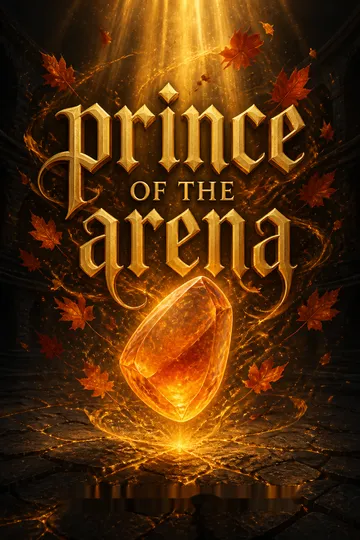
A tale of courage, vulnerability, and self-forgivenessPrince of the Arena is, at its heart, a story about the transformative power of love and the courage it takes to choose one's own path. Through the dual journeys of Dayton and Farron, the novella explores the tension between duty and desire, the weight of expectation, and the fear of inadequacy. The arena, both literal and metaphorical, becomes a crucible for self-discovery, forcing the protagonists to confront their deepest fears and longings. The narrative's emotional arc is one of vulnerability: the willingness to be seen, to risk heartbreak, and to believe in the possibility of happiness. The story does not offer easy answers or tidy resolutions; instead, it honors the messiness of growth and the necessity of second chances. In a world defined by tradition and spectacle, Prince of the Arena insists that true strength lies not in victory or perfection, but in the quiet, persistent act of loving—and forgiving—oneself and others. The lesson is clear: the greatest battles are fought not in the arena, but in the heart.
Review Summary
People Also Read


Characters
Daytonales (Dayton)
Dayton is the third son of Summer's royal family, a charismatic and impulsive gladiator who chafes under the weight of expectation. He is defined by his restlessness, humor, and a deep-seated fear of inadequacy, especially in comparison to his perfect brother, Damocles. Dayton's bravado masks a vulnerability he rarely shows, except with Farron. His journey is one of self-discovery: learning to trust, to love, and to believe he is worthy of more than fleeting pleasure. His relationship with Farron is transformative, forcing him to confront his own fears and the possibility of a future shaped by choice rather than fate.
Farron
Farron is the sensitive, bookish heir to Autumn, burdened by the expectations of his formidable mother and the legacy of his realm. He is introspective, cautious, and plagued by self-doubt, convinced he is unfit for leadership or love. Farron's journey is one of awakening: through Dayton, he discovers courage, passion, and the strength to fight for what he wants. His love for Dayton is both a source of joy and pain, challenging him to reconcile duty with desire. Farron's growth is marked by increasing confidence, a willingness to risk heartbreak, and the realization that he is worthy of happiness.
Damocles
Damocles is the eldest son of Summer, a paragon of discipline, order, and political acumen. He is both Dayton's rival and protector, pushing his brother toward responsibility while doubting his readiness for leadership. Damocles's love is stern, often expressed through criticism and high expectations. He represents the pressures of tradition and the cost of power, serving as both an obstacle and a catalyst for Dayton's growth. His relationship with Dayton is fraught but ultimately rooted in care, even as he struggles to understand his brother's heart.
Decimus
Decimus, the middle Summer prince, is a seasoned gladiator and military leader. He is more approachable than Damocles, offering Dayton both camaraderie and tough love. Decimus sees the potential in his younger brother and quietly supports his pursuit of happiness, even as he worries about Dayton's recklessness. He serves as a mediator within the family, balancing the demands of tradition with empathy. Decimus's presence grounds Dayton, reminding him of the value of loyalty and the importance of forging one's own path.
Niamh
High Princess Niamh is a formidable ruler and loving mother, determined to secure her son's future through strategic alliances. She is both nurturing and relentless, pushing Farron to embrace his destiny while struggling to understand his fears. Niamh's vision for her son is shaped by her own sacrifices and the weight of her realm's legacy. Her relationship with Farron is complex: a blend of pride, frustration, and deep affection. She embodies the tension between love and duty, her ambitions both a source of comfort and conflict for her son.
Sabine
Princess Sabine is the vibrant, loving mother of Dayton and his brothers. She is a source of warmth and joy, her playful spirit balancing the sternness of Damocles and the intensity of Dayton. Sabine's wisdom is often hidden beneath humor, but she sees her children clearly, understanding their struggles and dreams. Her support is unconditional, providing a safe haven for Dayton even as he rebels against the world. Sabine's presence is a reminder of the power of love to heal and unite.
Justus
Justus is an enigmatic former warrior who trains Dayton in the ways of the arena and life. His tough exterior hides a deep well of care, and his lessons extend beyond swordplay to the challenges of identity and choice. Justus pushes Dayton to confront his fears, to act with intention, and to define his own destiny. He serves as a surrogate father, offering guidance that is both practical and philosophical. Justus's influence is instrumental in Dayton's transformation from reckless youth to a man capable of love and sacrifice.
Keldarion
Keldarion is the stoic, powerful prince of Winter, admired for his bravery and leadership. He is everything Farron believes he is not: confident, decisive, and respected. Keldarion's presence is both inspiring and intimidating, a living standard against which Farron measures himself. Yet, beneath the icy exterior lies a capacity for empathy and friendship, especially as he navigates his own burdens. Keldarion's journey parallels Farron's, each struggling to reconcile personal desire with public duty.
Ezryn
Ezryn, the eldest prince of Spring, is a master smith and a man of few words. His stoicism and skill command respect, and his actions speak louder than his rare utterances. Ezryn's relationship with Farron is marked by quiet support and the sharing of burdens. He represents the enduring power of tradition and the quiet courage required to lead. Ezryn's presence in the story is a reminder that strength can be found in silence and that true leadership is often forged in the fires of adversity.
Eleanor (Nori)
Eleanor, Farron's younger sister, is a precocious and curious child, fascinated by the macabre and the magical. Her innocence and candor provide moments of levity and insight, grounding Farron in the realities of family and love. Nori's presence is a reminder of the stakes of the princes' choices—the future they are shaping for the next generation. Her relationship with Farron is tender, marked by teasing, support, and the unspoken hope that he will find happiness.
Plot Devices
Dual Perspectives and Alternating Narration
The narrative alternates between Dayton and Farron, allowing readers to experience the story from both sides of the central romance. This dual perspective deepens emotional resonance, revealing the misunderstandings, insecurities, and desires that drive each character. The structure creates dramatic irony, as readers are privy to truths the characters themselves cannot see, heightening tension and empathy. The alternating voices also underscore the theme of duality: duty versus desire, tradition versus freedom, and the struggle to reconcile public and private selves.
Symbolism of Arena and Seasons
The arena is more than a setting for physical combat; it is a metaphor for the battles waged within and between the characters. The violence, spectacle, and glory of the games reflect the stakes of love and power, while the ever-present threat of death underscores the urgency of seizing happiness. The changing seasons—Summer's heat, Autumn's wither—mirror the emotional arc of the protagonists, from the burning intensity of first love to the melancholy of separation and the hope of renewal. These symbols are woven throughout, enriching the narrative's emotional and thematic depth.
Magical Realism and World-Building
The enchanted world of the Vale, with its bioluminescent caves, cursed waters, and living libraries, serves as both backdrop and catalyst for the characters' journeys. Magic is not merely spectacle; it is a means of self-discovery, connection, and healing. The blending of the fantastical with the intimate—painting with radiant essence, taming a kelpie, forging sea glass from sand—elevates the love story, making the personal universal. The world-building is immersive, but always in service of character and theme.
Foreshadowing and Repetition
The story is rich with foreshadowing: early references to duty, sacrifice, and the dangers of love anticipate later conflicts. Repeated motifs—cliffs, chains, the act of jumping—underscore the necessity of risk and the courage required to claim happiness. The narrative structure, with its cycles of union and separation, mirrors the rhythms of the seasons and the arena, reinforcing the idea that growth is born of struggle and that every ending is a new beginning.
Beasts of the Briar Series

About the Author
Other books by Elizabeth Helen


Download PDF
Download EPUB
.epub digital book format is ideal for reading ebooks on phones, tablets, and e-readers.








































