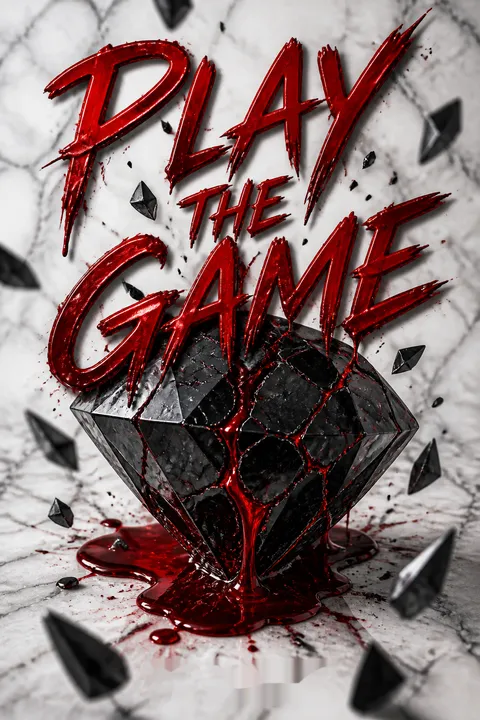

Plot Summary
Blood and Betrayal
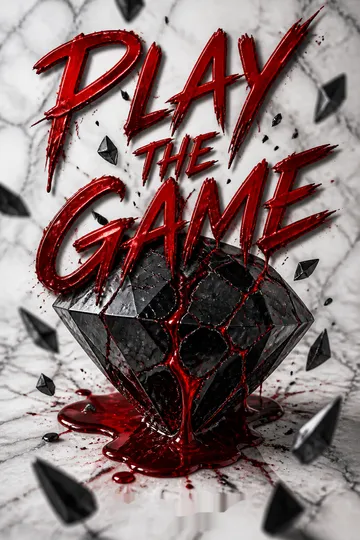
Harley, Lips, and their found family return to Hannaford Prep, but the air is thick with danger. The Jackal, a ruthless crime lord, makes his claim on Lips, threatening her autonomy and safety. Harley's rage simmers as he witnesses the Jackal's possessive grip, and the group's unity is tested by the public display of power. The threat is not just physical but psychological, as the Jackal's obsession with control and ownership over Lips becomes clear. The family's resolve to protect each other hardens, even as the cost of survival grows. The sense of being hunted, of never being safe, is palpable, and the only way forward is to play the game on the Jackal's terms—at least for now.
Dangerous Games Begin
Lips, ever the survivor, takes on a risky job for the Tiger, gathering evidence in the slums. Harley's arrival complicates her mission, forcing them to act out a dangerous charade to avoid the Jackal's men. Their chemistry is undeniable, but so is the threat that shadows their every move. The city's underbelly is alive with violence and secrets, and even a simple surveillance job can turn deadly. The couple's ability to trust and protect each other is tested, and the lines between their roles—lover, protector, criminal—blur. The world they inhabit is one where love is a risk, and every choice could be fatal.
Family of Misfits
As Harley and Lips settle into their temporary haven, the rest of their chosen family—Avery, Ash, and Blaise—draw closer. Each carries wounds and secrets, but together they create a space where vulnerability is possible. The group's dynamic is complex: love, jealousy, and trauma intertwine, but their loyalty is absolute. They share meals, laughter, and the pain of their pasts, forging bonds that are stronger than blood. Yet, the outside world is never far away, and the threat of violence and betrayal looms. The family's unity is both their greatest strength and their most dangerous weakness.
The Butcher's Oath
Illi, the infamous Butcher of the Bay, enters the scene, bringing both protection and new complications. His induction into Lips' crew is a turning point, signaling a shift in power and allegiance. Illi's presence is both a comfort and a warning: the world they inhabit is one where violence is currency, and trust is rare. His loyalty is hard-won, and his skills are deadly. The family's circle expands, but so does the danger. The Jackal's reach is long, and every new alliance is a potential betrayal. The game is no longer just about survival—it's about dominance.
Summer Shadows
As summer wanes, the family's peace is shattered by reminders of their pasts. Blaise's family drama resurfaces, threatening his place in the group. Lips' birthday brings a wave of depression and memories of loss, while Avery's ambitions and Ash's trauma simmer beneath the surface. The Jackal's machinations intensify, and the family is forced to confront the reality that safety is an illusion. Every member is haunted by ghosts—of family, of violence, of choices made in desperation. The only way forward is together, but unity comes at a price.
Mounty and the Wolves
The start of the school year brings new challenges. The family's unconventional relationship is thrust into the spotlight, drawing envy and malice from classmates and teachers alike. Annabelle's scheming and Ms. Vivienne's predatory attention threaten to unravel the fragile peace Lips has built. The school is a microcosm of the world outside: power, reputation, and violence rule. The family must navigate not only external threats but also the complexities of their own desires and insecurities. The game is no longer just about survival—it's about claiming space and rewriting the rules.
Claiming the Unclaimed
Ash's public claim of Lips as his girlfriend sends shockwaves through the school, forcing the family's relationship into the open. The move is both protective and provocative, drawing new lines in the sand. The family's unity is tested as jealousy, fear, and desire collide. The outside world watches, waiting for cracks to appear. The family's strength is in their willingness to fight for each other, but every victory comes with new enemies. The cost of love is high, and the game is far from over.
The Jackal's Threat
The Jackal escalates his campaign against the family, sending assassins and manipulating those closest to them. Harley's life is threatened, and Lips is forced to kill to protect him. The violence is intimate and brutal, leaving scars both physical and emotional. The family's resolve is tested as they confront the reality that survival means becoming as ruthless as their enemies. Every choice is a gamble, and the line between right and wrong blurs. The only certainty is that the game will end in blood.
Lines in the Sand
The meeting of the Twelve is a crucible, where alliances are forged and broken. Lips asserts her power, demanding respect and protection for her family. The Jackal's instability is exposed, and the balance of power shifts. The cost is high: diamonds, favors, and the risk of open war. The family's enemies are many, but their unity is unbreakable. The game is no longer just about survival—it's about seizing control and rewriting the rules. Every move is a risk, and the stakes are life and death.
The Wolf's Protection
The family's circle expands as Illi and others are formally inducted, binding them together in blood and loyalty. The rituals of their world are both comforting and terrifying, a reminder that trust is earned through violence and sacrifice. The family's strength is in their willingness to bleed for each other, but every new member brings new risks. The Jackal's reach is long, and betrayal is always a possibility. The only way forward is together, but unity comes at a price.
The Price of Loyalty
The family is rocked by betrayal from within and without. Annabelle's actions nearly destroy Harley, and the family is forced to confront the reality that love is both their greatest strength and their greatest vulnerability. The violence is personal, and the cost is high. The family's response is swift and brutal: there is no forgiveness for those who threaten their own. The game is no longer just about survival—it's about vengeance.
The Game Turns Deadly
The family is forced to cover up a murder, testing their resolve and unity. The violence is intimate and horrifying, a reminder that survival in their world means becoming as ruthless as their enemies. The cost is high: innocence, trust, and the risk of exposure. The family's unity is both their salvation and their damnation. The game is no longer just about survival—it's about becoming the monsters they once feared.
The Crow's Bargain
The Crow, a rival crime lord, offers an alliance, but the price is steep. Secrets are revealed, and the family is forced to confront the reality that trust is a luxury they can't afford. The balance of power shifts, and the game becomes even more dangerous. Every alliance is a risk, and every secret is a weapon. The family's unity is tested as they navigate a world where loyalty is bought and sold.
The Jackal's Downfall
The final confrontation with the Jackal is brutal and decisive. Betrayals are revealed, and the family's unity is put to the ultimate test. The violence is intimate and horrifying, but the family emerges victorious. The cost is high: blood, trust, and the risk of becoming the very monsters they once feared. The game is over, but the scars remain.
Blood on the Floor
The aftermath of the Jackal's downfall is both relief and grief. The family is forced to confront the reality of what they've become, and the cost of survival. The violence has changed them, but their unity endures. The world is still dangerous, but for the first time, there is hope. The game is over, but the story is just beginning.
The Family We Choose
The family's unity is both their salvation and their damnation. They are bound together by love, loyalty, and shared trauma. The violence has changed them, but their love endures. The world is still dangerous, but for the first time, there is hope. The family's strength is in their willingness to fight for each other, no matter the cost.
The Wolf's Song
Lips reclaims her voice, both literally and metaphorically, in a powerful performance that symbolizes her journey from victim to survivor. The family's love and support are her anchor, and together they face the future with hope. The violence and trauma of their pasts are not forgotten, but they are no longer defined by them. The game is over, but the story is just beginning.
Heads in Boxes
The story ends with a chilling warning: heads in boxes, a reminder that the world they inhabit is still dangerous. The family's unity is both their salvation and their damnation. The violence has changed them, but their love endures. The world is still dangerous, but for the first time, there is hope. The game is over, but the story is just beginning.
Analysis
A dark, unflinching exploration of survival, trauma, and chosen family"Play the Game" is a brutal, emotionally charged story that reimagines the dark academia and mafia romance genres through the lens of trauma, agency, and the power of found family. At its core, the novel is about reclaiming control: over one's body, one's fate, and one's story. The characters are all survivors, shaped by violence and betrayal, but their greatest strength is their willingness to choose each other, again and again, in a world that wants to destroy them. The story does not shy away from the cost of survival—blood, betrayal, and the risk of becoming the very monsters they fear—but it also offers hope: the possibility of healing, of love, and of a future beyond violence. The lessons are clear: family is not just blood, but the people who fight for you; survival is not just about violence, but about love and loyalty; and healing is possible, even in the darkest of worlds. The novel's unflinching portrayal of trauma and resilience makes it both harrowing and deeply moving—a testament to the power of chosen bonds and the courage to play the game on your own terms.
Review Summary
People Also Read


Characters
Lips (Eclipse Starbright Anderson)
Lips is the heart and soul of the story—a girl forged in violence, trauma, and poverty, who rises to become the Wolf of Mounts Bay. Her journey is one of reclaiming agency: from a pawn in the Jackal's game to the leader of her own found family. She is fiercely loyal, willing to kill or die for those she loves, but haunted by the cost of survival. Her relationships—with Harley, Ash, Blaise, and Avery—are complex, blending love, trauma, and the desperate need for belonging. Psychologically, Lips is both hardened and vulnerable, her strength born of necessity but her hope sustained by love. Her arc is one of transformation: from victim to protector, from silence to song.
Harley Arbour
Harley is the muscle and heart of the family, a boy shaped by violence and loss. His love for Lips is both fierce and possessive, a need to protect that borders on obsession. He is haunted by his family's legacy—the O'Cronin mob—and the trauma of his past, but finds purpose and healing in his chosen family. Harley's journey is one of learning to trust, to let himself be loved, and to fight not just for survival but for a future. His loyalty is absolute, but his rage is a double-edged sword. Psychologically, Harley is both a protector and a wounded child, desperate for safety and belonging.
Avery Beaumont
Avery is the brains and backbone of the family, a girl raised in privilege but scarred by violence and betrayal. Her relationship with Lips is the emotional core of the story: a friendship forged in fire, built on mutual respect and unwavering loyalty. Avery is a master manipulator, using her intelligence and social power to protect her family. She is ruthless when necessary, but her love is fierce and unconditional. Psychologically, Avery is both a survivor and a strategist, always planning, always protecting. Her arc is one of learning to trust, to let herself be vulnerable, and to fight for her own happiness.
Ash Beaumont
Ash is the dark mirror of his sister: a boy shaped by abuse, manipulation, and the constant threat of violence. His love for Lips is both possessive and redemptive, a need to protect that is both selfless and selfish. Ash's trauma runs deep, and his journey is one of learning to trust, to let himself be loved, and to fight for a future beyond survival. He is both a weapon and a shield, willing to do whatever it takes to protect his family. Psychologically, Ash is both a victim and a survivor, his darkness balanced by his love for those closest to him.
Blaise Morrison
Blaise is the family's wild card: a rock star with a broken family and a desperate need for love. His relationship with Lips is both playful and profound, a source of healing and hope. Blaise's journey is one of learning to believe in himself, to fight for his place in the family, and to overcome the wounds of his past. He is both a source of levity and a reminder of the cost of survival. Psychologically, Blaise is both a performer and a lost boy, his art a way to process pain and find meaning.
Illi (The Butcher of the Bay)
Illi is the family's secret weapon: a killer with a code, whose loyalty to Lips is absolute. His presence is both a comfort and a warning: in their world, violence is currency, and trust is rare. Illi's arc is one of redemption, finding purpose and family in his loyalty to Lips and Odie. Psychologically, Illi is both a monster and a man, his violence tempered by love and loyalty.
The Jackal (Matteo)
The Jackal is the story's primary antagonist: a crime lord obsessed with control, ownership, and the destruction of Lips' autonomy. His relationship with Lips is both predatory and possessive, a constant threat to her safety and agency. Psychologically, the Jackal is a classic sociopath: charming, manipulative, and utterly ruthless. His downfall is both inevitable and hard-won, a testament to the family's unity and resolve.
Atticus (The Crow)
Atticus is both a rival and an ally, a crime lord whose interests sometimes align with the family's. His relationship with Avery is fraught with secrets, betrayal, and longing. Atticus is a master manipulator, but his feelings for Avery complicate his role in the game. Psychologically, Atticus is both a strategist and a man haunted by his own choices.
Annabelle Summers
Annabelle is both a rival and a victim, a girl whose jealousy and ambition lead her to betray the family. Her actions have devastating consequences, and her fate is a reminder of the cost of survival in their world. Psychologically, Annabelle is both a product and a casualty of the toxic environment at Hannaford.
Ms. Vivienne Turner
Ms. Vivienne is a teacher whose predatory behavior and alliance with the Jackal make her a threat to the family. Her downfall is both brutal and inevitable, a reminder that in this world, power is fleeting and loyalty is everything. Psychologically, Ms. Vivienne is both a predator and a pawn, her choices leading to her destruction.
Plot Devices
Found Family as Survival
The central plot device is the creation of a found family: a group of broken, traumatized individuals who choose each other over the families and systems that have failed them. This bond is both their greatest strength and their greatest vulnerability. The story explores the idea that survival is not just about violence or cunning, but about love, loyalty, and the willingness to fight for those who matter. The family's unity is tested by betrayal, jealousy, and the constant threat of violence, but it endures.
Power, Control, and Autonomy
The story is a constant battle for power and control: over one's own life, over others, and over the systems that seek to oppress. Lips' journey is one of reclaiming agency, fighting against those who would own or destroy her. The game is both literal and metaphorical: a contest of violence, cunning, and will. The story uses power dynamics—between lovers, enemies, and allies—to explore the cost of survival and the meaning of freedom.
Violence as Currency
In this world, violence is both a means of survival and a form of communication. The story does not shy away from the brutality of its characters' lives: murder, betrayal, and sacrifice are commonplace. The violence is both intimate and horrifying, a reminder that survival comes at a cost. The story uses violence to explore themes of trauma, redemption, and the possibility of healing.
Loyalty and Betrayal
Loyalty is the currency of the family, and betrayal is the ultimate sin. The story uses shifting alliances, betrayals, and tests of loyalty to drive the plot and deepen the characters' relationships. Every choice is a risk, and the cost of betrayal is high. The story explores the idea that trust is both a luxury and a necessity, and that survival depends on the willingness to fight for those who matter.
Trauma and Healing
The story is deeply concerned with the psychological cost of survival: trauma, PTSD, and the struggle to heal. The characters are all wounded, but their love for each other is both a source of pain and a path to healing. The story uses moments of vulnerability, intimacy, and forgiveness to explore the possibility of redemption and the meaning of hope.
Foreshadowing and Symbolism
The story uses recurring symbols—heads in boxes, tattoos, diamonds—to foreshadow danger, mark loyalty, and signal shifts in power. These symbols are both literal and metaphorical, reminders of the cost of survival and the bonds that tie the family together.
Hannaford Prep Series
About the Author
Other books by J. Bree



Download PDF
Download EPUB
.epub digital book format is ideal for reading ebooks on phones, tablets, and e-readers.








































