
Plot Summary
Prologue: The Ribbon and the Run
On the day of her wedding, Josie faces a young girl sent to keep her from running. Haunted by a century-old serial killer who left only hair as evidence, Josie's anxiety is palpable. In a moment of impulsive rebellion, she cuts the girl's hair, sending her back to her father with a cryptic message. Josie's own escape is imminent, hinting at a lifetime of running from both literal and emotional threats. This prologue sets the tone for a story where trauma, trust, and the urge to flee are ever-present, and where the past—personal and historical—casts a long shadow over the present.
Unwelcome Reunion, Unfinished Business
Years after their last encounter, Josie and Colten's paths cross unexpectedly in a restaurant. Josie, now a forensic pathologist, is on a date, but Colten's presence reignites old wounds. Their banter is sharp, laced with unresolved anger and attraction. Colten, now a homicide detective, intrudes into Josie's professional life, forcing her to confront the pain he caused her years ago. Their interactions are a dance of avoidance and confrontation, each trying to maintain control while old emotions simmer beneath the surface.
Childhood Bonds, Early Rivalries
The story flashes back to Josie and Colten's childhood, where their friendship is forged through curiosity, competition, and the awkwardness of gender expectations. Josie's fascination with death and science sets her apart, while Colten's initial confusion about her identity evolves into admiration and affection. Their early years are marked by playful arguments, secret alliances, and the seeds of a deeper connection that will both bind and complicate their lives for decades.
The Science of Death
As an adult, Josie excels in her field, dissecting bodies and mysteries with equal skill. Her detachment is both a strength and a shield, allowing her to face the darkest aspects of humanity. Yet, her professional confidence contrasts with her personal vulnerability, especially when Colten reappears. The morgue becomes a metaphor for her emotional state: clinical, controlled, but haunted by what lies beneath the surface. Her colleagues notice her quirks—like whistling during autopsies—hinting at the ways she manages the weight of her work and her past.
Love, Loss, and Grudges
Colten's family history is marred by tragedy—his father's suicide and his own absence at the funeral. Josie, too, carries the scars of abandonment, both from Colten and from the losses she witnesses daily. Their conversations are laced with blame and regret, each accusing the other of selfishness while struggling to forgive themselves. The pain of their separation is compounded by the knowledge that their choices have rippled through their families and their own sense of self.
Teenage Kisses and Broken Arms
As teenagers, Josie and Colten's relationship oscillates between friendship and romance, complicated by jealousy, misunderstandings, and the ever-watchful eyes of their parents. A pivotal moment—Josie's fall from a tree and Colten's accidental discovery of her parents' intimacy—marks the end of innocence and the beginning of secrets. Their physical closeness is both a comfort and a source of tension, as they navigate the boundaries set by adults and their own desires.
The Push and Pull of Desire
The intensity of Josie and Colten's attraction is matched only by their inability to communicate honestly. Their teenage years are a series of near-misses, stolen kisses, and unspoken promises. Each new relationship with others is a test, a way to provoke jealousy or prove independence, but always circles back to each other. The push and pull between them becomes a lifelong pattern, fueling both passion and resentment.
Adult Lives, Old Wounds
In adulthood, Josie's attempts at intimacy are sabotaged by her unresolved feelings for Colten. Her partners are unable to accept her profession or her emotional distance, and she finds herself comparing every man to the boy she once loved. Colten, too, is marked by their history, his own relationships ending in disappointment or complication. Their reunion is fraught with the baggage of years apart, each struggling to reconcile who they were with who they've become.
The Detective and the Pathologist
Forced to work together on a series of gruesome murders, Josie and Colten's professional respect is tested by their personal animosity. Their skills complement each other, but their egos clash. The investigation becomes a backdrop for their emotional reckoning, as they are drawn together by necessity and pushed apart by pride. The cases they solve mirror their own search for closure and understanding.
Family Ties and Funeral Truths
The reappearance of Colten's mother and daughter brings new dynamics to the fore. Josie is confronted with the reality of Colten's choices—his failed relationship with his daughter's mother, his struggle to be a good father, and his complicated bond with his own parents. Family gatherings are fraught with unspoken history, and funerals become moments of both grief and revelation. The past is never truly buried, and each generation inherits the unresolved pain of the last.
Sex, Secrets, and Second Chances
After years of avoidance, Josie and Colten finally give in to their desire, but sex is no panacea. Their physical connection is electric, but it brings old wounds to the surface. The act is both a release and a reminder of what they've lost. Secrets—about past lovers, betrayals, and regrets—threaten to derail their fragile reconciliation. Yet, in their most honest moments, they find the possibility of forgiveness and a new beginning.
The Ghosts of Regret
Josie is haunted by vivid dreams of murdered girls, their hair tied to trees, their bodies hidden. These visions blur the line between memory and premonition, reality and delusion. She becomes obsessed with solving a century-old mystery, convinced that her near-death experience has connected her to the victims. Colten, skeptical but loyal, supports her quest even as he fears for her sanity. Their journey becomes a metaphor for confronting the ghosts that haunt all survivors of trauma.
Trauma, Nightmares, and Visions
Josie's visions intensify, driving her to research, consult psychiatrists, and seek out parapsychologists. She questions her own sanity, but the compulsion to uncover the truth is irresistible. Colten's love is tested as he balances concern for her well-being with respect for her determination. Their relationship is strained by the demands of the investigation and the fear that the past may never be fully understood or resolved.
The Nashville Compulsion
Convinced that the answers lie in Nashville, Josie and Colten travel south, following the trail of her visions. The landscape is both familiar and alien, echoing the settings of her nightmares. Their search leads them to a tree, a cemetery, and ultimately to the unmarked graves of the missing girls. The act of digging—literal and metaphorical—forces them to confront the depths of their own pain and the limits of what can be known or healed.
Digging Up the Past
The unearthing of the bodies validates Josie's visions but raises more questions than answers. Law enforcement is baffled, and Josie's explanation—rooted in trauma and intuition—is met with skepticism. The discovery is both a triumph and a tragedy, confirming her fears and isolating her further. Colten's support is unwavering, but the experience leaves them both shaken, their identities and beliefs forever altered.
Truths Unearthed, Identities Shaken
In the aftermath of the discovery, Josie and Colten are forced to reevaluate everything they thought they knew—about themselves, each other, and the world. The boundaries between past and present, life and death, love and loss, are blurred. Their relationship, once defined by avoidance and resentment, is now a partnership forged in the crucible of shared trauma and mutual respect. The mystery of the murdered girls becomes a symbol of all the unresolved pain they carry.
The Unsolved Mystery Within
Josie's journey is ultimately one of self-discovery, as she learns to live with the ambiguity of her experiences. The past cannot be changed, and some mysteries remain unsolved. Yet, in accepting the limits of knowledge and the inevitability of pain, she finds a measure of peace. Colten, too, learns to let go of regret and embrace the imperfect present. Their love, tested by time and tragedy, endures—not as a cure, but as a comfort.
Love's Relentless Return
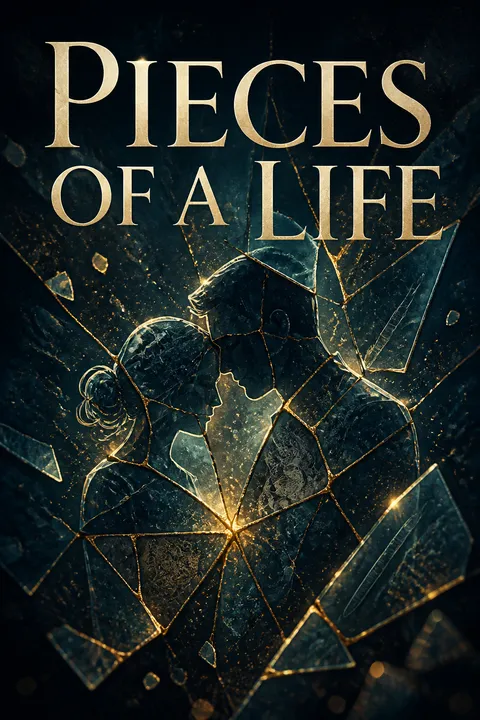
In the end, Josie and Colten's story is one of relentless return—of love that survives betrayal, loss, and the passage of years. Their reunion is not a fairy tale, but a hard-won victory over the forces that sought to keep them apart. They choose each other, not out of need or nostalgia, but out of a deep understanding of what it means to be seen, known, and loved. Their story is unfinished, but in choosing to face the future together, they find hope in the pieces of their lives.
Analysis
A modern meditation on trauma, love, and the search for meaningPieces of a Life is more than a romance; it is a nuanced exploration of how the past shapes the present, how trauma lingers in the body and mind, and how love can be both a source of pain and a path to healing. The novel interrogates the limits of rationality, the persistence of memory, and the ways in which we are haunted by what we cannot resolve. Josie and Colten's story is a testament to the resilience of the human spirit—their willingness to confront the darkest parts of themselves and each other, to seek truth even when it is painful, and to choose connection over isolation. The unresolved mystery at the heart of the novel serves as a reminder that some wounds never fully heal, and some questions never find answers. Yet, in the act of searching, of loving, and of refusing to give up on themselves or each other, the characters find a measure of peace. The lesson is not that love conquers all, but that love endures—even, and especially, when life is broken into pieces.
Review Summary
Pieces of a Life receives an overall rating of 4.29/5, with most readers praising its emotional depth, witty banter, and compelling second-chance romance between childhood sweethearts Josie and Colten. Reviewers loved the dual timeline structure and complex characters, though some found the flashbacks occasionally disjointed and Josie frustratingly stubborn. The suspenseful paranormal twist near the end left readers eager for the sequel. Common highlights include sharp dialogue, strong chemistry, and the unique premise of a forensic pathologist and homicide detective reconnecting after seventeen years apart.
Characters
Josephine "Josie" Watts
Josie is the emotional and narrative center of the story—a woman whose childhood fascination with death becomes both her profession and her coping mechanism. Her relationship with Colten is defined by a push-pull dynamic: she is both drawn to and wounded by him, unable to fully let go of the past. Josie's psychological complexity is rooted in trauma, abandonment, and a relentless need for answers. Her near-death experience and subsequent visions blur the line between science and the supernatural, forcing her to confront the limits of rationality. Over the course of the novel, Josie evolves from a guarded, wounded soul to someone capable of vulnerability and forgiveness, though she never loses her edge or her skepticism.
Colten Mosley
Colten is Josie's childhood friend, first love, and lifelong source of both comfort and pain. His journey is marked by the struggle to escape the shadow of his father's failures and his own mistakes. As a detective, he is methodical and brave; as a partner, he is both supportive and exasperating. Colten's inability to communicate his feelings leads to years of regret and missed opportunities, but his eventual willingness to follow Josie into the unknown demonstrates his growth. He is defined by loyalty—to Josie, to his family, to the truth—even when it costs him dearly.
Becca Mosley
Colten's mother is a stabilizing force, offering warmth and acceptance to both Colten and Josie. Her own suffering—enduring her husband's infidelity and suicide—gives her a quiet strength. Becca's love for her son is unconditional, and her support for Josie is a reminder of the family they might have had. She represents the possibility of healing and the endurance of love in the face of loss.
Isaac Watts (Chief Watts)
Josie's father is a complex figure—protective, demanding, and sometimes emotionally distant. His expectations shape Josie's sense of self-worth, and his interventions in her relationship with Colten have lasting consequences. Chief Watts embodies the generational transmission of trauma and the difficulty of balancing love with control.
Savannah Watts
Josie's mother is a quieter presence, offering support and understanding without judgment. She is a witness to Josie's struggles and a source of comfort, though often powerless to intervene in the conflicts between Josie and her father.
Reagan Mosley
Colten's daughter represents both the consequences of his past choices and the possibility of redemption. Her presence forces Josie to confront her own feelings about motherhood and legacy. Reagan's innocence and affection are a balm for the wounds of the adults around her.
Dr. Cornwell
As the chief medical examiner, Dr. Cornwell is both a professional guide and a surrogate father figure for Josie. His pragmatic approach to death and his dry humor provide a counterpoint to Josie's intensity. He encourages her to indulge in life outside of work, reminding her that detachment is not the same as healing.
Alicia
Alicia is Josie's colleague and one of the few people who can match her wit. She provides a sounding board for Josie's fears and frustrations, offering both empathy and practical advice. Alicia's own experiences with trauma and motherhood create a bond of understanding between the two women.
Paul Turner
Paul is a well-meaning but ultimately incompatible partner for Josie. His inability to accept her profession and his discomfort with her emotional complexity highlight the challenges Josie faces in seeking intimacy. Paul's rejection is both a setback and a catalyst for Josie's eventual reconciliation with Colten.
Winston Jeffries
Though long dead, Jeffries' crimes haunt the narrative, serving as both a literal and metaphorical representation of the past that refuses to stay buried. His legacy is the catalyst for Josie's visions and her compulsion to seek the truth, blurring the boundaries between victim and survivor, past and present.
Plot Devices
Dual Timeline and Nonlinear Narrative
The novel employs a dual timeline, shifting between Josie and Colten's childhood/adolescence and their adult lives. This structure allows the reader to see how formative experiences shape their identities and relationships. The nonlinear approach mirrors the way trauma disrupts memory and the continuity of self, creating a sense of inevitability and circularity in their story.
Mystery and Unreliable Perception
Josie's near-death experience introduces an element of the supernatural, as her visions of murdered girls drive the plot forward. The ambiguity of these visions—are they memories, premonitions, or delusions?—creates tension and uncertainty. The investigation into historical crimes becomes a metaphor for the characters' search for meaning and closure in their own lives.
Symbolism of Death and Resurrection
Josie's profession as a pathologist is both literal and symbolic: she dissects bodies to find the cause of death, just as she dissects her own past to understand her pain. The recurring motif of resurrection—surviving trauma, reviving relationships, unearthing buried truths—underscores the possibility of renewal even in the face of loss.
Repetition and Echoes
The novel is rich in repeated patterns: Josie and Colten's cycles of attraction and avoidance, the recurrence of childhood games and adult arguments, the echo of historical crimes in present-day nightmares. These repetitions highlight the difficulty of breaking free from the past and the ways in which healing requires both confrontation and acceptance.
Dialogue as Emotional Battleground
Much of the novel's emotional weight is carried through dialogue—sharp, funny, and often painfully honest. The characters use words as both weapons and shields, revealing their deepest fears and desires even as they try to protect themselves from further hurt.
Life Series
About the Author
Other books by Jewel E. Ann






Download PDF
Download EPUB
.epub digital book format is ideal for reading ebooks on phones, tablets, and e-readers.








































