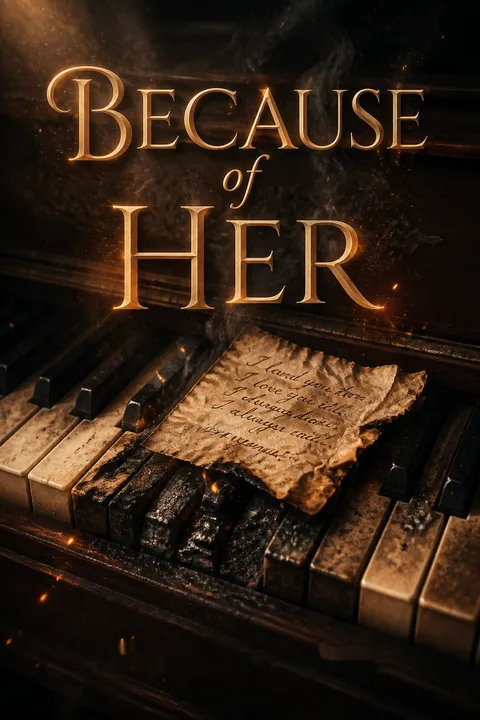

Plot Summary
Return to Boone's Shadows
Francesca "Frankie" Holter returns to Boone, Kansas, to settle the estate of her brother, his wife, and their son—all lost to suicide. The town is haunted by their absence, and Frankie is haunted by the memories of her twin, John. The house is a mausoleum of grief, and the only living connections are the elderly neighbor Eloise and a mysterious man, Jack, who rents Eloise's garage. Frankie's initial goal is simple: sort, sell, and leave. But the weight of loss, the unanswered "why," and the strange, magnetic presence of Jack begin to unravel her plans and her sense of self.
The Letter's Poison
Eloise presents Frankie with a letter found in her nephew Steven's room—a note from his girlfriend, Molly Sanford. The letter is a chilling blend of adolescent despair and subtle encouragement toward suicide, laced with guilt and emotional manipulation. Frankie is horrified, her grief morphing into rage and a thirst for justice. The letter becomes a symbol of everything that's wrong: the power of words, the fragility of youth, and the way one person's pain can destroy another. Frankie's mission shifts from closure to retribution, and the letter's poison seeps into every decision she makes.
Stranger in the Garage
Jack, the enigmatic tenant in Eloise's garage, is a study in contradictions: tattooed, muscled, emotionally distant, yet capable of playing the piano with haunting beauty. Frankie is drawn to him, sensing a kindred spirit beneath his gruff exterior. Their interactions are laced with tension, humor, and a growing intimacy. Jack's past is a locked box, but his presence is grounding for Frankie. As she confides in him, their connection deepens, and the boundaries between grief, attraction, and trust begin to blur.
Unforgivable Grief
Frankie's pain festers into obsession. She stalks Molly, confronts her, and becomes entangled with the Sanford family—wealthy, untouchable, and morally bankrupt. Her encounters with Molly and her parents, Archer and Corinne, are fraught with duplicity and simmering hostility. Frankie's need for justice becomes a vendetta, and she's willing to use seduction, humiliation, and even self-destruction to make Molly and her family pay. The line between victim and avenger blurs, and Frankie's actions threaten to consume her.
The Sanford Web
Frankie infiltrates the Sanford world, using her intelligence and sexuality to get close to Archer, Molly's father. Archer is charismatic, predatory, and deeply corrupt—a man with secrets and enemies. Frankie's relationship with him is a high-wire act of manipulation and self-loathing. Meanwhile, Jack's true nature is hinted at: he's not just a drifter but a man with a mission, surveillance skills, and a lethal past. The web tightens as Frankie's revenge plot collides with Jack's hidden agenda.
Seduction and Surveillance
Frankie's seduction of Archer becomes both a weapon and a wound. She uses sex as revenge, but the cost is her own sense of self. Jack watches from the shadows, torn between protecting Frankie and completing his own mission. Their relationship is fraught with longing, jealousy, and the unspoken trauma that binds them. As Frankie spirals deeper into the Sanford family's orbit, Jack's surveillance reveals the true extent of Archer's criminality—and the danger closing in on them both.
The Fire and the Ashes
The Holter house is set ablaze—an act of arson that erases the last physical traces of Frankie's family. The fire is a turning point: Frankie's grief is now compounded by rage and helplessness. She suspects Molly, but the Sanford family's power ensures there will be no justice. Jack's role as protector becomes more pronounced, and his own secrets begin to surface. The fire is both an ending and a beginning, forcing Frankie to confront the futility of revenge and the depth of her own pain.
Revenge's Price
Frankie's campaign against the Sanfords escalates: she exposes Molly's drug use and sexual exploits, humiliates Corinne, and manipulates Archer. But each act of revenge leaves her emptier, more isolated, and further from healing. Jack's true identity is revealed: he is Jackson Knight, a former government assassin seeking to eliminate Archer Sanford, the last threat to his family. Their fates are now intertwined, and the price of vengeance becomes clear—no one escapes unscathed.
The Assassin's Confession
Jack confesses his past to Frankie: his life as an assassin, the loss of his wife, and his desperate quest to protect his daughter. Frankie, in turn, reveals her own brokenness—the trauma of her family's deaths, the violation by Archer, and her inability to move on. Their love is raw, complicated, and forged in the crucible of shared pain. They become each other's solace and undoing, struggling to find hope in a world defined by violence and loss.
The Ferris Wheel Trap
Archer lures Frankie into a trap, using her as bait for Jack. The confrontation is brutal: Jack and his ally Slade launch a rescue, killing Archer's men and confronting Archer himself. The violence is intimate and cathartic—Jack exacts vengeance with his own hands, but the cost is nearly his life. Frankie is left traumatized, her body and spirit battered. The aftermath is a reckoning: survival is not the same as healing, and love cannot erase the scars.
The Piano and the Knife
Frankie retreats into herself, haunted by memories of assault and violence. She isolates, unable to touch or be touched, her world shrinking to the safety of her home. Jack becomes her caretaker, patient and steadfast, refusing to leave her side. Healing is slow, nonlinear, and fraught with setbacks. The piano—once a symbol of beauty and connection—becomes a site of both pain and eventual reclamation. Together, they learn that survival is an act of will, and that forgiveness—of self and others—is the hardest battle.
The Breaking Point
Jack's family—his daughter Livy, her husband Slade, and their children—arrive, bringing chaos, love, and a reminder of what's at stake. Frankie is forced to confront her trauma, to accept help, and to risk vulnerability. The presence of children, the rhythms of daily life, and the unwavering support of those who love her begin to crack the shell of her isolation. Jack and Frankie's relationship is tested, but their commitment to each other endures.
Healing in Pieces
Frankie's recovery is marked by small victories: leaving the house, reconnecting with music, and allowing herself to be touched. Therapy, honesty, and the passage of time help her reclaim her life. Jack, too, finds peace—reunited with his family, he lets go of the assassin's life and embraces the possibility of happiness. Their love, once forged in trauma, becomes a source of strength and renewal. Together, they learn that healing is not about erasing the past but about building a future in spite of it.
The Girl Kissed Good Night
Jack and Frankie's relationship comes full circle: from strangers bound by grief to lovers who have survived the worst. They reclaim intimacy, trust, and the simple joy of being together. The piano—once a site of pain—is now a symbol of hope and connection. Their love is imperfect, hard-won, and deeply real. They are, at last, the girl and the man who kiss each other good night, choosing each other every day.
Full Circle Forgiveness
Frankie writes a letter to Molly, offering forgiveness and urging her to do better. She acknowledges her own mistakes, the limits of revenge, and the necessity of moving forward. Jack and Frankie build a life together, surrounded by family, music, and the hard-earned peace that comes from facing the darkness and choosing to live. Their story is not one of perfect healing, but of resilience, love, and the courage to begin again.
Epilogue: Home, at Last
Months later, Jack and Frankie are together, having built a life in Idaho near Jack's family. The past is not forgotten, but it no longer defines them. They are surrounded by love, music, and the promise of a future shaped by choice, not by trauma. The story ends with hope: the girl who was kissed good night is finally home.
Analysis
Because of Her is a raw, unflinching exploration of grief, trauma, and the long, nonlinear road to healing. Jewel E. Ann crafts a narrative that refuses easy answers: revenge is seductive but hollow, and survival is not the same as living. The novel's power lies in its willingness to dwell in the gray areas—where love and violence, victimhood and agency, forgiveness and rage coexist. Through Frankie and Jack, we see the ways trauma can both isolate and connect us, and how the search for justice can become a form of self-destruction. Yet, the story is ultimately one of hope: healing is possible, not through erasure of the past, but through the slow, painful work of acceptance, connection, and self-forgiveness. The piano, the recurring motif of music, and the refrain of "the girl you kiss good night" all serve as reminders that beauty and love can survive even the darkest nights. The novel's lesson is clear: we are shaped by our losses, but we are not defined by them. In choosing to live, to love, and to forgive, we reclaim our power and our future.
Review Summary
Because of Her garnered overwhelmingly positive reviews, with readers praising its emotional depth, suspenseful plot, and compelling characters. Many appreciated the return to the Jack & Jill series world and found Jackson and Frankie's romance captivating. Readers highlighted the book's exploration of grief, revenge, and healing. While some felt it could be read as a standalone, many recommended reading the previous books for a fuller experience. The novel's writing style, chemistry between characters, and satisfying conclusion were frequently commended.
People Also Read







Characters
Francesca "Frankie" Holter
Frankie is a former music theory professor whose life is shattered by the suicides of her twin brother, his wife, and their son. Her grief is raw, obsessive, and ultimately transformative. She is fiercely intelligent, stubborn, and driven by a need for answers and justice. Frankie's journey is one of descent into obsession and revenge, followed by trauma, withdrawal, and the slow, painful process of healing. Her relationship with Jack is both a lifeline and a crucible, forcing her to confront her deepest wounds and her capacity for love. Frankie's arc is defined by her struggle to forgive, to accept help, and to choose life in the aftermath of unspeakable loss.
Jackson "Jack" Knight / Jude Day
Jack is a man with many names and many lives: a former government assassin, a grieving widower, a father, and a man seeking redemption. He is stoic, disciplined, and deeply wounded by the violence he has both suffered and inflicted. Jack's relationship with Frankie is transformative—she awakens in him a longing for connection and peace. His journey is one of confession, vulnerability, and the relinquishing of control. Jack's love for Frankie is both protective and redemptive, and his willingness to face his own darkness is what ultimately allows them both to heal.
Molly Sanford
Molly is the teenage girlfriend whose letter to Steven becomes the catalyst for the novel's central tragedy. She is manipulative, self-absorbed, and emotionally immature, but also a product of her environment—her parents' privilege and moral bankruptcy. Molly's actions are unforgivable, but the novel ultimately suggests that she, too, is a victim of a toxic legacy. Her presence haunts Frankie, serving as both a target for revenge and a mirror for her own pain.
Archer Sanford
Archer is the powerful, corrupt father of Molly and the central antagonist. Charismatic, ruthless, and predatory, he embodies the dangers of unchecked privilege and toxic masculinity. His relationship with Frankie is a battleground of manipulation, seduction, and violence. Archer's past as a handler of assassins and his role in Jack's wife's death make him the ultimate target for both Frankie's and Jack's vengeance. His downfall is brutal and cathartic, but the scars he leaves behind are lasting.
Eloise Owen
Eloise is the elderly neighbor who provides comfort, wisdom, and a sense of continuity in the midst of chaos. She is grieving, too, but her resilience and kindness offer Frankie a model for survival. Eloise's home is a refuge, and her presence is a reminder that healing is possible, even after unimaginable loss.
Livy Knight
Livy is Jack's daughter, a symbol of the life he is fighting to protect. Her presence in the story is a reminder of what is at stake: family, love, and the possibility of a future untainted by violence. Livy's own struggles and resilience mirror those of her father and Frankie, and her forgiveness is a key to Jack's redemption.
Slade Wylder
Slade is Livy's husband and Jack's reluctant ally. He is a former operative, skilled and resourceful, but also a source of tension and competition for Jack. Slade's presence forces Jack to confront his own limitations and to accept help. Their uneasy alliance is a testament to the power of shared purpose and the necessity of letting go of old grudges.
Corinne Sanford
Corinne is Molly's mother and Archer's wife, a woman complicit in her family's corruption and cruelty. She is obsessed with appearances, emotionally distant, and ultimately powerless to prevent the destruction of her family. Corinne's downfall is a cautionary tale about the costs of denial and the dangers of enabling toxic behavior.
Steven Holter
Steven is the beloved nephew whose suicide sets the story in motion. Sensitive, talented, and crushed by loss and manipulation, he is both a victim and a symbol of the novel's central themes: the fragility of hope, the power of words, and the devastating consequences of neglect and cruelty.
Jessica Day
Jessica is Jack's twin sister, a survivor of her own traumas and a source of strength and wisdom. Her presence is felt throughout the novel, both as a confidante and as a reminder of the bonds that endure even in the face of unimaginable pain. Jessica's resilience and honesty are a model for both Jack and Frankie as they navigate their own journeys toward healing.
Plot Devices
Dual Narratives and Interwoven Trauma
The novel employs dual perspectives—Frankie's and Jack's—allowing readers to experience the story's emotional arc from both sides. Their traumas are interwoven, each character's pain echoing and amplifying the other's. The use of letters, flashbacks, and confessions deepens the sense of shared history and unresolved wounds. The narrative structure is cyclical, returning again and again to the themes of loss, vengeance, and the possibility of redemption.
The Letter as Catalyst
Molly's letter to Steven is the inciting incident, a plot device that transforms grief into obsession and sets Frankie on a path of revenge. The letter's ambiguity—part confession, part encouragement—mirrors the novel's exploration of moral gray areas and the unintended consequences of our actions.
The Piano as Symbol
The piano recurs throughout the novel as a symbol of connection, loss, and recovery. It is the site of both violation and reclamation, a place where pain is both inflicted and transcended. Music becomes a language for what cannot be spoken, a means of expressing grief, love, and hope.
Foreshadowing and Repetition
The novel uses foreshadowing—through dreams, memories, and repeated motifs—to create a sense of inevitability and to underscore the cyclical nature of trauma. The repetition of phrases ("the girl you kiss good night," "it's just a body") serves to both comfort and unsettle, highlighting the ways in which we try to make sense of the senseless.
Revenge and Its Consequences
The pursuit of revenge is both a driving force and a destructive spiral. The novel interrogates the idea that justice can be achieved through violence, ultimately suggesting that true healing requires forgiveness, acceptance, and the courage to move forward.
Found Family and Chosen Healing
The story's resolution hinges on the creation of a new, chosen family—Jack, Frankie, Livy, Slade, and their children. Healing is depicted not as a solitary journey but as a communal act, made possible by love, patience, and the willingness to be vulnerable.
About the Author
Other books by Jewel E. Ann




Download PDF
Download EPUB
.epub digital book format is ideal for reading ebooks on phones, tablets, and e-readers.








































