
Plot Summary
Iron Mask Mornings
Joseph, known as Panenka, wakes each day haunted by a mysterious, crushing headache he calls the Iron Mask. His mornings are shaped by pain, but also by the gentle rituals of family: sharing a bed with his grandson Arthur, helping him dress, and navigating the small negotiations of daily life with his daughter Marie-Thérèse. Their home in the Crucible, a marginalized part of town, is a haven of warmth amid hardship. Panenka's relationship with Arthur is playful and loving, a second chance at the fatherhood he once failed. Yet, beneath the surface, his pain is a secret, and his sense of impending reckoning—both physical and emotional—colors every interaction.
Diagnosis and Denial
After months of worsening headaches, Panenka is referred to a specialist, Doctor Wolf, who delivers devastating news: a rare, inoperable brain tumor. The consultation is clinical, the options few. Panenka's instinct is to shield his family from the truth, internalizing his fear and shame. The diagnosis becomes a private burden, deepening his isolation. He reflects on his life's mistakes, the relationships he's damaged, and the debts he owes to those who loved him. The Iron Mask is no longer just a physical affliction—it's a symbol of his emotional armor and the cost of his silence.
Family Fractures
Marie-Thérèse, Panenka's daughter, struggles with her own battles: a demanding new job, single motherhood, and the lingering effects of her parents' failed marriage. Her friendship with Carla offers comic relief and support, but her sense of self is fragile, marked by anxiety and a hidden patch of alopecia. The family's history is one of absences and returns, of love given and withheld. Marie-Thérèse's relationship with her ex-husband Vincent is cordial but unresolved, and her bond with her father is both a comfort and a source of pain, shaped by years of emotional distance.
Café-Bar Brotherhood
Vincent's café-bar is a gathering place for the town's lost and lonely men: Anthony, whose marriage is a silent tragedy; BABA, the pedantic intellectual; and Teddy, the young apprentice. Their conversations are a blend of banter, philosophy, and melancholy, reflecting the town's collective sense of disappointment. Panenka finds solace in their company, even as he remains an outsider, haunted by his past as a local football hero whose infamous penalty miss defined a generation. The café-bar is both a refuge and a reminder of what's been lost.
The Weight of Glory
Seneca FC, the town's football club, is on the brink of promotion, stirring old hopes and anxieties. Panenka's own rise as a young player was marked by promise and charisma, but also by the pressures of expectation. His relationship with Lauren, Arthur's grandmother, began in this era of hope, but was ultimately undone by the same forces that shaped his career. The club's fortunes mirror those of the town: cycles of hope, disappointment, and the longing for redemption. Football is more than a game—it's the town's fragile sense of self.
Nighttime Reckonings
In the quiet hours, Panenka is tormented by memories and regrets. He recalls his failures as a husband and father, the collapse of his marriage to Lauren, and the years of emotional withdrawal that followed his infamous penalty miss. His relationship with Marie-Thérèse is a fragile reconciliation, a chance to make amends, but he fears burdening her with his illness. The night is a time for reckoning, for confronting the debts of love and the possibility of forgiveness.
Shifting Roles
Marie-Thérèse navigates the complexities of her new managerial role, struggling to assert authority among former peers and to balance work with motherhood. Her sense of impostor syndrome is heightened by workplace politics and the subtle exclusion she feels from her colleagues. The possibility of a transfer offers both escape and uncertainty. Her relationship with Vincent remains unresolved, and her loyalty to her father is tested by his secrecy. The shifting roles within the family reflect broader questions of identity and belonging.
The Manager's Burden
As Marie-Thérèse faces the pressures of management, she grapples with the loneliness of leadership and the fear of failure. Her friendship with Carla is a lifeline, but also a mirror for her own anxieties. The demands of work and family leave little room for self-care, and her hidden alopecia becomes a symbol of her vulnerability. The chapter explores the cost of ambition and the difficulty of balancing personal and professional responsibilities.
The Coach's Philosophy
Cesar Fontaine, Seneca's visionary coach, becomes a mentor to Panenka, instilling in him a philosophy of football as art and self-expression. Cesar's approach is both inspiring and flawed, leading to moments of brilliance and eventual decline. His relationship with Panenka is paternal, offering the guidance and affirmation Panenka craved. The team's fortunes rise and fall with Cesar's, culminating in the fateful match that will define both their legacies. The chapter is a meditation on leadership, loyalty, and the limits of redemption.
The Penalty That Changed Everything
In the climactic match against Olympik, Panenka takes a penalty that could save Seneca from relegation. Inspired by his coach's philosophy, he attempts a daring, beautiful chip—the Panenka. The goalkeeper doesn't move; the ball is easily saved. The town's hopes are dashed, and Panenka becomes the scapegoat for decades of disappointment. The aftermath is brutal: public vilification, personal shame, and the collapse of his career. The penalty becomes a symbol of risk, beauty, and the cost of failure.
Aftermath and Exile
In the wake of his infamous miss, Panenka retreats from public life, refusing coaching offers and taking menial jobs. His marriage to Lauren dissolves under the weight of grief and blame. The town's narrative simplifies its failures to a single moment, erasing the complexities of cause and effect. Panenka's self-punishment is relentless, and his relationships suffer. Yet, amid the ruins, there are glimmers of resilience: Lauren's quiet strength, Marie-Thérèse's forgiveness, and the possibility of new beginnings.
Second Chances
As Panenka's illness progresses, he finds unexpected solace in the company of Esther, a compassionate barber who recognizes his pain. Their relationship is tender, honest, and free from the burdens of the past. Esther's own history of heartbreak and resilience mirrors Panenka's, and together they create a space for healing. Theirs is a love without a name, defined by mutual care and acceptance. Panenka's relationship with Marie-Thérèse also deepens, as secrets are revealed and old wounds are addressed.
New Beginnings, Old Wounds
Marie-Thérèse decides to stay in town, choosing stability for Arthur and a renewed commitment to her family. Her relationship with Vincent ends with honesty and dignity, allowing both to move forward. The town celebrates Seneca's long-awaited promotion, signaling a collective release from the past. Panenka's reconciliation with his daughter and grandson is hard-won, marked by vulnerability and truth-telling. The family's future is uncertain, but there is hope in their willingness to face it together.
The Barbershop Encounter
Panenka's breakdown in the barbershop is a turning point, exposing his raw need for comfort and understanding. Esther's gentle care offers him a reprieve from isolation, and their subsequent conversations reveal the depth of their mutual wounds. The barbershop becomes a space of transformation, where pain is acknowledged and new possibilities emerge. Their relationship challenges conventional definitions, embracing the complexity of love in later life.
Love Without a Name
Panenka and Esther navigate the boundaries of their relationship, choosing honesty over convention. They agree to love each other in whatever way feels true, without the pressure of labels or expectations. Their connection is a source of strength, allowing both to confront their fears and regrets. The chapter explores the idea that love can be redemptive even when it cannot be fully realized, and that acceptance is the greatest gift we can offer each other.
Letting Go, Holding On
As Panenka's health declines, he and Marie-Thérèse finally have the conversation they've both avoided for years. They confront the pain of the past, acknowledge their mutual failings, and choose to forgive. Marie-Thérèse's decision to stay in town is an act of love, a recognition that healing is possible even amid loss. The family's story is one of endurance, resilience, and the quiet heroism of ordinary lives.
The Town's Redemption
Seneca's promotion is celebrated as a communal victory, a chance to rewrite the town's narrative and move beyond the shadow of the Panenka miss. The café-bar regulars toast to new beginnings, and the town's sense of identity is renewed. Panenka's legacy is reimagined, not as a symbol of failure, but as a testament to the beauty and risk of striving for something greater. The chapter is a meditation on the power of community, memory, and the stories we tell ourselves.
Reconciliation and Release
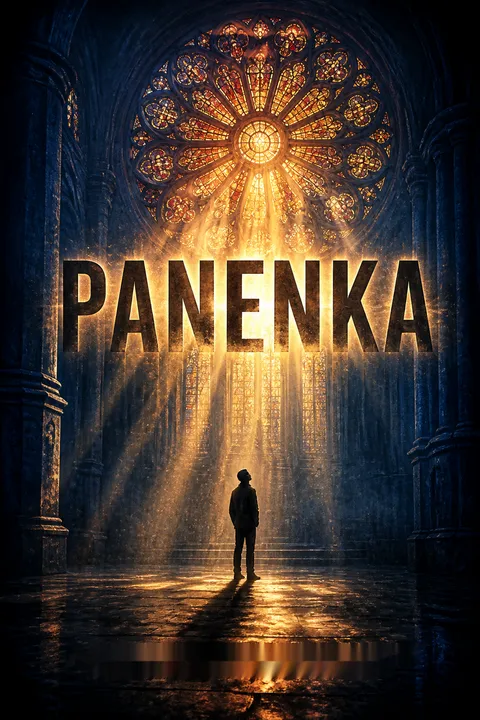
In the novel's final moments, Panenka brings Esther to the cathedral where he works, showing her the rose window he has painstakingly restored. Bathed in colored light, they share a moment of quiet transcendence, free from the burdens of the past and the anxieties of the future. Panenka's journey ends not with triumph or despair, but with acceptance—a recognition that love, forgiveness, and beauty are possible even in the face of mortality. The story closes on a note of hope, inviting readers to find meaning in the ordinary and the imperfect.
Analysis
Panenka is a novel about the burdens of shame, the possibility of forgiveness, and the quiet heroism of ordinary lives. Through the story of a man haunted by a single moment of failure, Ronan Hession explores the ways in which trauma is internalized and transmitted across generations. The novel's central metaphor—the Iron Mask—captures the interplay of physical and emotional pain, while the missed penalty serves as a lens for examining the dangers of investing too much in a single narrative of blame or redemption. The story is deeply compassionate, offering no easy answers but insisting on the value of vulnerability, honesty, and connection. The relationships between Panenka, Marie-Thérèse, and Arthur are rendered with tenderness and realism, showing that healing is possible even amid loss. The novel's communal settings—the café-bar, the barbershop, the football stadium—underscore the importance of belonging and the ways in which stories are shaped and reshaped by collective memory. Ultimately, Panenka is a meditation on the beauty and risk of striving for something greater, the necessity of letting go, and the redemptive power of love in all its imperfect forms.
People Also Read







Characters
Panenka (Joseph)
Once a local football hero, Joseph—nicknamed Panenka after his infamous penalty miss—carries the weight of public shame and personal regret. His life is marked by emotional withdrawal, failed relationships, and a relentless sense of debt to those he loves. The Iron Mask, his mysterious headache, is both a literal and metaphorical manifestation of his suffering. As he faces his mortality, Panenka seeks forgiveness and connection, especially with his daughter Marie-Thérèse and grandson Arthur. His journey is one of gradual self-acceptance, learning to let others in, and finding unexpected love with Esther. Panenka's arc is a study in vulnerability, the cost of silence, and the possibility of redemption through honesty and care.
Marie-Thérèse
Panenka's daughter, Marie-Thérèse, is a single mother navigating the pressures of work, family, and self-doubt. Her childhood was shaped by her father's absences and her parents' fractured marriage, leaving her with a deep need for stability and control. She is fiercely loyal, both to her son Arthur and to her father, despite their complicated history. Her friendship with Carla provides support and comic relief, but her hidden anxieties—symbolized by her alopecia—reveal her vulnerability. Marie-Thérèse's journey is one of self-discovery, learning to forgive, and choosing to stay rooted in her community for the sake of those she loves.
Arthur
Marie-Thérèse's young son and Panenka's grandson, Arthur is the emotional heart of the family. His presence brings joy, playfulness, and a sense of renewal to Panenka's life. Arthur's questions and observations often cut through adult complexities, offering wisdom and perspective. He is both a reminder of what was lost and a symbol of what can still be gained. Arthur's relationship with his grandfather is a second chance for both, allowing Panenka to experience the unconditional love he once struggled to give.
Vincent
Marie-Thérèse's ex-husband and Arthur's father, Vincent is the proprietor of the local café-bar and a fixture in the town's social life. His marriage to Marie-Thérèse ends not in betrayal but in the slow erosion of love. Vincent is patient, supportive, and devoted to his son, but struggles to accept the end of his marriage. His friendship with Panenka and the café-bar regulars provides a sense of belonging, even as he faces his own loneliness. Vincent's arc is one of acceptance, learning to let go, and finding dignity in loss.
Esther
Esther, the barber who becomes Panenka's confidante and companion, is herself marked by past heartbreak and disappointment. Her openness and empathy allow Panenka to lower his defenses and confront his pain. Esther's philosophy of love—unconstrained by labels or expectations—offers a model of acceptance and mutual care. Her presence in Panenka's life is transformative, enabling both to find meaning and connection in the face of uncertainty. Esther embodies the novel's themes of vulnerability, trust, and the redemptive power of human connection.
Lauren
Panenka's ex-wife and Marie-Thérèse's mother, Lauren is a figure of quiet endurance. She bears the brunt of Panenka's withdrawal and the town's judgment, holding the family together through years of hardship. Her eventual decision to leave and build a life on her own terms is an act of self-preservation and courage. Lauren's story is one of unacknowledged sacrifice, the cost of loyalty, and the necessity of letting go.
Anthony
A regular at Vincent's café-bar, Anthony's life is shadowed by his wife's unexplained depression and his own sense of helplessness. His friendship with Panenka and the others is a source of comfort, but also a reminder of the limits of male camaraderie. Anthony's story is one of endurance, waiting, and the quiet heroism of loving someone through darkness.
BABA
Known for his academic pretensions and love of Montaigne, BABA is both a source of comic relief and a figure of quiet sadness. His rivalry with Anthony and his outsider status at the café-bar reflect his deeper insecurities. BABA's sensitivity and need for recognition mask a loneliness that is only partially alleviated by friendship. His arc is one of self-acceptance and the search for belonging.
Teddy
The youngest member of the café-bar circle, Teddy is on a work placement and represents the possibility of renewal. His innocence and enthusiasm contrast with the older men's cynicism, and his departure marks the end of an era. Teddy's presence is a reminder that life goes on, and that new stories are always beginning.
Cesar Fontaine
Seneca's coach and Panenka's mentor, Cesar is a charismatic leader whose philosophy of football as art inspires and ultimately undoes him. His relationship with Panenka is paternal, offering the affirmation and guidance Panenka craved. Cesar's decline and death are both a personal and communal loss, marking the end of a chapter in the town's history. His legacy is one of inspiration, risk, and the beauty of striving for something greater.
Plot Devices
The Iron Mask
The recurring motif of the Iron Mask—Panenka's mysterious, crushing headache—serves as both a literal affliction and a symbol of his emotional suffering. It represents the burdens of shame, regret, and unspoken pain that shape his relationships and choices. The Iron Mask is a device for exploring the interplay between body and mind, and the ways in which trauma is carried and expressed.
The Missed Penalty
The infamous penalty miss is the novel's central plot device, a moment that crystallizes the themes of risk, beauty, and the cost of failure. It serves as both a personal and communal trauma, shaping Panenka's identity and the town's collective memory. The penalty is a lens through which questions of blame, forgiveness, and redemption are explored.
Intergenerational Relationships
The novel's structure is built around the interplay of three generations: Panenka, Marie-Thérèse, and Arthur. Their relationships are marked by absence, reconciliation, and the possibility of healing. The intergenerational dynamic allows for the exploration of themes such as legacy, forgiveness, and the ways in which the past shapes the present.
The Café-Bar and Barbershop
Vincent's café-bar and Esther's barbershop are key settings, functioning as microcosms of the town and as spaces where characters confront their vulnerabilities. These communal spaces facilitate dialogue, reflection, and the possibility of change. They are sites of both comfort and challenge, where the boundaries between public and private selves are negotiated.
Football as Metaphor
Football is more than a backdrop—it is the novel's central metaphor for community, aspiration, and the dangers of investing too much in a single narrative. The fortunes of Seneca FC mirror those of the town and its inhabitants, offering both the possibility of redemption and the risk of renewed disappointment. The game's beauty and brutality are reflected in the characters' lives.
Narrative Structure and Foreshadowing
The novel employs a nonlinear structure, revealing key events and secrets gradually. Foreshadowing is used to build tension and deepen the emotional impact of revelations, particularly regarding Panenka's illness and the true nature of his relationships. The structure mirrors the process of healing: slow, uneven, and marked by moments of clarity and setback.
Download PDF
Download EPUB
.epub digital book format is ideal for reading ebooks on phones, tablets, and e-readers.








































