
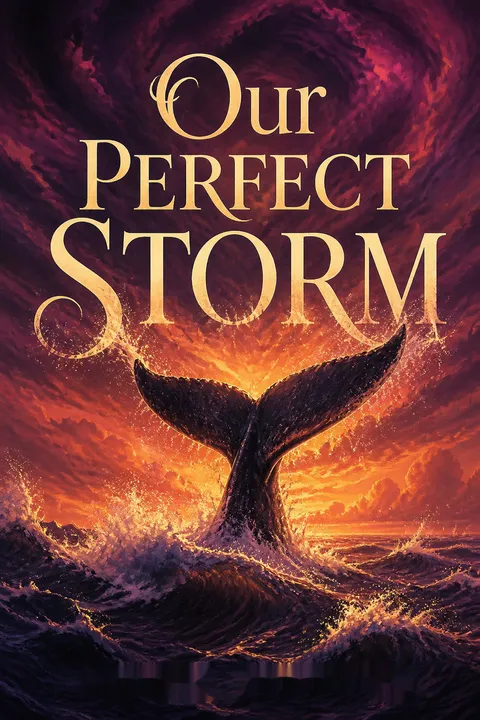


Plot Summary
Prologue
On the morning her mother4 vanishes, eight-year-old Frankie Gardiner1 chases a rabbit through the gap in a cedar hedge and finds a pale, squinting boy named George Saint James.2 She announces herself with a firm handshake and declares his grandmother3 must be a witch. George,2 new to the Big House next door after his own mother’s death, is startled by her boldness.
Frankie1 insists she is “utterly desperate for an adventure” and demands he prove the house is normal by taking her inside. He laughs for the first time since his mother died and leads her through the door. That afternoon in the rambling stone house, with its black cat and overgrown gardens, a bond is forged that neither of them will ever escape.
This prologue establishes the twin wounds that define both children: maternal abandonment for Frankie, maternal death and paternal neglect for George. Their meeting at the hedge—a literal boundary between two properties—becomes a crossing point into a shared emotional territory. Frankie’s immediate reframing of George’s grandmother as a witch reveals her coping mechanism: transforming fear and loss into narrative and adventure. George, already weary and resigned at eight, is instantly revived by her ferocious imagination. The scene sets up the core dynamic: Frankie leads with bravado, George grounds with quiet steadiness, and together they create a private world where their individual griefs can be carried. Their story begins not with romance but with a mutual recognition of loneliness.
The Waltz and the Note
Two days before her wedding, Frankie1 hosts a rehearsal dinner at an elegant manor, gleaming in champagne silk and a colossal yellow diamond. She is frantic because George,2 her best man, hasn’t arrived.
When he finally appears, rumpled but steady, she throws herself into his arms and can breathe for the first time all evening. They dance a waltz the way his grandmother3 taught them, her eyes closed, his hand pressing her back to guide her. He asks if she’s really happy; she insists she is.
The night swells with laughter, tequila shots, and Frankie’s1 conviction that everything is perfect. In the morning, she wakes alone in the hotel room. On the nightstand sits a piece of blue stationery with Nate’s5 handwriting: I love you, but I can’t marry you. The wedding is over.
This turning point is built on emotional whiplash. The waltz sequence is the novel’s purest image of Frankie’s trust in George: she literally closes her eyes and follows his lead, a surrender she offers no one else, least of all the man she intends to marry. The contrast with Nate’s later cowardice is stark. Nate’s note on hotel stationery is a devastating symbol of impermanence—the flimsiest medium for the heaviest blow. Frankie’s happiness at the dinner, so dependent on George’s presence, already hinted at the emotional hierarchy she refuses to acknowledge. The collapse of the wedding, though experienced as catastrophe, is the necessary demolition of a false self.
Running Away to Tofino
After two months of depression, Frankie1 retreats to her childhood home, spending listless days by Mimi’s3 pool. Then George2 surprises her on the patio, looking more polished than usual. She immediately teases him about his new glasses and cologne, falling back into their old rhythm.
Noticing how thin and tired she looks, he tells her she is coming away with him — to Tofino, the honeymoon destination Nate5 had booked. George2 has crafted an elaborate breakup recovery plan with daily themes drawn from psychological research and interviews with a psychiatrist.
She detects his genuine investment beneath the playful presentation and agrees, recognizing the trip as a chance to both heal and reclaim the closeness they have lost over years of drifting.
George’s ‘Plan’ is an act of love dressed as a project, allowing him to care for Frankie without naming his feelings. His meticulous research is a form of devotion as tangible as any love letter. Frankie’s quick acceptance reveals her subconscious need for him to take charge, a reversal of their usual dynamic where she is the decisive one. The Tofino trip becomes a liminal space: a fake honeymoon where real intimacies can surface without the pressure of real-life consequences. Their reunion at the Big House pool, with Mimi’s knowing comments, signals that the older generation has been waiting for them to see what everyone else already has.
Fake Newlyweds, Real Tension
After a nerve-wracking drive along the Pacific Rim Highway, singing Kelly Clarkson at the top of their lungs, Frankie1 and George2 arrive at Moss & Stone Resort. Kevin,9 the head of guest experiences, assumes they are the honeymooners. George2 impulsively leans into the ruse, introducing them as Mr. and Mrs. Gardiner.
Their villa is absurdly romantic: rose petals on the king bed, a bathtub overlooking the ocean, a “Romance Kit” in the bathroom. Frankie1 discovers George’s2 research papers, including an interview transcript where he tells a psychiatrist they are “just friends.” That evening, after room service and Little Women, she has a nightmare about George2 dying in a wildfire and he holds her until she falls asleep.
The decision to perform as newlyweds is both a joke and a psychological dare. By temporarily inhabiting the roles they’ve denied, they grant themselves permission to explore intimacy under the alibi of pretense. Frankie’s discovery of George’s research—and his careful deflection when she asks about romantic feelings—illustrates his profound guardedness. The nightmare sequence is crucial: Frankie’s subconscious terror of losing George exposes the depth of her attachment, while his instinctive comfort reveals his role as her emotional anchor. Kevin functions as an external eye, validating what they refuse to articulate.
Sauna Truths on the Sound
George2 arranges a private boat trip with Derek, a retired fire chief he befriended while covering wildfires. They spend the day on a floating sauna in the Clayoquot Sound, alternating between cedar-scented heat and shocking cold plunges. Lying together in a dock hammock afterward, George2 admits he has started seeing a therapist and wants a serious partner, disclosures that surprise Frankie.1
She confesses she misses knowing the small details of his life. He shares that he collects sand from every beach and is learning Italian. Frankie1 feels her long-dormant desire stirring; she notices his body with an intensity she has always suppressed. When he watches her in her red bikini, something in his gaze shifts.
The sauna’s sensory extremes—heat and cold, exertion and stillness—mirror the emotional risk they begin to take. George’s admission of therapy marks a significant evolution: the guarded journalist is learning to speak his interior life. Frankie’s response, a sudden sharp awareness of his physicality, signals the crumbling of a wall she built in adolescence. The hammock scene, two bodies suspended over water, becomes a space of tentative honesty. George’s confession that he wants to share his life with ‘one person’ is both vague and pointed; Frankie, still oblivious, feels an unfamiliar pang of jealousy at the thought of another woman taking her place in his heart.
The Wrong Kind of Proposal
On Day Three, they take a surfing lesson at a misty beach. Frankie1 falls repeatedly but finally rides a wave to shore, weeping with joy. That evening at a clifftop restaurant, giddy on wine and success, she tells George2 he makes her feel invincible, that maybe they should have gotten married — a companionable, sexless arrangement. George’s2 face goes blank.
He throws down his napkin and walks out. She chases him along the dark beach, barefoot and furious, until he spins around. His voice shakes with suppressed rage as he snarls that he would never settle for a marriage without physical intimacy, not with her. He pulls her close, his body hard against hers, whispers “Fuck your sexless marriage” into her ear, and then releases her.
Frankie’s suggestion, however flippantly intended, reveals her deep-seated belief that passion and permanence are incompatible. She offers George the security of their friendship while denying him the fullness of romantic love, echoing the partial self she gave Nate. George’s violent reaction exposes the years of frustration he has buried: he wants all of her, not a curated, platonic version. His physical assertion—pulling her close only to push away—is a communication his words have never managed. The beach confrontation marks the end of their unspoken agreement to ignore the erotic charge between them, cracking open a door neither can close again.
The Rainforest Kiss
The next day is dedicated to reflection. George2 makes Frankie1 list her positive qualities, then coaxes her to articulate Nate’s5 flaws. In a hammock strung between two spruces, she feels the ground shift: she has feelings for George2 that she can no longer dismiss.
Later, hiking through an ancient rainforest, standing among colossal cedars with rain dripping on their faces, she tells him she must break her teenage promise never to kiss him again. Before she can lose courage, she rises on her toes and presses her lips to his. He freezes for a single heartbeat, then kisses her back with a ferocity that leaves them both gasping. They pull apart, dazed, muttering that it was a mistake.
The rainforest kiss is an act of surrender for both of them. Frankie revokes the promise she made at sixteen after George rejected her clumsy sexual proposition, symbolically dissolving the old rules. The setting—ancient, living, indifferent to human concerns—underscores the naturalness of what passes between them. George’s response, described as volcanic, releases years of pent-up longing, and his immediate retreat into rationalization reveals his terror of the consequences. That they both label it a mistake while being unable to forget it demonstrates the futility of intellect over instinct; the body has already cast its vote.
More Than Friends at Moss & Stone
On Day Five, themed “Want,” Frankie1 tells George2 she wants to try: a real date, a real relationship. That evening, over a candlelit dinner, he tells their server an invented proposal story that mirrors their own childhood vow ceremony. Walking back along the beach, she asks if she can kiss him.
He laughs and takes her mouth with his. In the villa, the rose petals become their playground. They spend Days Five and Six mostly in bed, learning each other’s bodies with a reverence and joy born of decades of friendship. A storm rages outside, but in their sheets, Frankie1 feels a stillness she has never known. She is home.
This sequence deliberately reframes their physical intimacy as both a first date and a thousandth encounter. The invented proposal story George tells the server is a form of confession disguised as fiction, a way to speak his truth safely. Frankie’s request to kiss him—rather than simply taking—signals her newfound willingness to be vulnerable rather than commanding. The sex scenes emphasize naming and recognition: George says ‘Frankie’ repeatedly like a prayer, and she sees their entire shared history in his eyes during the act. The external storm mirrors the internal cataclysm; they are tearing down the old friendship to build something new.
The Phone Call Exposes Everything
On their last morning, Frankie1 finds a gift from Nate5 in the villa: a chef’s knife and a recipe journal. She calls to thank him, and he coldly tells her to ask George2 why he left. Frankie1 confronts George,2 and the truth spills out.
At the wedding rehearsal, drunk and reckless, George2 had catalogued for Nate5 every detail he knew about Frankie1 that her fiancé didn’t, from her fierce temper to how her violet eyes deepen when she cries. When Nate5 asked point-blank if he was in love with her, George2 said yes. Devastated, Nate5 wrote the note. Frankie1 reels. She has blamed herself for months, while the man who knows her best kept the truth hidden.
This revelation is the novel’s moral rupture. George’s silence, born of guilt and terror, robbed Frankie of agency and left her drowning in self-doubt. His act was both protective and possessive: he freed her from a wrong marriage but also manipulated the outcome without her consent. Frankie’s fury is complicated by the dawning realization that George has loved her for years, and that his confession to Nate was an involuntary eruption of a truth he couldn’t speak to her. The betrayal becomes a crucible: can she forgive the lie to claim the love it concealed? The trust broken here must be rebuilt for any future to exist.
The Whale Named Francesca
Frankie1 returns to her parents’ farmhouse, shattered. Over the following weeks, she begins to heal in ways she never expected. She finally asks her mother4 to tell her about the whales. Her mother4 explains the despair that drove her to leave, the seasickness that forced her back, and the truth Frankie1 has avoided: the right whale Francesca, her namesake, died two years ago from a vessel strike, her calf perishing without her.
That night, Frankie1 recites her mother’s4 old bedtime story to the empty room, mourning the whale and the angry child she once was. She also starts therapy, rekindles her passion for cooking, and begins dreaming of a cookbook that feels like her own.
This section is the psychological fulcrum of the novel. Frankie’s confrontation with her mother’s story dismantles the narrative she has clung to since childhood. Her mother’s leaving was not a rejection so much as a desperate grasp for selfhood, and her return was an act of love. The death of the actual Francesca whale allows Frankie to grieve not only the creature but the version of herself that loved whales uncomplicatedly. Her simultaneous dive into therapy and creative work marks a maturation—she is no longer waiting for adventure but creating it. This self-reclamation is what makes her ready to face George again, not from need but from strength.
Letters in the Birdhouse
Frankie1 texts George2 asking to hear his story. Instead of calling, he begins leaving pages torn from old notebooks in the birdhouse mailbox wedged in the cedar hedge. Each is a letter he wrote to her at a different age but never delivered. At twelve, he wrote that she was the prettiest girl he knew.
At fifteen, he confessed that dating other girls never worked because they weren’t her. At eighteen, he traced the moment he knew he was in love with her. Frankie1 reads them all, stunned by the decades of silent devotion contained in that little log cabin. Every letter reshapes her understanding of their shared history.
The letters are a belated education in empathy. Frankie has always been the narrative center of their friendship; now she must read herself as the subject of George’s interior life, a perspective she has stubbornly avoided. The epistolary form suits them both: they have always been braver on paper, where vulnerability is buffered by the act of writing. For George, the letters are a long-delayed release; for Frankie, they are proof that the love she now feels for him is not sudden but part of a vast, submerged continent. The birdhouse, a gift he made when she was an angry, hurting girl, becomes the vessel for his most enduring act of faith.
The Chest and the Cupboard
On a late-summer evening, Frankie1 walks to the hedge gap intending to leave a reply. George2 is already there, barefoot and stubbled, holding the small mahogany chest his late mother left him. Inside are all the letters he wrote and never sent, plus mementos from their friendship. She realizes she has been loved completely and patiently her entire life.
They go inside the Big House, and in the library cupboard where they once hatched childhood schemes, he presses her against the wall and makes love to her. Afterward, curled on the couch, she reads the letters aloud while he holds her. They promise to build a life of adventures together.
The chest, once a locked mystery Frankie could never pry open, symbolizes George’s guarded heart finally surrendered. Its contents—not illicit magazines as Frankie once teased, but a lifetime of unspoken love—redefine everything. Their lovemaking in the cupboard is a ritual of integration: returning to the tiny sacred space of their origin story, they bring their adult bodies and adult desires inside it, proving they have not outgrown their past but woven it into their future. The labyrinth they once argued about finds its center in each other. The reconciliation is not a fairy-tale ending but a deliberate choice, built on hard-won honesty and the courage to risk the dearest friendship of their lives.
Epilogue
One year later, Frankie1 and George2 stand on the Bay of Fundy, watching a massive right whale breach. George’s2 arm wraps around her as they track the migration for his latest article series. Their travels together have carried them from the Yukon to Newfoundland, with Frankie1 cooking, eating, and gathering notes for the cookbook she is finally writing.
She has reconciled with her mother,4 who will join them soon to see the whales she loves. George2 proposed at the hedge gap with an amethyst ring, and they married under the apple tree, just like when they were ten. Home is no longer a place; it is wherever they are together.
The epilogue closes the circle that opened in the prologue. The whales, once the emblem of Frankie’s maternal abandonment, are now a shared passion that binds the three of them: mother, daughter, and the man who loves them both. George’s journalism and Frankie’s cookbook represent parallel creative callings, no longer competing with each other but intertwining. Their wedding under the apple tree, echoing their childhood vow ceremony, confirms that the love they performed as children was a rehearsal for the real thing. The final image of George sheltering Frankie as the whale dives reinforces the novel’s thesis: true partnership is at once an adventure and a haven.
Analysis
At its core, Carley Fortune’s novel is a study in emotional camouflage and the courage required to be truly seen. Frankie Gardiner1 has spent her adult life constructing a personality she believes is safer: less demanding, more palatable, less likely to drive people away. She chose a fiancé5 who loved the edited version of herself, never revealing her sharp tongue, her fierce competitiveness, or her capacity for rage. It is the great irony of the novel that the one person2 who has always known and loved her least polished self is the very man she kept firmly in the “just friends” category.
The book links Frankie’s1 romantic repression directly to the childhood wound of her mother’s4 departure. Rebecca Gardiner4 left to reclaim a lost self, and in doing so, taught Frankie1 that love and autonomy cannot coexist. Frankie1 internalized this lesson so thoroughly that she refused to examine her feelings for George,2 the person with whom she is most fully herself. Her journey requires not only falling in love with her best friend2 but also falling back in love with the mother who hurt her4 and, crucially, with her own unvarnished nature.
George’s2 long silence, while deeply harmful, illustrates a particular masculine emotional pattern: the conflation of vulnerability with threat, the belief that protecting someone means withholding hard truths. His letters — written and hidden, year after year — are a monument to love paralyzed by fear. The novel is wise enough to treat his secrecy not as romantic heroism but as a genuine failure that must be acknowledged and repaired.
The Tofino setting, with its ancient forests, turbulent surf, and migrating whales, functions as a character in its own right. It is a liminal space where the normal rules of their lives are suspended, where pretending to be newlyweds creates a permission structure for real intimacy. The storm that arrives on their final days together externalizes the internal upheaval: the old friendship must be torn apart for something new to be built.
Ultimately, Our Perfect Storm argues that the greatest adventure is not travel or career but the terrifying, exhilarating act of letting someone inside every locked room of the heart. Friendship is not a lesser form of love but the foundation upon which the most enduring passion can be constructed.
Review Summary
Our Perfect Storm receives overwhelmingly positive reviews, averaging 4.41 stars. Readers consistently praise the vivid Tofino setting, the emotionally resonant childhood friends-to-lovers storyline, and the dual timeline structure. George is widely adored as a devoted, yearning romantic lead, while Frankie is seen as flawed but relatable. The slow-burn romance and family dynamics, particularly Frankie's relationship with her mother, earned high marks. A few readers found the pacing uneven or felt emotionally detached, but most consider it Fortune's best work yet.
People Also Read



Characters
Frankie Gardiner
Stubborn chef hiding from loveA thirty-year-old former sous chef turned recipe developer, Frankie is fiercely independent, competitive, and terrified of losing herself in a relationship. Her mother’s4 sudden departure when Frankie was eight left her with a profound fear of abandonment and an unconscious belief that deep love means eventual pain. She has spent years suppressing her fiery, argumentative nature in pursuit of being ‘easier’ to love. Raised next door to George2, her best friend, she relies on him as her emotional anchor while carefully refusing to examine the depth of their bond. Her journey is one of reclaiming her authentic voice—in the kitchen, in her family, and in her heart.
George Saint James
Devoted journalist secretly in loveAn award-winning environmental journalist, George has been Frankie’s1 best friend since they were eight. His mother died when he was seven; his father’s gambling addiction and eventual abandonment left him with a deep fear of being left again. He fell in love with Frankie1 in adolescence but never confessed, convinced she didn’t want him romantically and terrified of destroying the one stable relationship in his life. He channels his restless energy into constant travel and careful emotional distance. Outwardly confident and wryly funny, he guards his inner life with meticulous privacy, recording his feelings only in unsent letters he locks away.
Mimi Saint James
George’s sharp, loving grandmotherA former principal ballerina with Les Grands Ballets Canadiens, Mimi gave up her career after an injury and married a lumber baron, settling in the Kawarthas. She raised George2 after his father proved incapable. With her wigs, skinny cigarettes, and acidic one-liners, she cuts through pretense and sees clearly the love between George2 and Frankie1 that they refuse to acknowledge. She taught them both to waltz, and her ballroom became their childhood kingdom.
Rebecca Gardiner
Frankie’s whale-obsessed motherOnce a passionate marine biology student, Rebecca abandoned her graduate studies when she became unexpectedly pregnant. She spent eighteen months away from her family working with North Atlantic right whales when Frankie1 was a child, a decision that permanently fractured her relationship with her daughter. She returned a quieter woman, pouring her love into baking and family, but never speaking of whales again until Frankie1 finally asked. Her story reveals the cost of sacrificial motherhood.
Nate Bacon
The kind but wrong ex-fiancéA forty-six-year-old mathematics professor, Nate is genuinely kind, steady, and easy to be around. He loved a curated, serene version of Frankie1 that she carefully presented, never knowing her temper or her fire. His decision to leave on the wedding morning, triggered by George’s2 drunken revelation of his own love for Frankie1, was both an act of cowardice and a recognition that Frankie1 had never been truly herself with him.
Aurora
Frankie’s tattoo artist best friendA talented Black tattoo artist known for hyperrealistic flowers and animals, Aurora became Frankie’s1 friend after a walk-in appointment. She is a die-hard romantic in a stable long-term relationship with her girlfriend Betty, and she serves as both emotional support and gentle truth-teller. Her cool hands and warm heart make her a grounding presence, and she is among the first to recognize the romantic undercurrents between Frankie1 and George2.
Darwin Gardiner
Frankie’s steady older brotherThe eldest Gardiner sibling, Darwin runs the family cabinetry business alongside their father. He is solid, protective, and has long known about George’s2 feelings for Frankie1, occasionally pushing his friend to be honest. He calls Frankie1 out on her stubbornness with blunt love.
Moby Gardiner
Frankie’s teasing middle brotherA cybersecurity engineer in his early thirties with the humor of a teenager, Moby mercilessly teases Frankie1 about George2, including sending inappropriate texts during their Tofino trip. Beneath the jokes, he cares deeply about his sister’s happiness.
Kevin
The romantic resort conciergeHead of guest experiences at Moss & Stone Resort, Kevin immediately perceives the love between Frankie1 and George2 when they arrive pretending to be newlyweds. He quietly orchestrates wine, rose petals, and candlelit dinners to encourage their romance, becoming a discreet fairy godparent to their relationship.
Plot Devices
The Birdhouse Mailbox
Vessel for their unspoken truthsPlaced by George2 in the cedar hedge after Frankie’s mother4 returned, the birdhouse mailbox became their sacred exchange point for letters, treasures, and confessions they couldn’t voice aloud. As adults, Frankie1 leaves a note there before the Tofino trip, and George2 later uses it to deliver the unsent love letters he wrote over decades, each one a previously hidden record of his feelings.
The Mahogany Chest
George’s locked emotional archiveA small wooden chest carved with lilies that belonged to George’s2 late mother. Since adolescence, George2 has kept it locked beneath his bed, filling it with letters he wrote to Frankie1 but never sent, along with mementos like a blue jay feather and the menu from her culinary school presentation. Frankie1 spent years trying to pry it open; when George2 finally gives it to her, it represents his complete emotional surrender.
The Seven-Day Recovery Plan
Structure for their emotional journeyGeorge’s2 meticulously researched itinerary for the Tofino trip, with each day assigned a theme: Wallow, Indulge, Move, Reflect, Want, Expand, Memorialize. The plan provides a scaffold for Frankie’s1 healing from the breakup, but it also guides the couple through escalating emotional risks until they finally confront their true feelings for each other.
Right Whale Number 1950
Symbol of mother-daughter reconciliationThe real North Atlantic right whale after whom Frankie1 was named by her marine biologist mother4. Frankie1 grew up hearing bedtime stories about the whale Francesca, but after her mother’s4 absence, she rejected everything connected to whales. Late in the novel, her mother4 reveals that the whale died from a vessel strike, an event that allows Frankie1 to mourn the creature, her lost childhood, and her anger, opening a path to genuine closeness with her mother4.
The Matching Tattoos
Permanent mark of their bondOn their eighteenth birthday, Frankie1 and George2 got each other’s names tattooed on their ribs: George’s2 on Frankie’s1 right side, Frankie’s1 on George’s2 left. The ink represents an unbreakable connection and, for George2, a secret hope that their friendship could one day become romantic. Frankie’s1 later realization that she likes seeing her name on his body signals her shifting feelings.
Download PDF
Download EPUB
.epub digital book format is ideal for reading ebooks on phones, tablets, and e-readers.








































