
Plot Summary
House on the Cliffs
Lilymoor sits perched above the Maine cliffs, a house and garden that seems to breathe with its own life. Its current owners, Eula and Henry Beck, have poured decades of love into its wild, enchanting grounds, making it a place of legend—where flowers bloom impossibly, and the wind is said to carry the voice of your truest love. For Sophie Drear, a young woman with a passion for plants and a heart full of longing, Lilymoor is a place she's dreamed of since childhood. Alongside her best friend Harriett, she makes a pilgrimage to this storied garden, both of them drawn by a sense of homesickness for a place they've never been. The house, with its mismatched architecture and riotous blooms, becomes the backdrop for a friendship that feels fated, and a promise that will echo through the years.
A Promise in Bloom
Sophie and Harriett, college friends bound by a shared love of Lilymoor, wander the gardens, marveling at its beauty and the legends that swirl around it. As they explore, they make a pinkie promise: to return together in ten years, no matter where life takes them. The garden's winding paths and ancient oak seem to witness their vow, and the moment is tinged with both joy and the bittersweet knowledge that change is inevitable. Their friendship, as vibrant as the flowers around them, is a refuge against the uncertainties of the future. The promise becomes a touchstone, a someday to look forward to, even as life's seasons threaten to pull them apart.
Ten Years and Goodbyes
A decade later, Sophie returns to Lilymoor—not with Harriett, but carrying the ache of her absence. Harriett has died, leaving Sophie adrift in grief and guilt, haunted by the promise they made. Now a skilled horticulturist, Sophie is at Lilymoor for a summer project: to restore the gardens for their bicentennial. The estate is in gentle decline, its magic faded but not gone. Sophie throws herself into work, using the rhythms of gardening to quiet her sorrow. The house is full of new faces—Eula, now elderly and sharp; Wykofski, the handyman; Juliette, the events coordinator; and Oliver, Eula's charming nephew. Yet everywhere Sophie turns, memories of Harriett linger, and the garden feels both sanctuary and reminder of all she's lost.
The Garden's Keeper
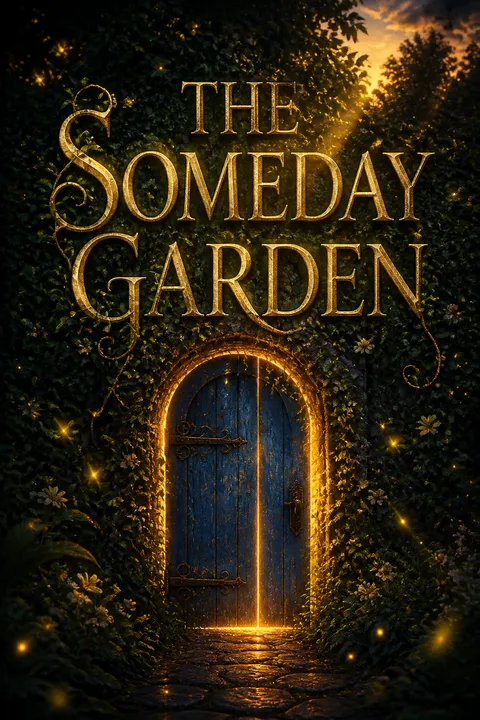
Eula, recovering from a fall, announces her impending retirement and the need to choose Lilymoor's next steward. The news unsettles the staff, especially as Eula's nephews—Oliver and the estranged, enigmatic Cyrus—loom as possible heirs. The garden itself seems to resist change, its paths shifting, its flowers blooming out of season. Sophie, tasked with revitalizing the grounds, discovers a mysterious blue door in the hedges—one that shouldn't exist. Behind it lies a hidden, unfinished garden, and a man asleep beneath a willow tree. The encounter is strange, charged with déjà vu and a sense of magic. Sophie's rational mind rebels, but Lilymoor's legends begin to feel less like stories and more like truths waiting to be unearthed.
The Door That Moves
The blue door appears and disappears, never in the same place twice. Each time Sophie enters, she finds the same man—Cyrus—trapped in a garden that exists out of time. For him, it is always the evening of the bicentennial; for Sophie, days and weeks pass. Their encounters are fraught with confusion, frustration, and a growing intimacy. Cyrus cannot leave, and Sophie cannot find the garden's true location in the waking world. As they work together to unravel the mystery, the garden itself responds—flowers bloom at their touch, and time bends around their meetings. The door becomes a threshold between grief and hope, past and future, and the possibility of love that transcends ordinary boundaries.
Ghosts and Golden Hour
Sophie's grief for Harriett is ever-present, coloring her days at Lilymoor. She hears her friend's voice in the wind, finds her words in a journal of untranslatable words, and consults a Magic 8 Ball containing Harriett's ashes for guidance. The garden becomes a place where memory and magic intertwine, where the ache of absence is both soothed and sharpened by beauty. Sophie's encounters with Cyrus in the secret garden force her to confront her own stuckness—her fear of moving on, of loving again, of letting herself change. The golden hour, when the door appears, becomes a liminal space where healing can begin, and where the dead are never entirely gone.
The Man in the Garden
As Sophie and Cyrus labor to finish the Someday Garden—Henry's last, unfinished project—they find themselves drawn together by shared wounds and tentative hope. Their relationship unfolds out of order: for Sophie, it is a reunion; for Cyrus, a first meeting. The garden, suspended in eternal sunset, becomes a crucible for transformation. Through planting, pruning, and confessions, they strip away old defenses and discover the possibility of loving—and being loved—again. Yet the threat of separation looms: if Sophie succeeds in freeing Cyrus, their time together may be erased. The garden demands both surrender and courage, and love becomes an act of faith in the face of uncertainty.
Letters Never Sent
Haunted by the fear of losing Cyrus as she lost Harriett, Sophie tries to prevent him from ever entering the garden—sending warnings, making plans, and wrestling with the paradox that saving him may mean never knowing him at all. Meanwhile, the living at Lilymoor struggle with their own regrets: Eula's grief for Henry, Oliver's estrangement from Cyrus, Juliette's heartbreaks, and the unspoken wounds that keep them apart. The estate is full of unfinished business—letters unsent, apologies unspoken, dreams deferred. The Someday Garden becomes a metaphor for all the things left undone, and the pain and beauty of longing for what might have been.
The Weight of Absence
As the bicentennial approaches, Sophie is forced to confront the limits of her power. She cannot bring Harriett back, cannot force Cyrus to stay, cannot guarantee happy endings for anyone at Lilymoor. Yet in the act of tending—to gardens, to friendships, to her own heart—she discovers that absence is not emptiness, but a space where new growth can take root. The garden teaches her that grief and love are companion plants, that to mourn is also to remember, and that letting go is not the same as forgetting. In the hush of the hedges, she hears Harriett's voice one last time, and finds the courage to move forward.
Magic, Memory, and Loss
The night of the bicentennial arrives, and with it, a storm. Sophie realizes that the secret garden is hidden in plain sight, walled off in the heart of Lilymoor, waiting to be found. With Eula's key, she breaks down the barrier and finds Cyrus, asleep and entwined in honeysuckle. Waking him is an act of love and liberation, and together they step into the present at last. The garden, once a place of longing and someday, becomes a space for now—a testament to the power of memory, the necessity of change, and the magic that endures in the act of tending what we love.
The Someday Garden
With the Someday Garden restored, Lilymoor enters a new season. Eula retires, passing the stewardship to Oliver and Cyrus, who reconcile at last. Sophie chooses to stay, finding in Lilymoor not just a job, but a home—a place where she can honor Harriett's memory by living fully, loving deeply, and letting herself change. The garden, once a symbol of deferred dreams, becomes a living promise: that love, like flowers, returns with each new season, and that the act of tending—plants, people, memories—is itself a kind of magic. In the golden hour, Sophie and Cyrus walk the paths together, no longer trapped by the past, but rooted in the present, and open to all the somedays yet to come.
Time Out of Order
Sophie and Cyrus's relationship is marked by time's strange loops: for her, every meeting is a continuation; for him, a beginning. Their love story unfolds out of sequence, echoing the way grief and healing refuse to follow a straight line. The garden's magic is both blessing and curse, offering a space outside of time where wounds can be tended, but also threatening to trap them in endless longing. As they work to finish the garden, they learn that the only way forward is through—by facing the pain, risking the loss, and choosing each other, again and again, in the present.
Healing in the Hedges
The community at Lilymoor—Eula, Oliver, Juliette, Wykofski—rallies around Sophie as she finds her place among them. Old wounds are aired, apologies made, and new bonds forged. The act of gardening becomes a metaphor for healing: pulling up weeds, making space for new growth, and trusting that what is planted in love will bloom in its own time. Sophie learns to let others in, to accept help, and to offer it in return. The garden, once a place of solitude, becomes a gathering ground for joy, laughter, and the messy, beautiful work of living.
Love in Liminal Spaces
As summer wanes, Sophie and Cyrus face the choice that all lovers must: to risk the pain of loss for the chance at joy. The garden, now in full bloom, is a testament to their labor and their love—a space where the past is honored, the present savored, and the future welcomed with open arms. They choose each other, not in spite of uncertainty, but because of it, trusting that love is not a promise of forever, but a commitment to tend, day by day, season by season. In the golden hour, they find not just each other, but themselves—changed, growing, and alive.
Breaking Down Walls
The final barrier falls as Sophie breaks through the wall hiding the Someday Garden, freeing Cyrus and herself from the spell of longing. The act is both literal and symbolic: to love is to risk, to break down the walls we build around our hearts, to let ourselves be seen and known. The garden, once a place of someday, becomes a space for now—a living testament to the power of hope, the necessity of change, and the beauty of beginnings. Sophie and Cyrus step into the present, hand in hand, ready to make a life together in the house on the cliffs.
All Paths Lead Home
With the bicentennial behind them, Lilymoor enters a new era. Eula passes the stewardship to Oliver and Cyrus, who reconcile and choose to share the responsibility. Sophie, offered the chance to stay, chooses Lilymoor as her home—not because it is perfect, but because it is hers. The garden, once a place of longing, becomes a space of belonging, where love and grief, memory and hope, are companion plants. In the act of tending, Sophie finds not just healing, but joy—a life that is good, not in spite of its losses, but because of them.
The Present, At Last
Sophie and Cyrus, no longer trapped by the past or paralyzed by the future, choose each other in the present. Their love is not a cure for grief, but a companion to it—a reminder that to live is to risk, to love is to lose, and to hope is to begin again. The garden, ever-changing, becomes a metaphor for their life together: sometimes wild, sometimes orderly, always growing. In the golden hour, they walk the paths hand in hand, grateful for the somedays that brought them here, and the todays they get to share.
A Good Life, Someday
Years pass, and Lilymoor continues to bloom—its gardens tended, its stories told, its magic alive in the lives of those who love it. Sophie and Cyrus grow old together, their love deepening with each season. The house on the cliffs becomes a place of pilgrimage for new generations, drawn by the promise of beauty, belonging, and the hope that someday, all paths will lead them home. The Someday Garden, once a space of longing, is now a living testament to the power of tending, the courage to begin, and the grace of loving what will not last. In the end, it is not magic that saves them, but the simple, stubborn act of hope.
Analysis
Ashley Poston's The Someday Garden is a luminous meditation on grief, love, and the courage to begin again. Through the intertwined stories of Sophie, Cyrus, and the community at Lilymoor, the novel explores how we are shaped by loss—not as a wound to be healed, but as fertile ground for new growth. The magical realism of the shifting garden and the out-of-order love story externalize the nonlinear nature of healing, while the language of flowers and untranslatable words offer a vocabulary for feelings that defy easy expression. The book's central lesson is that hope is an act of tending: to gardens, to memories, to each other. We cannot control what we lose, but we can choose to keep loving, to keep planting, to keep returning. In the end, The Someday Garden is a celebration of the ordinary magic found in persistence, in community, and in the willingness to risk joy even when it cannot last. It is a story for anyone who has ever felt stuck, and a gentle reminder that all paths, if tended with care, can lead us home.
Review Summary
Reviews for The Someday Garden are largely positive, averaging 4.05 out of 5. Readers consistently praise Ashley Poston's seamless blend of magical realism and emotional depth, particularly her tender portrayal of grief following the loss of a best friend. The enchanting Lilymoor setting, whimsical secret garden, and relatable protagonist Sophie Drear resonate strongly. Common criticisms include slow pacing, underdeveloped romance, and insufficient explanation of the magical elements. Many readers call it among Poston's best work, frequently comparing it favorably to The Seven Year Slip and The Dead Romantics.
Characters
Sophie Drear
Sophie is a thirty-something horticulturist whose life has been shaped by loss, longing, and a deep connection to the natural world. Her friendship with Harriett is the emotional core of her story, and Harriett's death leaves Sophie adrift, clinging to the promise they made to return to Lilymoor. Sophie's grief is both anchor and obstacle, making her wary of new attachments and afraid to move forward. Yet her love for gardens—and her stubborn refusal to give up—propel her into the heart of Lilymoor's mysteries. Through her encounters with Cyrus and the act of tending the Someday Garden, Sophie learns to let go, to risk loving again, and to find home not in a place, but in the act of belonging. Her journey is one of healing, courage, and the slow, patient work of hope.
Cyrus Beck
Cyrus is Eula's nephew, a successful but emotionally distant lawyer whose life has been defined by guilt and self-imposed exile. Haunted by a fire he believes was his fault, Cyrus has stayed away from Lilymoor for years, burying himself in work and refusing to confront his past. Trapped in the magical Someday Garden, he is forced to reckon with his wounds, his longing for connection, and his capacity for love. His relationship with Sophie unfolds out of order, challenging his need for control and certainty. Through her, he rediscovers the joy of tending, the possibility of forgiveness, and the courage to choose a different future. Cyrus's arc is one of redemption, vulnerability, and the slow, painful process of coming home to himself.
Harriett Fisher
Harriett is Sophie's soulmate in friendship—a collector of untranslatable words, a lover of stories, and the person who makes Sophie feel seen and understood. Her death is the wound at the heart of the novel, shaping Sophie's every choice and coloring her experience of Lilymoor. Yet Harriett's presence lingers—in memories, in journals, in the wind that whispers through the hedges. She is both absence and anchor, a reminder that love endures beyond loss, and that the act of remembering is itself a kind of magic. Harriett's legacy is the courage to hope, to promise, and to begin again.
Eula Beck
Eula is the formidable, eccentric owner of Lilymoor, a woman who has weathered loss, aging, and the slow decline of her beloved estate. Her love for Henry, her late husband, is the foundation of the garden's magic, and her determination to find a worthy successor drives much of the plot. Eula is both wise and stubborn, generous and exacting, a keeper of secrets and a maker of mischief. Her relationships with her nephews, her staff, and Sophie are marked by both tenderness and challenge. Eula's arc is one of letting go—of grief, of control, of the need to be indispensable—and trusting that what she has tended will continue to bloom.
Oliver Hale
Oliver is Eula's other nephew, an architect with a sunny disposition and a penchant for flirting. He is the foil to Cyrus's brooding, offering warmth, humor, and a willingness to engage with the messiness of life. Oliver's estrangement from Cyrus is rooted in old wounds and misunderstandings, but his desire for reconciliation is genuine. Through his friendship with Sophie and his eventual partnership with Cyrus, Oliver learns to forgive, to share responsibility, and to embrace the imperfect beauty of family. He is both comic relief and emotional ballast, a reminder that healing is possible, and that joy is worth pursuing.
Juliette
Juliette is Lilymoor's events coordinator, a woman who keeps the estate running with lists, clipboards, and sheer force of will. Beneath her competence lies a deep vulnerability—a history of heartbreak, a longing for connection, and a fear of being left behind. Juliette's friendship with Sophie is a source of comfort and growth for both women, offering a model of support, honesty, and the courage to try again. Her budding romance with Oliver is sweet, awkward, and full of hope, mirroring the novel's themes of second chances and the beauty of imperfection.
Wykofski
Wykofski is the estate's bricoleur—a jack-of-all-trades who fixes, builds, and tends with equal parts skill and humor. His easygoing nature and penchant for giving nicknames make him a beloved presence at Lilymoor. Wykofski is a source of wisdom and comfort, offering lemonade, music, and a listening ear to those in need. His own story is one of quiet resilience, having come to Lilymoor after his mother's death and found a home among its gardens. Wykofski embodies the novel's ethos: that healing is found in community, in laughter, and in the willingness to keep trying.
The Goose (Damnit)
Damnit, the resident goose, is both menace and mascot—a creature who refuses to be tamed, who chases and is chased, who outlives expectations and disrupts order. She is a symbol of the garden's wildness, its refusal to be entirely domesticated, and the persistence of life in the face of adversity. Damnit's antics provide comic relief, but also serve as a reminder that not everything can be controlled, and that sometimes, survival is its own kind of magic.
Yafir
Yafir is Lilymoor's accountant, a man of numbers and anxieties who keeps the estate's finances afloat. His presence is steadying, if sometimes fretful, and his devotion to his family and colleagues is unwavering. Yafir's story is one of quiet endurance, of doing what needs to be done, and of finding meaning in the small, necessary acts of care that keep a community running.
Henry Beck
Though dead before the novel begins, Henry's influence permeates every corner of Lilymoor. His vision, his love for Eula, and his unfinished dreams are the soil in which the story grows. The Someday Garden is his final, incomplete gift—a space of hope, longing, and the promise of return. Henry's legacy is not just in the flowers he planted, but in the lives he touched, the stories he inspired, and the magic he left behind.
Plot Devices
Nonlinear Time and Magical Realism
The novel's central device is the Someday Garden itself—a magical space where time is out of joint, and where love and grief can be tended outside the ordinary flow of days. The blue door that moves, the garden that exists only at golden hour, and the relationship that unfolds out of order all serve to externalize the characters' emotional states. Grief, longing, and healing are not linear processes, and the novel's structure mirrors this truth. Foreshadowing is woven through legends, dreams, and the language of flowers, while the act of gardening becomes both metaphor and mechanism for transformation. The narrative's cyclical structure—beginning and ending with the house on the cliffs—reinforces the themes of return, renewal, and the enduring power of hope.
About the Author
Other books by Ashley Poston






Download PDF
Download EPUB
.epub digital book format is ideal for reading ebooks on phones, tablets, and e-readers.








































