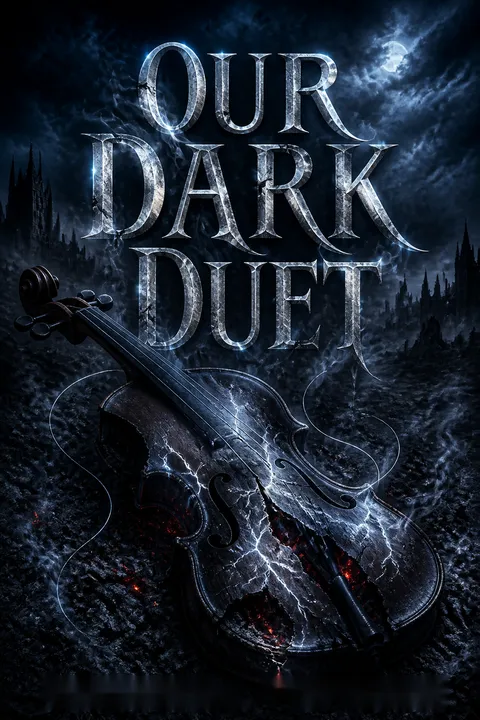

Plot Summary
Monsters in the Shadows
In a world where violence breeds literal monsters, Kate Harker and August Flynn are shaped by their city, Verity, and its darkness. Kate, a fierce monster hunter, and August, a Sunai who feeds on the souls of sinners, are both haunted by their pasts and the monsters—both human and otherwise—that stalk their world. As the city teeters on the edge of chaos, new threats emerge: a shadowy, formless monster that feeds on violence itself, and the ever-present danger of the Malchai and Corsai. Both Kate and August are forced to confront not only the monsters outside, but the ones within themselves, as they struggle to protect what remains of their humanity.
Hunters and Hackers Unite
After fleeing Verity, Kate builds a new life in Prosperity, hunting monsters with the help of a group of young hackers called the Wardens. She is driven by guilt and a need for redemption, but also by a relentless urge to fight. The Wardens, though not fighters themselves, provide her with information and a sense of belonging she's never known. Yet, Kate remains an outsider, haunted by her past and the knowledge that her actions have consequences far beyond her own life. Meanwhile, August leads the Flynn Task Force in Verity, screening refugees and fighting to hold the city together, even as he struggles with the burden of his monstrous nature.
The Weight of Souls
August, now a leader among the FTF, is tasked with reaping the souls of sinners to keep the city safe. Each soul he takes weighs on him, blurring the line between monster and human. He is haunted by the memory of killing his brother Leo, and by the fear that he is losing his own humanity. The Sunai's music brings sinners' souls to the surface, and August is forced to confront the pain and emptiness that comes with his role. The city's divisions deepen, and August's struggle becomes a metaphor for the cost of violence and the price of survival.
City Divided, Hearts Torn
The city of Verity is split between North and South, with the Seam as a literal and symbolic divide. Sloan, a powerful Malchai, rules the North with brutality, while the FTF clings to hope in the South. The fragile peace is shattered as monsters and humans alike are drawn into a cycle of violence and revenge. Kate, sensing a new kind of monster in Prosperity, is pulled back toward Verity by visions and a growing sense of dread. August, meanwhile, is forced to make impossible choices as the city's defenders are stretched to their limits, and the cost of leadership becomes painfully clear.
The Virus of Violence
A formless, shadowy monster—later called the Chaos Eater—emerges, feeding on violence and turning humans into killers. Kate is infected after a close encounter, leaving her with a silver crack in her eye and a psychic link to the creature. The infection spreads like a virus, causing outbreaks of senseless violence and murder-suicides. Kate's struggle to resist the monster's influence becomes a battle for her own soul, while August and the FTF race to understand and contain the threat. The city's divisions and old wounds make unity—and survival—ever more difficult.
Sins and Sinners
As the Chaos Eater's influence grows, the lines between sinner and innocent blur. August and Soro, the new Sunai, debate the nature of justice and mercy, while Kate is forced to confront the consequences of her own actions—especially the creation of Alice, a Malchai born from her first kill. The FTF is torn by internal strife, and the city's defenders must reckon with the reality that everyone carries darkness within them. The question of who deserves to pay—and who gets to decide—becomes central, as the city spirals toward catastrophe.
The Monster Within
Kate's infection deepens, and she is haunted by visions and violent urges. She returns to Verity, determined to hunt the Chaos Eater and face her own shadow. Her reunion with August is fraught with pain and longing, as both struggle with who they have become. Kate's connection to the monster gives her insight into its movements, but also threatens to consume her. The battle becomes as much internal as external, as Kate and August fight to hold on to their humanity in a world that demands monstrosity.
Siege and Sacrifice
Sloan and Alice set a trap, luring the FTF into a siege on the tower while the real threat—the Chaos Eater—is unleashed inside the Compound. Henry Flynn is captured and used as bait, forcing the FTF to mobilize for a desperate rescue. The city descends into chaos as the monster's influence spreads, turning defenders into killers and friends into enemies. Sacrifices are made on all sides, and the cost of survival becomes unbearably high. August and Kate are forced to choose between saving the city and saving each other.
The Trap is Sprung
The FTF's assault on the tower is revealed to be a diversion, as Sloan unleashes the Chaos Eater within the Compound. The monster, now nearly corporeal, feeds on the violence and suffering of the trapped civilians and soldiers. Kate faces Alice in a brutal, personal battle, while August and the Sunai struggle to contain the chaos. The true nature of the monster is revealed: it is not just a creature, but a force born of the city's collective pain and rage. The trap closes, and the cost of victory becomes clear.
Chaos Unleashed
The Chaos Eater, now fully formed, threatens to destroy everything. August and Ilsa, the first Sunai, confront the monster in a final, desperate stand. Ilsa sacrifices herself to contain the Chaos Eater, shattering her own soul to save the city. Kate, mortally wounded in her battle with Alice, faces her own end with courage and defiance. The city is left scarred and broken, but the immediate threat is ended. The survivors are left to pick up the pieces and reckon with the consequences of their choices.
The Final Duet
In the aftermath of the battle, August mourns the loss of Ilsa and Kate, struggling to find meaning in the pain. The city is forever changed, its divisions laid bare and its future uncertain. Yet, in the ashes, there is a glimmer of hope: the possibility of healing, of forgiveness, and of building something new. August's music becomes a symbol of both mourning and resilience, a final duet for the lost and the living. The survivors must learn to live with their scars, and to find hope in the ruins.
Ashes and Aftermath
The city gathers to mourn its dead, and the survivors are left to rebuild. August, now marked by loss and experience, takes up the mantle of leadership, determined to honor the sacrifices of those who came before. The FTF is forever changed, but the spirit of resistance endures. The lines between monster and human are blurred, and the city's future is uncertain. Yet, in the aftermath, there is a sense of possibility—a chance to break the cycle of violence and build something better.
Hope in the Ruins
In the end, the story is one of survival, of the enduring power of hope in the face of darkness. August, Soro, and the remaining Sunai stand together, ready to face whatever comes next. The city is scarred but not defeated, and the possibility of redemption remains. The lesson is clear: monsters are not born, but made—and so are heroes. In the ruins of Verity, hope flickers, fragile but real, a promise that even in the darkest times, there is a way forward.
Analysis
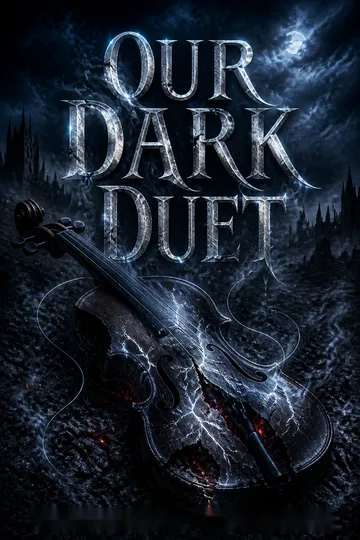
Victoria Schwab's Our Dark Duet is a powerful meditation on the nature of monstrosity, violence, and redemption. Through its dual protagonists, the novel explores the psychological toll of living in a world where violence is both cause and effect, and where the line between hero and monster is perilously thin. The Chaos Eater, as a metaphor for collective trauma and rage, forces characters and readers alike to confront uncomfortable truths about the consequences of unchecked anger and the seductive allure of power. The novel's structure—alternating between Kate's and August's perspectives, and culminating in a siege that demands sacrifice from all—underscores the idea that survival is not enough; what matters is how one chooses to live, and what one is willing to give up for others. In the end, Our Dark Duet offers a hard-won hope: that even in the ruins, even after unimaginable loss, there is a way forward. The scars remain, but so does the possibility of healing, forgiveness, and change. The story's ultimate lesson is that monsters are made, not born—and so are heroes.
Review Summary
Our Dark Duet received mostly positive reviews, with readers praising Schwab's writing and character development. Many found it darker and more intense than the first book, with a devastating ending that left them emotionally wrecked. Some readers felt the pacing was slow at times, and a few were disappointed with certain plot elements. Overall, fans appreciated the complex themes explored and the satisfying conclusion to the duology, though some wished for more worldbuilding and backstory for new characters and monsters.
People Also Read
Characters
Kate Harker
Kate is the daughter of Verity's former ruler, Callum Harker, and is both shaped and scarred by her violent upbringing. Driven by guilt, anger, and a desperate need for redemption, she becomes a monster hunter in exile, only to be drawn back to Verity by a new, formless threat. Kate's psychological journey is one of self-confrontation: she must face not only the monsters outside, but the darkness within herself—especially after being infected by the Chaos Eater. Her relationship with August is complex, marked by longing, regret, and a shared sense of otherness. Kate's greatest fear is becoming the very thing she hunts, and her ultimate act of sacrifice is both a victory and a tragedy, as she chooses to face her shadow—Alice—and the monster's influence, even at the cost of her own life.
August Flynn
August is a Sunai, a rare monster who feeds on the souls of sinners through music. Adopted by the Flynn family, he is torn between his monstrous nature and his longing to be human. As the city's defenders look to him for leadership, August is forced to confront the cost of violence and the weight of every soul he takes. His psychological arc is one of self-acceptance: he must learn to balance compassion with necessity, and to find meaning in pain and loss. August's relationship with Kate is a source of both strength and vulnerability, and his grief over the deaths of Leo, Ilsa, and Kate shapes his evolution. By the end, August emerges as a leader, marked by scars but also by hope, determined to honor the sacrifices of those he loved.
Sloan
Sloan is a Malchai born from Callum Harker's most monstrous act, and he rules North City with cruelty and cunning. He is both a literal and symbolic shadow of Kate's father, obsessed with power and control. Sloan's psychological makeup is defined by predation, manipulation, and a deep-seated need to dominate. He views humans and lesser monsters as tools or prey, and his rivalry with the FTF is both personal and political. Sloan's relationship with Alice is twisted, marked by mutual dependence and competition. Ultimately, Sloan's downfall comes from his inability to understand the power of sacrifice and hope, and he is destroyed by the very forces he sought to control.
Alice
Alice is a Malchai created from Kate's first kill, and she embodies everything Kate fears about herself: violence, ruthlessness, and a lack of remorse. Alice is obsessed with Kate, seeing her as both creator and rival, and their relationship is a dark mirror of self-confrontation. Psychologically, Alice represents the part of Kate that is capable of monstrous acts, and their final battle is as much internal as external. Alice's existence forces Kate to reckon with the consequences of her actions, and her defeat is both a personal and symbolic victory over the darkness within.
Ilsa Flynn
Ilsa is the first Sunai, marked by both immense power and deep vulnerability. She is August's sister and emotional anchor, embodying compassion and innocence in a world of violence. After losing her voice to Sloan, Ilsa communicates through music and gesture, serving as a reminder of what is at stake. Her psychological arc is one of sacrifice: she ultimately gives her life to contain the Chaos Eater, shattering her own soul to save the city. Ilsa's death is a profound loss for August and the FTF, but her legacy endures as a symbol of hope and selflessness.
Soro
Soro is the newest Sunai, defined by a strict sense of justice and a lack of sentimentality. They see the world in black and white, and their role is to judge and punish sinners without mercy. Soro's relationship with August is tense, as they challenge his compassion and question his leadership. Psychologically, Soro represents the dangers of absolutism and the need for balance between justice and mercy. Over time, Soro is forced to confront the complexity of human nature and the limits of their own worldview.
Henry Flynn
Henry is the head of the FTF and August's adoptive father. He is marked by wisdom, compassion, and a deep sense of responsibility, but also by illness and exhaustion. Henry's psychological journey is one of letting go: he must accept his own mortality and trust the next generation to carry on the fight. His capture and use as bait by Sloan is a turning point, galvanizing the FTF and forcing the city to unite. Henry's legacy is one of sacrifice and hope, and his influence endures even after his death.
Emily Flynn
Emily is Henry's wife and a leader in her own right. She is practical, strong, and fiercely protective of her family and the FTF. Emily's psychological role is that of the survivor: she endures loss and hardship with resilience, and her presence provides stability in times of crisis. Her relationship with August and Ilsa is maternal, and she serves as a bridge between the old and new generations of the city's defenders.
The Chaos Eater
The Chaos Eater is a new kind of monster, born not from a single act but from the city's accumulated pain and rage. It is formless, feeding on violence and turning humans into killers. Psychologically, the Chaos Eater represents the dangers of unchecked anger, trauma, and the cycle of violence. Its infection of Kate is both literal and symbolic, forcing her to confront the darkness within herself. The monster's defeat requires sacrifice and unity, and its existence challenges the city to reckon with its own sins.
Colin Stevenson
Colin is a young FTF cadet who represents the possibility of change and the hope for a better future. He is earnest, kind, and determined to make a difference, even in the face of overwhelming odds. Colin's psychological role is that of the everyman: he is not a hero or a monster, but an ordinary person trying to do what is right. His survival and continued hope serve as a reminder that the city's future depends on the choices of its people.
Plot Devices
Dual Protagonists and Mirrored Journeys
The novel employs a dual narrative structure, alternating between Kate and August as they navigate their respective battles with inner and outer monsters. Their journeys mirror each other: both are haunted by guilt, both struggle with the temptation to become what they fear, and both are forced to make sacrifices for the greater good. This structure allows for deep psychological exploration and highlights the theme that heroism and monstrosity are choices, not destinies.
The Monster as Metaphor
The Chaos Eater is both a literal and symbolic monster, representing the way violence and trauma can infect individuals and communities. Its ability to turn humans into killers blurs the line between monster and victim, forcing characters to confront the darkness within themselves. The creation of Alice as Kate's shadow is another example of the monster-as-metaphor, embodying guilt, self-loathing, and the fear of becoming what one hates.
Foreshadowing and Recurring Motifs
The novel uses foreshadowing and recurring motifs—such as mirrors, music, and physical scars—to reinforce its themes. Mirrors symbolize self-confrontation and the danger of losing oneself to darkness. Music, especially the Sunai's songs, represents both destruction and healing, and serves as a tool for judgment and mercy. Scars, both physical and emotional, are reminders of the past and the cost of survival.
Siege Narrative and Ticking Clock
The plot is structured around a siege, with the FTF and the city's defenders forced into a desperate stand against overwhelming odds. The use of a ticking clock—most notably the countdown on Henry Flynn's collar—heightens the tension and drives the narrative toward its climax. The siege structure also allows for exploration of leadership, sacrifice, and the ways in which crisis reveals true character.
Sacrifice and Redemption
Sacrifice is a central plot device, with multiple characters—most notably Ilsa and Kate—giving their lives to save others. These acts of selflessness are contrasted with the selfishness and cruelty of the monsters, highlighting the possibility of redemption even in the darkest times. The novel suggests that hope is not naive, but hard-won, and that true change requires both courage and loss.
Monsters of Verity Series
About the Author
Download PDF
Download EPUB
.epub digital book format is ideal for reading ebooks on phones, tablets, and e-readers.








































