
Plot Summary
Shadows Before Dawn
In the predawn gloom of the Capital, Karson and his fellow rebels prepare to assassinate the false Emperor, Calder Marten. Their hatred is fueled by loss and the festering wound of the Empire's collapse. The assassination attempt is desperate and doomed, but it reveals the deep fractures in the Empire and the growing influence of the Great Elders. Calder, armored and enigmatic, survives the attack, exposing the manipulation of human minds by ancient, inhuman forces. The city's unrest is a harbinger of greater threats, as the sky itself bears a crack—a sign that the world is on the brink of catastrophe, and that the struggle for power is no longer just human.
Coronation and Conspiracies
Calder's coronation as Imperial Steward is a hollow spectacle, orchestrated by the Guilds to maintain order. He is a figurehead, watched over by the calculating Bliss and the formidable General Teach. The Guild Heads—Navigators, Champions, Blackwatch—debate the future, torn between unity and self-interest. Calder's authority is undermined at every turn, even as he tries to reconcile with his imprisoned wife, Jerri, whose secrets and ties to the Sleepless cult threaten everything. The crack in the sky looms, a constant reminder that the Empire's problems are not just political, but existential. Calder's struggle to lead is shadowed by betrayals, doubts, and the ever-present influence of the Elders.
Fractured Alliances
The Empire's Guilds are riven by suspicion and ambition. Peace negotiations with the Independents are fraught, as old wounds and new threats surface. Calder's attempts to unify the Guilds are met with skepticism, especially as the Regents—ancient, powerful Soulbound—loom over every decision. The Consultants, led by the enigmatic Shera, are both potential allies and deadly foes. Calder's personal relationships—his crew, his estranged wife, his own sense of self—mirror the larger fractures in the Empire. The threat of the Elders grows, and the Guilds' inability to trust one another may doom them all.
The Emperor's Crown Lost
The Emperor's crown, symbol of authority, is lost at sea, setting off a desperate race among Guilds, cultists, and Elderspawn. Calder and his crew brave a predatory island, Elderspawn, and treachery to recover it. The journey is perilous, marked by sacrifice and the ever-present manipulation of the Great Elders. The crown's recovery is bittersweet—its power is overwhelming, its history tainted, and its possession brings as much danger as hope. Calder's victory is shadowed by the realization that the Elders' plans run deeper than any human scheme, and that every triumph may be part of a larger, inhuman design.
Peace Talks and Betrayals
The long-awaited peace talks between the Imperialists and Independents are a powder keg. Old grudges flare, and the presence of the Regents—especially the terrifying Estyr Six—turns diplomacy into a battlefield. Calder's connection to the Elders is exposed, leading to chaos and bloodshed. The fragile alliance shatters as violence erupts, and the true scale of the Elders' influence becomes clear. Calder's authority is tested to its limits, and the Empire teeters on the edge of civil war, even as the real enemy gathers strength above.
The Crack in the Sky
The crack in the sky widens, a wound in reality that heralds the return of the Great Elders. Calder's attempts to use the Emperor's relics and the Optasia—a device amplifying Reading—bring him face-to-face with cosmic truths and the Outsider, Ozriel. The world is revealed as a prison for the Elders, and humanity's survival depends on preventing their escape. The Guilds' squabbles are rendered meaningless in the face of annihilation. Calder's mind is battered by visions and the weight of Intent, and he realizes that the only hope lies in unity, sacrifice, and confronting the Elders on their own terms.
The Price of Power
Calder is gravely wounded, and only a desperate, alchemical gamble—infusing him with the strength of a Champion—saves his life. The cost is high: his body is forever changed, and his friends risk everything to keep him alive. The Empire's leaders are hunted, assassinated, or transformed. Loyalties are tested, and the line between human and monster blurs. Calder's struggle to retain his identity mirrors the Empire's fight to remain itself in the face of Elder corruption. Every gain is paid for in blood, and the true price of power becomes clear.
The Gathering Storm
As the Great Elders stir, the Empire's survivors gather for a final stand. The Regents, Guild Heads, and Calder's crew unite, setting aside old enmities. The world is battered by storms, both literal and metaphysical, as the Elders' influence warps reality. Calder's connection to the Emperor's Intent grows, and he is forced to confront his own arrogance and the legacy of those who came before. The stage is set for a confrontation that will decide the fate of humanity, as the last defenders of the Empire prepare to face the unimaginable.
The Last Stand Begins
The Empire's fleet sails to meet Kelarac, the Soul Collector, and his army of Elderspawn and cultists. The Regents wield ancient weapons, and the Navigators, Champions, and Blackwatch fight with everything they have. Calder's ship, The Testament, becomes the focal point of the battle, as he and his friends face wave after wave of monsters. The Consultants' betrayal, the loss of allies, and the overwhelming power of the Elders push the defenders to the brink. The sky cracks further, and the end seems inevitable.
The Emperor's Choice
Calder is forced to choose: surrender to Kelarac and save the world, or resist and risk annihilation. In a dreamlike confrontation, Kelarac offers him everything he ever wanted—power, legacy, a golden age. Calder refuses, choosing instead to fight to his last breath. The Emperor's Intent merges with his own, and together they make a final stand. The cost is the loss of self, the acceptance of mortality, and the willingness to be forgotten for the sake of others. Calder's choice echoes through the Empire, shaping its fate.
The End of the World
The Great Elders break free, and the sky shatters. Urg'naut, the Creeping Shadow, erases swathes of the world. The Regents and Guilds fight desperately, but the scale of the threat is beyond comprehension. Calder, wielding the combined Intent of himself and the Emperor, uses the Optasia to sever the Elders' hold on reality. The battle is apocalyptic, and the cost is immense. Friends are lost, sacrifices are made, and the world is forever changed. The end is both a cataclysm and a new beginning.
The Battle for Existence
As the last defenders of humanity gather, the true nature of the struggle is revealed: not just survival, but the right to exist in a universe that is indifferent or hostile. Calder, Shera, the Regents, and the remnants of the Guilds face the Elders in a battle that is as much spiritual as physical. The lines between enemy and ally blur, and the only hope lies in trust, courage, and the willingness to sacrifice everything. The outcome is uncertain, but the fight itself becomes an act of defiance against oblivion.
Sacrifice and Survival
The battle ends with the defeat of the Elders, but at a terrible cost. Calder's identity is shattered, his friends are scattered, and the Empire is no more. The survivors mourn their dead and reckon with the trauma of what they have endured. Yet, in the ashes, there is the promise of renewal. The world is free from the Elders' prison, and the possibility of a new order—one built on cooperation, humility, and hard-won wisdom—emerges. The story ends not with triumph, but with the quiet resilience of those who remain.
The Fall of Kings
The Aurelian Empire dissolves, replaced by a fragile alliance. The Regents fade, the Guilds are humbled, and the age of kings and killers ends. Calder's fate is uncertain—lost in a coma, his mind adrift between worlds. His friends move on, carrying the scars and lessons of their ordeal. The world is changed, but not destroyed. The legacy of the Empire, and of those who fought to save it, lives on in memory, myth, and the hope of a better future.
The New Dawn
In the aftermath, the survivors rebuild. The horrors of the Elder War are not forgotten, but they are not allowed to define the future. New leaders emerge, old wounds begin to heal, and the world looks to the horizon with cautious optimism. Calder's story ends with a whisper of awakening—a promise that even in the darkest night, the dawn will come. The cycle of kings and killers is broken, and the possibility of peace, though fragile, is real.
Analysis
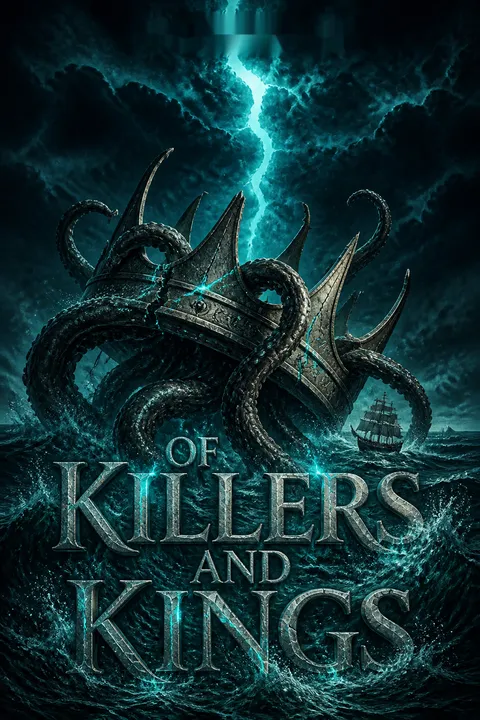
Of Killers and Kings is a sweeping, emotionally charged conclusion to Will Wight's Elder Empire saga, blending epic fantasy with cosmic horror and deep psychological insight. At its core, the novel is a meditation on power—how it is gained, wielded, and, most importantly, relinquished. Calder's journey from reluctant figurehead to self-sacrificing leader mirrors the Empire's own struggle to move beyond the tyranny of the past and embrace a future built on humility, cooperation, and hard-won wisdom. The story's magic system, rooted in Intent, serves as both a metaphor and a mechanism for exploring the consequences of will—how our desires shape the world, for better or worse. The Great Elders, embodiments of temptation, destruction, and transformation, are not just external threats but reflections of the characters' own fears and ambitions. The novel's resolution is bittersweet: victory comes at a terrible cost, and the world that emerges is forever changed. Yet, in the ashes of empire and the aftermath of apocalypse, there is hope—a fragile, persistent belief that even in the darkest night, the dawn will come. The lesson is clear: true leadership is not about domination, but about service, sacrifice, and the courage to change.
People Also Read
Characters
Calder Marten
Calder is the Imperial Steward, thrust into power by circumstance and the machinations of others. He is intelligent, resourceful, and deeply conflicted—torn between his desire to do good and his fear of becoming like the Emperor he despises. His relationships—with his estranged wife Jerri, his loyal crew, and the Guilds—are fraught with betrayal, loss, and longing. Calder's journey is one of self-discovery, as he confronts the limits of his power, the cost of leadership, and the meaning of sacrifice. His struggle to retain his identity in the face of overwhelming Intent mirrors the Empire's fight for survival. In the end, Calder's greatest strength is his refusal to give up, even when all seems lost.
Jerri (Jyrine Tessella)
Jerri is Calder's wife and a member of the Sleepless, a cult that seeks to bargain with the Elders for humanity's benefit. She is brilliant, passionate, and driven by a desire to make her sacrifices meaningful. Her relationship with Calder is a tangle of love, lies, and betrayal. Jerri's willingness to serve the Elders, even at the cost of her own humanity, makes her both a victim and an agent of tragedy. Her ultimate fate—becoming the vessel for Kelarac—embodies the dangers of seeking power at any cost, and the heartbreak of losing oneself in the pursuit of a greater good.
Shera
Shera is the Head of the Consultants and a legendary Gardener—an assassin whose skills are matched only by her emotional detachment. She is haunted by her past, her failures, and the blood on her hands. Shera's journey is one of reluctant growth, as she is forced to confront the consequences of her actions and the possibility of redemption. Her alliance with Calder is uneasy, built on mutual respect and shared trauma. In the final battle, Shera's actions are pivotal, and her willingness to risk everything for the greater good marks her as one of the story's most complex and compelling figures.
Bliss
Bliss is the Head of the Blackwatch, a Soulbound with the power of Tharlos, the Formless Legion. She is both brilliant and unsettling, her mind shaped by alchemical experimentation and Elder influence. Bliss is driven by a desire to protect humanity from the Elders, even as she struggles with her own alienation. Her loyalty to Calder and her crew is unwavering, and her actions—often bizarre or terrifying—are always in service of a higher purpose. Bliss embodies the story's themes of transformation, sacrifice, and the blurred line between human and monster.
General Jarelys Teach
Teach is the Head of the Imperial Guard, a formidable fighter enhanced by Kameira grafts. She is stoic, disciplined, and fiercely loyal to the Empire. Teach's journey is one of transformation—both physical and psychological—as she is wounded, mutated, and ultimately reborn in the crucible of battle. Her willingness to sacrifice herself for Calder and the Empire is emblematic of the story's exploration of duty, loyalty, and the cost of survival. Teach's struggle to retain her humanity in the face of monstrous change mirrors the Empire's own fight against corruption.
Baldezar Kern
Kern is the Head of the Champion's Guild, a man of immense strength and quiet wisdom. He is a father, a leader, and a warrior who carries the weight of his Guild's decline. Kern's loyalty to Calder and the Empire is unwavering, and his sacrifice in the final battle is both heroic and heartbreaking. Kern embodies the virtues of courage, humility, and selflessness, and his death marks the end of an era. His legacy lives on in the memories of those he inspired.
Cheska Bennett
Cheska is the Head of the Navigator's Guild, a woman of wit, resourcefulness, and unflappable composure. She is a master of survival, navigating both the literal and metaphorical storms that threaten the Empire. Cheska's relationship with Calder is one of mutual respect and occasional rivalry. She is a voice of reason and a source of stability, even as the world falls apart. Cheska's pragmatism and adaptability are key to the Empire's survival, and her leadership is a model of resilience in the face of chaos.
Andel Petronus
Andel is Calder's quartermaster and a former Pilgrim of the Luminian Order. He is calm, competent, and deeply compassionate. Andel's journey is one of quiet heroism, as he risks everything to save Calder and his friends. His transformation into a Soulbound healer is both a sacrifice and a fulfillment of his potential. Andel's presence is a source of comfort and stability, and his actions—often unnoticed—are crucial to the survival of the crew and the Empire.
Petal
Petal is a gifted alchemist whose creativity and courage are matched only by her anxiety. She is the emotional core of Calder's crew, providing both practical solutions and moral support. Petal's inventions and alchemical prowess are vital in the fight against the Elders, and her loyalty to Calder is unwavering. Her journey is one of self-discovery and empowerment, as she learns to trust her own abilities and find her place in a world of giants.
Kelarac
Kelarac is the Soul Collector, a Great Elder whose power lies in bargains, manipulation, and the accumulation of Intent. He is ancient, cunning, and utterly inhuman, yet his fascination with humanity drives much of the story's conflict. Kelarac's relationship with Calder is complex—a mix of adversary, tempter, and dark mirror. His ultimate goal is freedom, but his methods are insidious, and his influence is felt in every corner of the Empire. Kelarac embodies the story's themes of temptation, the cost of power, and the danger of making deals with forces beyond comprehension.
Plot Devices
Intent and Reading
The central magic system of the story is built on the concept of Intent—the focused will of humans, invested into objects, places, and people. Readers can sense and manipulate this Intent, Awakening objects to greater power or using them to access memories and abilities. This system is both a source of strength and a vulnerability, as the Elders exploit human Intent to further their own ends. The struggle to control, resist, and understand Intent is at the heart of every conflict, and the story's resolution hinges on the ability to wield it wisely.
Soulbound and Vessels
Soulbound are individuals who have bonded with powerful objects—Vessels—infused with the essence of Elders or Kameira. These bonds grant extraordinary abilities, but also blur the line between human and inhuman. The process of Awakening a Vessel is fraught with risk, and the story explores the psychological and moral consequences of wielding such power. The Vessels themselves are characters, with their own desires and histories, and their influence shapes the destinies of their bearers.
The Crack in the Sky
The crack in the sky is both a literal and symbolic wound—a sign that the prison holding the Great Elders is failing. It serves as a constant reminder of the stakes, driving the characters to set aside their differences and confront the true enemy. The crack is a source of dread, a harbinger of the end, and a catalyst for unity. Its widening marks the escalation of the conflict, and its healing is the story's ultimate goal.
Narrative Structure and Perspective
The story unfolds through a mix of present-day action, flashbacks, and dreamlike visions. This structure allows for deep exploration of character motivations, the history of the Empire, and the nature of the Elders. The shifting perspectives—between Calder, Jerri, Shera, and others—create a tapestry of interconnected stories, each illuminating a different facet of the central conflict. The use of prophecy, foreshadowing, and unreliable narration adds layers of complexity and suspense.
Sacrifice and Transformation
Sacrifice is a recurring motif—personal, political, and existential. Characters are forced to give up power, identity, and even their lives for the greater good. Transformation—physical, psychological, and spiritual—is both a weapon and a danger. The story interrogates what it means to change, to lose oneself, and to become something new. The ultimate victory is not in defeating the Elders, but in the willingness to change for the sake of others.
The Elder Empire: Shadow Series


Download PDF
Download EPUB
.epub digital book format is ideal for reading ebooks on phones, tablets, and e-readers.








































