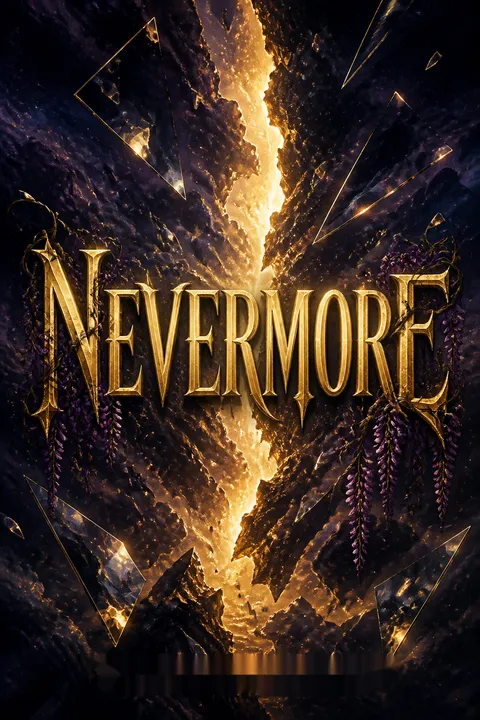

Plot Summary
Orphaned Hearts Collide
In the aftermath of loss, Paesha, a survivor of Requiem's streets, and a haunted man named Ezra (later Thorne), are drawn together by the shared ache of abandonment. When a traumatized child, Quill, enters their lives, both are forced to confront the wounds of their pasts. Paesha's fierce protectiveness for Quill mirrors the love she never received, while Ezra's struggle to remain distant is shattered by the child's need. Their connection is forged in the crucible of grief, loneliness, and the desperate hope for belonging, setting the stage for a story where found family becomes both salvation and vulnerability.
Death's Court Bargain
After Ezra's death, Paesha is consumed by grief and guilt, haunted by memories and the child she left behind. When she's given a chance to see Ezra again in Death's Court, she seizes it, only to find herself an outsider in the realm of the dead. Torn between the love she lost and the child who needs her, Paesha bargains with the god Reverius: she will pay any price to return and save Quill, whose rare magic threatens to unravel the world. The bargain is sealed—Paesha has seventy-five days to find her way back, or lose her memories and doom the realms.
Cast Into Wisteria
Thrust into the cold, gray city of Stirling in the realm of Wisteria, Paesha is stripped of her past and forced to survive by her wits. She navigates a society divided between the privileged Silk and the destitute Salt, using her skills as a thief and dancer to blend in. Guided by cryptic children and haunted by the loss of her memories, she seeks the Hollow—a place whispered to hold the key to her return. Every step is shadowed by danger, as masked Cimmerian guards enforce the prince's cruel laws and Paesha's own magic is both a blessing and a curse.
The Hollow's Secret
The Hollow, far from being a portal home, is a refuge for the Salt, run by a secretive group called the Fray. Here, Paesha finds unlikely allies: the gentle cook Jasper, the sharp-tongued Harlow, and the charming thief Archer. Together, they steal from the Silk to feed the hungry, risking the wrath of the prince and the gods. Paesha's longing for Quill deepens as she bonds with the children, and she realizes that saving the world may require saving this found family first. The Hollow becomes both haven and prison, as the true cost of her bargain looms.
Shackles and Shadows
Caught by the Cimmerians, Paesha endures brutal torture in the Maw, the city's underground prison. Her spirit is tested by pain, isolation, and the haunting song of a fellow prisoner, Atticus. The cruelty of the prince's regime is laid bare, and Paesha's resolve is nearly shattered. Yet, in the darkness, she finds unexpected strength and the will to fight for more than just herself. A daring rescue by the Fray brings her back to the surface, but the scars—physical and emotional—remain, fueling her determination to break the cycle of suffering.
The Fray's Hidden War
As Paesha recovers, she is drawn deeper into the Fray's world—a network of thieves, outcasts, and secret-keepers waging a quiet war against the prince's tyranny. She learns of the Lord of the Salt, a mysterious figure orchestrating resistance, and discovers that the Fray's leader, Thorne, is more than he seems. Loyalties are tested as Paesha's magic is revealed, and she must decide whether to trust these new allies with her secrets. The lines between friend and foe blur, and the stakes rise as the prince's hunt for magic users intensifies.
Masks and Masquerades
To protect herself and the Fray, Paesha assumes the role of Thorne's wife, navigating the treacherous world of Silk society. At lavish balls and the infamous Lithe festival, she dances a dangerous game of seduction and subterfuge, catching the eye of both the prince and the gods. The Goddess of Loss, Serene, marks her as a paramour, and the boundaries between desire and manipulation blur. Every mask hides a motive, and Paesha must use all her cunning to survive the prince's cruelty and the gods' meddling, even as her feelings for Thorne deepen.
The Goddess of Loss
The gods of Wisteria are not distant—they meddle, bargain, and punish. Serene, Vesalia (Goddess of Time), and Alastor (God of Lost Things) each lay claim to Paesha, offering riddles and threats in exchange for power, knowledge, or escape. Paesha's soul is marked by their touch, her path shaped by their whims. She learns that the gods feed on mortal emotion, and that her own ancestry ties her to their schemes. Every bargain comes with a price, and the gods' games threaten to consume her, body and soul.
The Prince's Cruelty
Prince Farris rules with an iron fist, using the Cimmerians to hunt magic and crush dissent. Public executions, torture, and the theft of magic become commonplace. The Fray's efforts to protect the Salt and rescue the king are met with escalating violence. Paesha witnesses the true extent of Farris's ambition—he is not just eradicating magic, but hoarding it, seeking to become a god himself. The city teeters on the brink of revolt, and Paesha's own power becomes both weapon and liability in the fight for freedom.
The Lord of the Salt
The search for the Lord of the Salt leads Paesha to shocking truths: Thorne is not only the Fray's leader, but also a god in disguise—Reverius, the Keeper of Memories, the very being who bound her to this quest. Every kindness, every touch, every promise was part of a larger game. The lines between love and manipulation blur, and Paesha is forced to confront the depth of her own feelings and the reality of her role as both Huntress and Hunted. The cost of trust is laid bare, and the true enemy is revealed.
Tangled Loyalties
As the Fray suffers devastating losses—Harlow's death, Archer's grief, Jasper's betrayal—Paesha's world unravels. The gods' bargains tighten around her, demanding the delivery of broken souls. Each name given to Alastor brings a vision of past lives, revealing the tragic cycle of love and betrayal between Paesha and Thorne/Ezra/Reverius. The pain of memory becomes a weapon, and Paesha must decide whether to cling to love or embrace vengeance. The path home is littered with sacrifice, and the price of freedom may be too high to pay.
The Parlor's Deceptions
The Parlor, Thorne's den of thieves and Silk pleasure, becomes the stage for Paesha's final tests. Here, she must outwit rivals, seduce secrets from enemies, and navigate the shifting allegiances of gods and mortals alike. The boundaries between performance and reality blur as Paesha and Thorne's relationship deepens, even as the truth of his identity threatens to destroy them both. Every game has a winner and a loser, and the stakes are nothing less than the fate of the realms.
The Huntress and the Hunted
With time running out, Paesha and Archer set out to kill the prince and reclaim the stolen magic. The act unleashes a torrent of power, threatening to consume Paesha and tear the veil between worlds. The gods close in, each seeking to claim her for their own ends. In a final act of defiance, Paesha refuses to be a pawn, unleashing the full force of her power and shattering the barrier between Wisteria and Requiem. The cost is immense, and the consequences will echo across worlds.
The Bargain's Price
As the gods demand payment, Paesha is forced to confront the truth of her past lives and the cycle of love and betrayal with Reverius. Each broken soul delivered to Alastor brings a vision of loss, sacrifice, and the inescapable pull between Huntress and Hunter. The final revelation—that Thorne is both lover and enemy, god and betrayer—shatters Paesha's heart and sets her on a path of vengeance. The price of freedom is the loss of self, and the end of the path is only the beginning of a new war.
The Veil Between Realms
The barrier between Wisteria and Requiem is revealed to be an illusion, a veil maintained by the gods to trap Paesha and feed on mortal suffering. With the prince dead and the magic reclaimed, Paesha tears down the wall, unleashing chaos and possibility. The gods scatter, the realms tremble, and Paesha stands at the threshold of home—changed, empowered, and utterly alone. The journey has cost her everything, and the future is uncertain.
Broken Souls, Broken Trust
The final betrayals are laid bare: Jasper's deception, Thorne's true identity, the gods' manipulations. Paesha's trust is shattered, her heart hardened by loss and the knowledge that she has been both pawn and weapon in a game she never chose. The power within her threatens to consume all, and she embraces the darkness, vowing never to be a victim again. The cycle of love and loss is broken, and a new, more dangerous Paesha is born.
The End of the Path
As the dust settles, Paesha stands at the crossroads of worlds, her power unleashed and her enemies scattered. The gods have lost their hold, but the scars remain. Archer, her last true ally, stands beside her as she faces the uncertain future. The promise of home is within reach, but the cost has been unimaginable. The story ends not with triumph, but with the birth of a new legend—a Huntress who will never again be hunted, and a world forever changed by her defiance.
Analysis
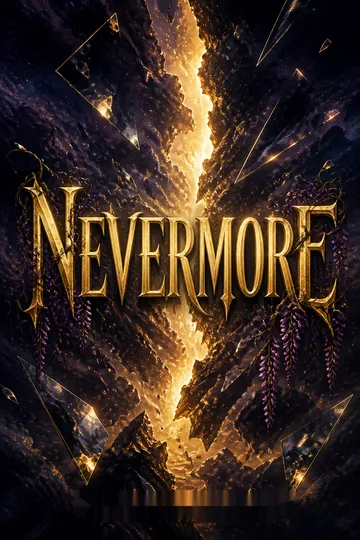
Nevermore is a dark, emotionally charged fantasy that interrogates the nature of love, memory, and agency in a world ruled by gods and tyrants
At its core, the novel is about the struggle to reclaim selfhood and agency in the face of overwhelming external control—be it from the gods, from trauma, or from the cycles of love and loss that define human existence. Paesha's journey is one of hard-won autonomy: she is repeatedly cast as victim, pawn, or savior, but ultimately reclaims her power by refusing to play the roles written for her. The story's use of reincarnation and memory loss is a powerful metaphor for the ways in which trauma and love shape identity, and for the difficulty of breaking free from destructive cycles. The gods, with their bargains and manipulations, represent the external forces—be they societal, familial, or psychological—that seek to define and limit us. The novel's refusal to offer easy answers or happy endings is a testament to its commitment to emotional truth: healing is possible, but it comes at a cost, and the scars remain. Nevermore is a story for anyone who has lost themselves in the dark, and fought to find their way back—not to who they were, but to who they choose to become.
Review Summary
Nevermore by Miranda Lyn receives high praise from readers, with an average rating of 4.37 out of 5. Reviewers commend the captivating world-building, complex characters, and intense slow-burn romance. The book features a strong female protagonist, Paesha, navigating a new realm after making a deal with gods. Readers appreciate the banter, found family elements, and unexpected plot twists. While some found the pacing inconsistent and world-building confusing, most eagerly anticipate the sequel, Evermore, to conclude Paesha's story.
People Also Read
Characters
Paesha (The Huntress)
Paesha is a woman forged in the fires of abandonment, loss, and betrayal. Orphaned young and raised on the streets of Requiem, she becomes a skilled thief and dancer, using her wits and magic to survive. Her fierce love for Quill, the child she adopts, becomes both her greatest strength and vulnerability. Paesha's journey is one of self-discovery, as she is forced to confront the wounds of her past, the manipulations of gods, and the cycle of love and loss with Thorne/Ezra/Reverius. Her power—to find what is lost—mirrors her own search for belonging and identity. Over the course of the story, she transforms from a victim of circumstance to a force of vengeance, breaking free from the roles others have written for her and embracing her own agency, even as it costs her everything.
Thorne Noctus / Ezra Prophet / Reverius
Thorne is a man of many faces: the brooding leader of the Fray, the tender lover, the haunted widower, and ultimately, the god Reverius, Keeper of Memories and the architect of Paesha's fate. His relationship with Paesha is a tangled web of love, manipulation, and regret, shaped by cycles of reincarnation and betrayal. As Ezra, he is the lost love Paesha mourns; as Thorne, he is her protector and partner; as Reverius, he is both her captor and her path home. His motivations are complex—driven by love, guilt, and the burden of godhood. Thorne's greatest flaw is his need for control, which leads him to make choices that hurt those he loves most. His arc is one of tragic inevitability, as he is both the key to Paesha's freedom and the source of her greatest pain.
Archer Bramwell
Archer is the heart of the Fray—a gambler, a rogue, and a man defined by his love for his twin sister, Harlow. His easy humor masks deep wounds: the loss of his parents, the burden of being a secret heir, and the trauma of Harlow's death. Archer's magic—healing—contrasts with the violence he is forced to commit. His arc is one of grief and resilience, as he is forced to let go of the past and find purpose in the present. Archer's loyalty to Paesha becomes a lifeline for them both, and his willingness to follow her into the unknown marks him as her truest ally.
Harlow Bramwell
Harlow is Archer's twin and the Fray's sharpest blade. Her loss of magic and the trauma of her past mark her as one of Alastor's broken souls. Harlow's relationship with Willard is fraught with power imbalances and unfulfilled longing, mirroring her own struggle for agency. Her death is a turning point, shattering Archer and propelling Paesha toward her final reckoning. Harlow's arc is one of sacrifice and sorrow, a reminder of the cost of rebellion and the fragility of hope.
Jasper Boon
Jasper is the heart of the Hollow, a one-armed cook who cares for the Salt with unwavering kindness. His apparent loyalty masks deeper secrets, as he is revealed to be a pawn in the gods' games. Jasper's arc is one of tragic inevitability—his desire to help leads to betrayal, and his suffering becomes a catalyst for Paesha's transformation. He embodies the story's themes of found family, sacrifice, and the dangers of misplaced trust.
Quill (The Fera)
Quill is the orphaned child at the center of Paesha's quest—a rare Fera whose magic can absorb and manipulate the emotions of others. Her innocence is both her shield and her curse, as she becomes the target of gods and mortals alike. Quill's bond with Paesha is the emotional core of the story, representing both hope and the threat of destruction. Her arc is one of awakening, as her power grows and the consequences of abandonment become clear.
Alastor (God of Lost Things)
Alastor is a god who thrives on loss, brokenness, and forgotten things. His bargains with Paesha are laced with riddles and cruelty, but he is also a source of truth and power. Alastor's motivations are opaque—he is both helper and tormentor, guiding Paesha toward her destiny while exacting a terrible price. His relationship with Paesha is marked by ancestral ties, as her soul is descended from his, and by the constant tension between aid and exploitation.
Vesalia (Goddess of Time)
Vesalia is the Goddess of Time, a being who delights in riddles, bargains, and the suffering of mortals. She is both jailer and guide, maintaining the veil between worlds and manipulating Paesha's path. Vesalia's power is immense, but her motives are inscrutable—she is as likely to help as to hinder, and her bargains always come with hidden costs. She embodies the story's themes of fate, agency, and the cyclical nature of suffering.
Farris Wendale (The Prince)
Farris is the story's mortal antagonist—a prince who rules through fear, cruelty, and the theft of magic. His ambition is boundless, and his willingness to sacrifice others for power makes him a formidable foe. Farris's arc is one of hubris and downfall, as his quest for godhood leads to his destruction. He represents the dangers of unchecked ambition and the corrupting influence of power.
King Aldus Wendale
King Aldus is a man undone by grief, regret, and the weight of the crown. His abdication of responsibility allows Farris's cruelty to flourish, but his rescue becomes a turning point for the city. Aldus's arc is one of redemption and sorrow, as he is forced to confront the consequences of his inaction and the cost of reclaiming his throne.
Plot Devices
Duality of Identity and Memory
The narrative is built on layers of identity—Paesha as Huntress and Hunted, Thorne as lover and god, Archer and Harlow as heirs and outcasts. Memory is both weapon and wound, with bargains that threaten to erase the self and gods who manipulate the past. Reincarnation and the cycle of love and betrayal drive the emotional arc, while the constant shifting of names and roles keeps the reader—and the characters—off balance. The story uses unreliable narration, flashbacks, and visions to blur the line between reality and manipulation, forcing both Paesha and the reader to question what is true.
Bargains and the Price of Power
The central plot device is the bargain—Paesha's deal with Reverius, her bargains with Alastor and Vesalia, the Fray's bargains with the gods and each other. Every act of magic, every act of love, every act of rebellion comes with a price, often hidden until it is too late. The gods' bargains are especially insidious, offering hope while tightening the chains of fate. The story uses foreshadowing and dramatic irony to build tension, as the true cost of each bargain is revealed only in hindsight.
Found Family and the Cycle of Loss
The story is structured around the creation and destruction of found family—Paesha and Quill, the Fray, the children of the Hollow. Each bond is tested by betrayal, loss, and the manipulations of gods and mortals. The cycle of love and loss is mirrored in the structure of the plot, with each act of connection followed by an act of separation or sacrifice. The narrative uses parallelism and repetition to reinforce the theme, building a sense of inevitability and tragedy.
The Veil and the Illusion of Separation
The physical and metaphysical barrier between Wisteria and Requiem is both literal and symbolic—a veil maintained by the gods to trap Paesha and feed on mortal suffering. The revelation that the worlds are not truly separate, but divided by illusion, is a key plot twist, upending the characters' understanding of reality and agency. The story uses misdirection, unreliable guides, and shifting settings to reinforce the sense of entrapment and the difficulty of finding a true path home.
The Power of Emotion and the Role of the Gods
Magic in this world is tied to emotion—grief, love, loss, hope—and the gods feed on mortal feeling. The theft and hoarding of magic by the prince is both a political and metaphysical act, threatening the balance of the realms. The gods' interventions are always self-serving, and their bargains are designed to maximize suffering and dependency. The narrative structure uses interludes, visions, and divine interventions to keep the reader off balance and to reinforce the theme that mortals are both prey and fuel for the gods.
The Never Sky Series
Download PDF
Download EPUB
.epub digital book format is ideal for reading ebooks on phones, tablets, and e-readers.








































