
Summary Unavailable
This book is not suitable for a summary (it may be a textbook, workbook, cookbook, reference book, or collection). However, you can still explore the FAQs, about author, and other metadata below!
Plot Summary
Whistling in the Dark
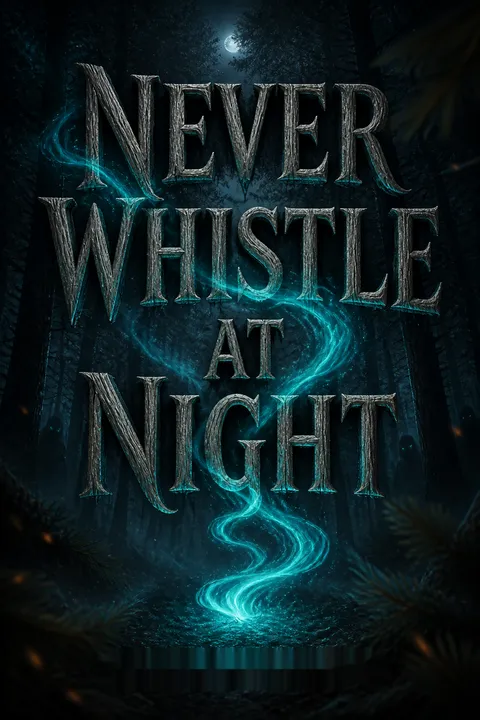
The anthology opens with a foreword that sets the tone: never whistle at night, lest you invite spirits and dangers that lurk in the darkness. This warning is both literal and metaphorical, a thread that weaves through the stories, reminding readers that Indigenous horror is rooted in lived experience, cultural memory, and the blurred boundaries between the real and the supernatural. The night is a place of possibility and peril, where stories are told to keep the world big and mysterious, and where the act of storytelling itself is a form of survival and resistance.
Spirits in the Shadows
Across the anthology, characters confront spirits, monsters, and entities that reflect both personal and collective trauma. From the kushtuka—a shapeshifting predator that mimics loved ones—to the haunted landscapes of ghost towns and ancestral lands, the supernatural is never far from the surface. These spirits are not just monsters; they are embodiments of history, grief, and the consequences of colonial violence. The stories ask: what happens when the past refuses to stay buried, and when the land itself remembers?
Bloodlines and Boundaries
Many stories grapple with the complexities of blood quantum, tribal enrollment, and the ways in which colonial systems fracture Indigenous identity. In "Quantum," a mother agonizes over her sons' differing blood degrees, knowing that one will be entitled to tribal benefits and the other will not. The arbitrary lines drawn by outsiders become sources of pain, division, and existential questioning. The boundaries between who belongs and who is left out are as fraught as the borders between the living and the dead.
Hungry Things, Empty People
The anthology's horrors are often metaphors for hunger—literal and spiritual. The wehtigo, a cannibal spirit, preys on those who have lost their way, while human eaters and other creatures devour those who break taboos or forget their responsibilities. But the true emptiness is found in those who have been hollowed out by violence, addiction, or assimilation. The stories suggest that to survive, one must remember, resist, and feed the right spirits—lest the wrong ones consume you.
The Cost of Survival
Survival in these stories is never simple. Characters must make impossible decisions: to kill or be killed, to betray or protect, to assimilate or resist. In "Kushtuka," a young woman faces predatory men and supernatural threats, forced to choose between her own safety and her family's survival. In "Wingless," children endure abuse and dream of escape, only to find that violence begets violence. The cost of survival is often paid in blood, memory, and the loss of innocence.
Haunted by the Past
The ghosts in these stories are not just supernatural; they are the lingering effects of boarding schools, family secrets, and generational pain. In "Sundays," a man is tormented by memories of abuse at a Catholic school, seeking justice that the law denies him. In "Before I Go," a woman's grief for her lost fiancé draws her into a confrontation with death itself. The past is never truly past—it is a living presence, demanding acknowledgment and, sometimes, vengeance.
The Collector's House
In "Collections," a Native student attends a party at her professor's house, only to discover a chilling display: the mounted heads of former protégés, each representing a different identity or background. The story is a biting allegory for academic tokenism, exploitation, and the way institutions consume and discard those they claim to uplift. The collector's hunger for diversity is revealed as a monstrous appetite, and the protagonist must decide whether to become another trophy or escape.
Monsters in the Family
Family ties are sources of strength and danger. In "Eulogy for a Brother, Resurrected," grief drives a sibling to seek forbidden magic to bring back a lost brother, blurring the line between love and obsession. In "Uncle Robert Rides the Lightning," the bonds between two men are tested by tragedy, addiction, and the lure of the supernatural. The stories explore how family can be a refuge—or a curse that cannot be outrun.
The Land Remembers
The land in these stories is not a passive backdrop but an active participant. In "Limbs," a settler's violence against an Indigenous guide is avenged by the very trees and roots of the forest. In "Snakes Are Born in the Dark," disrespect for sacred petroglyphs unleashes a curse that transforms and destroys. The land keeps score, and those who forget its power do so at their peril.
Becoming the Hunted
The anthology frequently subverts the roles of hunter and hunted. In "Behind Colin's Eyes," a boy becomes possessed by a predatory spirit, turning from prey to predator. In "Navajos Don't Wear Elk Teeth," a summer romance turns sinister as the protagonist realizes his lover's collection of teeth is more than a quirky habit. The stories ask: what happens when the line between victim and monster blurs, and when survival means becoming what you fear?
The Weight of Stories
Stories are not just entertainment—they are tools for survival, resistance, and healing. In "Scariest. Story. Ever.," a storyteller is challenged to produce the most terrifying tale, only to learn that the scariest stories are those that demand accountability and restitution. The act of telling and retelling is a way to keep the world big, to resist erasure, and to pass on warnings to the next generation.
Resurrection and Reckoning
Resurrection is a recurring motif, whether literal or metaphorical. In "Eulogy for a Brother, Resurrected," forbidden rituals bring back a lost sibling, but at a terrible cost. In "Dead Owls," a girl's encounter with the ghost of Custer's widow becomes a battle for survival and selfhood. The stories suggest that the dead are never truly gone—they wait for the living to remember, to atone, or to join them.
The Price of Belonging
Many characters struggle with the desire to belong—to family, to community, to a nation that has always treated them as outsiders. In "White Hills," a woman's attempt to pass as white and secure a place in an exclusive community ends in horror and mutilation. In "Quantum," the arbitrary rules of blood quantum determine who is entitled to resources and who is left out. The stories reveal the violence inherent in systems that demand conformity and punish difference.
Faces on the Wall
The motif of faces—mounted, painted, or remembered—recurs throughout the anthology. In "Collections," the professor's wall of heads is a chilling reminder of how institutions consume and erase those they claim to honor. In "Capgras," the protagonist is haunted by the fear that those he loves have been replaced by imposters, a metaphor for the alienation of diaspora and the loss of cultural anchors. The stories ask: what does it mean to be truly seen, and what is the cost of being forgotten?
The Science of Fear
In "The Scientist's Horror Story," a group of researchers confronts a mystery that defies scientific explanation: a ghost town where visitors' DNA is rewritten by a vengeful spirit. The story blurs the line between rational inquiry and supernatural terror, suggesting that some mysteries cannot be solved, only survived. The limits of science become the starting point for horror, and the unknown is both threat and possibility.
The Endings We Carry
Endings in these stories are rarely neat or comforting. In "Heart-Shaped Clock," a man's attempt to reconcile with his family ends in violence and regret. In "The Prepper," paranoia and trauma drive a man to commit unspeakable acts in the name of survival, only to realize too late the true nature of the threat. The stories refuse easy resolutions, insisting that some wounds never heal, and some ghosts never rest.
Forgiveness and Fury
The anthology wrestles with the tension between forgiveness and the desire for retribution. In "Sundays," a survivor of abuse confronts his tormentor, torn between the urge to punish and the possibility of letting go. In "The Ones Who Killed Us," the spirits of murdered women and their kin rise up to exact vengeance on those who wronged them. The stories suggest that justice is often denied, but the hunger for it endures.
Tomorrow's Ghosts
The final stories look forward, warning that the ghosts of the past will continue to haunt the living unless reckoned with. Whether through environmental collapse, cultural erasure, or the persistence of old wounds, the anthology insists that the future is not safe from the horrors of history. But it also offers hope: in the act of storytelling, in the refusal to forget, and in the possibility of forging new paths through the darkness.
Analysis
Never Whistle at Night is a landmark anthology that reclaims horror as a space for Indigenous voices, stories, and warnings. By weaving together tales of monsters, spirits, and haunted landscapes, the collection confronts the ongoing legacies of colonialism, assimilation, and erasure. The horror here is not just supernatural—it is historical, systemic, and deeply personal. The anthology insists that the past is never truly past, that the land remembers, and that stories are both shield and weapon. Through its mosaic structure, the book honors the power of oral tradition, the necessity of remembering, and the dangers of forgetting. It challenges readers to see horror not as escapism, but as a vital tool for survival, resistance, and healing. The lessons are clear: listen to the warnings, respect the boundaries, and never, ever whistle at night—because the things that hunger in the darkness are not just monsters, but the consequences of what we refuse to face.
Last updated:
Report IssueReview Summary
Never Whistle at Night is a highly praised anthology of Indigenous dark fiction, featuring 26 stories from various authors. Readers appreciate the diverse range of horror themes, from supernatural to psychological, and the exploration of Indigenous experiences and folklore. Many reviewers highlight the anthology's ability to unsettle and provoke thought, praising its emotional depth and cultural significance. While some stories resonate more than others, the collection is generally considered a powerful representation of Indigenous voices in the horror genre, with several standout tales leaving a lasting impact on readers.
People Also Read
Characters
The Storyteller (Anthology's Narrative Voice)
The storyteller is both a literal presence in some stories and a metaphorical thread throughout the anthology. Whether as a narrator, a character, or a community elder, the storyteller embodies the power of words to shape reality, warn of danger, and keep the world big. This figure is often haunted by the responsibility of passing on knowledge, knowing that stories can both protect and endanger, heal and harm. The storyteller's arc is one of reckoning—with the past, with the limits of language, and with the hunger of the spirits that listen in the dark.
The Survivor (Multiple Protagonists)
Across the anthology, survivors of violence, abuse, and loss struggle to make sense of their experiences. Whether confronting supernatural threats or the more mundane horrors of racism, poverty, and exclusion, these characters are defined by their endurance and their scars. Their relationships—with family, community, and the land—are fraught with both love and danger. Their development is often a journey from victimhood to agency, though not always to healing.
The Monster/Spirit (Wehtigo, Kushtuka, Human Eaters, etc.)
The monsters in these stories are never just monsters—they are symbols of historical trauma, cultural erasure, and the dangers of forgetting. They are often shapeshifters, able to mimic loved ones or prey on the vulnerable. Their motivations are complex: some seek vengeance, others hunger for recognition, and some simply exist as forces of nature. Their presence forces characters to confront what has been lost, what must be remembered, and what cannot be forgiven.
The Outsider (White Settlers, Predatory Authority Figures)
Many stories feature outsiders—settlers, priests, professors, or lovers—who wield power over Indigenous characters. They are often depicted as oblivious to the harm they cause, or as actively complicit in violence and erasure. Their relationships with Indigenous characters are marked by exploitation, appropriation, and betrayal. Their development is often static, serving as foils to the protagonists' journeys of survival and resistance.
The Land (Personified Nature)
The land is a character in its own right, alive with memory and agency. It shelters, punishes, and remembers. In some stories, the land takes direct action—avenging wrongs, reclaiming bodies, or unleashing curses. In others, it is a silent witness, bearing the scars of violence and survival. The land's development is cyclical, reflecting the ongoing struggle between destruction and renewal.
The Collector (Professor Smith, Institutional Power)
In "Collections," Professor Smith is a chilling embodiment of institutional exploitation. She preys on vulnerable students, collecting their heads as trophies while claiming to nurture and uplift them. Her relationships are transactional, her empathy a mask for hunger. Her development is a warning: those who claim to help may be the most dangerous of all.
The Grieving Sibling (Della, "Eulogy for a Brother, Resurrected")
Della's arc is one of grief transformed into forbidden action. Unable to accept her brother's death, she seeks out forbidden magic to bring him back, risking her own soul and the balance of the world. Her relationship with her brother is both anchor and chain, and her journey is a meditation on the costs of love, loss, and resurrection.
The Possessed Child (Colin, "Behind Colin's Eyes")
Colin is a young boy who becomes the vessel for a predatory spirit, blurring the line between victim and monster. His development is a tragedy of lost innocence, as he is both hunted and transformed. His relationships—with family, with the land, and with the spirit world—are fraught with danger and longing.
The Scientist (Anders, "The Scientist's Horror Story")
Anders is a geologist whose encounter with a supernatural mystery forces him to confront the limits of science and the persistence of the unknown. His arc is one of humility and awe, as he learns that not all questions have answers, and that some stories are meant to be warnings, not puzzles to be solved.
The Seeker (Multiple: Marissa, Tom, etc.)
Characters like Marissa ("White Hills") and Tom ("Sundays") are defined by their search for acceptance, love, and justice. Their journeys are marked by betrayal, violence, and the realization that the systems they seek to join or change are built to exclude them. Their development is a reckoning with the price of belonging and the hunger for recognition.
Plot Devices
Interwoven Storytelling and Oral Tradition
The anthology uses a mosaic structure, with each story standing alone but echoing themes, motifs, and warnings from others. The act of storytelling is foregrounded—characters tell stories to each other, to themselves, and to the reader. This device honors Indigenous oral traditions, where stories are living things, meant to be retold, adapted, and learned from. The narrative structure itself becomes a form of resistance to erasure and assimilation.
Monsters as Metaphor
The supernatural elements—monsters, spirits, curses—are never just scares for their own sake. They are metaphors for colonial violence, generational trauma, and the dangers of forgetting. The horror is both literal and symbolic, forcing characters and readers to confront uncomfortable truths about history, identity, and survival.
Shifting Perspectives and Unreliable Narrators
Many stories use first-person or close third-person narration, often from the perspective of characters who are traumatized, possessed, or otherwise unreliable. This device creates a sense of disorientation and uncertainty, mirroring the experience of living with trauma or navigating systems that deny your reality. The shifting perspectives also allow for a multiplicity of voices, resisting the flattening of Indigenous experience.
Cyclical Time and Nonlinear Narratives
Time in these stories is often nonlinear, with ghosts, memories, and curses looping back to affect the present. The cyclical structure reflects Indigenous conceptions of time and history, where events are not neatly contained but reverberate across generations. Foreshadowing and callbacks are used to create a sense of inevitability and to warn that what is not reckoned with will return.
The Land as Active Agent
The land is not just a setting but a character with agency. It avenges wrongs, shelters survivors, and keeps score. This device challenges colonial narratives that treat land as property or resource, insisting instead on its sacredness and power. The land's actions are often foreshadowed by omens, dreams, or the breaking of taboos.
Institutional Critique and Satire
Several stories use horror and dark satire to critique institutions—academia, the church, the state—that claim to help but actually exploit, erase, or consume Indigenous people. The device of the collector, the predatory professor, or the abusive priest is used to expose the violence hidden behind benevolence. The stories ask: who benefits from diversity, and at what cost?
About the Author
Shane Hawk is an Indigenous horror writer, editor, and screenwriter, enrolled in the Cheyenne & Arapaho Tribes of Oklahoma. He co-edited the bestselling anthology series Never Whistle at Night, which has achieved significant success with multiple printings. Hawk's debut collection, Anoka, released in 2020, contributed to the growing movement of Indigenous Horror in the genre. His work extends beyond writing, with both a TV series and feature film in development. Hawk's contributions to Indigenous horror literature have garnered attention and praise, establishing him as a notable figure in the field. He currently resides in San Diego, California, with his family.
Download PDF
Download EPUB
.epub digital book format is ideal for reading ebooks on phones, tablets, and e-readers.








































