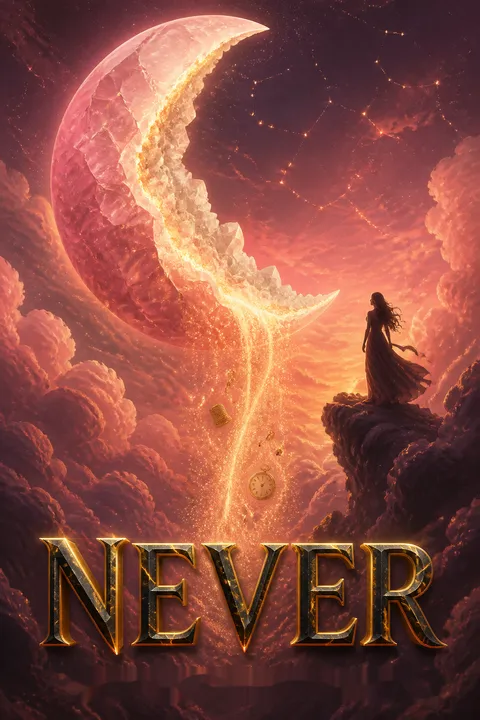

Plot Summary
Legacy of the Lost Boy
Daphne grows up in a family haunted by the legend of Peter Pan—a boy who visits the girls of her lineage, whisking them away to Neverland. Her grandmothers, Wendy and Mary, are living relics of this myth, their memories golden and time-locked, while her mother, distant and pragmatic, dismisses the stories as childish nonsense. Daphne, a practical and clever girl, is skeptical, more interested in geology than fairy tales. Yet, as she approaches adulthood, she feels the weight of expectation and disappointment: Peter never comes for her. The magic that shaped her family's history seems to have skipped her, leaving her grounded in reality, yearning for something extraordinary but resigned to the ordinary. The ache of being forgotten by legend shapes her sense of self and her longing for belonging.
The Window Opens
On an unremarkable night, Daphne's world shifts when a stranger enters through her window. He is not the boy of bedtime stories, but a tall, shirtless, brash young man—Peter Pan, grown and American, both familiar and unsettling. Their banter is sharp, their attraction immediate but complicated by Peter's forgetfulness and possessiveness. Daphne's skepticism collides with the undeniable magic of his presence. When her great-grandmother Mary recognizes Peter, the pain of time and memory surfaces—he does not remember her, and she is old. The encounter is bittersweet, a collision of myth and reality, youth and age, hope and disappointment. Peter invites Daphne to Neverland, and despite her doubts, she is swept up by destiny, leaving behind the world she knows for the unknown.
Baggage and Black Holes
Peter whisks Daphne through the cosmos, folding time and space, and they arrive at the threshold of Neverland. Before entering, Daphne must check her "baggage"—not physical, but emotional. In a magical shack in the clouds, she confronts her burdens: family wounds, insecurities, and the weight of being forgotten. She sheds them, feeling lighter, but the process is both liberating and disorienting. The journey to Neverland is not just a flight through stars but a passage through her own psyche. The act of letting go is necessary for entry, but it also foreshadows the cost of magic: to belong in Neverland, one must forget, and forgetting is both a blessing and a curse.
Pirate Eyes, Mermaid Tides
Daphne's arrival in Neverland is tumultuous—she nearly drowns, only to be rescued not by Peter, but by Jamison Hook, the young, magnetic pirate. Their chemistry is immediate, charged with danger and curiosity. Jamison is not the villain of old tales, but a complex, wounded man, both protector and threat. Daphne is drawn to his hands, his gaze, his irreverence. Meanwhile, Peter is distracted by mermaids, his attention fickle and his affections scattered. Daphne feels invisible, caught between the pull of Peter's legend and the gravity of Jamison's reality. The island itself is a place of beauty and peril, where desire and rivalry swirl like tides, and Daphne's heart is already at risk.
The Neverland Divide
Daphne is introduced to the Lost Boys—each with their own quirks and wounds—and to Rune, a fairy who, unlike the others, takes a liking to her. The Never Wood is a place of wildness and contradiction, where childhood and adolescence blur. Daphne is both welcomed and othered, expected to fill roles she resists: mother, girlfriend, muse. The boys' innocence is both endearing and unsettling, their ignorance of sex and adulthood a mirror to Peter's arrested development. Daphne's presence disrupts the fragile balance, and she is forced to navigate the expectations of others while searching for her own place. The magic of Neverland is intoxicating, but it is also isolating—everyone is lost in their own way.
Kisses and Thimbles
As Daphne settles into Neverland, her relationship with Peter deepens—kisses become frequent, hands bolder, but the boundaries of intimacy are blurred. Peter is possessive, jealous, and childlike, unable to articulate or understand the complexities of love and desire. Daphne is both flattered and frustrated, longing for affirmation but wary of being just another girl in a long line of "Wendys." The presence of Calla, Peter's old flame, and the ever-present mermaids stoke Daphne's insecurities. Meanwhile, her thoughts drift to Jamison, whose adult masculinity and emotional depth offer a stark contrast to Peter's eternal boyhood. The tension between innocence and experience, fantasy and reality, becomes the crucible for Daphne's awakening.
The Girl Who Forgets
Time in Neverland is slippery—days blur, memories fade, and Daphne finds herself forgetting the world she left behind. The island's magic demands a price: to remain, one must let go of the past, but in doing so, one risks losing oneself. The daily ritual of taking medicine, the act of dropping off emotional baggage in the clouds, and the pervasive sense of unreality all conspire to erode Daphne's sense of self. She clings to the few things that anchor her—her love of geology, her connection to Rune, her growing feelings for Jamison—but the threat of oblivion is ever-present. The magic that makes Neverland wondrous is also what makes it dangerous.
Rival Hearts, Tangled Fates
Daphne is caught in a web of rival affections—Peter's possessive love, Jamison's dangerous allure, and her own divided heart. The rivalry between Peter and Jamison escalates, each vying for her in their own way. Daphne is both empowered and objectified, her agency undermined by the expectations and desires of the men around her. The legend of the Darling girls and the Pan is revealed to be a cycle of heartbreak and forgetting, a fate that Daphne both resists and succumbs to. The tension between destiny and choice, freedom and captivity, becomes acute as Daphne is forced to confront the limits of love and the cost of belonging.
The Volcano's Secret
A journey to the volcano with Jamison becomes a turning point—Daphne learns the dark secrets of Neverland: the fate of the Lost Boys who "age out," the true nature of Peter's immortality, and the island's dependence on hope as a literal resource. The well of hope is running dry, and the island is dying. The prophecy of the heir, the tangled histories of the founders, and the legacy of violence and abandonment all come to the fore. Daphne's illusions are shattered, and she is forced to reckon with the darkness beneath the island's beauty. The volcano is both a place of wonder and a crucible of truth, where love and loss are inextricably linked.
The Minotaur's Game
Peter's childish need for adventure leads him to stage a deadly game—he abandons Daphne in a labyrinth with a minotaur, expecting to rescue her as a hero. Instead, Daphne must save herself, using the dagger Jamison gave her to survive. The experience is traumatic, a brutal awakening to the dangers of loving someone who cannot love responsibly. Peter's forgetfulness and self-absorption are no longer charming but life-threatening. Daphne's survival is a testament to her resilience, but it also marks the end of innocence. The game is over, and the cost is trust.
Banished and Betrayed
After confronting Peter about his betrayals, Daphne is banished from the tree house. Homeless and heartbroken, she seeks refuge with Jamison, only to be betrayed again—overhearing him dismiss their love as meaningless to protect her from a greater threat. The pain of being discarded by both men is overwhelming, and Daphne is left adrift, questioning her worth and the reality of her experiences. The ties that once bound her to Neverland and to love are now chains, and she is forced to confront the possibility that freedom may mean solitude. The end of innocence is not a triumphant coming-of-age but a painful reckoning with loss and disillusionment.
The Collector's Bargain
Daphne is captured by Charles, the Collector—Jamison's uncle and the true villain of the island. He seeks to extract her virtue, innocence, and heartbreak for his collection, threatening Rune's life to force her compliance. The encounter is a grotesque inversion of the magic that brought her to Neverland—love and innocence are commodities to be harvested, and sacrifice is demanded. Peter arrives to rescue her, but the battle is fierce, and Daphne is left tied to a sinking ship, drowning as the island's magic turns against her. The price of love is suffering, and the cost of magic is pain.
Drowning in Memory
Daphne is saved from drowning by Jamison, but the trauma of betrayal and loss leaves her numb and adrift. The rituals of forgetting—dropping off memories in the cloud—become both a refuge and a prison. Daphne is torn between the desire to remember love and the need to forget pain. The ties that once bound her to Jamison are now sources of agony, and she struggles to reconcile the reality of his actions with the memory of their love. The act of forgetting is both an act of survival and a surrender to oblivion.
The Duel at Dawn
The rivalry between Peter and Jamison culminates in a duel—ostensibly for Daphne's heart, but truly a battle for power and control. The council of Neverland gathers, the island's fate hanging in the balance. Daphne is reduced to a prize, her agency subsumed by the egos of the men who claim to love her. The duel is both literal and symbolic—a fight for the right to possess, not to cherish. Daphne's realization that neither man can offer her true freedom or love is the beginning of her emancipation, but the cost is the loss of innocence and the shattering of illusions.
Hope Wells and Heartbreak
As the island's well of hope runs dry, Daphne confronts the reality that magic cannot save her. The rituals of forgetting, the cycles of love and loss, and the legacy of the Darling girls are revealed to be traps, not gifts. Daphne's love for Jamison, once a source of joy, is now a wound that cannot heal. The act of letting go—of love, of memory, of hope—is both a liberation and a death. The island's magic is revealed to be a reflection of the human heart: beautiful, fragile, and doomed to break.
The Cloud of Forgetting
Daphne returns to the cloud to shed the last of her memories of Jamison, burning the pouch that held their fate. The act is both cathartic and annihilating—she is lighter, freer, but also less herself. The ties that once bound her to love are severed, but the scars remain. The cost of survival is self-erasure, and the price of freedom is loneliness. Daphne's journey is not a triumph but a reckoning with the limits of magic, love, and memory.
The Choice of Never
In the aftermath of heartbreak, Daphne returns to Peter, accepting his love and promising fidelity. Their union is both a comfort and a compromise—a retreat into the safety of legend, the familiarity of myth. The magic of Neverland is restored, but the cost is authenticity. Daphne's choice is not a victory but a surrender to the cycle of forgetting and repetition. The promise of "never" is both a blessing and a curse—a life without pain, but also without truth.
The End of Never
Daphne's story ends where it began: in the embrace of legend, the comfort of forgetting, the safety of Neverland. The cycles of love and loss, hope and heartbreak, magic and memory, continue. The price of magic is the loss of self, the cost of love is pain, and the promise of Never is both freedom and captivity. Daphne's journey is both a coming-of-age and a cautionary tale—a reminder that to live forever young is to never truly live, and that the only way out of Neverland is through the acceptance of loss, the courage to remember, and the willingness to choose.
Analysis
Never by Jessa Hastings is a transformative reimagining of the Peter Pan myth, blending contemporary psychological realism with the timeless allure of fantasy. At its core, the novel interrogates the cost of magic, the dangers of refusing to grow up, and the cycles of hope and heartbreak that define the human experience. Through Daphne's journey, Hastings explores the tension between innocence and experience, the allure and peril of forgetting, and the struggle to claim agency in a world built on legend and expectation. The love triangle between Daphne, Peter, and Jamison is both a romantic crucible and a metaphor for the competing demands of fantasy and reality, destiny and choice. The rituals of forgetting and the literalization of emotional baggage externalize the internal struggles of the characters, making memory, trauma, and survival tangible. Ultimately, Never is a cautionary tale about the price of belonging and the cost of love—a reminder that to live forever young is to risk never truly living, and that the only way out of Neverland is through the acceptance of loss, the courage to remember, and the willingness to choose. The novel's modern resonance lies in its unflinching portrayal of the complexities of love, the necessity of growth, and the bittersweet beauty of letting go.
People Also Read




Characters
Daphne Beaumont-Darling
Daphne is the protagonist, a clever, grounded young woman raised on the myth of Peter Pan but skeptical of magic. Her longing for adventure is tempered by pragmatism and a deep-seated fear of being forgotten. Psychoanalytically, Daphne embodies the tension between innocence and experience, fantasy and reality. Her relationships—with her family, Peter, and Jamison—are shaped by her desire for affirmation and her resistance to being defined by others' expectations. Daphne's journey is one of self-discovery, marked by cycles of hope, heartbreak, forgetting, and remembering. Her development is both a coming-of-age and a cautionary tale about the cost of magic and the price of love.
Peter Pan
Peter is the legendary Never Boy—forever young, wild, and free, but also selfish, forgetful, and emotionally stunted. He is both captor and liberator, embodying the allure and peril of eternal youth. Peter's inability to grow up is both magical and tragic; he loves fiercely but shallowly, his affections fickle and his memory unreliable. His possessiveness and jealousy mask a deep fear of abandonment, and his adventures are often at the expense of others' safety. Peter's relationship with Daphne is both intoxicating and destructive, a cycle of desire, neglect, and forgetting. He is the embodiment of the dangers of refusing to grow up.
Jamison Hook
Jamison is the son of the infamous Captain Hook, but he is not the villain of old tales. He is a man of contradictions: dangerous yet protective, irreverent yet deeply wounded, charming yet capable of cruelty. Jamison's relationship with Daphne is charged with desire, rivalry, and vulnerability. He offers her the possibility of adult love, but his own wounds and pride often sabotage intimacy. Psychoanalytically, Jamison represents the shadow side of Neverland—the reality beneath the fantasy, the pain beneath the pleasure. His development is marked by cycles of betrayal, regret, and longing for redemption.
Rune
Rune is a fairy who befriends Daphne, breaking the pattern of fairy jealousy and rivalry. She is both guide and trickster, helping Daphne navigate the magic and dangers of Neverland. Rune's loyalty and courage are tested when she is captured by the Collector, and her survival is a testament to the power of friendship and sacrifice. Symbolically, Rune represents the persistence of memory and the possibility of resistance in a world built on forgetting.
Wendy Darling
Wendy is Daphne's grandmother, the original "Wendy" of the stories. She is both a living relic and a cautionary figure, her memories golden but tinged with regret. Wendy's relationship with Daphne is marked by love, longing, and the burden of legacy. She represents the cycle of hope and heartbreak that defines the Darling women, and her presence is a reminder of the cost of loving Peter Pan.
Mary Darling
Mary is the oldest living Darling, a bridge between past and present. Her encounters with Peter are marked by both wonder and sorrow, and her aging is a painful reminder of the passage of time. Mary's wisdom and sadness shape Daphne's understanding of love and loss, and her death is a turning point in the narrative.
Calla
Calla is Peter's old flame and Daphne's rival, a beautiful and wounded girl whose presence stokes jealousy and insecurity. She is both a mirror and a warning to Daphne—a reminder of the cycle of love and abandonment that defines Neverland. Calla's relationship with Peter is both passionate and doomed, and her rivalry with Daphne is a crucible for growth and self-awareness.
Rye
Rye is Calla's twin brother, a member of Neverland's First People. He is a friend and confidant to Daphne, offering her perspective and support. Rye's own experiences of love and loss mirror Daphne's, and his presence is a reminder of the possibility of connection and the pain of exclusion.
Itheelia Le Faye
Itheelia is Jamison's mother and one of Neverland's founders. She is wise, powerful, and enigmatic, holding the secrets of the island's history and the prophecy of the heir. Itheelia's relationship with Daphne is both maternal and adversarial, challenging her to listen to the universe and to confront the truth of her own heart.
Charles, the Collector
Charles is Jamison's uncle and the true antagonist of the story. He is a collector of hearts, virtues, and essences, harvesting the magic and innocence of others for his own gain. Charles represents the dangers of commodifying love and the violence of exploitation. His capture of Daphne and Rune is the climax of the narrative, forcing Daphne to confront the cost of magic and the price of survival.
Plot Devices
The Baggage Claim
The baggage claim in the clouds is a central plot device, transforming emotional burdens into physical objects that must be checked before entering Neverland. This device externalizes the internal struggles of the characters, making memory, trauma, and forgetting tangible. The act of shedding baggage is both liberating and dangerous—necessary for belonging in Neverland, but also a mechanism of erasure. The baggage claim is a metaphor for the cost of magic and the price of survival, and it recurs throughout the narrative as a site of reckoning and transformation.
The Ritual of Forgetting
Neverland's magic is built on forgetting—memories fade, time slips, and the past becomes inaccessible. The daily rituals of taking medicine, dropping off baggage, and participating in magical games all serve to erode the characters' sense of self. Forgetting is both a blessing and a curse, a means of survival and a form of captivity. The tension between remembering and forgetting is the engine of the narrative, driving the cycles of hope and heartbreak that define the characters' journeys.
The Love Triangle
The central love triangle between Daphne, Peter, and Jamison is both a plot device and a psychological crucible. The rivalry between Peter and Jamison is a battle for possession, not partnership, and Daphne's agency is constantly undermined by the expectations and desires of the men around her. The triangle is a metaphor for the tension between innocence and experience, fantasy and reality, destiny and choice. The illusion of choice is a recurring motif—Daphne is fated to love, but her love is always circumscribed by the needs and wounds of others.
The Prophecy and the Heir
The prophecy of the heir and the legacy of the founders are plot devices that anchor the narrative in a cycle of repetition and return. The characters are trapped by the expectations of history, their fates determined by the actions of those who came before. The prophecy is both a promise and a curse, offering the hope of restoration but demanding sacrifice. The burden of legacy is a source of both strength and suffering, and the struggle to break free from it is the heart of Daphne's journey.
The Council and the Duel
The council of Neverland and the duel between Peter and Jamison are devices that stage the central conflicts of the narrative as public spectacles. The council is a site of negotiation and betrayal, where the fate of the island is decided by a handful of powerful figures. The duel is both a literal and symbolic battle for Daphne's heart, a performance of masculinity and power that reduces her to a prize. These devices expose the limitations of agency and the dangers of spectacle, highlighting the ways in which love and power are intertwined.
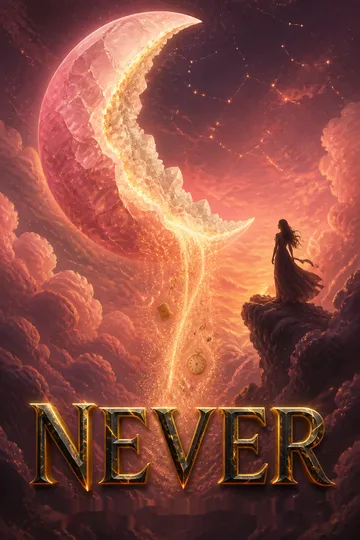
Never Series



Download PDF
Download EPUB
.epub digital book format is ideal for reading ebooks on phones, tablets, and e-readers.








































