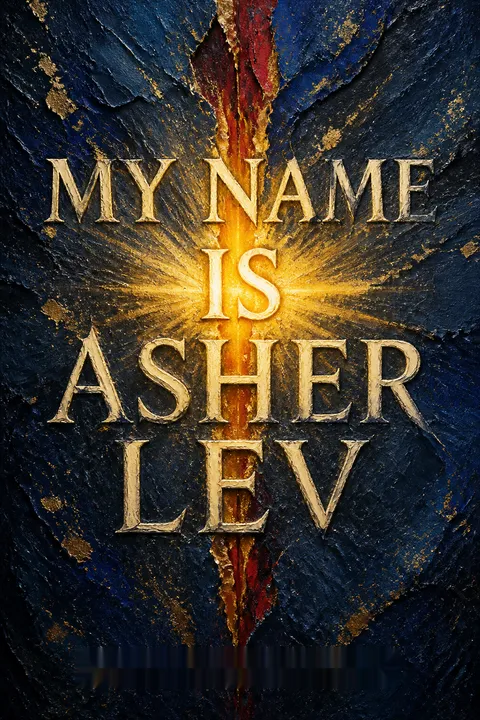

Plot Summary
Gift in a Closed World
Asher Lev is born into a devout Hasidic Jewish family in postwar Brooklyn, the only child of Aryeh and Rivkeh Lev. From his earliest years, Asher is compelled to draw, filling margins, walls, and paper with images of his world. His parents, especially his father—a tireless emissary for the Ladover Rebbe—see no value in art, associating it with the secular, even the forbidden. Yet Asher's gift is undeniable, a mystery that both delights and unsettles his gentle mother. The family's life is structured by faith, ritual, and the weight of Jewish history, but Asher's compulsion to create marks him as different, setting the stage for a lifelong struggle between his inner vision and the expectations of his community.
Shadows of Loss and Light
When Asher is six, his beloved uncle Yaakov dies in a car accident while on a mission for the Rebbe. The loss devastates Asher's mother, plunging her into a deep depression that leaves her emotionally absent. Asher's father stops traveling to care for her, and the household is shadowed by grief and silence. Asher, too young to understand, tries to comfort his mother with drawings, but his art cannot heal her pain. The family's suffering is compounded by the community's expectations and the ever-present memory of past traumas. In this darkness, Asher's gift becomes both a solace and a source of guilt, as he senses the limits of what art can mend.
Drawing Against Tradition
Asher's artistic talent grows, but so does the tension it creates. His father, Aryeh, sees drawing as a childish distraction at best, a dangerous waste at worst. The Hasidic world values Torah study and service, not the visual arts. Asher's mother, recovering slowly, encourages him to draw "pretty things," hoping to shield him from the world's ugliness. But Asher is drawn to truth, not prettiness—he sketches what he sees and feels, including pain and fear. The more he draws, the more isolated he becomes, misunderstood by his family and teachers. His art, once a private joy, now marks him as an outsider in his own home.
The Weight of Inheritance
Asher is haunted by stories of his ancestors: his mythic great-great-grandfather, a Jew who managed a Russian nobleman's estate and later became a legendary traveler; his scholarly grandfather, murdered for his faith; his mother's saintly lineage. These tales, repeated endlessly, impress upon Asher the burden of Jewish suffering and responsibility. He dreams of his ancestors, feeling their expectations and their pain. The past is not distant—it is alive in the rituals, the prayers, and the silent demands placed upon him. Asher's gift, inexplicable and unasked for, feels both like a blessing and a betrayal of all that came before.
The Sitra Achra's Shadow
As Asher enters school, he tries to suppress his gift, internalizing the community's suspicion that art is from the sitra achra—the Other Side, the source of evil. He stops drawing, hoping to be a good son and Jew. But the urge returns, stronger than ever, especially as he witnesses suffering: the persecution of Jews in Russia, the death of Stalin, the anxieties of his parents. Asher's drawings become darker, more honest, and more disturbing. He is accused of desecrating holy books when he sketches in the margins. The more he tries to reconcile his art with his faith, the more he feels torn between two irreconcilable worlds.
The Street and the Stranger
Asher finds solace in the streets of Brooklyn, sketching the people and scenes around him. He befriends Yudel Krinsky, a Russian Jew who survived Siberia, whose haunted eyes and stories of suffering resonate with Asher's own sense of exile. The street becomes both a refuge and a source of inspiration, a place where Asher can observe life in all its complexity. Yet even here, he is reminded of his difference—his art sets him apart, and his community's boundaries are ever-present. The arrival of new immigrants, the stories of persecution, and the realities of postwar America all shape Asher's growing awareness of a world larger and more painful than he imagined.
The Rebbe's Dilemma
Asher's father is called to serve the Rebbe in Europe, and the family faces the prospect of moving to Vienna. Asher resists, terrified of leaving his street and his world. The Rebbe, a figure of immense authority and wisdom, becomes involved in the family's fate. He recognizes Asher's gift but also the danger it poses to the community's cohesion. The Rebbe's decisions—allowing Asher's mother to study, sending Aryeh abroad, permitting Asher to remain in Brooklyn—reflect a delicate balance between tradition and change. Yet for Asher, these choices only deepen his sense of being caught between obedience and self-expression.
The Artist's Awakening
Asher's talent attracts the attention of his uncle Yitzchok and, eventually, the Rebbe, who arranges for him to study with Jacob Kahn, a renowned (and secular) Jewish artist. Under Kahn's tutelage, Asher is exposed to the wider world of art: museums, nudes, crucifixions, and the history of painting. Kahn challenges Asher to master his craft, to see and feel deeply, and to accept the loneliness of the artist's path. Asher's world expands, but so does his alienation from his family and faith. He is forced to confront the costs of greatness—the pain it brings to himself and those he loves.
Jacob Kahn's Challenge
Jacob Kahn is both mentor and provocateur, insisting that Asher pursue truth in his art, regardless of the consequences. He introduces Asher to the tradition of the nude, the crucifixion, and the idea that an artist is responsible only to his vision. Kahn warns Asher that greatness requires sacrifice, that he will hurt people he loves, and that he must choose between comfort and honesty. Asher struggles with these demands, torn between his loyalty to his parents and his need to create. The studio becomes a crucible where Asher's identity is forged, and the boundaries between sacred and profane, self and community, are tested.
Between Two Worlds
Asher matures, his art gaining recognition and power. He attends college, studies Russian and French, and continues to paint under Kahn's guidance. His relationship with his parents grows more strained—his father cannot understand his choices, his mother is caught between love and fear. Asher's paintings, especially his nudes, scandalize the community. He is both celebrated and shunned, a prodigy and a pariah. The tension between his Hasidic upbringing and his artistic calling becomes unbearable, culminating in a sense of exile even within his own home. Asher is forced to accept that he cannot belong fully to either world.
The Crucifixion Paintings
Haunted by his mother's suffering and the impossibility of expressing it within Jewish artistic tradition, Asher turns to the Christian motif of the crucifixion. He paints two monumental works—Brooklyn Crucifixion I and II—depicting his mother as a crucified figure, torn between her husband and son. The paintings are raw, honest, and devastating. They are also a betrayal: by using a symbol associated with centuries of Jewish persecution, Asher wounds his parents and community in ways he cannot undo. The paintings are recognized as masterpieces, but their cost is measured in heartbreak and alienation.
Exile and Return
Asher's crucifixion paintings are exhibited in a major New York gallery, drawing acclaim from critics and collectors. But when his parents see the works, they are shattered—his mother by the exposure of her pain, his father by the use of a Christian symbol. The community turns against Asher; even the Rebbe, who once protected him, asks him to leave. Asher is exiled, sent to Paris to continue his work. He is alone, celebrated by the art world but estranged from his roots. The price of his vision is exile from the people and places he loves most.
The Cost of Creation
In Paris, Asher confronts the loneliness and responsibility of the artist. He reflects on his family's history, the burdens of inheritance, and the meaning of his gift. He paints his ancestors, his mother, his own suffering. He realizes that creation is both demonic and divine, that art can heal and destroy. The world's gaze brings fame but not comfort. Asher understands that he will always be an outsider, that his calling requires him to hurt and be hurt. The journey of creation is unending, and its cost is measured in pain as well as beauty.
The Unfinished Journey
Asher's exile is not only physical but spiritual. He longs for reconciliation, for a way to bridge the gap between his art and his faith, his self and his community. He remembers his mythic ancestor, his parents' sacrifices, and the unfinished work of healing and meaning. The journey is ongoing—there are no easy answers, no final homecoming. Asher's art continues to evolve, shaped by memory, loss, and the search for balance. The story ends not with resolution, but with the acceptance of complexity and the hope that creation itself is a form of redemption.
The Artist Alone
Asher embraces the solitude of the artist, recognizing that his path is necessarily lonely. He is responsible only to his vision and to the truth as he sees it. The blessings of the Rebbe, the love of his mother, the pride and pain of his father—all are part of him, but none can shield him from the consequences of his choices. Asher's art is his prayer, his rebellion, and his offering. He walks the streets of Paris, haunted by the faces of those he has loved and hurt, and knows that his journey will never truly end.
Blessings and Banishment
The Rebbe, once Asher's protector, now becomes the agent of his exile. He recognizes Asher's greatness but cannot allow him to remain in the community. The blessing is double-edged: Asher is sent away with honor, but also with the knowledge that he is alone. The banishment is both a punishment and a recognition of the artist's necessary separation. Asher accepts the Rebbe's judgment, understanding that his gift is both a calling and a curse. The world's gaze is both blessing and burden, and Asher must carry it alone.
The Balance of Pain
Asher reflects on the paradox of his life: his art brings beauty and truth, but also pain and division. He is both healer and wounder, creator and destroyer. The balance he seeks is elusive—every act of creation is also an act of loss. Yet he cannot turn away from his gift; to do so would be to betray himself and the world. Asher's journey is a search for meaning in the midst of suffering, for a way to give form to the chaos and anguish of existence. The balance is never perfect, but the attempt itself is an act of faith.
The World's Gaze
Asher's work is celebrated by the art world, collected by museums, and discussed by critics. Yet the gaze of the world is cold comfort. He is known, but not understood; admired, but not embraced. The price of visibility is isolation. Asher walks the streets of Brooklyn and Paris, recognized and alone. The world's gaze is both a validation and a reminder of his exile. Yet in the act of creation, Asher finds a measure of peace—a sense that his pain, and the pain of those he loves, has not been in vain.
Analysis
Chaim Potok's My Name Is Asher Lev is a profound meditation on the costs and necessities of artistic creation within the confines of tradition. The novel explores the tension between individual genius and communal belonging, dramatizing the pain of exile and the impossibility of full reconciliation. Through Asher's journey, Potok interrogates the nature of responsibility: to self, to family, to faith, and to truth. The use of the crucifixion motif is both daring and devastating, forcing readers to confront the ways in which art can both heal and wound. Potok's narrative structure—alternating between intimate family scenes, spiritual instruction, and artistic awakening—mirrors Asher's divided self and the complexity of his choices. The novel's enduring relevance lies in its refusal to offer easy answers: creation is both demonic and divine, and the search for meaning is unending. In a modern world where boundaries between cultures, identities, and values are constantly shifting, My Name Is Asher Lev remains a powerful exploration of the price of authenticity and the hope that, through art, suffering can be transformed into understanding.
Review Summary
My Name Is Asher Lev receives overwhelming praise from readers, averaging 4.24 stars. Reviewers consistently highlight the novel's profound exploration of conflict between artistic expression and religious tradition, describing it as emotionally powerful and deeply moving. Many found the slow build rewarding, with the climactic ending leaving them in tears. Readers appreciate Potok's immersive portrayal of Hasidic Jewish culture and his ability to make universal themes of identity, family loyalty, and personal calling resonate across cultural boundaries. Several consider it among the finest books they've ever read.
People Also Read
Characters
Asher Lev
Asher is the novel's protagonist, a gifted artist born into a Hasidic Jewish family in Brooklyn. From childhood, he is compelled to draw, a calling that sets him at odds with his tradition and family. Sensitive, introspective, and fiercely honest, Asher is haunted by the suffering of those around him—especially his mother—and by the weight of Jewish history. His journey is one of self-discovery and sacrifice: he must choose between loyalty to his community and the demands of his art. Asher's psychological complexity lies in his simultaneous longing for acceptance and his need for authenticity. He is both a healer and a wounder, a creator whose gift brings both beauty and pain. His development is marked by increasing isolation, but also by a growing sense of responsibility to truth and to the world.
Aryeh Lev
Aryeh, Asher's father, is a devoted emissary of the Ladover Rebbe, committed to rescuing Jews and building yeshivas across the world. Stern, principled, and deeply religious, Aryeh is shaped by the traumas of Jewish history and the expectations of his lineage. He loves his family but cannot understand Asher's gift, seeing art as frivolous or even dangerous. Aryeh's psychological struggle is between his sense of duty—to God, to the Rebbe, to his people—and his inability to accept his son's difference. His relationship with Asher is marked by disappointment, anger, and, ultimately, a wounded pride. Aryeh's development is a slow movement from hostility to a distant, sorrowful acceptance, but the gulf between father and son remains.
Rivkeh Lev
Rivkeh is Asher's mother, a gentle, intelligent woman whose life is marked by loss and longing. After her brother's death, she suffers a breakdown but eventually finds purpose in academic study and supporting her husband's work. Rivkeh loves both her husband and her son, and her greatest torment is being caught between their opposing worlds. She encourages Asher's art but fears its consequences; she supports Aryeh's missions but mourns his absences. Rivkeh's psychological depth lies in her capacity for endurance and her quiet strength. She is the emotional center of the family, the crucified figure in Asher's paintings, embodying the pain of divided loyalties and the hope for reconciliation.
Jacob Kahn
Jacob Kahn is a renowned Jewish artist, secular and fiercely independent. He becomes Asher's mentor, challenging him to pursue truth in his art regardless of the cost. Kahn is blunt, passionate, and deeply knowledgeable, embodying the tradition of artistic rebellion. He teaches Asher not only technique but also the necessity of sacrifice and the inevitability of loneliness. Kahn's own life is marked by exile, loss, and the struggle to balance creation and destruction. His relationship with Asher is both nurturing and demanding, pushing the young artist to greatness while warning him of the pain it will bring. Kahn's development is a movement from skepticism to pride in his student, and his own mortality becomes a mirror for Asher's fears.
The Rebbe
The Ladover Rebbe is a figure of immense wisdom and power, guiding his community through perilous times. He recognizes Asher's gift but is wary of its potential to disrupt tradition. The Rebbe's decisions are marked by a delicate balance between compassion and authority—he permits Asher's art but ultimately exiles him for the sake of communal harmony. The Rebbe's psychological complexity lies in his ability to see both the individual and the collective, to bless and to banish. His relationship with Asher is paternal but also distant, embodying the tension between tradition and change.
Yudel Krinsky
Yudel Krinsky is a Russian Jew who survived Siberia and now runs a stationery store in Brooklyn. Haunted, gentle, and kind, he becomes a friend and confidant to Asher. Krinsky's stories of suffering and endurance resonate with Asher's own sense of exile. He represents the broader history of Jewish persecution and the resilience of the human spirit. Krinsky's psychological depth is in his quiet dignity and his ability to find meaning in survival. His relationship with Asher is one of mutual recognition and unspoken understanding.
Uncle Yitzchok
Asher's uncle, Yitzchok, is a successful businessman who recognizes Asher's talent and supports him materially. He is pragmatic, warm, and less bound by tradition than Aryeh. Yitzchok serves as a bridge between Asher and the secular world, encouraging his art while trying to shield him from its dangers. His psychological role is that of the benevolent uncle, offering acceptance and stability. Yitzchok's development is marked by pride in Asher's achievements and sorrow at the family's divisions.
Mrs. Rackover
Mrs. Rackover is the Lev family's housekeeper, a pious widow who cares for Asher during his mother's illness. Stern, practical, and deeply religious, she represents the voice of tradition and communal values. Rackover is both nurturing and critical, embodying the expectations of the Hasidic world. Her psychological role is that of the surrogate mother and moral guardian, reminding Asher of his responsibilities and the dangers of deviation.
Anna Schaeffer
Anna Schaeffer is a powerful gallery owner who champions Asher's work and introduces him to the world of collectors and critics. Elegant, shrewd, and ambitious, she is both mentor and exploiter, recognizing Asher's genius and the profit it brings. Anna's psychological complexity lies in her blend of affection and calculation—she cares for Asher but is ultimately driven by business. Her relationship with Asher is transactional but also formative, shaping his entry into the public sphere.
The Mashpia (Rav Yosef Cutler)
The mashpia is the spiritual advisor at Asher's yeshiva, responsible for nurturing the souls of the students. Gentle, wise, and compassionate, he tries to guide Asher toward holiness and communal responsibility. The mashpia's psychological role is that of the conscience, urging Asher to consider the impact of his choices on others. His relationship with Asher is marked by patience, sorrow, and a deep sense of loss as he witnesses the young artist's alienation.
Plot Devices
The Crucifixion Motif
The use of the crucifixion—a Christian symbol historically associated with Jewish suffering—as the central image in Asher's most important paintings is the novel's most powerful plot device. It serves as both a narrative and psychological climax, embodying the conflict between individual expression and communal boundaries. The crucifixion is foreshadowed by Asher's early fascination with suffering, his exposure to Christian art, and his mother's years of anguish. Its appearance in Asher's work is both inevitable and shocking, forcing a confrontation between art and faith, self and other. The motif is a narrative hinge, marking the point of no return in Asher's journey and catalyzing his exile.
The Mythic Ancestor
Asher's dreams and memories of his mythic ancestor—a Jew who journeyed, suffered, and atoned—function as a symbolic thread linking past and present. The ancestor's presence is both comforting and burdensome, reminding Asher of the weight of history and the expectations of his lineage. This device deepens the novel's exploration of inheritance, guilt, and the search for meaning. The ancestor's journeys foreshadow Asher's own exile and the necessity of balancing creation and destruction.
The Window and the Street
The recurring images of the living-room window and the Brooklyn street serve as metaphors for Asher's divided self. The window is a place of waiting, longing, and separation—his mother's vigil, his own exile. The street is both home and boundary, a site of observation and alienation. These spaces are used to structure the narrative, marking transitions in Asher's development and symbolizing the tension between belonging and difference.
Mentor Figures
The contrasting mentorship of Aryeh Lev, the Rebbe, and Jacob Kahn dramatizes the novel's central conflict. Each mentor offers a different vision of responsibility, tradition, and selfhood. The narrative structure alternates between scenes of religious instruction and artistic apprenticeship, highlighting Asher's struggle to reconcile competing demands. The mentors' voices echo throughout the novel, shaping Asher's choices and the consequences he must face.
Foreshadowing and Recurrence
Potok uses foreshadowing to build emotional and thematic resonance: Asher's early drawings of suffering, his mother's illness, the stories of persecution, and the warnings about the sitra achra all anticipate the climactic rupture of the crucifixion paintings. Recurring motifs—dreams, windows, journeys—create a sense of inevitability and deepen the psychological complexity of the narrative.
Asher Lev Series
Download PDF
Download EPUB
.epub digital book format is ideal for reading ebooks on phones, tablets, and e-readers.








































