
Plot Summary
Bamboo Grove Awakening
In the shelter of a bamboo grove, Mei and Fran, two adolescent girls, share a moment of intimacy that is both innocent and electric. The world outside is harsh and unyielding, but here, among the swaying canes, they are safe to explore the boundaries of their bodies and hearts. The bamboo sings a lullaby of safety as their inexperienced hands fumble, and the earth seems to lift them up. This secret, shared in the dirt and filtered sunlight, becomes a root for both girls—a memory of pure connection and the first taste of forbidden love. The moment is fleeting, but its impact will echo through their lives, shaping their understanding of desire, shame, and belonging.
Motherless Daughters
Mei, haunted by the loss of her Japanese mother, navigates the rituals of English girlhood with a hollow ache. She is an outsider, her grief misunderstood and her heritage a source of both pride and pain. Yuki, in Japan, prepares to leave her own mother behind, stepping into the unknown of London with a violin and a heart full of longing. Both girls are shaped by absence: Mei by the mother she can barely remember, Yuki by the emotional distance of her parents. Their stories run parallel, each learning to hide their wounds, to perform for the world, and to carry the weight of being both too much and not enough.
Departures and Arrivals
Yuki's departure from Japan is a wrenching severance, her mother's instructions pressed to her heart as she boards the plane. The journey is marked by nausea, fear, and a sense of becoming real for the first time. In London, everything is foreign—the food, the language, the loneliness. Yet, Yuki's beauty and talent become her shield, and she clings to her music as the one thing that transcends borders. Her father's silent support and her mother's quiet sorrow follow her, but Yuki is determined to claim a life of her own, even as she sheds parts of her old self with every mile.
Forbidden Friendships
In the sun-drenched days of adolescence, Mei and Fran's friendship blossoms into something more. Their connection is electric, charged with the thrill of discovery and the terror of exposure. They share secrets, laughter, and tentative touches, always skirting the edge of what is allowed. The world around them is oblivious or cruel, and Mei learns to hide her difference, to shrink herself to fit. Yet, in Fran's presence, she feels seen and wanted. Their intimacy is both a refuge and a risk, a place where they can be themselves, if only for a moment.
First Loves, First Losses
Yuki's talent draws the attention of her older teacher, Alex, in London. Their relationship blurs the lines between mentorship and desire, offering Yuki a sense of belonging and danger. Mei, meanwhile, navigates the treacherous waters of teenage sexuality, her encounters with boys marked by confusion and longing for something more. Both girls are initiated into the complexities of love and power, discovering that intimacy can wound as much as it heals. Their first losses—of innocence, trust, and self—leave scars that will shape their futures.
Becoming Women
The transition to womanhood is fraught for both Mei and Yuki. Mei's body becomes a site of shame and experimentation, her mixed heritage a target for cruelty. She learns to cut herself, to control pain when the world feels uncontrollable. Yuki, in the arms of Alex, discovers both pleasure and the threat of erasure. Their relationships with their fathers and stepmothers are strained, marked by misunderstanding and unmet needs. The girls seek solace in music, friendship, and fleeting moments of connection, but the world's expectations press in, demanding conformity and silence.
The Summer of Becoming
A summer in Tuscany marks a turning point for Mei and Fran. Surrounded by Fran's family and friends, Mei is both included and excluded, her difference magnified by the easy privilege of those around her. A drunken game leads to a public kiss, and the boundaries between friendship and desire blur dangerously. Mei's longing for Fran is met with both tenderness and betrayal, and the summer ends with a sense of loss that cannot be named. For Yuki, the summer brings deepening entanglement with Alex, culminating in pregnancy and a rushed marriage. Both girls are propelled into adulthood, their childhoods left behind.
Fractures and Farewells
The bonds that once sustained Mei and Yuki begin to fracture. Mei is sexually assaulted by Fran's brother, Hugo, an act that leaves her numb and adrift. The violence is compounded by silence—her own, Fran's, and the world's. Yuki, isolated in her marriage, gives birth to a daughter, Meiko, but the joy is quickly overshadowed by exhaustion, resentment, and Alex's infidelity. Both women are forced to confront the limits of love and the cost of secrets. Their pain is private, their healing uncertain.
The Princess and the Pomegranate
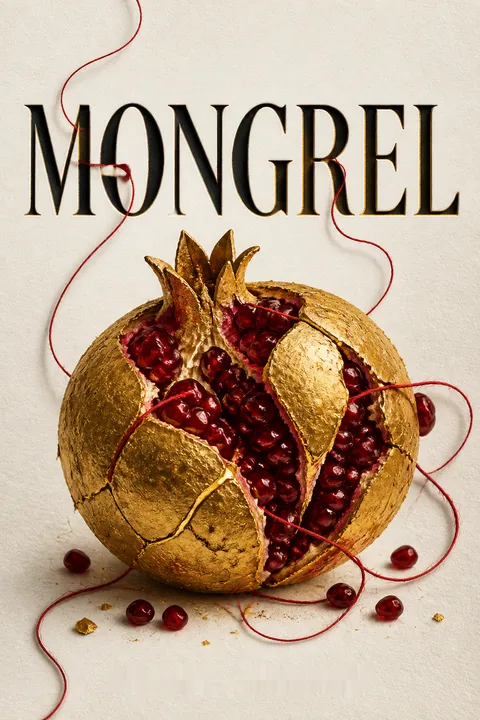
A story within the story, the tale of the flower princess and the pomegranate mirrors the experiences of Mei and Yuki. The princess's garden is violated by an unworthy guest, her innocence stolen, her world turned to rot. The allegory speaks to the trauma of sexual violence, the loss of agency, and the long road to reclaiming oneself. It is a story of warning and survival, a reminder that not all wounds are visible, and not all stories end in rescue.
Crossing Boundaries
Haruka, Yuki's second daughter, grows up in rural Japan, shaped by the legacy of her mother's choices and the absence of her father. Her childhood is marked by the rhythms of the rice fields, the wisdom of her grandparents, and the ache of unanswered questions. As she comes of age, Haruka seeks connection in all the wrong places, her beauty both a weapon and a vulnerability. Her journey intersects with Mei's as secrets are unearthed and the boundaries between past and present blur.
The Weight of Secrets
The revelation that Mei's mother did not die when she was a child, but was instead kept from her by her father's lies, shatters Mei's sense of self. The discovery of a half-sister, Haruka, and a family in Japan she never knew, forces Mei to confront the cost of secrets and the possibility of forgiveness. The pain of abandonment is matched by the pain of reunion, as both sisters struggle to bridge the gap between their lives. The truth, once revealed, is both a wound and a balm.
Sisters Reunited
Mei travels to Japan, her heart heavy with hope and fear. The meeting with Haruka is awkward, tender, and transformative. The sisters, so different and yet so alike, navigate the silences and misunderstandings that come with language and history. They share memories, food, and the rituals of their mother's homeland, slowly building a bond that transcends blood. In each other, they find a reflection of what was lost and what can still be reclaimed.
The Truth Unveiled
Through letters, photographs, and the testimony of their grandmother, the full story of Yuki's life and death is revealed. The pain of separation, the struggle for custody, and the violence that shaped their mother's final years come into focus. Mei and Haruka must reckon with the legacy of their parents' choices, the ways in which love and harm are intertwined. The truth is messy, incomplete, but it offers a path toward understanding and, perhaps, healing.
Cleansing and Healing
In the communal bathhouse, Mei and Haruka find a space to shed the burdens of the past. Naked and unguarded, they wash away the shame and pain that has clung to them for years. The ritual is both literal and symbolic—a cleansing of body and spirit, a return to innocence. In each other's presence, they find acceptance and the possibility of starting anew. The scars remain, but they are no longer hidden.
Ancestors' Festival
The sisters participate in the Obon festival, honoring their ancestors and seeking connection with their mother's spirit. The rituals of dance, food, and prayer offer a sense of belonging and continuity, even as grief lingers. The festival is a moment of communal healing, a reminder that the past is never truly gone, and that the living carry the dead within them. Mei and Haruka, surrounded by family and tradition, glimpse the possibility of peace.
The Fox-Woman's Lesson
The story of the fox-woman, beaten and burned but ultimately free, serves as a parable for the women of the novel. Love cannot be won through suffering or submission; it must be found within. The fox's journey is one of pain and resilience, a testament to the power of self-knowledge and the futility of seeking validation from those who would harm us. The lesson is hard-won, but it offers hope for a different kind of future.
Letting Go, Moving On
As Mei prepares to leave Japan, the sisters exchange gifts and promises. The pain of parting is softened by the knowledge that they are no longer alone. Haruka, left behind, feels the ache of absence but also the stirrings of new growth. The family, fractured and mended, faces the future with a sense of possibility. The past cannot be undone, but it can be integrated, honored, and, in time, transcended.
Golden, Not Yellow
Back in England, Mei reconnects with Fran and confronts the traumas that have shaped her. She tells her story, is finally heard, and begins to let go of the need for external validation. The journey toward self-acceptance is ongoing, but Mei is no longer defined by what she has lost. She is golden, not yellow—whole, complex, and radiant in her difference. The novel ends with a sense of hope, a belief in the possibility of healing, and the enduring power of sisterhood.
Analysis
Mongrel is a profound meditation on identity, trauma, and the search for belonging in a world that is both beautiful and brutal. Hanako Footman crafts a narrative that is at once intimate and expansive, tracing the lives of women across continents and generations. The novel interrogates the costs of silence—how secrets, whether born of shame, protection, or violence, can fracture families and selves. Yet, it also offers hope: the possibility of healing through truth-telling, the reclamation of heritage, and the forging of new bonds. The story is unflinching in its depiction of sexual violence, racism, and the complexities of mother-daughter relationships, but it is also tender in its portrayal of love, resilience, and the small rituals that sustain us. Mongrel ultimately argues that wholeness is not found in purity or perfection, but in the acceptance of our mixed, messy, and golden selves. The journey from shame to self-love is arduous, but it is possible—and, in the end, it is what makes us human.
People Also Read










Characters
Mei (Meiko)
Mei is a British-Japanese woman whose life is shaped by the early loss of her mother and the complexities of her mixed heritage. She is introspective, sensitive, and fiercely intelligent, but also deeply wounded by abandonment and the racism she endures growing up in England. Her relationships—with her father, stepmother, best friend Fran, and later her half-sister Haruka—are marked by longing, shame, and a desperate need to be seen. Mei's journey is one of self-discovery: she must confront the lies that have defined her, the trauma of sexual violence, and the limits of love. Through music, memory, and the reclamation of her Japanese roots, Mei learns to accept her fractured self and to find connection in unexpected places.
Yuki
Yuki is Mei and Haruka's mother, a talented violinist whose life is marked by migration, ambition, and heartbreak. She leaves Japan for England, seeking opportunity but finding isolation and cultural dislocation. Her marriage to Alex is fraught with power imbalances and ends in betrayal and violence. Yuki's love for her daughters is fierce but complicated—she is forced to choose, and ultimately loses, both. Her psychological landscape is one of guilt, longing, and resilience. Even in death, Yuki's presence lingers, shaping the lives of her daughters and the family she left behind. She embodies the sacrifices and silences of women who cross borders, and the enduring ache of what cannot be reclaimed.
Haruka
Haruka is Yuki's second daughter, raised in rural Japan by her grandparents after her mother's death. She is strong-willed, resourceful, and deeply affected by the absence of both parents. Haruka's beauty and intelligence are both a blessing and a curse, drawing attention and danger in equal measure. She seeks connection through risky relationships, sex work, and fleeting friendships, always haunted by the sense of being second-best. The discovery of her half-sister Mei offers both hope and pain—a chance to rewrite her story, but also a confrontation with the wounds of abandonment. Haruka's development is marked by a gradual acceptance of her own worth, and a determination to break the cycle of silence and shame.
Fran
Fran is the golden girl of Mei's adolescence—blonde, privileged, and seemingly effortless. She is both confidante and object of desire, her friendship with Mei charged with unspoken longing and rivalry. Fran's own struggles—with family, sexuality, and conformity—are often hidden beneath a veneer of confidence. Her inability to fully reciprocate Mei's love, and her silence in the face of Mei's trauma, are sources of deep pain. Yet, Fran is also a site of comfort and nostalgia, a reminder of what was possible before the world intervened. Her relationship with Mei is a microcosm of the novel's themes: the difficulty of being truly seen, the dangers of silence, and the enduring hope for connection.
Alex
Alex is Yuki's violin teacher in London, a charismatic and talented man whose interest in Yuki blurs ethical boundaries. Their relationship, initially a source of validation and escape for Yuki, becomes increasingly fraught as power imbalances and cultural differences surface. Alex's inability to provide true support, his infidelity, and his ultimate betrayal (fighting for custody of their daughter) mark him as both a catalyst for Yuki's growth and a source of lasting harm. He represents the dangers of seeking salvation in others, and the ways in which love can be both redemptive and destructive.
Baba (Grandmother)
Baba is Yuki's mother and the grandmother to Mei and Haruka. She is a figure of strength, tradition, and endurance, holding the family together through loss and upheaval. Her wisdom is practical, her love expressed through food, rituals, and the maintenance of the home. Baba is also a keeper of secrets, burdened by the knowledge of her daughter's suffering and the fractures within the family. Her relationship with her granddaughters is marked by both tenderness and regret—a longing to protect them from the pain she could not prevent.
Jiji (Grandfather)
Jiji is Yuki's father, a rice farmer whose life is defined by hard work, pride, and a stubborn adherence to the old ways. He is both loving and flawed, his grief over Yuki's departure and death manifesting in anger and withdrawal. Jiji's relationship with Haruka is complicated by generational and cultural gaps, but he remains a constant presence—a reminder of the family's roots and the endurance of love, even when it cannot be easily expressed.
Taichi
Taichi is Yuki's high school boyfriend in Japan, a gentle and somewhat passive man whose life takes a conventional path. His reappearance in Yuki's life, years later, is fraught with nostalgia, longing, and the possibility of redemption. Their brief reconnection is marked by both tenderness and exploitation, highlighting the ways in which old wounds can be reopened and the dangers of seeking comfort in the past.
Matilda
Matilda is Alex's second wife and Mei's stepmother, a woman of privilege and ambition. Her relationship with Mei is initially marked by distance and competition, but over time, a fragile understanding develops. Matilda's own struggles—with infertility, identity, and the demands of motherhood—mirror those of Yuki and Mei, offering a counterpoint to the novel's central themes. She is both a source of pain and, ultimately, a figure of support.
Hector
Hector is Matilda's father, a wealthy and powerful man whose casual racism and sexism are emblematic of the world Mei must navigate. His presence at family gatherings is a source of discomfort and danger, his actions a reminder of the violence that can be hidden beneath civility. Hector's interactions with Mei and the other women in the novel underscore the pervasiveness of male entitlement and the ways in which it shapes the lives of women across generations.
Plot Devices
Dual Narrative Structure
The novel employs a dual (and at times triple) narrative, alternating between Mei's life in England, Yuki's journey from Japan to London and back, and Haruka's coming of age in rural Japan. This structure allows for a rich exploration of generational trauma, cultural dislocation, and the ways in which the past shapes the present. The shifting perspectives create a sense of inevitability, as the characters' lives converge and secrets are revealed.
Symbolism of Food, Music, and Ritual
Food, music, and traditional rituals are recurring motifs, serving as bridges between characters and across cultures. Meals are sites of both comfort and conflict, music is a language that transcends words, and rituals (from bathhouse cleansing to Obon festival dances) offer moments of healing and belonging. These symbols ground the characters in their heritage, even as they struggle to define themselves.
Foreshadowing and Fairy Tales
The inclusion of fairy tales—such as the princess and the pomegranate, and the fox-woman—serves as both foreshadowing and commentary on the main narrative. These tales mirror the characters' experiences of violation, transformation, and survival, offering allegorical insight into the psychological and emotional stakes of the novel. The use of foreshadowing heightens the sense of fate and the inescapability of certain wounds.
The Body as Battleground
The characters' bodies are sites of both pleasure and pain—cutting, sex, pregnancy, and illness are all rendered in visceral detail. The body becomes a battleground for issues of identity, agency, and trauma. The scars, both visible and hidden, are reminders of what has been endured and what must be overcome.
Letters, Photographs, and Lost Objects
The discovery of letters, photographs, and family heirlooms serves as a catalyst for revelation and reconciliation. These objects are imbued with memory and meaning, offering tangible links to lost loved ones and forgotten histories. Their unearthing propels the characters toward truth, even when it is painful.
Download PDF
Download EPUB
.epub digital book format is ideal for reading ebooks on phones, tablets, and e-readers.








































