
Plot Summary
Ashland's Descent Into Chaos
Ashland is a city unraveling, its streets echoing with sirens and the news of rising homicides. Detective Phillip Bryant, a man of integrity in a corrupt police force, struggles to protect his family and the city he loves. His daughter, Nylah, is a model student, but beneath her perfection lies anxiety and trauma, especially after her best friend Casey's disappearance. The city's criminal underworld, led by the enigmatic Elias Cartier and his Faceless syndicate, tightens its grip, leaving even the police compromised. As violence escalates, the Bryant family's sense of safety is shattered, setting the stage for a collision between innocence and the city's darkest forces.
Shadows and Stalkers
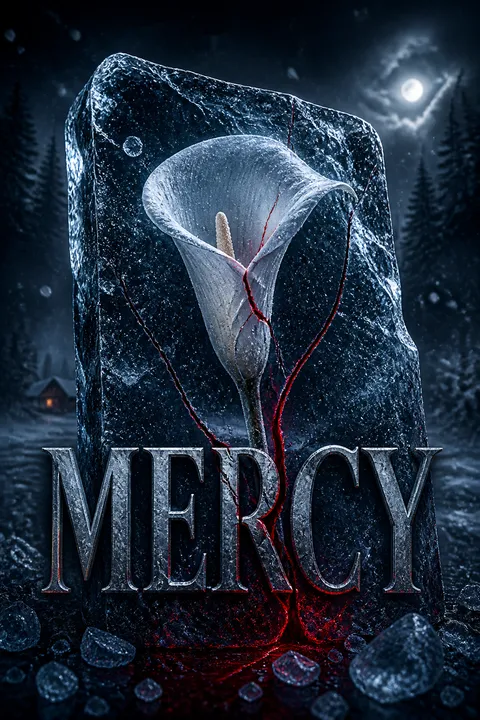
Nylah's life is shadowed by a persistent sense of being watched. White calla lilies—her stalker's signature—begin appearing wherever she goes, fueling her paranoia. The mysterious biker, Jeremy, lurks at the edges of her world, his presence both terrifying and inexplicably magnetic. Nylah's attempts to maintain normalcy—school, social committee, family—are undermined by mounting fear. Meanwhile, her father's investigation into Ashland's criminal web brings danger ever closer to home. The city's corruption is not just systemic; it's personal, and the predator circling Nylah is about to strike.
The Lily and the Lion
Jeremy, a hulking, scarred enforcer with a haunted past, is both predator and protector. His fixation on Nylah grows, fueled by her rejection of his gifts and the twisted affection he feels. When violence claims Detective Bryant's partner and the family is left vulnerable, Jeremy's role shifts from distant watcher to active threat. His internal struggle—between the monstrous lessons of his upbringing and a desperate need for connection—drives him to finally claim the girl he believes is his. The city's chaos becomes the backdrop for a more intimate, terrifying game.
Abduction in the Night
The tension snaps when Nylah is abducted from her school parking lot, her desperate fight for freedom echoing her father's warnings and her own worst fears. Drugged and overpowered, she is whisked away to a remote cabin, her fate now in the hands of the man who has stalked her for months. Jeremy's methods are brutal, his need for control absolute. For Nylah, the nightmare is just beginning—a test of will, endurance, and the boundaries of survival.
Captive in the Cabin
Awakening bound and at Jeremy's mercy, Nylah is thrust into a world of psychological and physical torment. Jeremy's care is as violent as it is tender, his affection laced with threats and punishment. The cabin becomes a crucible: Nylah's attempts to escape are met with calculated cruelty, and her resistance is both a source of pride and a trigger for further abuse. As days blur, the lines between captor and captive, hate and need, begin to erode, leaving Nylah questioning her own mind.
The Monster's Mark
After a failed escape, Jeremy punishes Nylah by carving his mark into her skin—a brutal assertion of possession. The act is both a warning and a twisted declaration of love. Nylah's pain is met with Jeremy's strange aftercare, blurring the boundaries between tormentor and savior. The physical wound becomes a symbol of her captivity, a constant reminder of the power he holds over her body and fate. Yet, beneath the violence, a warped intimacy begins to take root.
Games of Power and Pain
Life in the cabin becomes a series of mind games. Jeremy alternates between cruelty and tenderness, testing Nylah's limits and forcing her to adapt. She learns to read his moods, to survive by appeasing him, even as she plots escape. Their interactions become a dance of dominance and submission, with moments of genuine connection surfacing amid the trauma. Jeremy's own past—his father's monstrous legacy—haunts him, shaping his actions and his desperate need for Nylah's acceptance.
The Hunter and the Hunted
Nylah seizes a chance to flee into the snowy woods, only to find herself hunted for sport. Jeremy's pursuit is relentless, his pleasure in the chase both terrifying and exhilarating. The forest becomes a stage for primal fear and predation, ending with Nylah's recapture and a new lesson in the futility of resistance. The experience cements her role as prey, but also reveals Jeremy's vulnerabilities—his need for her, his fear of abandonment, and the cracks in his monstrous facade.
Surrender and Survival
With escape impossible, Nylah shifts her strategy to survival through compliance. She learns to navigate Jeremy's rules, finding small freedoms in submission. Their relationship mutates into a twisted partnership, with moments of comfort and even affection emerging amid the ongoing abuse. Jeremy's attempts at normalcy—cooking, caring for her, sharing fragments of his past—create a fragile, dangerous intimacy. Nylah's sense of self is battered, but her will to live remains unbroken.
The War for Ashland
Outside the cabin, Ashland explodes into open warfare. The Lost Souls MC, led by Chase Mathers and joined by survivors like James O'Hare, return to reclaim the city from Elias Cartier and the Faceless. Jeremy, caught between his past as a killer and his new allegiance to Nylah, becomes a pivotal player. Betrayals, assassinations, and street battles culminate in a final, bloody confrontation. The city's fate—and Nylah's—hangs in the balance as old kings fall and new powers rise.
Death of a Kingpin
The war reaches its climax as Jeremy confronts Elias, the man who made him a weapon. In a brutal, cathartic showdown, Jeremy kills Elias, but not without cost—suffering a heart attack that nearly claims his life. The city is left in ruins, but the Faceless are destroyed. Jeremy's survival is uncertain, and his future with Nylah hangs by a thread. The cycle of violence that shaped him is finally broken, but the scars—physical and psychological—remain.
Ghosts, Graves, and Goodbyes
As Ashland rebuilds, the survivors reckon with their losses. Nylah is returned to her family, forever changed by her ordeal. Jeremy, recovering in hiding, is haunted by the ghosts of his past—his monstrous father, the mother he lost, and the lives he's taken. The city's new order is established, with James O'Hare leading the Lost Souls and a fragile peace settling over the streets. For Nylah and Jeremy, separation is both a relief and a wound that refuses to heal.
Healing and Haunting
Nylah struggles to reclaim her life, haunted by memories of captivity and the complicated bond she formed with her captor. Jeremy, in exile, faces his own demons—questioning whether he can ever be more than the monster he was made to be. Both are marked by their experiences, their futures uncertain. The city moves on, but the past lingers, shaping every step they take toward healing.
The Price of Freedom
Freedom comes at a steep price. Nylah's return to normalcy is fraught with guilt, shame, and longing. Jeremy's survival is a daily battle against the darkness within. The world offers them new beginnings, but the scars of violence and obsession are slow to fade. Each must decide what they are willing to sacrifice for peace, for love, and for the hope of a life beyond the shadows.
New Kings, Old Wounds
With the Faceless destroyed, Ashland is reborn under new leadership. James O'Hare, once a broken man, becomes the city's protector, forging alliances and honoring the dead. The Lost Souls MC establish order, but the wounds of the past run deep. Survivors like Casey and Keenan find their own paths to healing, while the city's ghosts linger in every alley and graveyard. The cycle of violence is broken, but its echoes remain.
Reunion Under Red Leaves
Months later, in the autumnal beauty of Montreal, Nylah and Jeremy are drawn together once more. Their reunion is tentative, charged with the weight of all they've endured. The world has changed, but their connection endures—haunted, complicated, and undeniable. In the shadow of red leaves, they find the courage to face each other, to acknowledge the love and pain that binds them, and to imagine a future beyond fear.
The Enduring Shadow
Even as life moves forward, the past remains a living presence. Jeremy and Nylah's love is shaped by trauma, but also by resilience and hope. The city, the graves, the scars—they are all part of a story that refuses to be forgotten. The dead speak through memory, and the living carry their shadows. In the end, it is love—imperfect, hard-won, and enduring—that offers the possibility of redemption.
Love Beyond the Grave
In the final reckoning, the survivors gather to honor the dead and the living. Mina, Casey, and the next generation find solace in each other, while Jeremy and Nylah embrace the future they fought so hard to claim. The ghosts of Ashland are laid to rest, and the cycle of violence gives way to the hope of healing. Love, in all its darkness and light, endures—beyond pain, beyond death, beyond the grave.
Analysis
A modern dark romance of trauma, survival, and the search for redemptionMercy is a harrowing exploration of the ways violence, love, and power intersect in a world where innocence is a liability and survival demands impossible choices. Through its dual narrative, the novel immerses the reader in the psychological realities of both victim and predator, refusing easy answers or moral comfort. The story interrogates the legacy of abuse—how monsters are made, and whether they can ever be unmade. Nylah's journey from terror to adaptation, and Jeremy's struggle to break free from his father's shadow, are mirrored in the city's own transformation from chaos to fragile order. The novel's use of trauma bonding, symbolism, and shifting alliances challenges the reader to question the boundaries of agency, forgiveness, and love. Ultimately, Mercy suggests that healing is possible, but only through the painful work of facing the past, accepting imperfection, and choosing connection over isolation. The scars remain, but so does the hope for something better—a love that endures, even in the shadow of the grave.
Review Summary
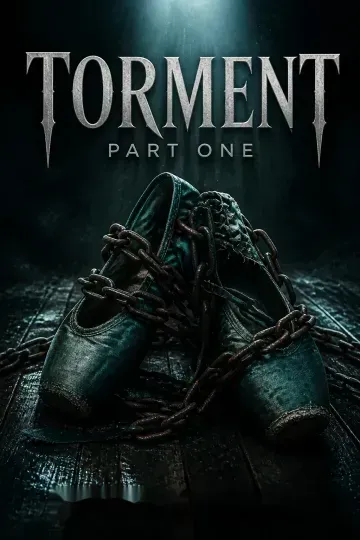
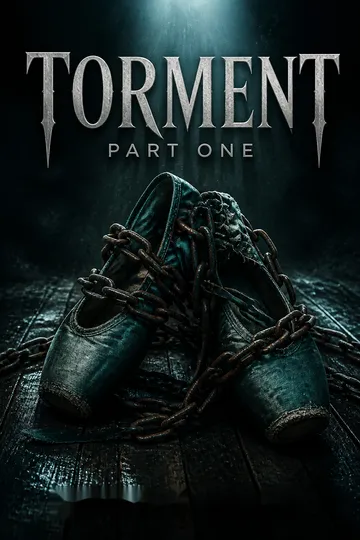
Mercy concludes Dylan Page's Bleeding Hearts series, following psychotic hitman Jeremy who kidnaps and repeatedly rapes eighteen-year-old Nylah. Reviews are deeply divided: many praise the dark romance and emotional bonus epilogue featuring deceased character Shay, calling it a perfect series ending that made them cry. Critics cite bland characters, poor editing, excessive chess game descriptions, unconvincing Stockholm syndrome, boring motorcycle club subplots, and underdeveloped character dynamics. Multiple readers note it lacks the impact of earlier series installment Torment, though Jeremy's dark appeal resonates with fans of morally gray antiheroes.
Characters
Nylah Bryant
Nylah is the heart of the story—a bright, ambitious young woman whose life is shattered by violence and obsession. Daughter of Detective Bryant, she is raised to be strong and self-sufficient, but the disappearance of her best friend and the city's growing danger leave her anxious and hyper-vigilant. Her abduction by Jeremy is both a crucible and a transformation: she endures physical and psychological torment, but adapts with remarkable resilience. Nylah's journey is one of survival, adaptation, and the search for meaning amid trauma. Her relationship with Jeremy is fraught—marked by fear, anger, and a twisted intimacy that blurs the lines between victim and partner. Ultimately, Nylah's strength lies in her refusal to be defined by her suffering, her capacity for empathy, and her determination to reclaim her life, even as she is forever changed by what she endures.
Jeremy
Jeremy is both monster and man—a product of horrific abuse, molded by a serial killer father and a life of violence. Towering, scarred, and emotionally stunted, he is driven by obsession and a warped sense of love. His fixation on Nylah is at once protective and possessive, leading him to abduct and brutalize her in a desperate bid for belonging. Jeremy's internal world is a battleground: he is tormented by memories, guilt, and the fear of becoming his father. Yet, beneath the brutality, he craves acceptance and redemption. His development is marked by moments of vulnerability, tenderness, and a growing awareness of the damage he inflicts. Jeremy's ultimate act—killing Elias and freeing Nylah—signals a break from his past, but his future remains uncertain, defined by the scars he carries and the love he cannot relinquish.
Detective Phillip Bryant
Phillip Bryant is a rare force of integrity in a city rotting from within. As a detective, he is relentless in his pursuit of justice, but his efforts are constantly undermined by corruption and loss. As a father, he is loving but overprotective, haunted by the knowledge that he cannot shield Nylah from the world's darkness. His guilt over Casey's disappearance and his own partner's death weighs heavily, fueling his determination to bring down Elias Cartier. Bryant's arc is one of endurance and sacrifice—he is willing to risk everything for his family, even as the city he loves slips further into chaos. His eventual decision to trust Jeremy with Nylah's safety is a testament to his pragmatism and his desperate hope for redemption.
Elias Cartier
Elias is the spider at the center of Ashland's web—a brilliant, ruthless crime lord who manipulates the city's institutions for his own gain. His power is built on fear, corruption, and a willingness to destroy anyone who threatens his rule. Elias's relationship with Jeremy is complex: he sees him as both tool and threat, a weapon to be used and discarded. As the city erupts into war, Elias's paranoia and cruelty intensify, leading to his violent downfall. He is the embodiment of the city's sickness, and his death marks the end of an era of unchecked brutality.
James O'Hare (Sheik)
Once the president of the Celtic Beasts MC, James is a man hollowed by loss—of his son, his club, and his city. Forced into hiding, he is consumed by grief and guilt, but finds new purpose in the fight to reclaim Ashland. His alliance with Jeremy is uneasy, built on necessity and mutual understanding of violence. As the war ends, James emerges as the city's new protector, leading the Lost Souls MC with a sense of honor and responsibility. His journey is one of redemption, as he seeks to build a safer world for the next generation.
Casey Cooper
Casey's disappearance is the catalyst for much of the novel's action, her fate a haunting reminder of the city's failure to protect its most vulnerable. Her story is one of survival against impossible odds, and her eventual return is a testament to resilience and the power of found family. Casey's presence lingers throughout, shaping Nylah's choices and the city's conscience.
Keenan Mathers
Keenan is the son of a slain MC president, caught between the violence of his heritage and the hope for a different life. His relationship with Mina and their child represents the possibility of healing and new beginnings. Keenan's role in the final war is pivotal, and his decision to step aside as leader signals a break from the cycles of violence that defined the past.
Preston Whitley (D'yavol Smerti)
Preston is a mirror to Jeremy—a killer shaped by trauma, operating by his own code. His arrival signals the shifting alliances and the global reach of Ashland's conflict. Preston's presence is both a threat and a resource, and his understanding of Jeremy's nature allows for a grudging respect. He is a reminder that monsters can sometimes be useful, and that survival often requires making peace with darkness.
Laila Bryant
Laila is the quiet strength of the Bryant family, her love and creativity a counterpoint to the violence surrounding them. Her suffering during Nylah's disappearance is profound, but she remains a source of hope and healing. Laila's resilience and compassion are essential to Nylah's recovery, and her presence is a reminder of the possibility of beauty amid horror.
Mina Westberg
Mina's journey from victim to mother, from grief to acceptance, is a parallel to Nylah's. Her relationship with Keenan and her role in the story's epilogue underscore the themes of healing, legacy, and the enduring power of love. Mina's forgiveness of the past and her commitment to the future offer a vision of peace that transcends violence.
Plot Devices
Dual Narratives and Shifting Perspectives
The novel employs a dual narrative structure, alternating between Nylah's and Jeremy's perspectives. This device immerses the reader in both the victim's terror and the captor's twisted logic, creating a claustrophobic intimacy. The shifting viewpoints allow for deep psychological exploration, revealing the ways trauma, love, and violence intertwine. The reader is forced to confront uncomfortable sympathies and the blurred boundaries between monster and man, survival and surrender.
Symbolism of the Lily and the Mark
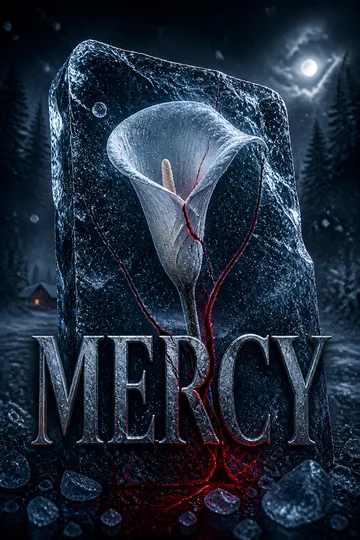
The recurring motif of the white calla lily symbolizes both innocence and threat—Jeremy's gifts are at once romantic and menacing. The act of branding Nylah with his mark literalizes the theme of possession, making her body a battleground for control. These symbols recur throughout, reinforcing the novel's exploration of agency, identity, and the cost of survival.
Trauma Bonding and Stockholm Syndrome
The evolving relationship between Nylah and Jeremy is driven by trauma bonding—a complex mix of fear, dependence, and reluctant affection. The narrative structure mirrors this dynamic, drawing the reader into the same cycle of dread and comfort, punishment and reward. The use of aftercare, forced intimacy, and moments of tenderness amid violence blurs the lines between love and coercion, challenging the reader's moral certainties.
Foreshadowing and Cycles of Violence
The novel is rich in foreshadowing, with Jeremy's memories of his father's abuse and the city's history of corruption casting long shadows over current events. The cycles of violence—familial, institutional, personal—are mirrored in the structure, with each generation struggling to break free. The use of graves, ghosts, and recurring motifs underscores the inescapability of the past, even as the characters fight for a different future.
War as Catharsis and Transformation
The eruption of gang war in Ashland serves as both climax and crucible, forcing characters to confront their loyalties, fears, and desires. The violence is both literal and symbolic—a purging of the city's sickness and a test of the survivors' capacity for change. The war's aftermath allows for new beginnings, but only at great cost, reinforcing the novel's central question: what is the price of freedom?
The Bleeding Hearts Series
About the Author

Download PDF
Download EPUB
.epub digital book format is ideal for reading ebooks on phones, tablets, and e-readers.








































