
Plot Summary
Blood and Ashes
Millicent's world is torn apart in a single night of blood and fire. Her coven is slaughtered, her mother dies in her arms, and the mage boy she once called friend—Cage—rides away on a dragon, leaving her to the carnage. The trauma brands her soul, forging a hunger for power and vengeance. This night becomes the crucible that shapes her, the memory that haunts her dreams and drives her every action. The world is cruel, and Millicent learns that love and safety are illusions easily shattered. She is left with nothing but rage, grief, and the cold resolve to never be weak again.
The Witch's Heir
Millicent is not just another witch—she is the heir of the Le Strange coven, marked by both blood and dark magic, a combination unseen for centuries. Her power is coveted and feared, and her upbringing is one of isolation and relentless training. Nora, the coven's elder, molds her into a weapon, teaching her that attachment is weakness and that her emotions are dangerous. Millicent's only solace is Arcadia, her best friend, and Oliver, her impish familiar. Yet, even these bonds are hidden, for connection is forbidden. The weight of expectation and the legacy of her bloodline press down on her, shaping her into something both magnificent and monstrous.
Wolves and Sheep
Nora's philosophy is simple: the world is divided into wolves and sheep. Witches must be wolves, predators who take what they want and show no mercy. Millicent is forced to endure brutal lessons—rituals, bloodletting, and psychological torment—to harden her into the perfect heir. The Nightmother, a dark patron, whispers to her, promising strength in exchange for obedience and sacrifice. Millicent's humanity is slowly eroded, replaced by a cold, predatory instinct. She learns to suppress her pain, to wield her power without remorse, and to see love as a liability. The cost of survival is the death of innocence.
The Mage's Scar
Cage, once a child victim of the coven's cruelty, is now the king's mage and a force to be reckoned with. His body and mind bear the scars of Nora's "lessons"—ritual torture, magical branding, and the constant threat of losing control to the darkness within him. He is haunted by guilt for the massacre, by the memory of Millicent's blue eyes, and by the monster that stirs beneath his skin. His power is both a gift and a curse, and he fears what he might become if he lets go. Cage's journey is one of self-loathing, rage, and the desperate search for redemption—or at least, survival.
Nightmother's Bargain
Millicent's initiation into true power comes at a terrible price. In a ritual orchestrated by Nora, she drinks from a chalice of black, cursed liquid, binding herself to the Nightmother. The entity's voice becomes a constant presence, offering strength but demanding obedience and sacrifice. Millicent's body and soul are reshaped, her magic deepened, but the cost is her autonomy. The Nightmother's influence grows, blurring the line between Millicent's will and her patron's hunger. The witch becomes both vessel and weapon, her fate entwined with a force older and darker than any mortal.
Bound by Shadows
A threat from the North—mutations, possessions, and monstrous entities—forces an uneasy alliance between the Le Strange coven and the southern kingdom. Millicent is sent to the king's court, where she must work with Cage, the man she blames for her mother's death. Their relationship is a battlefield of old wounds, mutual hatred, and dangerous attraction. Both are haunted by the past, both are weapons forged in pain, and both are bound by secrets they cannot share. As they investigate the spreading corruption, their powers and traumas collide, threatening to destroy them—or to make them unstoppable.
The King's Bargain
King Felix, young and flamboyant, seeks to harness the witches' power to defend his kingdom. He is both charming and cunning, using humor and warmth to mask his own burdens. The alliance is fraught with tension—mortals and witches distrust each other, and every interaction is a negotiation of power. Felix's court is a place of intrigue, where alliances shift and secrets are currency. Millicent and Cage must navigate this world, balancing their own agendas with the demands of the king and the looming threat from the North. The cost of cooperation is high, and betrayal is always a heartbeat away.
The Familiar's Loyalty
Oliver, Millicent's familiar, is more than a magical companion—he is a piece of her soul, a source of comfort, and a mirror of her true self. His loyalty is absolute, his love unconditional, and his presence a balm for Millicent's wounds. Through Oliver, we see the remnants of Millicent's vulnerability and the possibility of redemption. He is her anchor, her confidant, and sometimes her conscience. In a world of violence and betrayal, Oliver's devotion is a rare and precious thing, a reminder that even monsters can be loved.
Curses and Compulsions
The investigation into the North's corruption leads Millicent and Cage into the world of curse users and manipulators. They encounter witches who can compel minds, mutate flesh, and warp reality itself. The boundaries between victim and perpetrator blur as they confront the horrors unleashed by dark magic. Millicent's own powers are tested, and Cage's mind is assaulted by forces that threaten to break him. The line between control and compulsion becomes dangerously thin, and both must confront the possibility that they are not as free as they believe.
The Manipulator's Web
To find the source of the curse, the team infiltrates a manipulator-run sin house, where pleasure and pain are tools of control. Millicent and Cage play dangerous games of seduction and dominance, using their bodies and wits to extract information. The experience is both intoxicating and dehumanizing, exposing the raw hunger and vulnerability beneath their masks. Betrayal is inevitable—Millicent drugs Cage, seeking to prove her own power and to settle old scores. The web of manipulation tightens, and trust becomes a weapon as deadly as any spell.
The Price of Power
Every use of magic exacts a toll. Millicent's blood magic demands feeding, and the risk of losing control is ever-present. Cage's power is a double-edged sword, his darkness always threatening to consume him. Both are forced into stasis—periods of healing that are as much curse as blessing. The pursuit of strength leaves them hollow, their victories tainted by the cost. The Nightmother's whispers grow louder, urging Millicent to take, to devour, to become more. The price of power is everything, and the debt is never paid in full.
The Domain of Beasts
The North's corruption manifests in monstrous creatures—mutated beasts with hive minds, domains that warp reality, and curses that possess and destroy. Millicent and Cage face horrors that defy understanding, their battles pushing them to the brink of exhaustion and madness. The line between hunter and hunted blurs as they confront the darkness within and without. Every victory is temporary, every defeat a step closer to annihilation. The world is changing, and the old rules no longer apply.
The Bond Unforgiven
Millicent attempts to bind Cage, seeking to claim his power and settle the score for her mother's death. The ritual fails, leaving both wounded—Millicent branded with Cage's initial, Cage nearly lost to the Nightmother's influence. Their hatred is reignited, but beneath it simmers a dangerous intimacy. The scars they inflict on each other are both physical and emotional, reminders of a bond that can never be fully severed. Forgiveness is impossible, but obsession endures.
The Collared Witch
After a violent outburst, Millicent is collared—a magical restraint that suppresses her power and marks her as dangerous. The humiliation is acute, but necessity forces her to cooperate with Cage and the others. Training, investigation, and battle become exercises in frustration and self-control. The collar is both a punishment and a test, a symbol of the thin line between monster and ally. Millicent's struggle is not just against her enemies, but against the darkness within herself.
Feeding and Fury
Millicent's need to feed becomes a crucible for her relationship with Cage. Their encounters are charged with violence and lust, each feeding blurring the line between pleasure and pain, dominance and submission. The shame that follows is as potent as the hunger itself, fueling a cycle of self-loathing and longing. Their bodies betray them, even as their minds war against each other. Theirs is a love story written in blood and fury, doomed and irresistible.
The Ball and the Trap
At a lavish ball, Millicent and Cage set a trap for an infected noble, using seduction and pain to draw out the curse. Their dance is both literal and metaphorical—a battle of wills, a test of trust, and a prelude to disaster. The trap works, but the cost is high. Millicent is drawn into a domain of illusion and horror, forced to confront her deepest fears and the ghosts of her past. The ball becomes a crucible, burning away the last vestiges of innocence and hope.
The Artifact Unleashed
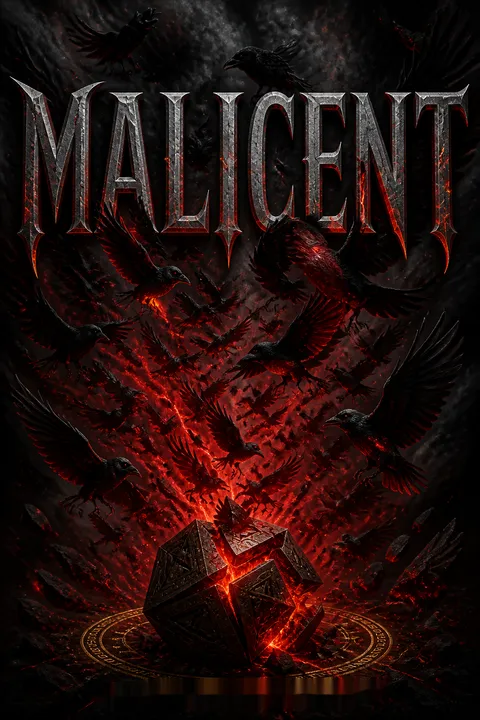
Millicent, manipulated by Nora and the Nightmother, betrays the court by stealing and opening a forbidden artifact. The result is chaos—mutated crows flood the castle, slaughtering indiscriminately. The team is forced into a desperate battle for survival, their trust in each other shattered. Millicent's actions are both a cry for help and an assertion of agency, a reminder that she is no one's pawn. The consequences are catastrophic, and the path to redemption grows ever narrower.
The Crow Storm
The unleashed crows become a storm of death, tearing through the castle and leaving a trail of bodies. Millicent, Cage, and the others fight to contain the horror, but the damage is done. Guilt and grief weigh heavily, and the survivors are left to pick through the wreckage of their lives and relationships. The storm is both literal and symbolic—a reckoning for the choices made, the power sought, and the lines crossed. Survival is no longer enough; something must change.
The Monster Within
Millicent is possessed by the Nightmother, her body and will overtaken by the entity's hunger. She becomes a true monster, a force of destruction that cannot be reasoned with or restrained. Cage and the others are forced to confront the reality that the greatest threat is not from without, but from within. The battle for Millicent's soul is both physical and metaphysical, a struggle between love and annihilation, hope and despair. The end of innocence is complete, and the future is uncertain.
The End of Innocence
The dust settles, but nothing is as it was. The survivors are scarred, their relationships fractured, and the world forever changed. Millicent is left to reckon with the consequences of her actions, the loss of those she loved, and the knowledge that she is both victim and perpetrator. Cage, too, must confront his own darkness and the possibility that redemption is out of reach. The story ends not with triumph, but with the lingering question: can monsters be saved, or is the only mercy to end the cycle of suffering?
Analysis
Malicent is a harrowing exploration of trauma, power, and the cyclical nature of violence. Through the intertwined stories of Millicent and Cage, the novel interrogates the cost of survival in a world where love is weaponized and power is always bought with pain. The narrative refuses easy answers—its characters are both victims and perpetrators, shaped by forces beyond their control but never absolved of responsibility. The use of magical realism and body horror externalizes psychological wounds, making the internal struggle visible and visceral. At its core, Malicent asks whether monsters are born or made, and whether redemption is possible for those who have been both. The novel's refusal to flinch from darkness is both its greatest strength and its most disturbing quality, offering a mirror to readers who have known suffering and a challenge to those who would look away. In the end, it is a story about the hunger for connection, the price of power, and the hope—however faint—that even the most broken can find a way to heal.
Review Summary
Malicent by Cassandra M.D. receives mostly enthusiastic reviews (4.28/5 from 666 reviews), praised for its dark fantasy worldbuilding, complex characters, and true enemies-to-lovers romance between Millicent and Cage. Readers love the morally gray protagonists, witty banter, found family dynamics, and the beloved imp familiar Ollie. The horror elements and magic system are highlighted as standout features. Some critics cite repetitive plot patterns, abusive relationship dynamics without proper warnings, and grammar issues. The cliffhanger ending leaves fans eagerly anticipating book two.
People Also Read



Characters
Millicent Le Strange
Millicent is the rare and powerful heir of the Le Strange coven, marked by both blood and dark magic. Her childhood is shattered by violence, and she is shaped by Nora's brutal lessons and the Nightmother's whispers. Isolated, traumatized, and driven by a hunger for power and vengeance, Millicent is both victim and monster. Her relationships—with Arcadia, Oliver, and even Cage—reveal glimpses of vulnerability and longing, but her capacity for violence and self-destruction is ever-present. She is a study in contradictions: ruthless yet capable of love, monstrous yet yearning for connection, always walking the line between salvation and damnation.
Cage Black
Cage is the king's mage, a man haunted by the trauma inflicted by the Le Strange coven and by his own uncontrollable power. His body and mind are marked by ritual torture, and he lives in fear of the darkness within him. His relationship with Millicent is fraught with guilt, hatred, and forbidden desire—a mirror of his own struggle for redemption. Cage is both protector and destroyer, capable of great tenderness and terrible violence. His journey is one of self-loathing, reluctant leadership, and the desperate hope that he can be more than the sum of his scars.
Arcadia
Arcadia is Millicent's childhood friend and the only person who truly sees her. A curse user with a rare magic, Arcadia is warmth and light in a world of shadows. She is fiercely loyal, compassionate, and unafraid to challenge Millicent's descent into darkness. Arcadia's presence is a reminder of what Millicent has lost—and what she might still reclaim. Her fate is a barometer for Millicent's own soul, and her suffering is the catalyst for some of the story's most devastating choices.
Nora
Nora is the cold, calculating elder of the Le Strange coven, obsessed with power and control. She molds Millicent into a weapon, using ritual, isolation, and psychological torment to break her will. Nora's love is conditional, her approval a prize to be won through suffering. She is both mother and monster, a symbol of the cycle of abuse that defines the coven. Her influence lingers long after her physical presence fades, shaping Millicent's choices and self-perception.
Oliver (Ollie)
Oliver is Millicent's impish familiar, a creature born from her soul and bound to her by magic. He is loyal, loving, and often the only source of comfort in Millicent's life. Oliver's presence reveals the remnants of Millicent's vulnerability and humanity, offering hope that she is not beyond redemption. He is both comic relief and emotional anchor, a reminder that even monsters can be loved.
King Felix Tyran
Felix is the young, flamboyant king of the southern kingdom. He is both cunning and kind, using humor and warmth to navigate the treacherous waters of politics and war. Felix's alliance with the witches is a gamble, and his relationship with Millicent is one of mutual respect, banter, and unexpected affection. He is a rare source of stability and acceptance in a world defined by suspicion and betrayal.
Iris
Iris is a necromancer witch who has chosen to live among mortals, using her powers for healing and research. She is brilliant, compassionate, and fiercely protective of those she loves. Iris's relationship with Kalix and Millicent is a model of chosen family, offering an alternative to the toxic bonds of the coven. Her struggle with the darkness of her own magic mirrors Millicent's, and her resilience is a beacon of hope.
Kalix
Kalix is the captain of the guard, a man of immense strength and surprising tenderness. He is skilled in both combat and alchemy, and his loyalty to Felix, Iris, and the others is unwavering. Kalix's relationship with Iris is one of deep devotion, and his mentorship of Luca reveals a capacity for kindness and patience. He is a stabilizing force, a bridge between mortals and witches, and a reminder that strength can coexist with vulnerability.
The Nightmother
The Nightmother is the dark entity that claims Millicent as her vessel. She is both seducer and tormentor, offering power in exchange for obedience and sacrifice. Her influence is insidious, blurring the line between Millicent's will and her own. The Nightmother is a symbol of generational trauma, addiction, and the seductive allure of power. She is both the source of Millicent's strength and the architect of her undoing.
Luca
Luca is a young guard who becomes Millicent's trainee and, unexpectedly, her friend. His kindness, curiosity, and refusal to judge her by her darkness offer a glimpse of what might be possible if the cycle of violence is ever broken. Luca's presence is a reminder that innocence and hope can survive, even in a world as brutal as this one.
Plot Devices
Dual Protagonists and Mirrored Trauma
The novel's structure alternates between Millicent and Cage, allowing readers to experience both sides of their shared trauma. Their stories mirror each other—both are shaped by violence, both are manipulated by those in power, and both struggle with the darkness within. This duality creates a sense of inevitability, as their fates are entwined and their choices echo across the narrative. The use of memory, flashback, and internal monologue deepens the psychological complexity, blurring the line between victim and perpetrator.
Magical Realism and Body Horror
Magic in this world is not a gift but a burden, exacting a physical and psychological toll. Rituals, mutations, and possessions are described in visceral detail, emphasizing the cost of power. The body becomes a battleground—scarred, branded, and reshaped by forces beyond control. This device heightens the horror and underscores the theme that nothing is gained without sacrifice.
Unreliable Narration and Domain Illusions
The narrative frequently slips into domains—magical spaces where reality is bent to the will of a creature or curse. These domains serve as metaphors for psychological trauma, trapping characters in cycles of fear, guilt, and self-destruction. The use of unreliable narration—memories that shift, illusions that deceive—keeps readers off-balance and mirrors the characters' own uncertainty about what is real.
Power Dynamics and Compulsion
Relationships in the novel are defined by shifting power dynamics—magical, physical, and emotional. Compulsion, both magical and psychological, is a recurring motif, raising questions about agency, consent, and the ethics of survival. The interplay of dominance and submission, especially in the relationship between Millicent and Cage, is both erotic and disturbing, reflecting the blurred boundaries between love and violence.
Foreshadowing and Cyclical Violence
The story is haunted by the past—childhood trauma, generational abuse, and the legacy of violence. Foreshadowing is used to build tension, with early events echoing later catastrophes. The cycle of suffering is both literal and symbolic, and the question of whether it can be broken is the novel's central tension.
Download PDF
Download EPUB
.epub digital book format is ideal for reading ebooks on phones, tablets, and e-readers.








































