
Plot Summary
Malibu's Nature to Burn
The novel opens with the elemental truth that Malibu is a place defined by fire—destruction and rebirth are woven into its landscape and its people. The 1983 fire, which will engulf the Riva family home, is foreshadowed as both inevitable and symbolic. Malibu's beauty is inseparable from its volatility, and the Riva family, like the land, is shaped by cycles of loss and renewal. The prologue sets the tone: what burns is not just the land, but the illusions, secrets, and burdens that families carry. The story of the Rivas is introduced as one of survival, transformation, and the hope that something new can rise from the ashes.
Riva Siblings Awaken
On the morning of the infamous party, Nina Riva wakes alone, her marriage in ruins, her home perched precariously above the ocean. Her siblings—Jay, Hud, and Kit—each begin their day with their own secrets and desires. Jay, the golden surfer, and Kit, the youngest, head to the waves, while Hud, the quiet photographer, hides a forbidden love. The siblings' lives are intertwined by shared trauma and fierce loyalty, but also by unspoken resentments and longing for freedom. As the day unfolds, the anticipation of the annual Riva party looms, promising both celebration and confrontation.
Family Myths and Origins
The narrative flashes back to the 1950s, tracing the passionate, doomed romance of June Costas and Mick Riva. June, a Malibu girl with big dreams, falls for Mick, a charismatic singer hungry for fame. Their love is intoxicating but fragile, built on promises and illusions. As Mick's star rises, so do his betrayals. June's hopes for a stable family are repeatedly dashed by Mick's infidelities and absences. The children—Nina, Jay, Hud, and Kit—inherit not just their parents' beauty and talent, but also their wounds and the myth of the Riva legacy, which is as much a burden as a blessing.
Waves, Wounds, and Bonds
For the Riva siblings, the ocean is both playground and sanctuary. Surfing binds them together, offering moments of grace and freedom amid the chaos of their family life. The siblings' early years are marked by poverty, their mother's struggles, and their father's abandonment. Yet, in the water, they find a sense of belonging and identity. The surfboard becomes a symbol of resilience—each sibling learning to ride the waves of loss, anger, and hope. Their shared rituals, like the making of "the Sandwich," reinforce their bond, even as adulthood threatens to pull them apart.
June and Mick's Romance
June and Mick's courtship is a whirlwind of glamour and longing. June dreams of a life beyond her parents' struggling restaurant, while Mick promises her the world. Their early years are filled with music, laughter, and the birth of their children. But Mick's ambition and weakness for other women soon unravel their marriage. June is left to pick up the pieces, raising four children on her own as Mick cycles through fame, fortune, and new wives. The family's foundation is cracked, but June's devotion to her children becomes the glue that holds them together—until her own strength falters.
Betrayals and New Beginnings
Mick's repeated betrayals devastate June, who turns to alcohol to numb her pain. The children witness their mother's decline and are forced to grow up quickly. When June dies tragically, Nina steps into the role of caretaker, sacrificing her own dreams to keep the family afloat. The siblings are left to navigate adulthood with little guidance, haunted by the legacy of their parents' choices. Yet, amid the heartbreak, they forge new paths: Nina becomes a model and local celebrity, Jay pursues surfing glory, Hud hones his craft behind the camera, and Kit searches for her own identity.
The Burden of Inheritance
The Riva siblings struggle with the expectations and traumas handed down by their parents. Nina, especially, feels the pressure to be both mother and father to her siblings, even as her own life unravels. The family restaurant, Riva's Seafood, becomes both a lifeline and a shackle. Each sibling grapples with questions of loyalty, duty, and selfhood. The annual party, once a symbol of their unity, now threatens to expose the cracks in their relationships. As the day of the party progresses, old wounds resurface, and the siblings are forced to confront what they owe each other—and what they owe themselves.
Surfboards and Survival
The ocean remains a constant in the Rivas' lives, a place where they can shed their burdens and remember who they are. Surfing is not just a sport but a way of surviving the storms of their family history. The siblings' shared love of the water is a reminder of their mother's promise to buy them surfboards, a promise fulfilled even amid hardship. The act of riding waves becomes a metaphor for navigating grief, betrayal, and change. As the party approaches, the siblings return to the water one last time, seeking solace and connection before everything is set ablaze.
June's Descent, Nina's Rise
June's death marks a turning point for the Riva family. Nina, barely an adult, becomes the de facto head of the household, sacrificing her education and youth to keep her siblings together. The siblings develop a system of survival, each taking on adult responsibilities far too soon. Nina's modeling career offers a way out, but also exposes her to new forms of exploitation and scrutiny. The family's fortunes rise, but the scars of abandonment and loss remain. The annual party becomes both a celebration of their survival and a stage for their unresolved conflicts.
The Party Approaches
As the infamous Riva party begins, the siblings' secrets and desires come to a head. Nina's estranged husband, Brandon, returns, seeking forgiveness. Hud and Jay's simmering conflict over Hud's relationship with Jay's ex-girlfriend, Ashley, threatens to explode. Kit, desperate to define herself, prepares for a night of firsts. The house fills with celebrities, surfers, and strangers, each bringing their own chaos. The party becomes a microcosm of Malibu itself—glamorous, volatile, and on the brink of disaster. As midnight approaches, the Rivas are forced to confront the truths they've been avoiding.
Night of Reckonings
The party spirals out of control, fueled by alcohol, drugs, and old resentments. Brandon's public plea for Nina's forgiveness is upstaged by the arrival of his mistress, Carrie Soto, leading to a humiliating confrontation. Hud and Jay's feud erupts into violence, exposing the depth of their pain and love for each other. Kit's search for identity leads to a moment of self-discovery. A mysterious young woman, Casey, arrives, claiming to be Mick Riva's daughter, forcing the family to reckon with the possibility of yet another sibling. As dawn approaches, the Rivas must decide what kind of family they want to be.
Fathers, Lovers, and Lies
Mick Riva arrives at the party, seeking reconciliation with his children. The siblings, weary and wounded, listen as Mick confesses his failures and asks for a second chance. Nina, finally, refuses to carry the weight of her father's love, choosing instead to live for herself. The siblings, joined by Casey, find a new sense of unity—not because of their father, but in spite of him. Hud and Jay begin to mend their bond, Kit embraces her true self, and Nina contemplates a future free from obligation. The family's reckoning is both painful and liberating.
The House in Flames
As the sun rises, the Riva home is set ablaze—literally and metaphorically. The fire, started by a careless cigarette, consumes the house and everything it represents: the burdens of the past, the weight of expectation, the pain of old wounds. The siblings watch as their childhood home burns, understanding that loss can also be a form of freedom. The fire is both an ending and a beginning, clearing the way for new growth. The Rivas, finally unburdened, are free to choose their own paths.
Forgiveness and Farewell
In the aftermath of the fire, the Riva siblings gather one last time. They forgive each other—and themselves—for the mistakes and betrayals that have shaped their lives. Nina, encouraged by her siblings, decides to leave Malibu and pursue her own happiness. Hud and Jay reconcile, Kit embraces her identity, and Casey is welcomed as family. Mick, realizing he is no longer needed, departs, leaving his children to build a future on their own terms. The siblings' farewell is bittersweet, but filled with hope.
Renewal from Ashes
As Malibu smolders, the Rivas step into the unknown, carrying with them the lessons of love, loss, and resilience. The fire that destroyed their home has also freed them from the past. Nina boards a plane to Portugal, ready to live for herself. The siblings, each changed by the night's events, look toward the future with a sense of possibility. The story ends as it began—with the promise that from destruction comes renewal, and that family, like Malibu, is always capable of rising from the ashes.
Analysis
Malibu Rising is a powerful meditation on the cycles of destruction and renewal that define both families and places. Through the story of the Riva siblings, Taylor Jenkins Reid explores how the burdens of the past—abandonment, betrayal, and the weight of expectation—can shape, but not determine, our futures. The novel's dual timelines and ensemble cast create a vivid portrait of a family forged in fire and water, bound by love and loss. At its core, the book asks whether we are doomed to repeat the mistakes of those who came before us, or whether we can choose to rise from the ashes and build something new. The answer, Reid suggests, lies in the courage to let go, to forgive, and to live for oneself. Malibu Rising is both a love letter to the resilience of siblings and a cautionary tale about the dangers of self-sacrifice. Its ultimate message is one of hope: that even in the aftermath of destruction, renewal is possible, and that family—chosen or inherited—can be both a source of pain and a wellspring of strength.
Review Summary
Malibu Rising received mixed reviews. Many praised the engaging family drama, compelling characters, and exploration of themes like sacrifice and family bonds. Some found it fast-paced and emotionally resonant. However, others felt disconnected from the characters, found the party scenes tedious, and thought the ending was anticlimactic. Several reviewers noted it wasn't as strong as the author's previous works. Overall, opinions were divided, with some calling it a perfect summer read and others finding it disappointing.
People Also Read










Characters
Nina Riva
Nina is the eldest Riva sibling, a strikingly beautiful model and surfer who becomes the de facto parent after their mother's death. She is defined by her sense of duty, often putting her siblings' needs above her own desires. Nina's marriage to tennis star Brandon ends in betrayal, mirroring her mother's heartbreak. Throughout the novel, Nina struggles with the burden of responsibility and the longing for personal freedom. Her journey is one of self-discovery—learning to let go of the need to save everyone and finally choosing herself. Nina's emotional arc is the heart of the story, embodying both the pain and the possibility of renewal.
Jay Riva
Jay is the second oldest, a charismatic and talented surfer whose identity is tied to his physical prowess and public image. He is fiercely loyal but also impulsive, often masking his vulnerabilities with bravado. Jay's rivalry with Hud over Ashley exposes his deep-seated fears of inadequacy and abandonment. His diagnosis with a heart condition forces him to confront his mortality and reevaluate what truly matters. Jay's journey is about learning humility, forgiveness, and the value of brotherhood over ego.
Hud Riva
Hud, the family's unofficial chronicler, is a gifted surf photographer and Jay's half-brother. He is introspective, sensitive, and often caught between loyalty and desire. Hud's secret relationship with Ashley, Jay's ex-girlfriend, creates a rift that threatens the siblings' unity. Hud's struggle is one of self-acceptance—learning to claim his own happiness without betraying those he loves. His quiet strength and capacity for empathy make him the emotional glue of the family, even as he grapples with guilt and the fear of repeating his father's mistakes.
Kit Riva
The youngest Riva, Kit is determined to carve out her own identity apart from her siblings' shadows. She is bold, awkward, and yearning for recognition—both as a surfer and as a woman. Kit's journey is one of sexual and personal awakening, culminating in her realization that she is attracted to women. Her struggle to be seen and accepted mirrors the family's larger quest for belonging. Kit's arc is about embracing authenticity and finding the courage to live on her own terms.
June Costas Riva
June is the Riva siblings' mother, whose early romance with Mick is filled with hope and promise. Over time, June is worn down by Mick's betrayals and the relentless demands of single motherhood. Her descent into alcoholism and eventual death is both a personal tragedy and a catalyst for Nina's transformation. June's legacy is complex—she is both a cautionary tale and a source of strength, her love and sacrifices shaping her children's resilience.
Mick Riva
Mick is a legendary singer whose charm and ambition are matched only by his inability to commit. He cycles through fame, fortune, and families, leaving a trail of broken hearts. Mick's sporadic attempts at reconciliation are too little, too late, and his children ultimately reject his belated overtures. Mick embodies the seductive allure and destructive power of narcissism, his presence haunting the family even in absence. His final appearance is marked by regret and the realization that love, without action, is meaningless.
Brandon Randall
Brandon is Nina's husband, a tennis star whose public persona masks deep insecurities. His affair with Carrie Soto and subsequent attempt to return to Nina mirror the patterns of betrayal established by Mick. Brandon's actions force Nina to confront her own patterns of self-sacrifice and ultimately choose independence. He is both a symbol of the external pressures facing the Rivas and a reminder that true happiness cannot be found in the approval of others.
Ashley
Ashley is Jay's ex-girlfriend and Hud's secret partner. Her relationship with Hud is a source of guilt and conflict, but also genuine affection and hope. Ashley's pregnancy becomes a turning point, forcing Hud and Jay to confront their loyalties and redefine their bond. Ashley represents the possibility of new beginnings, even when born from pain.
Casey Greens
Casey arrives at the party claiming to be Mick's daughter, the product of a long-ago affair. Orphaned and searching for family, Casey's presence challenges the Rivas to expand their definition of kinship. Her vulnerability and courage echo the siblings' own struggles, and her eventual acceptance into the family signals the possibility of healing and inclusion.
Tarine Montefiore
Tarine is Nina's closest friend, a glamorous model with a sharp tongue and a clear-eyed view of the world. She serves as both a mirror and a catalyst for Nina, urging her to live for herself and reject the roles imposed by others. Tarine's presence at the party provides moments of levity, wisdom, and solidarity, highlighting the importance of chosen family.
Plot Devices
Dual Timelines and Interwoven Narratives
The novel's structure alternates between the present-day events of the 1983 party and flashbacks to the Riva family's origins. This dual timeline allows the reader to see how the past shapes the present, how wounds are inherited, and how patterns repeat. The interwoven narratives of June and Mick's romance, the siblings' childhood, and the unfolding chaos of the party create a sense of inevitability—each revelation in the past foreshadows a reckoning in the present. The structure builds tension, deepens character development, and underscores the theme that history is both a burden and a source of renewal.
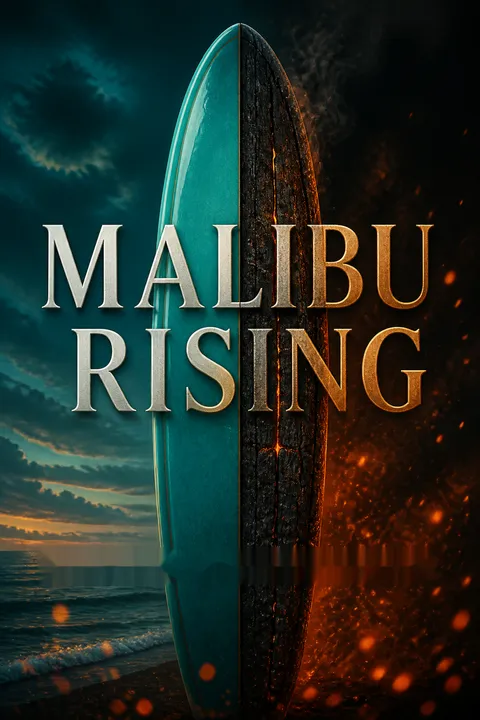
Symbolism of Fire and Water
Fire is both a literal and symbolic force in the novel, representing destruction, transformation, and the possibility of new beginnings. The burning of the Riva home is foreshadowed from the start, mirroring the emotional conflagrations within the family. Water, especially the ocean, serves as a counterpoint—a place of healing, escape, and connection. Surfing becomes a metaphor for endurance, adaptability, and the search for balance amid chaos. The interplay of fire and water reflects the characters' struggles to survive, let go, and rise again.
The Party as Crucible
The annual Riva party is the novel's central plot device—a crucible in which secrets are revealed, relationships are tested, and transformations occur. The party's escalating chaos mirrors the internal turmoil of the characters, forcing confrontations that have long been avoided. The compressed timeline heightens the stakes, creating a sense of urgency and inevitability. By the end of the night, nothing is left unchanged—the fire that consumes the house is both a literal and figurative cleansing.
Cycles of Abandonment and Renewal
The novel explores the ways in which patterns of abandonment, betrayal, and self-sacrifice are passed down through generations. Each character must confront the legacy of their parents' choices and decide whether to repeat or reject them. The story's resolution hinges on the siblings' ability to forgive, let go, and choose their own paths. The motif of rising from the ashes—both as individuals and as a family—underscores the possibility of renewal, even after profound loss.
Ensemble Cast and Shifting Perspectives
By giving voice to each sibling—and, at times, to secondary characters—the novel creates a rich tapestry of perspectives. This ensemble approach allows for nuanced exploration of family dynamics, individual desires, and the ways in which people both hurt and heal each other. The shifting viewpoints foster empathy, revealing the hidden struggles and strengths of each character. The result is a story that feels both intimate and expansive, capturing the complexity of love, loyalty, and the longing for freedom.
About the Author
Other books by Taylor Jenkins Reid







Download PDF
Download EPUB
.epub digital book format is ideal for reading ebooks on phones, tablets, and e-readers.








































