
Plot Summary
Blood and Bone, Night and Day
The story opens with Hanna, our narrator, on the edge of death—her blood pouring out as a vampire's fangs are ripped from her neck by a werewolf. The world blurs between pain and sleep, the violence of supernatural creatures clashing in the night. Hanna's desperate wish is for the comfort of home, her cats, and the mundane warmth of her bed. But darkness claims her, and the reader is thrust into a world where the boundaries between human and monster, safety and danger, are as thin as skin. This prologue sets the tone: life and death, love and violence, are always intertwined.
Cats, Pork, and Denial
Two weeks earlier, Hanna's life is a blend of the ordinary and the bizarre. She cooks pork for her cats, banters with her feline companion Gilbert, and tries to convince herself she's not a werewolf, despite her boss Abernathy's insistence. The gallery where she works is filled with eccentric artists—most of whom are werewolves. Hanna's self-deprecating humor and stubborn denial mask her anxiety about her identity and the supernatural world she's been thrust into. The mundane details of her life—her failed marriage, her cats, her job—are laced with the absurdity of werewolf politics and the threat of violence lurking just beneath the surface.
Artists, Wolves, and Secrets
Hanna's work at The Crossing, an art gallery and oddities shop, is anything but normal. The artists are werewolves, and the recent deaths and betrayals have left scars. Cleaning out the studio of the murderous Mrs. Kass, Hanna discovers a newspaper clipping about her own father's death, raising questions about her past. The gallery is a microcosm of supernatural society—rivalries, unrequited love, and secrets abound. Hanna's relationships with her coworkers, especially the gentle Steve and the gruff Kirkpatrick, reveal the complexities of pack dynamics and the pain of being an outsider, even among monsters.
Van Gogh's Arrival
Abernathy introduces Hanna to Vincent Van Gogh—alive, a werewolf, and on the run. The shock of meeting her artistic idol is compounded by the revelation that many famous artists are secretly werewolves, now being hunted and killed. Vincent's vulnerability and brilliance are palpable; he is haunted by the deaths of his friends and the threat to his own life. Hanna's awe and awkwardness around Vincent highlight her deep longing for connection and meaning, even as she is swept up in a deadly supernatural conspiracy. The gallery becomes a sanctuary for Vincent, but danger follows close behind.
The Gallery's Dark Past
As Hanna helps Vincent settle in, the gallery's history of violence resurfaces. The return of Helena—Abernathy's ex, recently murdered and now a werewolf—stirs jealousy and fear. The group's night out at the bar devolves into chaos, with drunken karaoke, supernatural flirtations, and a violent outburst from Vincent. The night ends with Vincent's arrest, Abernathy's mysterious disappearance with Helena, and Hanna's own entanglement with Detective Morrison, her former lover. The lines between protector and predator, friend and foe, blur as old grudges and new threats converge.
Karaoke, Love, and Absinthe
A night of drinking and karaoke exposes the vulnerabilities and desires of the group. Hanna's attempts to connect with Vincent are met with his despair and self-loathing. Abernathy's protective instincts clash with Hanna's independence, leading to tension and unresolved longing. The group's camaraderie is tested by jealousy, secrets, and the ever-present threat of violence. The supernatural world is revealed to be larger and stranger than Hanna imagined—Nereids, vampires, and unicorns are all real, and everything is connected. The night's revelry is a brief respite from the darkness closing in.
Helena Returns from the Dead
Helena's return as a werewolf complicates everything. Her rivalry with Hanna for Abernathy's attention is fierce and bitter, but beneath the surface lies a shared pain. The gallery is no longer a safe haven; threats multiply, and trust is in short supply. Abernathy's secrets and Hanna's stubbornness drive them apart, even as their attraction grows. The supernatural politics of mating, bloodlines, and power play out in personal and often painful ways. The past refuses to stay buried, and the consequences of old choices come due.
Drawings, Threats, and Revelations
Hanna receives a gruesome drawing depicting her own death, echoing the threats sent to Vincent and other werewolf artists. The realization that she is now a target forces her to confront the reality of her heritage and the dangers she faces. Abernathy's evasiveness about her past and the true nature of her family only deepens her sense of isolation. The gallery's community is under siege, and Hanna must decide who to trust and how to protect herself and those she cares about. The threat is no longer abstract—it is personal, and it is closing in.
The Pack Gathers, Chaos Ensues
A wave of werewolf suitors descends on Hanna, drawn by her status as an unclaimed heir. Their aggressive courtship is both absurd and terrifying, culminating in violence and humiliation. The gallery becomes a battleground, with windows shattered and blood spilled. Hanna's friendships are tested, and her sense of safety is shattered. The supernatural world's rules—about mating, power, and loyalty—are revealed to be as brutal as they are binding. Amid the chaos, Hanna's longing for love and belonging is both her greatest strength and her deepest vulnerability.
Suitors, Roadkill, and Danger
The threats escalate: roadkill left on Hanna's doorstep, home invasions, and near-assaults. The line between supernatural and mundane danger blurs, as Hanna is forced to defend herself with violence. The revelation that her own friends may be involved in the conspiracy against her is a devastating blow. The city is no longer safe, and Hanna's isolation grows. The only constant is her determination to survive and protect those she loves, even as the cost mounts. The huntress becomes the hunted, and the stakes are life and death.
London: Oscar Wilde's Game
Hanna's search for Abernathy leads her to London, where she is drawn into the orbit of Oscar Wilde—a vampire whose charm and cruelty are legendary. The city's history and beauty are a backdrop to a deadly game of seduction and manipulation. Oscar's philosophical nihilism and hunger for sensation mirror Hanna's own fears about love, loss, and meaning. The encounter leaves her physically and emotionally drained, her trust in herself and others shaken. The past and present collide, and the true nature of the threat is revealed.
Betrayal, Blood, and Truth
The final confrontation exposes the true villain: Theo, Vincent's brother, masquerading as Vincent himself. His vendetta against Abernathy and the pack is rooted in centuries-old wounds and the pain of loss. The violence is intimate and brutal—Abernathy is mortally wounded, and Hanna is forced to fight for her life. The truth about Hanna's family, her brother, and Abernathy's role in their fate is finally revealed. The cost of survival is high, and forgiveness is hard-won. The cycle of vengeance and grief threatens to consume them all.
The Final Hunt
In the aftermath of the battle, Hanna must make impossible choices. She saves Abernathy with her own blood, at the cost of her remaining humanity. The pack is fractured, and the losses are profound. The lines between love and duty, predator and protector, are blurred beyond recognition. Hanna's journey from denial to acceptance is complete—she claims her place as an heir, a survivor, and a leader. The legacy of violence and love is hers to bear, and the future is uncertain.
Love, Loss, and Forgiveness
The story ends with Hanna and Abernathy confronting the truth of their past and the possibilities of their future. The wounds of betrayal and loss are deep, but the bonds of love and loyalty endure. The supernatural world remains dangerous and unpredictable, but Hanna is no longer running from herself or her destiny. The final revelation—that her beloved friend Steve is her long-lost brother—offers a measure of hope and redemption. The cycle of pain is broken, and the possibility of healing, both personal and communal, is within reach.
The Heir's Legacy
Hanna's journey has transformed her from a reluctant outsider to a powerful heir, capable of shaping her own fate and the fate of those she loves. The legacy of violence, art, and love is hers to carry forward. The story closes with the promise of new beginnings, hard-won wisdom, and the enduring power of connection in a world where love, like life, always sucks—but is always worth fighting for.
Analysis
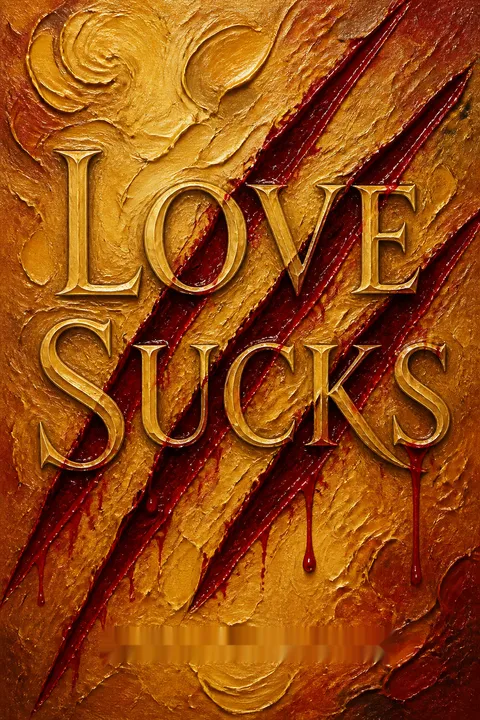
Love Sucks is a witty, emotionally charged urban fantasy that uses the conventions of supernatural romance to explore deeper questions of identity, trauma, and the search for belonging. At its core, the novel is about the struggle to reconcile the monstrous and the human within ourselves and others. Through Hanna's journey—from denial to acceptance, from victim to leader—the story examines the ways in which love, loss, and legacy shape our lives. The use of real historical figures as supernatural beings blurs the boundaries between art and life, suggesting that creativity and suffering are inextricably linked. The narrative's humor and self-awareness invite the reader to question genre tropes and embrace the messiness of human (and inhuman) relationships. Ultimately, Love Sucks is a meditation on the power of connection, the pain of betrayal, and the possibility of redemption. It reminds us that love, in all its forms, is both a source of strength and a source of vulnerability—and that, even when it sucks, it is always worth fighting for.
Review Summary
Characters
Hanna Harvey
Hanna is the heart of the story—a witty, self-deprecating woman thrust into a world of supernatural danger and intrigue. Her journey is one of denial, discovery, and ultimately, acceptance of her identity as a werewolf heir. Hanna's relationships—with her cats, her friends, her lovers—are marked by humor, vulnerability, and a deep longing for connection. Her psychological complexity is rooted in loss and trauma, but her resilience and capacity for love drive the narrative. Hanna's arc is one of transformation: from outsider to leader, from victim to protector, from human to something more.
Mark Andrew Abernathy
Abernathy is Hanna's enigmatic boss, a centuries-old werewolf burdened by guilt and responsibility. His relationship with Hanna is fraught with tension, desire, and unspoken secrets. Abernathy's stoicism masks deep wounds—his failures to protect those he loves, his role in Hanna's family tragedy, and his fear of losing control. He is both a guardian and a potential threat, embodying the duality of predator and protector. Abernathy's development is tied to his willingness to confront his past and embrace vulnerability, especially in his love for Hanna.
Vincent Van Gogh / Theo Van Gogh
Vincent, initially presented as the legendary artist, is a symbol of genius and suffering. His presence in the story is both awe-inspiring and heartbreaking—he is hunted, haunted, and ultimately revealed to be Theo, his brother, driven by grief and vengeance. Theo's masquerade and vendetta against Abernathy and the pack are rooted in the pain of loss and the desire for justice. His psychological complexity lies in his capacity for both love and violence, his longing for connection, and his inability to escape the shadow of his brother's death.
Steve Franke
Steve is the gallery's resident optimist—a kind, quirky artist whose loyalty and warmth provide a counterpoint to the story's darkness. His relationship with Hanna is one of genuine affection and support, and his own struggles with identity and belonging mirror hers. The final revelation that Steve is Hanna's long-lost brother adds depth to his character and underscores the themes of family, loss, and redemption. Steve's resilience and humor are a source of hope in a world marked by violence and betrayal.
Shayla Vandemeer
Shayla is a complex figure—tough, witty, and fiercely independent. As a Nereid (sea nymph), she represents another facet of the supernatural world, one with its own grudges and rules. Her friendship with Hanna is genuine, but her secrets and possible involvement in the conspiracy add layers of ambiguity. Shayla's psychological depth lies in her struggle to balance loyalty, survival, and the weight of ancient enmities. Her presence challenges Hanna to question her assumptions and expand her understanding of power and identity.
Helena Pool
Helena is both antagonist and victim—a former lover of Abernathy, murdered and reborn as a werewolf. Her rivalry with Hanna is fueled by jealousy and pain, but beneath her bravado lies a deep sense of loss and longing. Helena's arc is one of transformation and, ultimately, acceptance of her new identity. Her actions are often destructive, but her vulnerability and capacity for change make her a sympathetic figure. Helena embodies the story's themes of resurrection, forgiveness, and the complexity of female relationships.
Scott Kirkpatrick
Kirkpatrick is the gallery's resident curmudgeon—a talented but irascible artist whose gruff exterior hides a capacity for loyalty and courage. His role in the story is both comic and tragic, providing moments of levity and unexpected heroism. Kirkpatrick's development is tied to his willingness to risk himself for the pack and his own journey toward acceptance and belonging. His relationship with Helena adds depth to both characters and highlights the unpredictable nature of love and loyalty.
Detective James Morrison
Morrison is a complex figure—Hanna's former lover, a dedicated detective, and a man torn between duty and desire. His pursuit of the truth is both a strength and a weakness, leading him to make choices that endanger himself and others. Morrison's psychological depth lies in his struggle to reconcile his feelings for Hanna with his need for control and justice. His arc is one of loss, regret, and the painful realization that love cannot always be protected or possessed.
Toulouse Lautrec
Toulouse is a vibrant, larger-than-life presence—a legendary artist whose humor and resilience mask deep wounds. His loyalty to Hanna and the pack is unwavering, and his willingness to sacrifice himself for others is a testament to his strength of character. Toulouse's psychological complexity is rooted in his ability to find beauty in the broken and to endure suffering with grace. His death is a profound loss, but his legacy endures in the lives he touched.
Theo Van Gogh
Theo, masquerading as Vincent, is the story's ultimate antagonist—a man driven by grief, love, and a desire for vengeance. His actions are both monstrous and deeply human, rooted in the pain of losing his brother and the belief that justice must be served. Theo's psychological depth lies in his capacity for both tenderness and cruelty, his longing for connection, and his inability to escape the cycle of violence. His final moments are marked by a longing for release and the hope of reunion with his beloved brother.
Plot Devices
Supernatural Identity and Inheritance
The narrative is structured around the concept of supernatural inheritance—Hanna's status as a werewolf heir, the rules governing transformation, and the consequences of mating and bloodlines. This device drives the plot, shaping character motivations and conflicts. The tension between choice and destiny, human and monster, is explored through Hanna's journey and the pack's struggles. The rules of the supernatural world are revealed gradually, often through dialogue and revelation, creating suspense and deepening the reader's investment in the characters' fates.
Art as Power and Legacy
The use of real historical artists as werewolves—Van Gogh, Toulouse Lautrec, Oscar Wilde—blurs the line between fiction and reality, lending the story a sense of mythic resonance. Art becomes both a source of power and a target for violence, as the deaths of werewolf artists are linked to ancient grudges and the struggle for dominance. The gallery serves as a microcosm of the supernatural world, where creativity, rivalry, and legacy are inextricably linked. The motif of art as both salvation and curse underscores the story's themes of beauty, suffering, and transformation.
Mystery, Betrayal, and Revelation
The narrative is driven by a series of mysteries—who is hunting the werewolf artists, what is the true nature of Hanna's heritage, and who can be trusted. Foreshadowing is used to build suspense, with clues and red herrings scattered throughout the story. Betrayals by friends and lovers heighten the stakes, and the final revelations about Theo's identity and Abernathy's role in Hanna's family tragedy provide emotional and narrative catharsis. The structure is cyclical, with past and present converging in moments of crisis and revelation.
Humor and Self-Awareness
Despite the darkness of the plot, the story is laced with humor—Hanna's self-deprecating wit, the absurdity of supernatural courtship, and the banter between characters. This device serves to humanize the characters, provide relief from tension, and invite the reader to engage with the story on multiple levels. The narrative is self-aware, often poking fun at genre conventions and the characters' own foibles. This meta-commentary adds depth and complexity, allowing the story to explore serious themes without becoming overwrought.
Tails from the Alpha Art Gallery Series
Download PDF
Download EPUB
.epub digital book format is ideal for reading ebooks on phones, tablets, and e-readers.








































