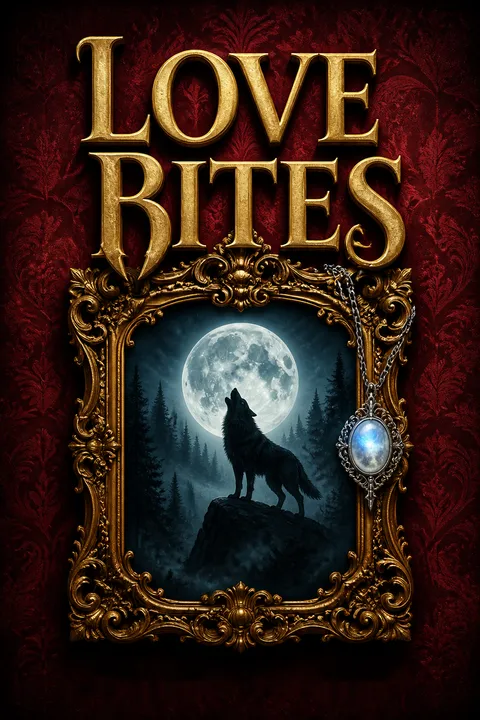

Plot Summary
Art, Blood, and Beginnings
Hanna Harvey, art historian and recent divorcee, is thrust into a world where art and death intertwine. At a crime scene reminiscent of a Goya painting, she's haunted by the corpse of a woman with her throat torn out. The scene is both surreal and terrifying, and Hanna's mind, always referencing art, tries to distance itself from the horror. Detective Morrison, gruff and enigmatic, hints that Hanna's boss, Mark Abernathy, is connected to the murder. The chilling realization dawns: the victim was last seen with Abernathy, and Hanna herself could be next. The story's tone is set—dark, witty, and laced with anxiety, as Hanna's life is about to spiral into the unknown.
Post-Divorce Survival Mode
Two weeks earlier, Hanna's world is small: a rundown apartment, three cats, and a mountain of debt from a failed marriage. Her humor is self-deprecating, her hope threadbare. She's late for a job interview at a local art gallery, and a minor car accident with a handsome stranger (Detective Morrison, though she doesn't know it yet) nearly derails her only chance. The encounter is awkward, raw, and unexpectedly kind, highlighting Hanna's vulnerability and longing for connection. Her life is a mess, but her wit and resilience shine through, making her instantly relatable and sympathetic.
The Gallery of Oddities
Hanna arrives at The Crossing, a quirky art gallery and antiques shop, for her interview with Mark Abernathy. The gallery is cluttered, eccentric, and filled with odd characters—resident artists with clashing personalities and peculiar habits. Abernathy himself is magnetic, mysterious, and intimidating, his office a disaster zone. Hanna, desperate for work, fakes her qualifications and is hired on the spot. But overheard conversations hint at darker dealings beneath the gallery's surface. The sense of unease grows, even as Hanna clings to the hope that this job might save her.
Hired by a Mystery
Thrown into her new role, Hanna navigates Abernathy's chaotic world. Her tasks range from organizing mountains of paperwork to managing the gallery's eccentric artists: the egotistical Kirkpatrick, the flamboyant Steven, and the sweet but frail Mrs. Kass. Abernathy is both alluring and infuriating, his boundaries unclear. Hanna's first day is a whirlwind of mishaps, including the accidental purchase of a mummified cat and a physical altercation with Abernathy's volatile ex, Helena. The gallery's oddities mirror the secrets lurking in its walls, and Hanna senses she's in over her head.
Eccentric Artists and Enemies
Hanna is introduced to the gallery's resident artists, each more bizarre than the last. Steven is a lovable oddball; Kirkpatrick, a prickly misanthrope; Mrs. Kass, a near-blind, eccentric grandmother. The gallery is a microcosm of dysfunction, with feuds, quirks, and hidden resentments. Abernathy's ex, Helena, storms in, leading to a staircase brawl that ends with Hanna as the unlikely victor. The incident cements Hanna's place in the gallery's strange family but also draws her deeper into Abernathy's orbit—and his secrets. The sense of danger intensifies as Hanna realizes the gallery is both sanctuary and trap.
The Woman in Leather
Helena's intrusion is more than a lover's spat—it's a warning. Her relationship with Abernathy is fraught, passionate, and possibly deadly. Hanna witnesses a violent kiss that blurs the line between love and violence. When Helena is later found murdered, suspicion falls on Abernathy. Hanna's anxiety mounts as she juggles her growing attraction to her boss, the gallery's chaos, and the looming threat of becoming the next victim. The emotional stakes rise, and Hanna's world becomes a labyrinth of desire, fear, and uncertainty.
Dead Cat, Dirty Money
Hanna's first solo sale—a dead, mummified cat—turns unexpectedly profitable, but also reveals Abernathy's aversion to cats and his cavalier attitude toward large sums of cash. The gallery's finances are as disordered as its owner, and Hanna's attempts to bring order are met with resistance. The discovery of half a million dollars in the register and Abernathy's casual approach to business deepen the mystery. Hanna's moral compass wavers as she's drawn into the gallery's strange economy, where the line between right and wrong is as blurred as the line between art and crime.
Lunch, Lies, and Longings
A group lunch at the local tea shop offers a rare moment of camaraderie. Hanna's vulnerability surfaces as she shares her divorce story, and Abernathy's guarded nature cracks just enough to reveal a hint of his own pain. The meal is a microcosm of the gallery's dynamics—awkward, funny, and tinged with longing. Hanna's attraction to Abernathy grows, complicated by jealousy, insecurity, and the ever-present threat of violence. The emotional arc deepens, and the reader feels the ache of Hanna's desire for belonging and love.
Abernathy's Rules and Red Flags
As Hanna settles into her role, Abernathy's controlling tendencies become more apparent. He resists her efforts to modernize the gallery, pays her in cash, and refuses to explain his absences. Detective Morrison reappears, investigating Helena's murder and casting suspicion on Abernathy. Hanna is caught between loyalty and doubt, attraction and fear. The power dynamics shift as Hanna asserts herself, but Abernathy's secrets remain impenetrable. The tension between them crackles, fueled by mutual need and mutual mistrust.
Germany: Secrets and Shadows
Abernathy whisks Hanna off to Germany under the pretense of business, but the real purpose is shrouded in secrecy. The journey is both thrilling and unsettling, filled with cultural references, art history, and simmering sexual tension. Hanna's sense of displacement intensifies as she navigates foreign landscapes and foreign rules. The auction of a mysterious moonstone pendant becomes a focal point, symbolizing the hidden forces at play. Abernathy's connections run deep, and Hanna realizes she's part of a much larger game.
Auction, Moonstone, and Motives
At the German auction, Hanna is guided by the enigmatic Penny, whose flirtatious banter masks a predatory interest. The moonstone pendant, said to depict the goddess Diana, is won at great expense, but its true significance remains unclear. Abernathy's meeting with a shadowy contact hints at ancient rivalries and supernatural stakes. The trip is a whirlwind of art, danger, and desire, culminating in a night of violence and betrayal. Hanna's trust in Abernathy is shaken as she glimpses the darkness at the heart of his world.
Nightmares, Wolves, and Warnings
Back at the hotel, Hanna is haunted by dreams of wolves and blood. Abernathy falls ill, his symptoms eerily aligned with werewolf lore. The walls between reality and nightmare blur as Hanna overhears Penny's threats and witnesses Abernathy's animalistic rage. The gallery's secrets follow her across continents, and the sense of impending doom grows. The emotional arc is one of mounting fear, confusion, and the desperate search for answers.
Murder, Mayhem, and Missing Pieces
Upon returning home, Hanna is confronted with another murder—this time, a woman connected to the gallery. Detective Morrison's investigation intensifies, and Abernathy's alibi is shaky at best. Hanna's loyalty is tested as she's drawn into the web of lies, half-truths, and hidden motives. The gallery's artists reveal their own secrets, and the line between friend and foe becomes increasingly blurred. The emotional stakes are higher than ever, and Hanna's sense of safety is shattered.
Tension, Temptation, and Truths
The tension between Hanna, Abernathy, and Morrison reaches a breaking point. Jealousy flares, accusations fly, and Hanna finds herself caught between two powerful men—one a possible murderer, the other a relentless investigator. The emotional arc is raw and electric, as Hanna's desires and fears collide. The truth remains elusive, and the danger grows ever closer.
Bloodlines and Betrayals
The revelation of Abernathy's true age and lineage upends everything Hanna thought she knew. The gallery's history is steeped in blood—both literal and metaphorical. Abernathy's family, including the deadly Penny and the monstrous Mrs. Kass, are revealed as part of an ancient pack of werewolves. Hanna's own bloodline is implicated, and she realizes she is both target and prize in a supernatural war. The emotional arc is one of betrayal, shock, and the dawning awareness of her own power.
Werewolves Among Us
The supernatural elements come to the fore as Hanna witnesses transformations, battles, and the true nature of those around her. Friends become foes, and enemies become allies. The gallery is the stage for a violent showdown, with Hanna caught in the crossfire. Her resourcefulness and courage are tested as she fights for her life and the lives of those she loves. The emotional arc is one of fear, determination, and the will to survive.
The Pack Revealed
The true nature of the pack is revealed—Abernathy, Steven, Rob, and others are all werewolves, each with their own loyalties and agendas. Penny and Mrs. Kass emerge as the primary antagonists, driven by ancient grudges and a hunger for power. The battle lines are drawn, and Hanna must choose where her loyalties lie. The emotional arc is one of unity, sacrifice, and the forging of new bonds in the crucible of conflict.
Showdown at the Gallery
The climactic battle unfolds in the gallery, with wolves and humans fighting side by side and against each other. Sacrifices are made, lives are lost, and the true cost of survival is revealed. Hanna's courage and quick thinking turn the tide, but not without devastating consequences. The emotional arc is one of grief, relief, and the bittersweet taste of victory.
Aftermath and Answers
In the aftermath, the gallery is cleaned, the dead are mourned, and the survivors regroup. Detective Morrison's investigation is neatly tied up, thanks to Abernathy's "people" and a carefully constructed narrative. Hanna is left with more questions than answers, but also with a newfound sense of strength and purpose. The emotional arc is one of healing, reflection, and the tentative hope for a future beyond fear.
Heir to the Hunt
Abernathy finally reveals the truth: Hanna is an heir to a rare and powerful bloodline, making her both a target and a key player in the supernatural world. The story ends with the promise of new adventures, new dangers, and the possibility of love. Hanna's journey from broken divorcee to empowered survivor is complete, but her story is far from over. The emotional arc is one of acceptance, empowerment, and the embrace of destiny.
Analysis
Love Bites is a genre-bending blend of paranormal mystery, dark comedy, and romantic suspense, using the conventions of urban fantasy to explore themes of trauma, identity, and the search for belonging. At its core, the novel is about transformation—literal (werewolves), emotional (healing from loss), and existential (embracing one's true nature). The story subverts traditional tropes by centering a flawed, anxious, and deeply relatable heroine whose journey is as much about self-acceptance as it is about survival. The supernatural elements serve as metaphors for the hidden wounds and desires that drive us, while the gallery's found family offers a model of resilience and hope. The novel's humor is not just comic relief but a vital tool for navigating darkness, reminding readers that laughter and love can coexist with pain and fear. Ultimately, Love Bites is a celebration of imperfection, courage, and the messy, beautiful process of becoming who we are meant to be—even if that means embracing the monster within.
Review Summary
Characters
Hanna Harvey
Hanna is the emotional and narrative heart of the story—a witty, self-deprecating woman reeling from divorce and financial ruin. Her love of art is both a refuge and a lens through which she interprets the world's chaos. Psychologically, Hanna is anxious, deeply empathetic, and driven by a need for belonging and purpose. Her relationships are fraught with longing and mistrust, especially with Abernathy, whose allure is matched only by his danger. Over the course of the story, Hanna transforms from a passive victim of circumstance to an active, courageous participant in her own fate. Her journey is one of self-discovery, resilience, and the acceptance of her own power—both mundane and supernatural.
Mark Abernathy
Abernathy is a study in contradictions: charming yet secretive, powerful yet wounded, both predator and protector. His role as gallery owner is a front for a much older, darker existence. Psychologically, Abernathy is burdened by centuries of loss, guilt, and responsibility. His relationships are transactional and guarded, but Hanna awakens something vulnerable in him. As the story unfolds, Abernathy's true nature—as a centuries-old werewolf and reluctant leader—emerges. His development is marked by the struggle to balance his violent instincts with his desire for connection and redemption. His ultimate act of vulnerability—exposing his heart to save Hanna—signals his transformation from lone wolf to partner.
Detective James Morrison
Morrison is both foil and potential love interest for Hanna. Gruff, sarcastic, and relentless, he is haunted by his own losses and failures. His pursuit of the truth is as much about personal redemption as it is about justice. Morrison's relationship with Hanna is complex—marked by mutual attraction, suspicion, and moments of genuine tenderness. Psychologically, he is driven by a need to protect, but also by a fear of vulnerability. His development is subtle, moving from adversary to ally, and his presence forces Hanna to confront her own desires and fears.
Steven Franke
Steven is the gallery's resident oddball—quirky, flamboyant, and seemingly harmless. Beneath his eccentric exterior lies a loyal heart and, as it turns out, a supernatural secret. Steven's transformation into a werewolf is both shocking and poignant, revealing the hidden strengths and vulnerabilities of those we underestimate. His friendship with Hanna is genuine, providing much-needed levity and support. Psychologically, Steven is a survivor, using humor and creativity to mask his pain. His development is marked by moments of bravery and sacrifice, proving that even the most unlikely heroes can make a difference.
Scott Kirkpatrick
Kirkpatrick is abrasive, egotistical, and difficult to like—until the moment he saves Hanna's life. His art is a window into his soul, revealing a depth of feeling and empathy he hides behind bluster. Psychologically, Kirkpatrick is isolated, using his prickliness as armor against a world that misunderstands him. His development is a slow burn, culminating in an act of courage that redeems his earlier behavior. His relationship with Hanna evolves from antagonism to mutual respect.
Mrs. Kass
Mrs. Kass is initially presented as a harmless, if odd, grandmotherly figure. Her failing eyesight and wandering mind mask a much darker reality—she is a werewolf, driven by ancient grudges and a hunger for power. Psychologically, Mrs. Kass is a study in repression and resentment, her monstrous nature a metaphor for the destructive potential of unaddressed pain. Her relationship with Hanna is chilling, moving from benign neglect to predatory obsession. Her ultimate betrayal is both shocking and tragic, a reminder that evil often hides in plain sight.
Penny Bailey
Penny is introduced as a helpful auction guide, but her true nature is far more sinister. As Abernathy's half-sister and a powerful werewolf, she is both rival and threat. Psychologically, Penny is driven by envy, ambition, and a deep-seated need for validation. Her relationship with Hanna is predatory, marked by manipulation and violence. Penny's development is that of a classic antagonist—her charm and wit masking a ruthless will to power.
Rob Vincent
Rob is the gallery's quiet strength—a sculptor with a kind heart and a hidden supernatural side. His loyalty to Abernathy and the pack is unwavering, and his death is a devastating blow to the group. Psychologically, Rob is a caretaker, always putting others before himself. His relationship with Hanna is one of quiet support, and his sacrifice underscores the story's themes of loyalty and loss.
Helena Pool
Helena is the spark that ignites the story's central mystery. Her relationship with Abernathy is passionate, destructive, and ultimately fatal. Psychologically, Helena is driven by obsession and jealousy, her death both a tragedy and a warning. Her presence lingers throughout the story, a reminder of the dangers that come with loving a monster.
Gilbert, Stewie, and Stella (The Cats)
Hanna's three cats are more than just pets—they are her family, her comfort, and her last connection to a life before chaos. Psychologically, they represent stability and unconditional love in a world gone mad. Their antics provide comic relief, but their presence also grounds Hanna, reminding her (and the reader) of what's at stake.
Plot Devices
Duality of Art and Violence
The story uses art as both a literal and metaphorical device—Hanna's knowledge of art history colors her perception of events, providing comfort and context in the face of horror. The gallery itself is a liminal space, where beauty and brutality coexist. This duality is mirrored in the characters, especially Abernathy, whose cultured exterior hides a predatory nature. The interplay of art and violence underscores the story's central themes: the masks we wear, the secrets we keep, and the thin veneer separating civilization from savagery.
Unreliable Narration and Misdirection
The narrative is filtered through Hanna's anxious, self-deprecating voice, making the reader question what is real and what is imagined. Red herrings abound—suspicions shift from Abernathy to Penny to Mrs. Kass, keeping the reader (and Hanna) off-balance. The use of overheard conversations, hidden documents, and cryptic warnings creates a sense of constant uncertainty. This device heightens the suspense and mirrors Hanna's psychological journey from confusion to clarity.
Supernatural as Metaphor
The supernatural elements—werewolves, bloodlines, ancient grudges—are both literal and metaphorical. They represent the hidden forces that shape our lives: trauma, desire, family legacy, and the struggle for control. The transformations are not just physical but psychological, forcing characters to confront their true natures. The pack dynamics echo real-world power struggles, and the violence is both external and internal. This device allows the story to explore deep psychological themes while maintaining a fast-paced, engaging plot.
Found Family and Chosen Bonds
Hanna's journey is one from isolation to connection, from brokenness to belonging. The gallery's motley crew becomes her found family, each member bringing their own strengths and weaknesses. The bonds forged in crisis are tested and strengthened by adversity. This device provides emotional resonance and grounds the supernatural elements in relatable human experience.
Humor as Survival
Despite the story's dark themes, humor is a constant presence. Hanna's wit is both a defense mechanism and a source of strength. The absurdity of the gallery's chaos, the antics of the artists, and the banter between characters provide relief from the tension. This device humanizes the characters and makes the emotional stakes more poignant.
Tails from the Alpha Art Gallery Series
Download PDF
Download EPUB
.epub digital book format is ideal for reading ebooks on phones, tablets, and e-readers.








































