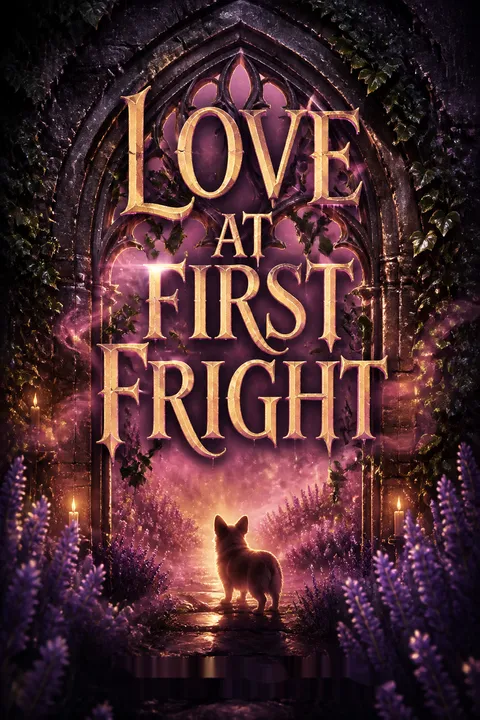

Plot Summary
Ghosts and Strawberry Jam
At ten, Rosemary sees her grandmother's ghost in a Georgia kitchen, learning she's inherited the rare ability to see the dead. Together, they make strawberry jam, a ritual of love and farewell. Her grandmother imparts wisdom: most people can't see ghosts, and it's best to keep this secret. This bittersweet moment marks Rosemary's entry into a world where the living and the dead intermingle, shaping her sense of self and her future. The experience is both comforting and isolating, as she realizes her gift is a burden she must carry alone. The jam becomes a symbol of memory, loss, and the sweetness of connection that lingers even after death.
Bookstore Shadows and Movie Deals
Nineteen years later, Rosemary is a successful horror novelist in Brooklyn, still seeing ghosts—now in bookstores. She's invited to a panel with two dismissive male authors, feeling both out of place and quietly triumphant as her fans outnumber theirs. The event is tinged with anxiety and the ever-present awareness of the supernatural. Rosemary's book is being adapted into a film, but she's frustrated by the casting of Ellis Finch, a Hollywood heartthrob she deems wrong for her Victorian protagonist. The intersection of her private, haunted world and the public, performative demands of fame leaves her feeling exposed and misunderstood.
Panel Nerves and Hollywood Castings
After the panel, Rosemary's friends Immy and Dina call from England, offering support and teasing her about Ellis Finch's infamous on-screen kisses. Rosemary is both annoyed and secretly affected by Ellis's charisma, though she insists she's immune. Packing for London, she's torn between excitement for the film and dread over the actor she's convinced will ruin her story. The chapter explores the tension between professional achievement and personal insecurity, as well as the comfort of long-distance friendships that anchor her through change.
Salt, Lavender, and Goodbyes
Rosemary prepares to leave her New York apartment, using salt and herbs to ward off ghosts—both literal and metaphorical. She reflects on her sense of displacement: Georgia no longer feels like home, and New York never quite did. Writing, once a joy, has become a source of stress and obligation. Her friends' support is a lifeline, but the looming move to England and the film's pressures weigh heavily. The chapter is suffused with nostalgia, uncertainty, and the hope that new places might offer belonging.
Ellis Finch: Reluctant Heartthrob
Ellis Finch, the actor cast in Rosemary's film, is introduced as a man chafing under the expectations of fame and the manipulations of his agent, Brody. Forced into fake relationships for publicity, Ellis feels trapped and increasingly disillusioned. His home life, centered around his beloved dog Fig and memories of his late dog Hank, is a refuge from Hollywood's demands. Ellis's vulnerability and longing for authenticity contrast with his public persona, hinting at deeper wounds and desires.
Fake Dates and Real Longings
Ellis endures a staged date with Jenna, a much younger actress, for the sake of industry optics. The encounter is transactional, both parties aware of the charade. Ellis's internal monologue reveals his exhaustion with the game and his yearning for genuine connection. The chapter explores the cost of maintaining appearances, the loneliness of celebrity, and the ways in which power dynamics and secrets corrode intimacy.
Transatlantic Friendships and Kisses
Rosemary arrives in London, welcomed by Dina and Immy, whose warmth and humor ground her. The friends reminisce, tease, and discuss past lovers, highlighting Rosemary's history of seeking dominant partners and her fear of commitment. The comfort of chosen family is juxtaposed with the anxiety of upcoming film meetings and the unresolved tension with Ellis. The chapter pulses with anticipation, vulnerability, and the ache of wanting more.
London Arrival and Old Flames
Rosemary checks into the luxurious Cloverwood Hotel, marveling at the opulence and feeling out of place. She explores the city, seeking solace in familiar haunts and reflecting on her journey. A chance encounter with Ellis in the rain at St. Dunstan's ruins is awkward and charged—he mistakes her for a fan and rebuffs her, deepening her resentment. The city's history and ghosts mirror Rosemary's own sense of being haunted by the past and uncertain about the future.
The Cloverwood Hotel Encounter
At the film's production meeting, Rosemary and Ellis are forced into proximity. Their initial interactions are prickly, each harboring assumptions about the other's competence and intentions. Rosemary is surprised by Ellis's detailed notes on her book and script, while Ellis is taken aback by her youth and intensity. The meeting is a microcosm of the larger power struggles and insecurities at play, setting the stage for their evolving dynamic.
Rain, Ruins, and Misunderstandings
A series of encounters—poolside accidents, shared drinks, and late-night conversations—bring Rosemary and Ellis into closer orbit. Their banter is laced with irritation and attraction, each pushing the other's buttons. The haunted setting of Hallowvale Manor amplifies the tension, as ghosts and remnants intrude on the living. Both are forced to confront their preconceptions and the possibility that their animosity masks deeper longing.
Production Meetings and First Impressions
As filming begins, Rosemary and Ellis navigate the complexities of adaptation, creative control, and on-set hierarchies. Rosemary's anxiety about deadlines and belonging is soothed by small acts of kindness from Ellis, who brings her tea and defends her script's integrity. Their professional respect grows, even as personal boundaries blur. The haunted manor's ghosts—particularly the feuding Regency women—mirror the unresolved tensions and desires simmering between the living.
Poolside Clashes and Unspoken Tension
A poolside mishap—Ellis accidentally knocking Rosemary into the water—serves as a catalyst for vulnerability and flirtation. Their interactions become more charged, with apologies giving way to playful teasing and mutual fascination. The haunted atmosphere intensifies, as the ghosts' emotional turmoil begins to affect the crew. Rosemary's protective rituals and growing awareness of the supernatural parallel her deepening emotional entanglement with Ellis.
Haunted Manors and Ghostly Fights
The ghosts' unresolved conflict escalates, causing poltergeist activity that endangers the film crew. Rosemary is forced to intervene, mediating between the feuding spirits and uncovering the truth of their tragic love. The process is emotionally taxing, forcing her to confront her own fears of intimacy and loss. The haunted manor becomes a crucible for transformation, as the living and the dead alike seek resolution and peace.
Birdsong, Anxiety, and Trust
Early morning bird-watching with Ellis becomes a space for honest conversation about anxiety, creative pressure, and the need for praise. Their shared vulnerabilities foster intimacy, as Ellis offers gentle advice and support. The natural world—birds, gardens, and the changing seasons—serves as a balm for their wounds and a metaphor for growth. Trust begins to take root, even as old fears linger.
Dancing, Drinks, and Growing Desire
A cast gathering at the Gatehouse, complete with music, cocktails, and dancing, brings Rosemary and Ellis closer. Their slow dance is electric, charged with unspoken longing and the promise of more. The presence of Ellis's "girlfriend" Jenna complicates matters, but also reveals the performative nature of his public relationships. The ghosts outside, locked in their own dance of love and regret, echo the living's struggle to seize happiness.
Regency Ghosts and Unfinished Business
Rosemary uncovers the truth of the Regency ghosts' relationship through hidden letters and diaries. Their love, stifled by societal norms and internalized shame, becomes a mirror for the living characters' own fears and desires. Rosemary's intervention—leaving sapphic romance novels and orchestrating a candlelit reunion—helps the ghosts find peace and each other. The act of helping the dead move on becomes a metaphor for healing and self-acceptance.
Night Shoots and Secret Longings
The demands of night shoots and creative deadlines push Rosemary and Ellis to their limits. Their longing for each other intensifies, manifesting in dreams, stolen glances, and private messages. The boundaries between professional and personal blur, as submission, dominance, and the need for praise become central to their dynamic. The haunted setting amplifies their desires and fears, making every encounter charged with possibility.
Confessions, Boundaries, and Submission
Rosemary and Ellis finally confess their desires, establishing boundaries and rules for their relationship. Their physical connection is intense, rooted in mutual respect and the thrill of power exchange. The act of submission becomes a source of empowerment for Rosemary, while Ellis finds fulfillment in caring for and commanding her. Their intimacy is both healing and transformative, allowing them to shed old wounds and embrace new possibilities.
Ghost Dogs and Letting Go
Rosemary helps Ellis say goodbye to his beloved ghost dog, Hank, using a hagstone to allow him to see and release the spirit. The moment is cathartic, allowing Ellis to confront his guilt and grief, and to accept the enduring nature of love. The act of letting go becomes a turning point, deepening their bond and affirming the importance of honesty and vulnerability in their relationship.
Betrayal, Blackmail, and Heartbreak
As their relationship deepens, external pressures mount. Ellis's agent, Brody, blackmails him with the threat of releasing intimate footage, forcing Ellis to publicly deny his relationship with Rosemary on live television. The betrayal shatters Rosemary, who feels abandoned and unworthy. Both are left reeling, questioning their choices and the cost of love in a world that punishes vulnerability.
Homecomings, Grief, and Healing
Rosemary returns to Georgia, seeking solace with her father and the rhythms of home. Surrounded by kittens, ghosts, and the memory of her mother, she begins to heal. Conversations with her father and friends help her process her grief and anger, while the act of caring for others—both living and dead—restores her sense of purpose. The chapter is a meditation on loss, resilience, and the slow work of mending a broken heart.
Reunions, Forgiveness, and New Beginnings
Ellis, having uncovered Brody's deception, seeks out Rosemary in London. Their reunion is raw and honest, marked by mutual apologies and the recognition that love requires courage and trust. They confess their feelings, forgive each other, and commit to building a life together—one rooted in honesty, shared dreams, and the willingness to face the world as a team. The ghosts' stories, now resolved, serve as a blessing for the living.
Premiere Night and Happily Ever After
Months later, Rosemary and Ellis attend the premiere of When the Devil Takes Hold, surrounded by friends, family, and the ghosts of their pasts. Their love, hard-won and fiercely protected, is now public and celebrated. The story closes with the promise of new adventures—books, films, gardens, and a life built together. The ghosts have moved on, but their lessons remain: love is worth fighting for, and time, once given, is the most precious gift of all.
Analysis
Love at First Fright is a lush, emotionally intelligent romance that uses the supernatural to illuminate the complexities of grief, identity, and the courage required to claim happiness. At its heart, the novel is about the ways we are haunted—by loss, by shame, by the stories we tell ourselves—and the redemptive power of love, both romantic and platonic. Through its dual narrative, the book explores the tension between public persona and private truth, the cost of secrecy, and the necessity of vulnerability. The ghosts are not merely plot devices, but embodiments of unfinished business, internalized homophobia, and the longing for connection that transcends death. The central romance, rooted in explicit negotiation of power and trust, offers a refreshing, sex-positive depiction of submission and dominance as sources of healing and joy. The novel's queer lens, intergenerational parallels, and celebration of chosen family make it a timely meditation on the importance of authenticity, community, and the willingness to fight for love in a world that often punishes difference. Ultimately, Love at First Fright is a testament to the idea that time—whether borrowed, haunted, or hard-won—is the most precious gift we can offer each other.
Review Summary
Love at First Fright follows horror author Rosemary Shaw and actor Ellis Finch on a haunted movie set. Readers praised El-Fassi's sophomore novel for its bisexual representation, emotional maturity, and steamy dom/sub dynamics. The paranormal elements featuring regency lesbian ghosts and a ghost dog charmed many. Reviews were mixed on pacing—some loved the whirlwind romance while others found it rushed with insufficient enemies-to-lovers buildup. The spice level surprised readers expecting cozier fare. Critics wanted more paranormal content and better chemistry development, though most appreciated the LGBTQ+ representation and fall atmosphere.
People Also Read



Characters
Rosemary Shaw
Rosemary is a horror novelist with the rare ability to see ghosts, a gift inherited from her grandmother. Her life is shaped by loss—her mother's death, her sense of displacement, and the burden of her secret. Rosemary is intelligent, anxious, and deeply empathetic, drawn to the stories of the dead and the living alike. Her relationships—with friends, family, and eventually Ellis—are marked by vulnerability, humor, and a longing for belonging. Through her journey, she learns to trust, to accept love, and to claim her place in the world, both as a writer and as a woman unafraid of her own desires.
Ellis Finch
Ellis is a celebrated actor, known for his rugged charm and action roles, but privately exhausted by the demands of fame and the manipulations of his agent. Haunted by grief for his late dog and the constraints of his public persona, Ellis craves genuine connection and the freedom to be himself. His relationship with Rosemary awakens his capacity for vulnerability, dominance, and care. He is protective, gentle, and deeply wounded, struggling to reconcile his desires with the expectations placed upon him. Ellis's arc is one of self-acceptance, courage, and the pursuit of happiness on his own terms.
Immy
Immy is one of Rosemary's closest friends, a new mother who balances humor, empathy, and a talent for matchmaking. She provides emotional ballast, practical advice, and a sense of home for Rosemary, both in person and across continents. Immy's own journey into motherhood and partnership serves as a counterpoint to Rosemary's anxieties about commitment and change.
Dina
Dina is Rosemary's other best friend, a kitchen witch and café owner whose spells and teas offer comfort and protection. She is intuitive, mischievous, and deeply invested in Rosemary's happiness. Dina's magical worldview and practical wisdom help Rosemary navigate both the supernatural and the mundane, reinforcing the importance of chosen family and self-care.
Brody
Brody is Ellis's long-time agent, a master of blackmail and public image management. He exploits Ellis's vulnerabilities, forcing him into fake relationships and threatening exposure. Brody represents the corrosive effects of secrecy, shame, and the commodification of identity. His eventual downfall is a triumph of truth and solidarity over fear.
Jenna Dunn
Jenna is a young actress caught in Brody's schemes, initially presented as Ellis's girlfriend for publicity. She is self-aware, strategic, and ultimately supportive, forming a genuine connection with Lyn and helping expose Brody's manipulations. Jenna's arc highlights the pressures faced by women in the industry and the power of solidarity.
Lyn
Lyn is Rosemary's production assistant and confidante, adept at navigating the film world's politics and personalities. They provide practical support, emotional insight, and a bridge between Rosemary and the larger production. Lyn's own budding romance with Jenna mirrors the central love story, reinforcing themes of authenticity and chosen family.
Lance Lilitree
Lance is a veteran actor and Ellis's friend, known for his theatrical flair and deep empathy. He provides comic relief, wisdom, and a model of queer love and resilience through his relationship with Arthur. Lance's presence on set fosters a sense of community and acceptance.
Juliet and Cecilia
The Regency ghosts haunting Hallowvale Manor, Juliet and Cecilia are trapped by unspoken desire, internalized shame, and the constraints of their era. Their story unfolds through letters, arguments, and Rosemary's intervention, ultimately culminating in reunion and peace. They serve as a mirror for the living characters' struggles with identity, love, and the courage to claim happiness.
Hank (Ghost Dog)
Hank is Ellis's late dog, whose ghost lingers out of devotion and unfinished business. His presence is both a comfort and a source of pain, embodying the enduring bonds of love and the necessity of letting go. Hank's release is a pivotal moment of healing for Ellis and a testament to the power of saying goodbye.
Plot Devices
Dual Narrative and Alternating Perspectives
The novel alternates between Rosemary and Ellis's points of view, allowing readers to inhabit both protagonists' inner worlds. This structure deepens empathy, highlights misunderstandings, and creates dramatic irony as each character misreads the other's intentions. The dual narrative also mirrors the central theme of haunting—each is haunted by their own past, secrets, and desires, and only through mutual vulnerability can they find peace.
Supernatural as Metaphor
The presence of ghosts and supernatural phenomena serves as both literal plot and metaphor for grief, trauma, and the ways the past lingers in the present. The Regency ghosts' unresolved love story parallels the protagonists' struggles with shame, secrecy, and the courage to claim happiness. The supernatural elements are woven seamlessly into the fabric of daily life, blurring the boundaries between the seen and unseen, the living and the dead.
Power Dynamics and Submission
The central romance is shaped by explicit negotiation of boundaries, desires, and power exchange. Submission and dominance are explored not as clichés, but as sources of healing, trust, and mutual empowerment. The erotic dynamic is deeply psychological, rooted in the characters' need for praise, care, and the freedom to let go. This device allows for nuanced exploration of consent, vulnerability, and the transformative potential of intimacy.
Foreshadowing and Symbolism
Recurring motifs—strawberry jam, birds, salt, lavender, and haunted houses—foreshadow emotional turning points and symbolize the characters' inner states. The act of making jam becomes a ritual of memory and connection; bird-watching is a metaphor for hope and the search for belonging; haunted spaces reflect the characters' emotional landscapes. These symbols enrich the narrative, offering layers of meaning and emotional resonance.
Queer Love and Chosen Family
The novel foregrounds queer love—both in the present and the past—through the stories of Rosemary, Ellis, and the Regency ghosts. The resolution of Juliet and Cecilia's story is both a literal exorcism and a metaphorical blessing for the living. Chosen family—friends, found kin, and supportive communities—are depicted as essential to survival and flourishing, countering the isolation of shame and secrecy.
Download PDF
Download EPUB
.epub digital book format is ideal for reading ebooks on phones, tablets, and e-readers.








































