
Plot Summary
Shackled by Sorcery's Chains
Ivy, a riven sorcerer with wild, dangerous magic, is held prisoner by Lothar, the king's treacherous advisor and leader of the Order of the Wild. Lothar's followers use sacrificial accomplices—mutilated souls whose pain fuels their magic—to keep Ivy under total control, forcing her to act against her will. She's stripped of her agency, her memories of family and love weaponized against her. The Order's plan is to use Ivy's power to assassinate the royal family, blaming her for the carnage and cementing their own rule. Ivy's internal struggle is as fierce as her external one: she battles the compulsion, the pain of loss, and the terror of what her magic might do if unleashed. The chapter throbs with dread, helplessness, and the simmering hope that she might yet break free.
The King's Deadly Audience
Lothar's scheme advances as he brings Ivy, still magically shackled, to the palace under the guise of loyal service. The city is tense, the royal family wary after recent attacks. Ivy is forced to murder guards and clear a path for Lothar, her magic turned into a weapon against innocents. As they approach the royal audience chamber, Ivy desperately seeks a way to resist, testing the limits of her magical bonds. In a final act of defiance, she injures herself to break the spell's hold, plunging herself into unconsciousness rather than become the tool of regicide. The chapter is a crescendo of horror, guilt, and the desperate assertion of self against overwhelming control.
Allies in the Shadows
While Ivy is lost, her four lovers—Stavros, Casimir, Alek, and Rheave—search the city, torn between hope and dread. They debate the truth of Ivy's actions, refusing to believe she's turned traitor. Their bond, forged through hardship and love, is tested by uncertainty and the threat of betrayal. When they rescue the royal children fleeing from daimon-possessed guards, they learn of the king and queen's deaths and the chaos in the palace. The group's unity and devotion are a lifeline in the darkness, their determination to find Ivy and restore order burning through their grief.
Blood and Betrayal
Ivy awakens, drugged and guarded, but with her magical bonds weakened. Guided by a vision from Kosmel, the trickster godlen, she seizes her chance: killing her captors, she flees into the wild, wracked by guilt for the deaths she caused under compulsion. Her reunion with her lovers is bittersweet—relief and love mingled with shame and fear of what she's become. The royal children, now orphans, reveal Petra's secret: she is the true heir, having transitioned from Prince Dunstam in secret. The group resolves to protect Petra and reclaim the throne, even as Ivy's sanity teeters on the edge.
Escape and Reunion
Ivy and her companions, including the royal heirs and Petra, hide in a military supply cache. The trauma of recent events lingers, but the bonds of love and loyalty are reaffirmed. Ivy's lovers comfort her, each in their own way, and the group forges a new plan: to gather allies, expose the Order's crimes, and restore Petra to the throne. The chapter pulses with tenderness, vulnerability, and the fragile hope of redemption.
The Queen's Hidden Heir
Petra reveals her true identity and the sacrifices made to protect her. She steps into her role as queen-in-waiting, determined to unite the fractured kingdom. The group debates strategy, balancing the need for secrecy with the urgency of action. Ivy's magic, both a weapon and a curse, is central to their plans—and their fears. The chapter explores themes of identity, legitimacy, and the burdens of leadership, as Petra and Ivy both grapple with the weight of their destinies.
The Price of Power
Ivy's magic is both salvation and damnation. The group learns more about the Order's use of sacrificial accomplices and the horrors inflicted in the name of power. Ivy's own sanity is fraying, her magic demanding release and threatening madness. The group's love and support are her anchor, but the risk of losing herself—and harming those she loves—grows ever more real. The chapter is a meditation on the cost of power, the ethics of sacrifice, and the thin line between heroism and monstrosity.
The City's Fractured Heart
The capital city is a battleground of rumor, fear, and shifting loyalties. The Order spreads propaganda, blaming the Melchioreks and riven sorcerers for the kingdom's woes. Ivy and her allies work to counter these lies, forging alliances with criminals, nobles, and commoners alike. The city's pain and hope are palpable, its people desperate for stability but wary of all claimants to power. The chapter is a tapestry of intrigue, persuasion, and the struggle to win hearts and minds.
The Scourge Sorcerers' Plot
Lothar accelerates his plans, announcing rigged kingship trials to legitimize his rule. Ivy and her allies race to organize their own trials, hoping to outmaneuver the Order and prove Petra's worth. Sabotage, assassination attempts, and magical attacks threaten at every turn. Ivy's magic is both shield and sword, but each use brings her closer to the brink. The chapter is a breathless contest of wits, courage, and endurance, as the fate of the kingdom hangs in the balance.
The Trials of Worth
The trials begin, a spectacle of skill, wisdom, and leadership. Petra faces challenges designed to test every aspect of a ruler, while the Order's agents attempt to sabotage her at every turn. Ivy, hidden and vigilant, thwarts magical and physical attacks, but the strain on her mind and body is immense. The crowd's mood shifts, swayed by Petra's grace and the Order's lies. The chapter is a crucible of public opinion, danger, and the forging of legitimacy.
The Riven's Last Stand
As chaos erupts and the crowd turns violent, Ivy makes a desperate choice: she opens herself fully to the gods, channeling their power to reveal their true will to the people. The divine vision she unleashes shows a world of peace, compassion, and unity, not the violence and division the Order preaches. The act nearly destroys her, shattering her mind and body, but it turns the tide—exposing Lothar's lies and ending the Order's reign of terror. The chapter is a climax of sacrifice, transcendence, and the hope of healing.
The Gods' Reckoning
With Lothar dead and the Order broken, the kingdom reels from the trauma. Ivy's recovery is slow and painful, her magic forever changed. Petra ascends the throne, enacting reforms to heal the wounds of war and injustice. The riven are no longer hunted, but given sanctuary and training. Ivy's lovers remain by her side, their devotion unwavering. The chapter is a meditation on justice, forgiveness, and the slow work of rebuilding.
Aftermath and Ascension
Petra's rule brings peace, stability, and hope. The royal family is restored, the daimon freed, and the accomplices given purpose. Ivy finds a measure of peace, her magic now a tool for healing rather than destruction. The bonds of love and friendship endure, even as the scars of the past linger. The chapter is a celebration of resilience, renewal, and the promise of a better future.
The Shape of Peace
The kingdom's wounds begin to heal as Petra forges alliances with former enemies and integrates the marginalized. Ivy's role as advisor and protector is solidified, her past no longer a source of shame. The group's love deepens, their unconventional family a testament to the power of chosen bonds. The chapter is a gentle exhale after the storm, suffused with gratitude and the tentative joy of peace.
The Cost of Devotion
Even in victory, the cost of devotion is high. Ivy and her companions mourn lost friends, reckon with the trauma of battle, and navigate the complexities of love and loyalty. The scars of magic and violence remain, but so does the determination to honor the fallen and cherish the living. The chapter is a quiet reckoning, a reminder that healing is ongoing and that every victory is paid for in blood and tears.
The Light Beyond Shadows
As the kingdom flourishes under Petra's rule, Ivy and her lovers find new purpose and contentment. The riven are no longer outcasts, and the gods' favor is seen in the peace that settles over the land. The group's love is a beacon, their resilience an inspiration. The chapter is a hymn to hope, the enduring power of love, and the possibility of redemption.
The World Remade
The story closes with the kingdom transformed: justice, compassion, and unity are the new order. Ivy, once a hunted outcast, is now a cherished advisor and beloved partner. Petra's reign is secure, the wounds of the past healing. The gods' lesson is clear: true power lies in mercy, courage, and the willingness to sacrifice for others. The world, remade by pain and love, stands ready for whatever comes next.
Analysis
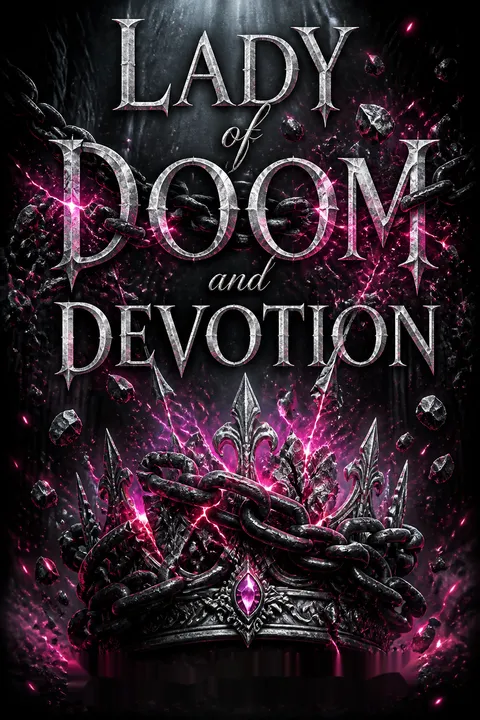
Lady of Doom and Devotion is a sweeping, emotionally charged fantasy that interrogates the nature of power, sacrifice, and belonging. At its heart is the question: what does it mean to be worthy—of love, of leadership, of life itself? Through Ivy's journey from hunted outcast to savior and advisor, the novel explores the costs of both agency and devotion. The story's polyamorous romance is not just a subplot but a central metaphor for the healing power of chosen family, the necessity of vulnerability, and the courage required to love in a world that punishes difference. The magical system, rooted in sacrifice and compulsion, is a potent allegory for trauma, exploitation, and the struggle for autonomy. The narrative's structure—alternating between action, introspection, and public spectacle—mirrors the characters' internal and external battles. Ultimately, the book argues that true power lies not in domination or purity, but in the messy, painful, and redemptive work of connection: to self, to others, and to the divine. The lessons are clear: mercy is stronger than vengeance, love is stronger than fear, and the world can be remade—if we are willing to pay the price and trust in each other.
Review Summary
Lady of Doom and Devotion concludes the Rites of Possession series with mixed reactions from readers. Many praised the satisfying ending, political intrigue, character development, and world-building, particularly appreciating Ivy's strength and her relationships with her four men. However, some readers found the pacing slow, the plot repetitive, and felt disappointed by certain story choices. Several negative reviews mentioned discomfort with specific plot elements involving modern themes in a fantasy setting. While romance took a backseat to action in this finale, most fans enjoyed the culmination of Ivy's journey and are eager for the spin-off series.
Characters
Ivy
Ivy is the riven sorcerer at the heart of the story, marked by wild, uncontrollable magic that is both her greatest weapon and her deepest curse. Orphaned, hunted, and traumatized, she is driven by guilt, love, and a desperate need for belonging. Her relationships with her four lovers—Stavros, Casimir, Alek, and Rheave—anchor her, offering both solace and vulnerability. Ivy's journey is one of self-acceptance, learning to wield her power without losing herself, and ultimately sacrificing everything to save her kingdom. Her psychological arc is a dance between fear and hope, shame and pride, isolation and intimacy.
Petra
Petra, once Prince Dunstam, is the true heir to the Melchiorek throne, having transitioned in secret to protect herself from the Order's assassins. Intelligent, compassionate, and burdened by the weight of expectation, Petra's leadership is forged in crisis. She struggles with imposter syndrome, survivor's guilt, and the need to prove herself to a skeptical nation. Her bond with Ivy is one of mutual recognition—both are outsiders, both must claim their right to exist and lead. Petra's arc is about stepping into her power, embracing her identity, and redefining what it means to rule.
Stavros
Stavros, a former general who sacrificed his hand for his godlen, is Ivy's most physically imposing lover and her emotional anchor. Haunted by past failures and the loss of his military career, he channels his devotion into protecting Ivy and the royal family. His love is fierce, practical, and unwavering, but he struggles with guilt and the fear of losing those he loves. Stavros's arc is about reclaiming purpose, accepting vulnerability, and learning that true strength lies in compassion as much as in arms.
Casimir
Casimir, once a celebrated courtesan, brings emotional intelligence, charm, and a gift for reading desires to the group. His sacrifices—both magical and personal—have left him sensitive to pain and longing, but also deeply attuned to the needs of others. Casimir's love is gentle, nurturing, and wise, often guiding the group through emotional storms. His arc is about finding self-worth beyond service, embracing his own desires, and helping others heal.
Alek
Alek, marked by physical and emotional scars, is the group's intellectual heart. His dedication to knowledge, history, and justice drives much of the resistance's strategy. Alek's insecurities—about his appearance, his past, and his worth—are soothed by Ivy's acceptance and the group's love. His arc is about overcoming shame, claiming his place in the world, and using knowledge as a weapon for good.
Rheave
Rheave, once a spirit creature enslaved by the Order, is now free and learning to be human. His perspective is both childlike and profound, offering fresh insight and unfiltered emotion. Rheave's love for Ivy is pure, his devotion absolute, but he struggles with the pain of loss and the fear of failing those he loves. His arc is about embracing humanity, balancing joy and sorrow, and finding agency after a life of bondage.
Lothar
Lothar, the king's former advisor, is the mastermind behind the Order of the Wild. His bitterness over a failed magical sacrifice and lifelong rejection curdles into sadism and a hunger for power. Lothar's psychological complexity lies in his self-loathing, envy, and the twisted logic that justifies his atrocities. He is both a cautionary tale and a mirror for Ivy's own fears of monstrosity. His arc is a descent into madness, ending in exposure and death.
Sulla
Sulla, a riven sorcerer who has survived by hiding, is Ivy's mentor in magic and self-control. Her fear of the world's cruelty and the dangers of magic make her both wise and limited. Sulla's arc is about overcoming fear, stepping into the world, and supporting Ivy's courage even as she mourns the cost.
Poltus
Poltus, one of the Order's mutilated victims, represents the cost of power and the resilience of the human spirit. Despite his suffering, he chooses to help Ivy and Petra, lending his remaining strength to the cause. His arc is about reclaiming agency, finding purpose in pain, and bearing witness to injustice.
Julita
Julita, once a noblewoman, haunts Ivy as a voice of reason, wit, and encouragement. Her presence is both a comfort and a reminder of loss. Julita's arc is about letting go, the power of memory, and the enduring impact of friendship.
Plot Devices
Magical Compulsion and Sacrifice
The story's central device is the use of magic fueled by sacrifice—both voluntary and coerced. The Order's use of mutilated accomplices to amplify their power is a metaphor for exploitation and the cost of ambition. Ivy's own magic, wild and dangerous, is both a blessing and a curse, demanding constant negotiation between freedom and restraint. The device explores questions of consent, the price of power, and the thin line between savior and monster.
Hidden Identity and Legitimacy
Petra's concealed identity as the true heir, and her transition from Prince Dunstam, drive much of the plot's tension around legitimacy, acceptance, and the meaning of leadership. The device allows for exploration of gender, selfhood, and the burdens of expectation, while also serving as a catalyst for the group's unity and the kingdom's renewal.
Kingship Trials and Public Spectacle
The rigged trials orchestrated by Lothar and the counter-trials organized by Petra's allies are both literal and symbolic tests of worthiness. The spectacle is a crucible for character, a stage for sabotage and heroism, and a mirror for the kingdom's fractured soul. The trials allow for public reckoning, the forging of legitimacy, and the ultimate exposure of truth.
Divine Intervention and the Riven's Role
The revelation that the riven were created as vessels for the gods' power, not as punishments, reframes the entire narrative. Ivy's final act—channeling the gods to reveal their true will—serves as both climax and catharsis, healing the kingdom and herself. The device interrogates the nature of destiny, the possibility of redemption, and the meaning of sacrifice.
Found Family and Polyamorous Love
The unconventional family formed by Ivy and her four lovers is both a source of strength and a site of vulnerability. Their love, support, and mutual healing are a counterpoint to the violence and betrayal of the wider world. The device allows for exploration of trust, jealousy, and the ways love can both wound and heal.
Rites of Possession Series Series

About the Author





Download PDF
Download EPUB
.epub digital book format is ideal for reading ebooks on phones, tablets, and e-readers.








































