
Plot Summary
Shattered Home, Unwanted Journey
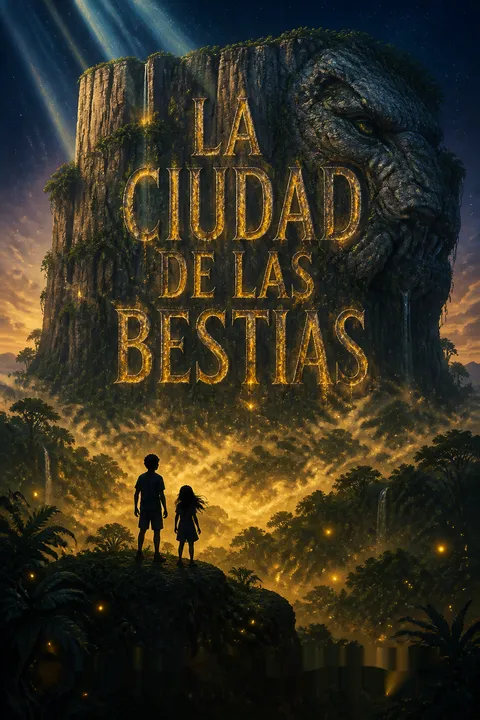
Alexander Cold's world collapses when his mother falls gravely ill, leaving his family adrift in grief and chaos. His father, overwhelmed, sends Alex to New York to stay with his eccentric grandmother, Kate, while his sisters go elsewhere. Angry and afraid, Alex resents being uprooted, especially as he faces the unknown with a woman he barely knows. The pain of his mother's illness and the loss of normalcy haunt him, but beneath his resistance, a seed of transformation is planted. The journey he dreads will force him to confront his fears, discover hidden strengths, and ultimately redefine his place in the world.
New York's Cold Embrace
Arriving in New York, Alex is thrust into a world of indifference and danger. Lost in the airport, he's abandoned by Kate and tricked by Morgana, a streetwise girl who robs him of everything but his passport. Alone and humiliated, Alex navigates the city's harshness, learning quickly that trust must be earned and self-reliance is essential. When Kate finally appears, she offers little comfort but much challenge, pushing Alex to adapt or be left behind. Their uneasy alliance sets the stage for the Amazon expedition, where survival will depend on lessons learned in these unforgiving city streets.
Kate's Rules of Survival
Kate, a formidable travel writer, is as unconventional as she is demanding. She prepares Alex for the Amazon with a mix of practical advice and ruthless honesty, insisting he toughen up and expect nothing from anyone. Her home is a museum of adventures, and her worldview is shaped by decades of facing danger head-on. Alex, still reeling from recent losses, struggles to meet her expectations but gradually absorbs her lessons. Their relationship, prickly yet affectionate, becomes a crucible in which Alex's resilience and adaptability are forged, preparing him for the wild unknown that awaits.
Into the Amazon Unknown
Alex and Kate join an eclectic team—scientists, guides, and a mysterious doctor—on a quest to find the legendary Beast of the Amazon. The journey upriver is a sensory assault: oppressive heat, swarming insects, and the ever-present threat of disease and violence. The group's dynamics are fraught with tension, as egos clash and hidden agendas simmer. Alex, out of his element, finds solace in music and fleeting moments of wonder at the jungle's beauty. The Amazon is both paradise and peril, a place where the boundaries between myth and reality blur, and where every step forward is a step deeper into mystery.
Expedition of Motives
Beneath the surface of scientific curiosity, the expedition is riddled with ulterior motives. Mauro Carías, a powerful entrepreneur, and Captain Ariosto, a ruthless soldier, plot to exploit the region's resources, viewing the indigenous people as obstacles to be removed. Professor Leblanc, the anthropologist, is blinded by his own theories and ego, while Dr. Omayra Torres's true loyalties remain unclear. Alex and Nadia, the guide's daughter, become accidental witnesses to a conspiracy that threatens not only the jungle's inhabitants but the very soul of the Amazon. The line between civilization and savagery grows ever more indistinct.
Jungle Dangers, Human Threats
The jungle tests the expedition at every turn: deadly animals, poisonous plants, and the ever-present threat of disease. But the greatest dangers come from within. A soldier is killed by a poison dart, and suspicion falls on the unseen indigenous tribes. Fear and paranoia escalate as the group is stalked by both human and supernatural forces. Alex and Nadia, drawn together by shared peril, begin to see the jungle not as an enemy but as a living, breathing entity—one that demands respect and humility. The expedition's unity frays, and the true cost of intrusion becomes painfully clear.
Nadia and the Shaman
Nadia introduces Alex to Walimai, a powerful shaman who bridges the worlds of the living and the spirit. Through rituals and visions, Alex glimpses the deeper reality of the Amazon—a place where animals are totems, dreams are messages, and the boundaries between self and other dissolve. Nadia's connection to the shaman and her own animal spirit, the eagle, inspire Alex to seek his own totem, the jaguar. Their friendship deepens into a partnership rooted in trust, courage, and a shared sense of destiny. The jungle's mysteries become less frightening as they learn to see with their hearts.
The Plot Unfolds
Alex and Nadia overhear Carías and Ariosto plotting the extermination of the indigenous people to clear the way for exploitation. The children's innocence is shattered as they realize the adults they trusted are capable of monstrous acts. Torn between fear and responsibility, they vow to protect their new friends, even as the danger intensifies. Their secret knowledge isolates them from the rest of the group, forcing them to rely on each other and the wisdom of the jungle. The stakes are no longer personal; the fate of an entire people hangs in the balance.
The Black Jaguar's Call
A pivotal moment arrives when Alex comes face-to-face with a captive black jaguar. In a trance-like state, he recognizes the animal as his totem, experiencing a profound sense of unity and power. This mystical bond marks his passage from boyhood to manhood, imbuing him with the courage and clarity needed for the trials ahead. Nadia, too, embraces her role as the eagle, protector and visionary. Their animal spirits become sources of strength, guiding them through the labyrinth of danger and deception that surrounds them. The jungle's magic is now part of their very being.
Death in the Mist
After a violent attack, Alex and Nadia are kidnapped by the People of the Mist, an elusive tribe untouched by modernity. Immersed in their world, the children witness rituals of mourning, rites of passage, and a way of life in harmony with nature. The death of the tribe's chief plunges the community into crisis, but also opens the door for Alex and Nadia to prove themselves as allies. Through trials of pain and endurance, they are initiated into the tribe, shedding the last vestiges of their old identities. Grief is transformed into belonging, and loss becomes the seed of renewal.
Kidnapped by the Invisible
Alex and Nadia's abduction becomes a journey of discovery as they earn the trust of the People of the Mist. Language barriers and cultural differences are overcome through empathy, courage, and the universal language of music and kindness. The children learn the tribe's secrets, including the existence of the Beasts—ancient creatures revered as gods. Their bond with the tribe deepens, and they are entrusted with a mission to save both the people and the jungle from the encroaching threat of the nahab (outsiders). The invisible become visible, and the children's purpose crystallizes.
Rites of Passage
Both Alex and Nadia undergo transformative rites of passage—Alex through a grueling initiation involving fire ants, and Nadia through a spiritual journey as the eagle. These trials strip away their former selves, forging them into true warriors and protectors. They are given new names—Jaguar and Eagle—and charged with sacred responsibilities. The tribe's trust is sealed, and the children's destinies are now intertwined with the fate of the People of the Mist. The journey from fear to courage, from outsider to insider, is complete.
The Sacred Mountain's Secret
Guided by Walimai, Alex and Nadia embark on a perilous quest to the sacred mountain, home of the legendary Beasts and the fabled city of gold, El Dorado. The journey is both physical and spiritual, testing their endurance, faith, and ingenuity. They encounter prehistoric creatures, navigate labyrinthine caves, and confront their deepest fears. At the heart of the mountain, they discover that the true treasures are not gold or jewels, but wisdom, memory, and the interconnectedness of all life. The myth of El Dorado is revealed as a metaphor for the riches of the spirit.
The Beasts of El Dorado
The Beasts—giant sloths—are revealed as the living memory of the People of the Mist, keepers of history and guardians of the sacred. Their slow, deliberate existence is a counterpoint to human haste and violence. Through a council with the Beasts, Alex and Nadia learn the law of exchange: nothing can be taken without giving in return. The children offer music and dance, receiving in exchange the means to save the tribe—crystal eggs and the water of health. The encounter is a lesson in humility, reciprocity, and the sanctity of life.
The Law of Exchange
To obtain the treasures needed to save their loved ones, Alex and Nadia must each give up what they value most—Alex his grandfather's flute, Nadia her protective talisman. This act of self-sacrifice fulfills the law of exchange and marks their final passage into adulthood. The gifts they receive are not merely objects, but symbols of their growth and the responsibilities they now bear. The journey has transformed them, teaching that true power lies in giving, not taking, and that every action has consequences.
Betrayal and Bloodshed
Returning to the camp, Alex and Nadia expose the plot to exterminate the tribe through a fake vaccination campaign. Betrayal by trusted adults leads to chaos and bloodshed as violence erupts between soldiers and Indians. Innocence is lost as the children witness the depths of human cruelty and the fragility of justice. The camp is left in ruins, and the survivors are scattered. The dream of peaceful coexistence seems shattered, but seeds of hope remain in the courage and solidarity of the few who resist.
The Beasts' Protection
As the survivors face annihilation, the Beasts intervene, using their paralyzing scent to incapacitate both friend and foe, allowing the People of the Mist to rescue their allies and bury their dead. The jungle itself becomes an agent of justice, punishing the guilty and protecting the innocent. In the aftermath, alliances are reforged, and plans are made to safeguard the tribe and the rainforest. The children's journey comes full circle as they prepare to return to their old lives, forever changed by what they have seen and done.
Separate Ways, Enduring Bonds
With the immediate danger past, Alex and Nadia say goodbye, their bond unbreakable despite the distance that will separate them. They carry with them the wisdom of the jungle, the memory of the Beasts, and the responsibility to protect what they have come to love. The treasures they bring back—crystal eggs, water of health, and the story itself—are seeds of hope for a world in need of healing. Their adventure ends, but the lessons endure, a testament to the power of courage, friendship, and the enduring spirit of the Amazon.
Analysis
Isabel Allende's City of the Beasts is a vibrant tapestry of adventure, myth, and moral inquiry, blending the coming-of-age journeys of two young protagonists with a profound meditation on the clash between modernity and tradition. At its heart, the novel is a call to humility, empathy, and stewardship—urging readers to recognize the value of cultures and ecosystems threatened by greed and indifference. Through the law of exchange, Allende challenges the extractive logic of colonialism, proposing instead a model of reciprocity and respect. The Amazon, both setting and character, is rendered as a living entity—beautiful, dangerous, and sacred—demanding reverence and caution. The novel's use of magical realism and indigenous cosmology invites readers to expand their understanding of reality, embracing mystery and interconnectedness. Ultimately, City of the Beasts is a story of transformation—personal, cultural, and ecological—reminding us that true power lies not in domination, but in the courage to listen, to give, and to protect what is precious.
Review Summary
City of the Beasts is a young adult fantasy novel set in the Amazon rainforest. Readers appreciate Allende's vivid descriptions, magical realism, and exploration of indigenous cultures. The story follows Alex and Nadia on an expedition filled with adventure and mystery. While some find the characters one-dimensional and the plot predictable, others praise the book's environmental and cultural messages. Many reviewers note it differs from Allende's adult fiction, with mixed opinions on its success as a young adult novel. Overall, it's generally considered an enjoyable, if flawed, adventure story.
People Also Read


Characters
Alexander Cold
Alex begins as a grieving, angry teenager, uprooted by his mother's illness and thrust into a world he neither understands nor wants. His journey is one of profound transformation—from skepticism and self-doubt to courage, empathy, and spiritual awakening. Through trials of loss, danger, and initiation, Alex discovers his totemic animal, the jaguar, symbolizing strength and adaptability. His bond with Nadia and the People of the Mist teaches him humility and the value of self-sacrifice. By the end, Alex becomes a bridge between cultures, carrying the wisdom of the Amazon back to the modern world, forever changed and charged with new responsibilities.
Nadia Santos
Nadia is the daughter of the expedition's guide, wise beyond her years and deeply connected to the jungle's mysteries. Her relationship with Walimai, the shaman, and her own animal spirit, the eagle, position her as a spiritual leader and protector. Nadia's courage, intuition, and empathy complement Alex's journey, guiding him through both physical and metaphysical challenges. Her ability to communicate across cultures and species makes her indispensable to the tribe's survival. Nadia's sacrifices and insights illuminate the path to healing and reconciliation, embodying the hope and resilience of the Amazon's future.
Kate Cold
Kate is a formidable presence—pragmatic, fearless, and unyielding. Her unconventional methods and refusal to coddle Alex force him to confront his weaknesses and grow. As a journalist, she is both observer and participant, chronicling the expedition's events while shaping its outcome. Kate's moral clarity and commitment to justice drive the exposure of the conspiracy against the indigenous people. Her evolving relationship with Alex, from distant grandmother to proud ally, underscores the novel's themes of family, legacy, and the transformative power of love and mentorship.
Walimai
Walimai is the spiritual heart of the Amazon, a shaman whose wisdom and power transcend the material world. He guides Alex and Nadia through rituals, visions, and the law of exchange, teaching them to see with their hearts and respect the interconnectedness of all life. Walimai's presence anchors the narrative in indigenous cosmology, offering an alternative to Western rationality. His role as healer, mediator, and guardian of memory is crucial to the survival of the People of the Mist and the preservation of the jungle's secrets.
Nadia's Father (César Santos)
César Santos is both a skilled guide and a loving father, navigating the complexities of the Amazon with competence and compassion. His mixed heritage and deep respect for indigenous cultures position him as a bridge between worlds. César's integrity and courage are tested by the expedition's dangers and the moral dilemmas posed by Carías and Ariosto. His relationship with Nadia is a model of trust and mutual respect, and his actions help ensure the survival of both his daughter and the People of the Mist.
Professor Ludovic Leblanc
Leblanc is a caricature of the self-important academic, blinded by his own theories and prejudices. His arrogance and cowardice provide moments of humor and tension, but beneath the bluster lies a capacity for growth. Witnessing the violence and injustice inflicted on the indigenous people, Leblanc is forced to confront his own complicity and ultimately becomes an advocate for their protection. His transformation from detached observer to committed ally mirrors the novel's call for empathy and action.
Dr. Omayra Torres
Dr. Torres is a figure of ambiguity—dedicated to healing but ultimately complicit in the plot to exterminate the tribe. Her relationship with Mauro Carías and her role in the vaccination conspiracy highlight the dangers of misplaced trust and the ease with which good intentions can be corrupted. Torres's eventual remorse and breakdown serve as a cautionary tale about the consequences of moral compromise and the importance of vigilance in the face of systemic evil.
Mauro Carías
Carías is the expedition's antagonist, a charismatic entrepreneur whose charm masks ruthless ambition. His plot to exterminate the indigenous people for profit is a chilling reminder of the ongoing exploitation of the Amazon and its inhabitants. Carías's manipulation of others, including Dr. Torres and Captain Ariosto, exposes the corrosive effects of power and greed. His downfall is both a moment of justice and a warning that such threats persist wherever unchecked ambition meets vulnerable communities.
Captain Ariosto
Ariosto represents the dark side of institutional power—brutal, unaccountable, and ultimately self-destructive. His willingness to kill for personal gain and his complicity in Carías's scheme make him a formidable adversary. Ariosto's eventual death at the hands of the Beasts is a form of poetic justice, underscoring the novel's message that violence begets violence and that the jungle itself will not tolerate such betrayal.
The People of the Mist
The People of the Mist are both characters and symbols—embodying the wisdom, resilience, and vulnerability of indigenous cultures. Their rituals, beliefs, and way of life offer a counterpoint to Western materialism and exploitation. Through their relationship with Alex and Nadia, they become agents of transformation, teaching the value of humility, reciprocity, and respect for the natural world. Their survival, though precarious, is a testament to the enduring power of community and the possibility of reconciliation between worlds.
Plot Devices
Dual Coming-of-Age Journeys
The novel employs a dual coming-of-age structure, following both Alex and Nadia as they confront personal and external challenges. Their parallel journeys—marked by loss, initiation, and self-discovery—mirror and reinforce each other, creating a dynamic interplay of strengths and vulnerabilities. This device allows for a nuanced exploration of identity, belonging, and the transition from childhood to adulthood, set against the backdrop of cultural collision and environmental crisis.
The Law of Exchange
Central to the narrative is the indigenous principle that nothing can be taken without giving in return. This law of exchange governs the characters' interactions with the jungle, the Beasts, and each other. It serves as both a plot mechanism—requiring Alex and Nadia to sacrifice what they value most—and a thematic anchor, challenging Western notions of entitlement and consumption. The law of exchange elevates the story from adventure to allegory, inviting readers to reflect on their own relationships with the world.
Totemic Animal Spirits
The use of animal totems—the jaguar for Alex, the eagle for Nadia—provides a rich symbolic framework for character development. These spirits serve as guides, protectors, and mirrors of the protagonists' inner strengths and struggles. The totemic bond blurs the line between self and other, human and animal, rational and mystical, reinforcing the novel's themes of interconnectedness and transformation.
Mystical Realism and Visionary Experience
Allende weaves elements of magical realism and indigenous spirituality throughout the narrative, using visions, dreams, and shamanic rituals to expand the boundaries of reality. These experiences are not mere fantasy but vehicles for psychological and moral growth, allowing characters to access deeper truths and confront hidden fears. The interplay of the mystical and the mundane challenges readers to question the limits of perception and the nature of truth.
Foreshadowing and Symbolic Motifs
The novel employs foreshadowing through dreams, omens, and repeated symbols—such as the vulture, the flute, and the eggs—to create a sense of inevitability and interconnectedness. These motifs serve as narrative threads, linking disparate events and reinforcing the story's central messages. The use of prophecy and vision not only heightens suspense but also invites readers to engage in active interpretation, deepening the emotional and intellectual impact of the tale.
About the Author


Download PDF
Download EPUB
.epub digital book format is ideal for reading ebooks on phones, tablets, and e-readers.








































