
Plot Summary
Ashes and Iron Crowns
Cartier Nero, known as the Ice Queen, has grown up in the shadow of Midnight Mayhem and the infamous Brothers of Kiznitch. Her life is a paradox of privilege and peril, shaped by violence, secrecy, and the suffocating protection of her brother Kyrin and his friends. Cartier's identity is forged in the ashes of trauma and the iron of her own will, as she learns early that survival means becoming as ruthless as those who would control her. Her journey begins with a sense of being both an outsider and the center of a world built on blood, performance, and power—a world where she must claim her own crown, even if it means burning everything down.
The Ice Queen's Game
Cartier's relationship with Keaton Cicero, the most enigmatic of the Brothers, is a game of push and pull, laced with forbidden attraction and mutual defiance. Their connection is electric, fraught with the tension of what cannot be spoken and the danger of what might be acted upon. As Cartier navigates the treacherous waters of her family's expectations and her own desires, she finds herself both protected and imprisoned by the men around her. The game escalates as boundaries blur, and the line between love and destruction becomes razor-thin.
Forbidden Bonds Ignite
The simmering tension between Cartier and Keaton finally erupts, breaking the unspoken rules that have kept them apart. Their physical and emotional union is both a rebellion against the suffocating control of the Brothers and an embrace of the darkness they share. This act of defiance sets off a chain reaction, forcing secrets into the open and challenging the loyalties that have defined their world. The consequences are immediate and violent, as the fragile balance of power within Midnight Mayhem begins to crack.
Blood Oaths and Betrayals
As Cartier is drawn deeper into the inner workings of Midnight Mayhem, she discovers that loyalty is a currency paid in blood. The revelation of her own role as a future leader comes with a price: a blood oath that binds her to secrecy and service. Betrayals, both personal and political, surface as the true nature of the organization is revealed. Cartier must navigate a labyrinth of manipulation, where even those closest to her—her brother, her lover, her mentors—may be complicit in the lies that have shaped her life.
The Catcher's Darkness
Keaton's role as the "Catcher" is exposed: he is the enforcer, the one who ensures obedience through fear and, when necessary, death. His violence is both a weapon and a wound, a legacy passed down through generations of Kiznitch men. Cartier is forced to confront the reality of loving a man who is both her protector and a monster. Their relationship becomes a crucible, testing the limits of forgiveness and the possibility of redemption in a world where innocence is a liability.
Secrets Beneath the Surface
The Castle, a place of both sanctuary and imprisonment, holds secrets that threaten to unravel everything Cartier thought she knew. Training sessions become tests of endurance and will, as Cartier is forced to master not only physical combat but also the art of manipulation and survival. The discovery of hidden rooms, clandestine meetings, and forbidden knowledge reveals the true scope of the power struggles at play. Cartier's sense of self is challenged as she realizes that her life has been orchestrated by forces far beyond her control.
Training in Shadows
Under the tutelage of Delila and other shadowy figures, Cartier undergoes a transformation from pawn to player. Her training is relentless, encompassing not only the skills needed to lead but also the psychological conditioning required to survive in a world where trust is a liability. She learns to weaponize her femininity, to read the intentions of those around her, and to strike first when necessary. The cost of this education is high, as Cartier is forced to sacrifice pieces of her innocence and humanity in exchange for power.
The Price of Loyalty
The bonds between the Brothers, and between Cartier and her family, are tested as old wounds are reopened and new betrayals come to light. The revelation of past abuses, hidden alliances, and the true nature of the Kiznitch legacy forces everyone to choose sides. Loyalty becomes a double-edged sword, offering both protection and the threat of annihilation. Cartier must decide whether to uphold the traditions that have kept her family together or to break free and forge a new path, even if it means standing alone.
The Castle's Hidden Truths
The true architects of Midnight Mayhem's darkness are revealed: the Fathers, Delila, and a web of conspirators who have manipulated events from the shadows. Cartier uncovers the extent of their machinations, including the fabrication of memories, the orchestration of violence, and the exploitation of the vulnerable. The Castle, once a symbol of power, becomes a battleground for truth and justice. Cartier's confrontation with her mentors and tormentors is both a reckoning and a liberation, as she claims her agency and demands accountability.
The Takeover Unveiled
The long-rumored takeover of Midnight Mayhem comes to fruition, orchestrated by enemies both within and without. Alliances shift as the true stakes are revealed: control of not just a criminal empire, but the very soul of the Kiznitch legacy. Cartier and her allies must fight to reclaim what has been stolen, even as they grapple with the cost of victory. The battle is as much psychological as it is physical, with every move shadowed by the threat of betrayal and the lure of power.
Memory's Deadly Fabrication
The most devastating revelation comes with the exposure of fabricated memories—Cartier's entire sense of self, her relationships, and her history have been manipulated by those she trusted most. The trauma of this discovery is profound, as Cartier is forced to question the authenticity of her love, her loyalty, and her very identity. The process of reclaiming her memories is both a descent into madness and a journey toward healing, as she pieces together the truth of who she is and what she must become.
The Fall of Fathers
The final confrontation with the Fathers is a reckoning years in the making. The old order is dismantled in a storm of violence and retribution, as the sins of the past are paid for in blood. Cartier and her generation seize control, determined to build something new from the ruins of the old. The cost is high—lives are lost, innocence is shattered, and the future remains uncertain—but the possibility of renewal emerges from the ashes.
The Final Show Burns
The last performance of Midnight Mayhem is both a literal and symbolic conflagration. Betrayals are avenged, secrets are exposed, and the stage is set for a new era. The show that once defined their lives is consumed by fire, marking the end of an era and the beginning of something unknown. Cartier stands at the center of the chaos, both its architect and its survivor, as she claims her place as the true Queen of Mayhem.
Aftermath and Reckoning
In the wake of destruction, Cartier and her chosen family must confront the consequences of their actions. Grief, guilt, and the weight of leadership threaten to overwhelm them, but the bonds forged in adversity prove stronger than the forces that sought to tear them apart. The process of rebuilding is slow and painful, but hope flickers in the possibility of forgiveness and the promise of a new beginning.
Love in the Ruins
Amidst the ruins of their old lives, Cartier and Keaton find solace in each other. Their love, once forbidden and fraught with danger, becomes a source of strength and healing. Together, they navigate the challenges of leadership, family, and the scars of the past. Their relationship is a testament to the power of vulnerability and the possibility of redemption, even in a world built on violence and betrayal.
Family, Fury, and Forgiveness
The survivors of Midnight Mayhem must redefine what it means to be family. Old grudges are laid to rest, new alliances are forged, and the next generation begins to carve out their own destinies. Forgiveness is hard-won, but essential, as they learn to balance the demands of power with the need for compassion. The legacy of chaos is transformed into a foundation for something better, as Cartier leads her people into an uncertain but hopeful future.
Chaos, Reign, and Renewal
The story ends where it began: in chaos, but with the promise of renewal. Cartier, now fully in command of her own fate, embraces the complexity of her identity and the responsibilities of leadership. The scars of the past remain, but they are no longer chains—they are reminders of what has been overcome. As the curtain falls on Midnight Mayhem, a new reign begins, forged in fire, blood, and the unbreakable bonds of chosen family.
Analysis
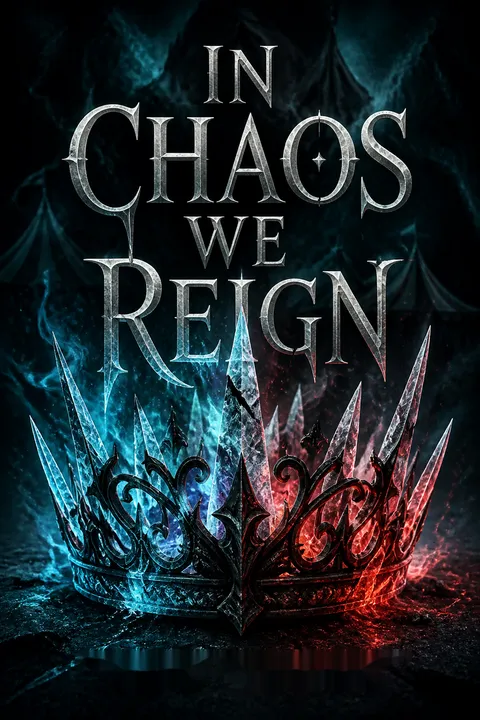
A dark, subversive meditation on power, trauma, and self-determinationIn Chaos We Reign is a brutal, unflinching exploration of what it means to survive—and ultimately thrive—in a world built on violence, secrecy, and betrayal. At its core, the novel is about the search for agency in the face of overwhelming odds: Cartier's journey from pawn to queen is both a personal and political revolution. The story interrogates the ways in which power is constructed, inherited, and challenged, using the devices of memory manipulation, performance, and generational conflict to expose the fragility of truth and the cost of loyalty. The relationships at the heart of the novel—between siblings, lovers, mentors, and rivals—are marked by both tenderness and brutality, reflecting the complexity of real-world trauma and the possibility of healing. Ultimately, the book suggests that true strength lies not in the denial of pain, but in the willingness to confront it, to forgive, and to build something new from the ruins. In a modern context, In Chaos We Reign is a powerful allegory for the struggle to reclaim one's narrative, to break cycles of abuse, and to find hope in the ashes of chaos.
Review Summary
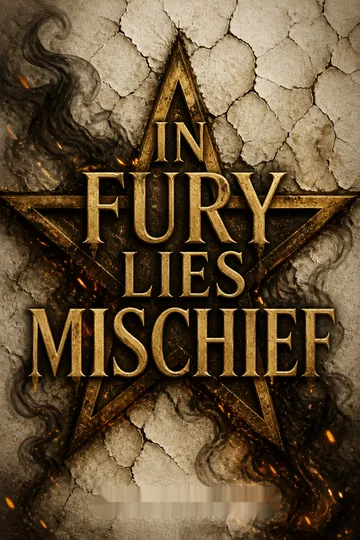
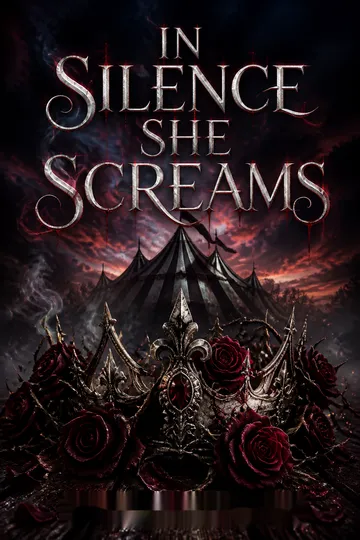
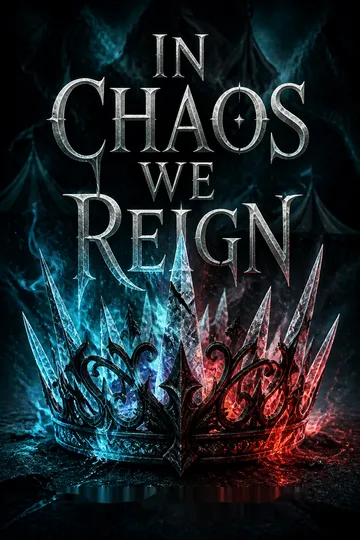
In Chaos We Reign by Amo Jones concludes the Midnight Mayhem series with Keaton and Cartier's forbidden romance. Reviews are polarized: fans praise the chemistry, dark atmosphere, and emotional family bonds, calling it a satisfying finale with shocking twists. Critics cite messy writing, confusing time jumps, plot holes, poor editing, and underwhelming resolutions to previous cliffhangers. Many felt the plot overshadowed character development, and some beloved characters seemed inconsistent. The complex narrative style either captivated or frustrated readers, with complaints about the telekinesis subplot being particularly confusing.
People Also Read

Characters
Cartier Nero
Cartier is the heart of the novel—a young woman forged in violence, secrecy, and the suffocating love of her family. Her journey is one of self-discovery, as she navigates the treacherous world of Midnight Mayhem and the Kiznitch legacy. Psychologically, Cartier is both resilient and vulnerable, shaped by trauma but determined to claim her own agency. Her relationships—with her brother Kyrin, her lover Keaton, and her mentors—are fraught with complexity, blending love, rivalry, and betrayal. Cartier's development is marked by her willingness to confront painful truths, her capacity for forgiveness, and her refusal to be defined by the sins of others. She emerges as a leader not because she is unbreakable, but because she learns to heal and to trust herself.
Keaton Cicero
Keaton is the most enigmatic of the Brothers, a man whose violence is both a weapon and a wound. His role as the Catcher—enforcer of obedience, dealer of death—marks him as both protector and monster. Keaton's relationship with Cartier is a crucible, testing the limits of love, forgiveness, and redemption. Psychologically, he is driven by a need for control, a fear of vulnerability, and a deep-seated belief in his own unworthiness. Over the course of the story, Keaton is forced to confront the darkness within himself and to accept the possibility of being loved despite it. His development is a journey from isolation to connection, from brutality to tenderness.
Kyrin Nero
Kyrin is both Cartier's fiercest protector and her greatest obstacle. His love is suffocating, born of trauma and a desperate need to keep his sister safe in a world that devours the weak. Psychologically, Kyrin is torn between loyalty to his family and the demands of the Kiznitch legacy. His relationship with Cartier is marked by both tenderness and control, as he struggles to accept her independence and the choices she makes. Kyrin's arc is one of learning to let go, to trust, and to accept that love sometimes means allowing others to face their own battles.
Delila
Delila is both a mother figure and a villain, the architect of much of the story's darkness. Her motivations are complex—part ambition, part vengeance, part twisted love. Delila's psychological profile is marked by a need for control, a willingness to sacrifice others for her own ends, and a capacity for both cruelty and genuine care. Her relationship with Cartier is a battleground, as she seeks to mold her protégé in her own image while underestimating Cartier's capacity for resistance. Delila's downfall is a cautionary tale about the dangers of unchecked ambition and the corrosive power of secrets.
The Brothers of Kiznitch (King, Killian, Kohen)
The Brothers are both a unit and a collection of individuals, each with their own strengths, weaknesses, and psychological scars. King is the strategist, Killian the trickster, Kohen the wild card. Their relationships with Cartier and each other are marked by rivalry, loyalty, and the constant threat of violence. Together, they embody the contradictions of the Kiznitch legacy: love and brutality, tradition and rebellion, unity and betrayal. Their development is tied to Cartier's, as they learn to accept her as an equal and to confront the sins of their fathers.
Eli
Eli is both a confidant and a casualty of the power struggles within Midnight Mayhem. His willingness to sacrifice himself for Cartier and the others marks him as both heroic and tragic. Psychologically, Eli is driven by loyalty, a sense of justice, and a deep need to belong. His arc is one of suffering and endurance, as he navigates the dangers of a world that punishes both strength and vulnerability.
Dove
Dove is a study in ambiguity—a character whose loyalties are constantly in question. Her actions are driven by self-preservation, ambition, and a complicated relationship with power. Psychologically, Dove is both victim and perpetrator, shaped by trauma and a willingness to do whatever it takes to survive. Her relationship with Cartier is fraught with rivalry, betrayal, and a grudging respect.
Bam Bam
Bam Bam is both a rescuer and a reminder of the darkness that pervades the world of Midnight Mayhem. His role as a King and his connection to both Cartier and the larger power struggles add layers of complexity to his character. Psychologically, Bam Bam is driven by a code of honor, a need to protect, and a willingness to operate in the shadows. His development is marked by his ability to navigate the gray areas between right and wrong.
Kissime
Kissime is the key to the story's most devastating revelation—the fabrication of memories that has shaped Cartier's entire life. Her role as both victim and perpetrator adds a layer of tragedy to the narrative. Psychologically, Kissime is haunted by guilt, a desire for redemption, and a longing for connection. Her actions force Cartier and the others to confront the fragility of truth and the power of forgiveness.
The Fathers
The Fathers are the embodiment of the old order—ruthless, manipulative, and ultimately doomed by their own hubris. Their psychological profiles are marked by a belief in their own infallibility, a willingness to sacrifice anyone for power, and a blindness to the consequences of their actions. Their downfall is both a reckoning and a liberation for the next generation.
Plot Devices
Memory Manipulation and Fabrication
The novel's most powerful device is the manipulation of memory—characters' identities, relationships, and histories are all subject to revision by those in power. This device is used to explore themes of trauma, agency, and the search for authenticity. The revelation that Cartier's memories have been fabricated is a devastating twist, forcing both her and the reader to question the nature of truth and the possibility of healing. The device is foreshadowed through subtle hints, unreliable narration, and the gradual unraveling of secrets.
Duality of Performance and Reality
The world of Midnight Mayhem is built on performance—literal and metaphorical. Characters wear masks, play roles, and hide their true selves behind layers of deception. This device is used to explore the tension between appearance and reality, the cost of living a lie, and the possibility of authenticity in a world that rewards duplicity. The circus itself becomes a metaphor for the chaos and spectacle of power.
Generational Cycles and Blood Oaths
The story is structured around the cycles of violence, loyalty, and betrayal that define the Kiznitch legacy. Blood oaths, family secrets, and the weight of tradition are used to explore the tension between destiny and choice. The younger generation's struggle to break free from the sins of their fathers is both a personal and political battle, with the outcome shaping the future of Midnight Mayhem.
Psychological and Physical Training
Cartier's journey from pawn to player is marked by a series of brutal training sequences—physical, psychological, and sexual. These trials serve as both plot and character development, forcing her to confront her own limits and to claim her agency. The training is both a crucible and a commentary on the ways in which power is constructed and maintained.
Foreshadowing and Nonlinear Revelation
The narrative structure is nonlinear, with revelations about the past emerging gradually through flashbacks, recovered memories, and confessions. Foreshadowing is used to build suspense and to prepare the reader for the story's most devastating twists. The gradual unveiling of secrets mirrors Cartier's own journey toward self-knowledge and liberation.
Midnight Mayhem Series
About the Author

Download PDF
Download EPUB
.epub digital book format is ideal for reading ebooks on phones, tablets, and e-readers.








































