
Plot Summary
Lost Boys Reunited
Waylon McAllister and Will Foster meet as children, both outsiders in their small Pennsylvania town. Their first encounter is awkward, but a spark of connection forms over shared loneliness and a sense of not belonging. Alongside friends Mason and Izzy, they create a tight-knit group—the "Lost Boys"—who become each other's chosen family. Yet, even in these early days, Waylon's home life is marked by neglect and abuse, while Will's sensitivity and openness set him apart. Their friendship is a lifeline, but also a source of confusion and longing, as both boys struggle to understand the feelings that begin to grow between them.
Haunted by the Past
Years pass, and the Lost Boys' bond is tested by tragedy and secrets. Izzy's disappearance leaves a gaping wound, and Mason's descent into addiction fractures the group. Waylon's father, Seamus, is imprisoned for a crime that haunts the town, but the shadow he casts over Waylon never truly lifts. Will, returning to Shiloh after years away, finds himself drawn back into Waylon's orbit, unable to resist the pull of unfinished business and unresolved feelings. Both men are haunted by what they lost and what they might have been, their pasts threatening to consume any hope for the future.
Unspoken Promises
Waylon and Will's connection deepens, but neither can fully articulate what they mean to each other. Their relationship is a dance of push and pull, marked by moments of tenderness and explosive conflict. The trauma of their childhoods—Waylon's abuse, Will's grief over his ex-boyfriend Zayne's suicide—creates barriers they struggle to overcome. Yet, in the quiet moments—sharing music, a cigarette, or a simple touch—they find solace. Their unspoken promise is to keep each other alive, even when they can't find the words to say "I love you."
Breaking and Mending
The return of Seamus McAllister from prison shatters the fragile peace the Lost Boys have built. Waylon spirals, his PTSD triggered by the threat of his father's presence. Will, desperate to protect him, lashes out—sometimes at Seamus, sometimes at Waylon, sometimes at himself. Their relationship reaches a breaking point after a violent episode, forcing both men to confront the darkest parts of themselves. Therapy, honesty, and the support of their friends become the tools for mending, but the process is slow and fraught with setbacks.
When Fathers Return
Seamus's release is a catalyst for chaos. His presence in town is a constant threat, and his interactions with Waylon and Will are charged with menace and regret. The community's response is mixed—some want to forget, others want justice. Waylon is forced to reckon with the reality that his father's love was always conditional, and that true family is chosen, not given. Will's own parents arrive, bringing their own secrets and guilt, and the truth about the past is finally revealed: they tried to help, but the system failed. The boys must decide what kind of men they want to be in the face of generational pain.
Panic and Protection
A violent confrontation at the bar triggers Waylon's PTSD, sending him into a dissociative panic. Will's instinct is to protect, even at the cost of his own safety. The scene is chaotic—shouting, broken glass, fists flying—but at its center is the desperate need to keep each other alive. Afterward, the aftermath is raw: Waylon's shame, Will's bruises, and the realization that survival sometimes means letting others carry you. Their friends rally around them, offering forgiveness, understanding, and the reminder that no one heals alone.
Therapy and Truths
Waylon's sessions with Dr. Wells become a lifeline. Through therapy, he begins to untangle the web of guilt, shame, and self-loathing that has defined his life. He learns that his father's abuse was never his fault, and that resilience is not about never breaking, but about getting back up. Will, too, confronts his own trauma—his fear of losing those he loves, his survivor's guilt, and his struggle to trust happiness. Together, they learn that healing is not linear, and that love is both a balm and a challenge.
Family Ties Fray
The truth about the past comes to light: Will's parents tried to save Waylon, but the system failed them all. Reggie, Waylon's uncle, carries his own guilt and secrets, including a complicated history with Seamus. The Lost Boys' chosen family is tested as old wounds are reopened and new boundaries are drawn. Forgiveness is not easy, and some relationships cannot be salvaged. Yet, in the ashes of what was, new bonds are forged—stronger for having survived the fire.
The Weight of Grief
Izzy's absence is a constant ache, and Mason's struggle with addiction is both a symptom and a cause of the group's pain. Grief is a living thing, shaping every interaction and decision. Yet, through music, memory, and shared sorrow, the Lost Boys find ways to honor what they lost without being consumed by it. The process is messy—full of anger, regret, and longing—but it is also beautiful, a testament to the power of love to endure even the deepest loss.
Love in the Shadows
Waylon and Will's romance is passionate, but fraught with secrecy and shame. Waylon's internalized homophobia, a legacy of his father's abuse, makes it difficult for him to accept love openly. Will's patience and persistence are tested, but he refuses to give up. Their intimacy is both a refuge and a battleground, as they navigate the complexities of desire, consent, and vulnerability. Coming out is not a single moment, but a series of choices—each one a step toward freedom.
Coming Undone Together
A violent encounter with Seamus brings everything to a head. In the aftermath, Waylon and Will are forced to confront the reality that survival is not enough—they must also learn to live. Hospital stays, therapy, and the unwavering support of their friends and chosen family become the scaffolding for rebuilding. The process is not easy, and setbacks are inevitable, but together they find the strength to keep going. Their love, once a source of pain, becomes a reason to hope.
Facing the Monster
The final confrontation with Seamus is both terrifying and cathartic. Waylon faces his father not as a victim, but as a survivor—refusing to let fear dictate his life any longer. Seamus's suicide is a complicated mercy, leaving behind questions that can never be answered. In the aftermath, Waylon and Will grieve not just for what was lost, but for what could never be. Yet, in letting go, they find the freedom to move forward.
After the Storm
The months following Seamus's death are marked by slow, painful healing. Waylon and Will learn to live with the scars—physical, emotional, and psychological—that trauma leaves behind. Their relationship deepens, becoming a partnership built on honesty, mutual support, and the willingness to face the darkness together. The Lost Boys, too, begin to heal—Mason finds hope, Shawn opens up, and the group's music becomes a source of strength and connection.
Healing in Pieces
Therapy, music, and love become the tools for healing. Waylon and Will support each other through setbacks and victories, learning that progress is measured not in leaps, but in small, everyday acts of courage. The process is ongoing—there are still bad days, still moments of doubt—but they are no longer alone. Together, they build a life that is not defined by pain, but by the choice to keep going.
The Music Carries On
The Lost Boys' music becomes a lifeline—not just for them, but for others who hear their songs. Their anonymity allows them to share their truth without fear, and their vulnerability resonates with listeners around the world. As their star rises, they are faced with new challenges—fame, scrutiny, and the pressure to be more than just survivors. Yet, through it all, their music remains a testament to the power of art to heal, connect, and transform.
Letting Go, Holding On
Waylon and Will learn to let go of the past—not by forgetting, but by choosing to live in the present. They honor the memory of those they lost, but refuse to be defined by grief. Their love, once a source of pain and confusion, becomes a foundation for a future they never thought possible. The Lost Boys, too, find peace—not in perfection, but in the messy, beautiful reality of life after trauma.
Found at Last
After years of searching, running, and hiding, Waylon and Will finally find what they have always longed for: a place to belong. Their relationship, once fraught with fear and secrecy, is now a source of pride and joy. Surrounded by friends who are family, they build a life that is not perfect, but is theirs. The Lost Boys are no longer lost—they are found, together.
Sunrise on the Bridge
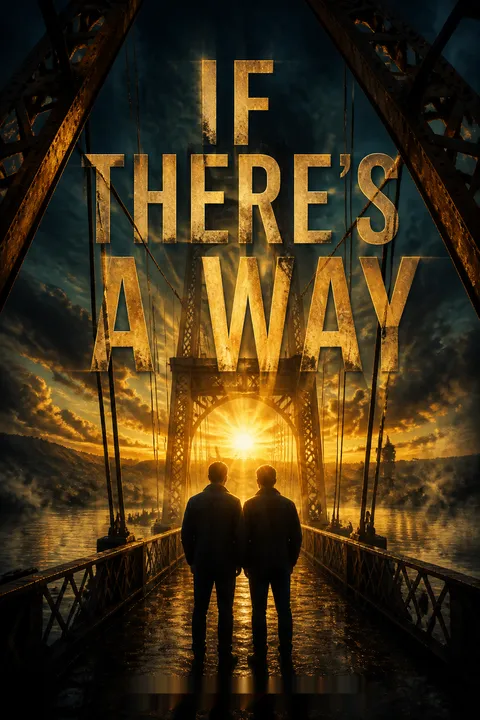
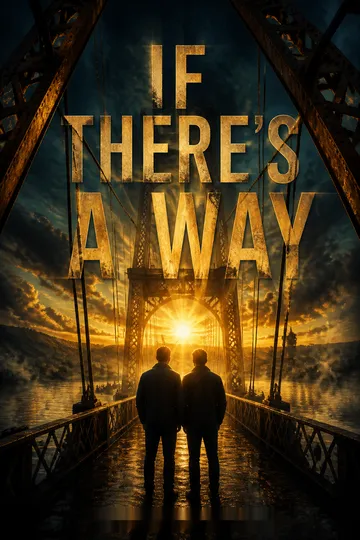
The story ends where it began: on the bridge, at sunrise. Waylon and Will, older and wiser, sit side by side, hands entwined, watching the sun rise over Shiloh. The scars of the past remain, but they are no longer wounds—they are reminders of how far they have come. In each other, they have found not just love, but hope. The future is uncertain, but for the first time, it is bright.
Analysis
A modern tale of trauma, resilience, and chosen familyIf There's a Way is a raw, unflinching exploration of the long shadow cast by childhood trauma and the redemptive power of love. Jessie Walker crafts a narrative that refuses easy answers, instead embracing the messy, nonlinear reality of healing. The novel's greatest strength lies in its refusal to romanticize pain—Waylon and Will's journey is not one of simple salvation, but of ongoing struggle, setbacks, and small victories. The story is deeply queer, centering the complexities of coming out, internalized homophobia, and the search for belonging in a world that often punishes difference. Yet, it is also universal in its depiction of grief, addiction, and the longing for connection. The found family at the heart of the novel is a testament to the idea that home is not where you come from, but where you are loved. Through music, therapy, and the willingness to keep going—one day, one heartbeat at a time—the Lost Boys find not just survival, but hope. In the end, the novel is a celebration of resilience: the belief that, no matter how dark the night, the sun will rise again.
Review Summary
Readers overwhelmingly praise If There's a Way as an emotional, raw, and beautifully written conclusion to Will and Waylon's love story, averaging 4.43 stars. Most highlight the authentic portrayal of trauma, healing, and sobriety, alongside a deeply satisfying found family dynamic. Reviewers frequently describe being emotionally wrecked yet healed by the experience. Some note the book's length and repetitive internal monologue as minor drawbacks. Side characters, particularly Mason, Shawn, and Ivy, generated significant excitement for future installments.
People Also Read


Characters
Waylon McAllister
Waylon is the emotional core of the story—a boy shaped by trauma, neglect, and the desperate need for love. His father's abuse leaves deep scars, both physical and psychological, manifesting as PTSD, addiction, and self-loathing. Yet, beneath the anger and pain is a fierce loyalty and capacity for love that draws others to him. His relationship with Will is both a source of healing and a battleground for his deepest fears. Over the course of the novel, Waylon learns to accept help, to trust in love, and to believe that he is worthy of happiness. His journey is one of resilience, vulnerability, and the slow, painful process of becoming whole.
Will Foster
Will is Waylon's opposite in many ways—open, sensitive, and determined to save those he loves. The suicide of his ex-boyfriend Zayne leaves him with survivor's guilt and a fear of abandonment that shapes his every action. Will's love for Waylon is unwavering, but it is also complicated by his own trauma and the burden of always being the "rescuer." Through therapy and self-reflection, Will learns to set boundaries, to accept that he cannot save everyone, and to allow himself to be vulnerable. His arc is one of learning that love is not about fixing, but about standing beside someone in their darkest moments.
Mason Wyatt
Mason is the glue that once held the Lost Boys together, but Izzy's disappearance and his own struggles with addiction threaten to tear him apart. His journey is one of confronting grief, accepting help, and learning to forgive—not just others, but himself. Mason's relationship with Waylon is fraught with guilt and regret, but also deep love. Through music and friendship, he finds a path to healing, though the process is ongoing and imperfect.
Izzy Montgomery
Izzy's absence is a wound that never fully heals. Her disappearance is the catalyst for much of the group's pain, but her memory is also a source of strength. Through flashbacks and memories, Izzy is revealed as vibrant, loving, and fiercely loyal—a reminder of what was lost, but also of what is worth fighting for.
Reggie McAllister
Reggie is Waylon's anchor—a man who tries to do right by his nephew, but is haunted by the knowledge that he could not save him from Seamus's abuse. His own complicated history with Seamus adds layers of guilt and regret. Reggie's love is steadfast, but he struggles to express it, often resorting to tough love and gruff affection. His arc is one of learning to forgive himself and to accept that love sometimes means letting go.
Seamus McAllister
Seamus is both a monster and a victim—a man broken by his own trauma, unable to love his son except through violence and control. His return from prison is a catalyst for chaos, forcing Waylon and the others to confront the past. Seamus's suicide is both a mercy and a curse, leaving behind questions that can never be answered. He is a symbol of the cycle of abuse, and the painful truth that some wounds never heal.
Ivy McAllister
Ivy is Waylon's cousin and one of his closest allies. Sharp-tongued and fiercely loyal, she is unafraid to call out bullshit and to fight for those she loves. Ivy's own struggles with identity and belonging mirror those of the Lost Boys, and her presence is a grounding force. She is the voice of reason, the keeper of secrets, and the one who reminds everyone that family is chosen.
Shawn
Shawn is the quiet backbone of the group—a man of few words, but deep loyalty. His own history of abuse and time in the foster system make him wary of intimacy, but he is always there when it matters. Shawn's relationship with Mason is particularly close, and his journey is one of learning to trust, to open up, and to accept love in all its forms.
Jeremy Montgomery
Jeremy is haunted by his sister's disappearance and his own complicated feelings for Mason. Sensitive and creative, he struggles to find his place in a world that feels diminished without Izzy. His arc is one of learning to move forward, to accept that some questions will never be answered, and to find meaning in the connections that remain.
Mason's Mother (Sherry)
Sherry is a quiet but powerful presence—a woman who has endured her own share of loss and hardship, but remains a source of comfort and wisdom. Her relationship with Reggie adds depth to the theme of chosen family, and her support is instrumental in the group's healing.
Plot Devices
Dual Narration and Nonlinear Structure
The novel employs a dual narrative, alternating between Waylon and Will's points of view. This structure allows readers to experience the story from both inside and outside the trauma, highlighting the ways in which perception, memory, and emotion shape reality. Flashbacks and nonlinear storytelling are used to reveal key moments from the past, gradually building a fuller picture of the characters' histories and motivations. This approach creates a sense of intimacy and immediacy, drawing readers into the characters' inner worlds.
Trauma as Character and Catalyst
Trauma is not just a backdrop, but an active force in the narrative. The characters' histories of abuse, loss, and grief are ever-present, shaping their choices, relationships, and sense of self. PTSD, addiction, and cycles of violence are explored with nuance and realism, refusing easy answers or tidy resolutions. The return of Seamus, the confrontation at the bar, and the final showdown in the garage are all moments where trauma becomes a character in its own right—something to be faced, survived, and, ultimately, transcended.
Music as Salvation
Music is both a literal and metaphorical lifeline for the Lost Boys. Their band is a source of identity, community, and hope—a way to process pain and to reach others who are suffering. The anonymity of their viral videos allows them to share their truth without fear, and their songs become a means of survival. Music is also a bridge between past and present, loss and healing, reminding the characters (and readers) that beauty can emerge from even the deepest pain.
Found Family and Chosen Bonds
The theme of found family runs throughout the novel, challenging the idea that blood is thicker than water. The Lost Boys are bound not by genetics, but by shared experience, loyalty, and the willingness to fight for each other. This chosen family becomes a source of strength and resilience, offering the support that biological families often fail to provide. The process of building and maintaining these bonds is messy, imperfect, and ongoing—but it is also what saves them.
Cycles of Abuse and Breaking Free
The novel explores the ways in which trauma and abuse are passed down through generations, and the difficulty of breaking free from these cycles. Seamus's own history of pain is revealed, complicating the narrative of villain and victim. Waylon's journey is one of refusing to become his father, of choosing love over violence, and of learning that survival is not enough—he must also learn to live. The process of breaking the cycle is neither easy nor complete, but it is possible.
Symbolism and Motifs
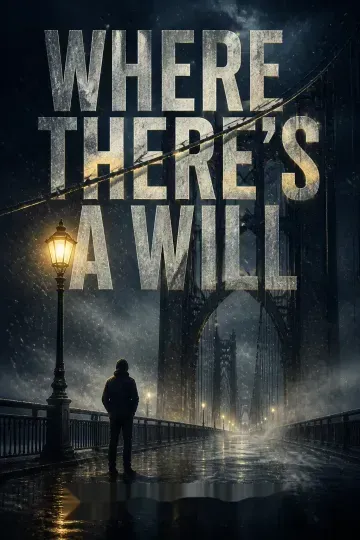
Recurring symbols—the bridge, the sunrise, music, and the motif of "finding a way"—underscore the novel's themes of survival, hope, and transformation. The bridge is both a site of trauma and a place of healing; the sunrise represents the possibility of new beginnings; music is a language of pain and connection; and the idea that "where there's a will, there's a way" becomes a mantra for resilience.
Lost Boys Series
About the Author

Download PDF
Download EPUB
.epub digital book format is ideal for reading ebooks on phones, tablets, and e-readers.








































