

Plot Summary
Blink's Violent Initiation
Meeksha "Blink" Livingston, desperate for belonging, endures a savage gang initiation—both a physical beatdown and sexual exploitation—to join the 22nd Street Merks. Her life spirals into crime, drugs, and violence, earning her a reputation as a fearless, reckless homegirl. The Merks' world is defined by territory, loyalty, and endless war with rival gangs like the 0-1-0's. Blink's story is one of lost innocence, shaped by a broken home and a yearning for family, culminating in her becoming both feared and admired in her neighborhood. Her choices set in motion a chain of violence that will ripple through the lives of many, especially when a drive-by shooting at the park claims not only her life but that of an innocent bystander.
Tina's Death, Family Shattered
Tina Anderson, a bright, promising girl, is killed in a drive-by meant for Blink. The Anderson family is devastated: Mrs. Anderson is hollowed by grief, Pops is consumed by guilt, and siblings Andre and Tee-Ay are left reeling. Teddy, Tina's older brother, is overtaken by rage and a thirst for vengeance. The neighborhood's "gangsta logic" dictates retaliation, and the police, pressured by media and public outcry, scramble for answers. The randomness of Tina's death—wrong place, wrong time—exposes the senselessness of gang violence and the deep scars it leaves on families and communities.
Teddy's Calculated Revenge
Teddy, brilliant and emotionally detached, channels his pain into a meticulous plan for revenge. He surveils the 0-1-0's, analyzing patterns and waiting for the perfect moment to strike. Teddy's mind works in patterns and probabilities, making him a dangerous adversary. He arms himself, studies his enemies, and prepares to extract information by any means necessary. His grief is masked by icy resolve, and his actions are driven by a belief that only vengeance can restore balance after his sister's murder.
The Trap at the Liquor Store
Teddy lures three 0-1-0 gang members into an alley, using deception and chemical weapons to incapacitate them. He interrogates Joseph ("Beast"), threatening him with fire to extract the shooter's identity. The situation escalates until the liquor store owner intervenes with a gun, forcing Teddy to surrender. Teddy's willingness to use violence is checked only by a last-minute decision not to kill an innocent man. The police arrive, arresting Teddy and the gang members, setting him on a path through the juvenile justice system.
Arrest and Juvenile Hall
Teddy is processed through the brutal machinery of juvenile justice: strip-searched, assigned to Killer's Lane, and immediately forced to fight for survival. His intelligence and toughness earn him a reputation, but also isolation. The system is overcrowded, impersonal, and indifferent to rehabilitation. Teddy's arraignment before Judge Lynch is perfunctory and dehumanizing; he is denied bail and labeled a gang member, despite his protests. The experience hardens him further, reinforcing his belief that the system is rigged and only personal justice matters.
Surviving Killer's Lane
Life in juvenile hall is a relentless cycle of violence, boredom, and survival. Teddy is constantly on guard, forced to fight to maintain respect. The food is inedible, the environment hostile, and the staff indifferent. He is written up as a troublemaker and sent to solitary, where the psychological toll mounts. The experience is dehumanizing, stripping away any illusions of glamour or honor in the "Game." Teddy's time in isolation cements his resolve to never be vulnerable again, even as it deepens his alienation from others.
Courtroom Injustice
Teddy's court appearances reveal the impersonal, assembly-line nature of juvenile justice. His public defender, Bill Chance, is overworked but decent. Judge Lynch is harsh, viewing Teddy as a symbol of everything wrong with the city's youth. Despite a plea deal, Teddy is placed on enhanced probation under the G-PIP program, with the threat of adult prison looming over any misstep. The process is humiliating and Kafkaesque, reinforcing Teddy's cynicism about the possibility of justice or redemption within the system.
Homecoming and Family Fallout
Teddy returns home to a family in ruins. His mother is emotionally absent, his siblings resentful, and his father torn between anger and helplessness. The funeral for Tina has already passed, deepening Teddy's sense of isolation and loss. Pops tries to reach out, warning Teddy about the futility of revenge, but Teddy is unmoved. The family's grief is compounded by financial strain and the slow unraveling of their relationships. Teddy's anger festers, and he begins plotting new schemes, convinced that only he can set things right.
Probation and Officer Diaz
Teddy is assigned to Officer Mariana Diaz, a tough, no-nonsense probation officer who sees through his bravado. She places him under strict supervision, including an ankle monitor, and assigns him to mentor Micah, a troubled preteen, as part of his community service. Diaz is both adversary and potential ally, challenging Teddy to confront his own pain and responsibility. Her office is a rare oasis of order and hope, but Teddy initially sees her only as another obstacle to be outsmarted.
Reluctant Mentorship Begins
Teddy meets Micah, a mouthy, defiant twelve-year-old on the brink of gang life. Their early interactions are hostile and unproductive, with Micah mocking Teddy and refusing to engage. Teddy is frustrated, seeing the assignment as pointless, while Micah expects to be abandoned like everyone else in his life. Officer Diaz pushes them to find common ground, but both boys are locked in patterns of mistrust and bravado. The mentorship seems doomed to fail, mirroring the failures of the system around them.
Micah's Struggles and Dyslexia
Teddy discovers that Micah's academic failures are rooted in undiagnosed dyslexia, not stupidity or laziness. With simple interventions—colored overlays and patient guidance—Micah begins to read and learn for the first time. This breakthrough transforms Micah's self-esteem and opens a path away from gang life. Teddy, in turn, is forced to confront his own assumptions and begins to care, despite himself. Their relationship shifts from antagonism to genuine mentorship, offering hope that cycles of failure can be broken with understanding and support.
Building Trust, Breaking Patterns
As Teddy and Micah work together, trust slowly builds. Teddy brings Micah into his family's home, where Mrs. Anderson's warmth and Pops's humor offer a glimpse of stability and belonging. Micah's manners and gratitude surprise the Andersons, and Tuesday night dinners become a new tradition. The family, still grieving, finds solace in helping Micah, and Teddy experiences the healing power of connection. For the first time, both boys glimpse the possibility of a different future, even as the dangers of the streets remain ever-present.
The Truth About Tina's Killer
Micah reveals that Tina's killer was not from the 0-1-0's, but from Serpent Street, orchestrated by Eevil, his own cousin. The drive-by was a calculated move to ignite war between rival gangs, with Tina's death used as a pawn in a larger game. Teddy is shaken, realizing his quest for revenge has been misdirected and that the true enemy is more elusive and insidious than he imagined. The revelation forces Teddy to reconsider his plans and the meaning of justice, as the cycle of violence threatens to claim more lives.
Serpent Street's Deadly Game
Eevil, the ruthless leader of Serpent Street, manipulates younger gang members like Micah, using them as disposable tools in his schemes. When rumors spread that Mumzy B, the real shooter, wants out, Eevil orders a "green light"—a death sentence. Micah, desperate to help Teddy, risks his own safety to get information, ultimately joining Serpent Street to act as an informant. The stakes escalate as Teddy is drawn deeper into the gang's deadly politics, forced to choose between vengeance and survival.
Betrayal and Hospital Bed
Micah is brutally beaten in a gang initiation, landing in the hospital. Teddy, wracked with guilt for abandoning Micah, is confronted by Officer Diaz, who accuses him of failing the boy who needed him most. The episode exposes the high cost of betrayal and the vulnerability of those caught between worlds. Micah's willingness to risk everything for Teddy's sake is both heartbreaking and redemptive, highlighting the desperate need for loyalty and love in a world defined by abandonment.
The Final Confrontation
Teddy arranges a meeting with Mumzy B, intending to exact revenge for Tina's death. But as he listens to Mumzy's story—a life shaped by abuse, addiction, and manipulation—Teddy recognizes the futility of more violence. Mumzy, wracked with guilt and grief, begs for death, but Teddy refuses, realizing that killing him will not bring Tina back or heal his own pain. Instead, Teddy warns Mumzy of the danger he faces from Serpent Street, choosing mercy over vengeance. The cycle of violence claims more victims, but Teddy steps away from its grip.
Choosing Mercy Over Revenge
The aftermath is bloody: Mumzy's pregnant girlfriend is murdered, and Mumzy takes his own life. Teddy, nearly caught in the crossfire, is left to reckon with the cost of revenge and the impossibility of true justice in a broken system. He confronts Eevil, challenging him to a brutal one-on-one fight. Teddy's victory is pyrrhic—he wins the battle but is battered and bloodied, and Eevil is later killed in jail due to Teddy's manipulation of the system. The violence ends, but at a terrible price, and Teddy is left to decide what kind of man he wants to be.
Healing, Family, and New Beginnings
In the aftermath, the Anderson family begins to heal. Mrs. Anderson and Pops reconcile, deciding to move and start anew, bringing Micah into their family. Officer Diaz's program is saved by a mysterious donation—Teddy's final act of subversive generosity. Micah, once destined for gang life, finds a home and a future. Teddy, freed from the burden of revenge, contemplates his own path, finally able to grieve and accept love. The story ends with the possibility of transformation, as cycles of violence are broken by acts of mercy, connection, and hope.
Analysis
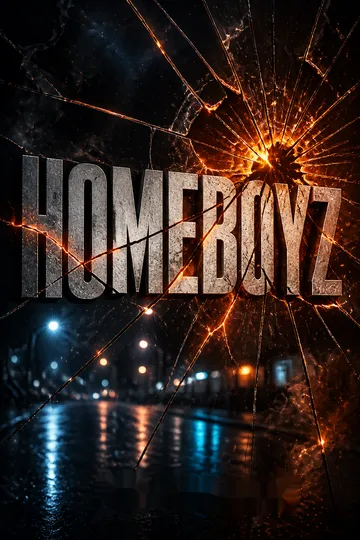
A modern parable of violence, loss, and redemptionHomeboyz is a searing exploration of the cycles of violence that plague inner-city communities, the failures of institutions meant to protect and rehabilitate, and the profound human need for connection and belonging. Through Teddy's journey from vengeance to mercy, the novel interrogates the allure and futility of revenge, exposing how trauma begets trauma and how systems often perpetuate rather than resolve suffering. The mentorship between Teddy and Micah offers a glimmer of hope, suggesting that even the most damaged individuals can change when met with understanding and support. The story's emotional arc is one of descent into darkness and gradual emergence into light, as characters confront their pain, make difficult choices, and ultimately choose healing over harm. Homeboyz challenges readers to see beyond stereotypes, to recognize the humanity in those labeled as "lost causes," and to believe in the possibility of transformation—even in the most unlikely places.
Review Summary
Homeboyz receives an overall rating of 4.34 out of 5, with most readers praising its engaging plot, realistic characters, and powerful themes surrounding gang violence, family, and redemption. Many readers highlight the compelling relationship between Teddy and Micah, and appreciate the book's fast pace and authentic portrayal of inner-city life. Some critics note the middle can feel slow, the ending overly tidy, and occasional preachy political messaging. Despite minor criticisms, the majority of readers highly recommend it, particularly for reluctant readers and those who enjoy action-driven, socially relevant stories.
People Also Read







Characters
Teddy "T-Bear" Anderson
Teddy is the novel's protagonist, a seventeen-year-old genius with a gift for pattern recognition and hacking, but emotionally scarred by trauma and loss. His sister's murder awakens a cold, calculating desire for revenge, driving him into dangerous confrontations with gang members and the justice system. Teddy's intelligence is both his weapon and his shield, allowing him to manipulate systems and people, but also isolating him from genuine connection. Through his reluctant mentorship of Micah and his evolving relationship with Officer Diaz, Teddy is forced to confront his own pain, vulnerability, and capacity for mercy. His journey is one from vengeance to healing, as he learns that true strength lies in breaking cycles of violence and embracing hope.
Micah "Li'l Stoop/Ento" Whitehall
Micah is a twelve-year-old foster child, tough on the outside but deeply wounded by abandonment and neglect. His bravado masks a desperate need for love and acceptance, making him vulnerable to gang recruitment. Undiagnosed dyslexia has left him academically adrift, reinforcing his sense of failure. Through Teddy's mentorship, Micah discovers his own intelligence and potential, finding pride in learning and connection. His loyalty to Teddy leads him to risk everything, even joining a gang as an informant. Ultimately, Micah's transformation from "Li'l Stoop" to "Ento" (entomologist) symbolizes the possibility of change, as he finds a new family and a future beyond the streets.
Mariana Diaz
Officer Diaz is Teddy's probation officer and the architect of the G-PIP program. Driven by her own history of loss—her brother was killed by gang violence—she is both compassionate and uncompromising. Diaz sees through Teddy's defenses and challenges him to take responsibility for himself and others. Her office is a rare space of order and hope, but she is constantly battling bureaucratic indifference and budget cuts. Diaz's relationship with Teddy and Micah is both professional and deeply personal, as she invests in their potential for change. Her resilience and integrity make her a catalyst for transformation, even as she struggles with her own pain.
Mrs. Anderson
Tina's death devastates Mrs. Anderson, plunging her into depression and emotional withdrawal. Once the family's anchor, she becomes a ghost in her own home, unable to function or connect. Her journey is one of slow, painful healing, as she gradually re-engages with her family and finds purpose in helping Micah. Her eventual embrace of Micah as a son marks a turning point, symbolizing forgiveness, acceptance, and the possibility of new beginnings.
Pops (Willard Anderson)
Pops is Teddy's father, a hardworking small business owner burdened by guilt over Tina's death and the unraveling of his family. He is torn between anger at Teddy's choices and a deep, unwavering love for his children. Pops's wisdom is hard-earned, and he tries to guide Teddy away from vengeance, warning him of its corrosive effects. His willingness to forgive and rebuild, even as his marriage falters, is a testament to his resilience and hope.
Tina Anderson
Tina is the catalyst for the novel's events, her death shattering her family and exposing the senselessness of gang violence. In life, she was kind, optimistic, and the only one who truly understood Teddy. Her memory haunts him, driving his quest for revenge but also serving as a beacon of what is lost and what might be regained through healing and forgiveness.
Eevil (Tyrone Ellis Williams)
Eevil is the mainhead shot-caller of Serpent Street, a master manipulator who uses intelligence and cruelty to expand his power. He recruits and exploits vulnerable youth like Micah, orchestrates deadly schemes, and shows no remorse for the lives destroyed in his pursuit of dominance. Eevil's downfall comes through Teddy's intervention, but his legacy is a testament to the destructive allure of gang life.
Mumzy B (Terrence DeMarco Jefferson)
Mumzy B is the actual shooter in Tina's death, a young man shaped by abuse, addiction, and manipulation. Used by Eevil as a disposable tool, he is wracked with guilt and unable to escape the consequences of his actions. His encounter with Teddy is a moment of reckoning, as he confesses his pain and seeks release. Mumzy's suicide underscores the tragic cost of cycles of violence and the absence of true redemption in the world he inhabits.
Andre "Hoopster" Anderson
Andre is Teddy's older brother, a talented basketball player and aspiring journalist. He processes grief through silence and distance, struggling to connect with his family. Andre's presence is stabilizing but limited, as he eventually leaves to pursue his own life. His relationship with Teddy is marked by rivalry, loyalty, and a shared sense of loss.
Theresa "Tee-Ay" Anderson
Tee-Ay is Teddy's older sister, a college student grappling with the trauma of losing her best friend and her sister to gun violence. She is outspoken, confrontational, and often at odds with Teddy, but her anger masks deep pain. Tee-Ay's journey is one of seeking understanding and closure, as she navigates her own path toward healing.
Plot Devices
Cycles of Violence and Revenge
The novel's central plot device is the cycle of violence—each act of aggression demands retaliation, trapping individuals and communities in endless conflict. Teddy's quest for revenge is mirrored by the gang's own codes of honor and retribution, creating a web of cause and effect that ensnares everyone. The futility of this cycle is exposed through the escalating body count and the emotional devastation left in its wake. The only escape comes through acts of mercy, understanding, and the breaking of old patterns.
Duality of Identity and Transformation
Many characters inhabit dual identities: Teddy as both predator and protector, Micah as both gang recruit and mentee, Diaz as both enforcer and healer. The tension between who they are and who they might become drives the narrative, with transformation possible only through vulnerability and connection. The motif of street names versus real names underscores the search for authentic selfhood amid external pressures.
Institutional Failure and Subversion
The juvenile justice system, schools, and social services are depicted as overwhelmed, underfunded, and often indifferent to real change. Teddy's hacking exploits expose the vulnerabilities and corruption within these institutions, while Diaz's G-PIP program represents a rare attempt at meaningful intervention. The plot uses subversion—both criminal and redemptive—as a means of survival and resistance, highlighting the need for systemic reform.
Foreshadowing and Pattern Recognition
Teddy's gift for recognizing patterns is both a narrative device and a metaphor for the interconnectedness of events. Early scenes foreshadow later revelations, such as the true identity of Tina's killer and the consequences of betrayal. The motif of patterns—whether in street surveillance, academic records, or emotional responses—serves as a lens through which characters interpret and influence their world.
Symbolism of Family and Belonging
The search for family—whether biological, chosen, or surrogate—is a recurring device. Gang membership is depicted as a twisted form of family, offering belonging at the cost of freedom and safety. The Andersons' journey from fragmentation to reunion, and Micah's adoption into their home, symbolize the possibility of healing through love and acceptance. The motif of food, shared meals, and home underscores the importance of nurturing and connection.
The Hoopster Series
Download PDF
Download EPUB
.epub digital book format is ideal for reading ebooks on phones, tablets, and e-readers.








































