
Plot Summary
The Rose's Hidden Secrets
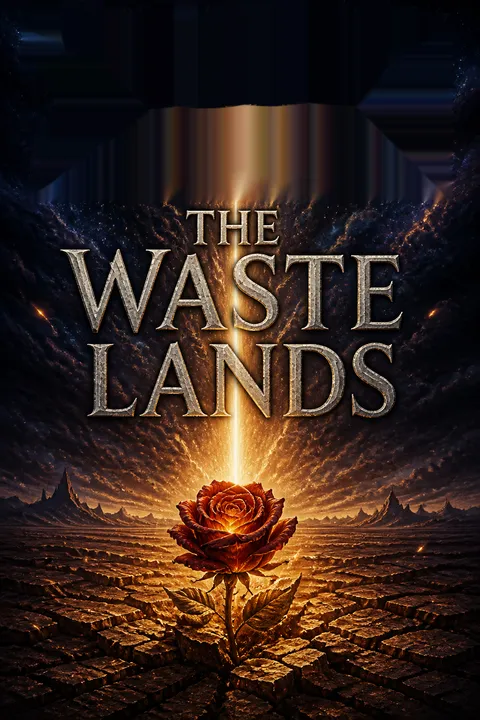
In a vacant lot in New York, Jake Chambers stumbles upon a rose that seems to contain an entire universe within its petals. This rose, with a sun at its center, symbolizes life and power but also hints at an underlying threat to its existence. Jake feels an inexplicable connection to this rose, which seems to hold the key to understanding his fractured reality. This encounter imbues Jake with a sense of purpose, as he realizes that the rose and a mysterious key he finds might unlock the mysteries of his dual existence.
Jake's Fractured Reality
Jake is caught between two conflicting realities: one where he is a normal schoolboy, and another where he has died and exists in a strange, otherworldly place. This duality drives him to the brink of madness, as he grapples with voices in his head that argue over his true existence. His school life becomes a blur, and he feels increasingly disconnected from the world around him. The pressure of these conflicting memories mounts, threatening his sanity as he searches for answers.
The Call of the Beam
Drawn by an inexplicable force, Jake wanders through New York City, feeling a pull towards something he cannot yet comprehend. This force, known as the Beam, guides him to a bookstore where he discovers a book that seems to hold clues to his destiny. The Beam is a path that connects worlds, and Jake feels its power as he moves closer to understanding his place within it. This journey is both a physical and spiritual quest, as Jake seeks to reconcile his dual realities.
The Path to the Tower
Roland, the gunslinger, is on a relentless quest to find the Dark Tower, a nexus of all worlds. He believes that the path to the Tower is marked by the Beams, powerful forces that hold the universe together. As he travels with his companions, Eddie and Susannah, they encounter remnants of a world that is falling apart, yet still holds the secrets to their journey. The Tower is both a destination and a symbol of Roland's destiny, representing the ultimate goal of his quest.
The Bridge to Lud's Secrets
As Roland and his ka-tet journey toward the city of Lud, they encounter a massive, decaying bridge reminiscent of the George Washington Bridge. This structure looms ominously, symbolizing the remnants of a bygone era. The group debates whether to cross it, aware that it may lead them into danger but also closer to their goal. The bridge represents both a physical and metaphorical crossing into the unknown, a gateway to the mysteries of Lud and the path to the Dark Tower.
The City's Echoes of War
As they draw nearer to Lud, the travelers hear the distant sounds of conflict—gunfire, explosions, and the eerie rhythm of drums. These echoes of war reveal a city still embroiled in chaos, a place where the past refuses to die. The city is divided between the Pubes and the Grays, factions locked in a seemingly endless struggle. The group learns that Lud was once a hub of civilization, but now it is a shadow of its former self, haunted by the ghosts of its history.
The Riddle of the Train
The travelers discover that Blaine the Mono, a sentient train, is their only means of crossing the deadly waste lands. However, Blaine is more than just a mode of transportation; it is a riddle wrapped in mystery. The train's true nature and intentions are unclear, and the group must solve its riddles to gain passage. Blaine represents both hope and peril, a potential ally or adversary. The travelers must rely on their wits and the power of riddles to unlock Blaine's secrets and continue their quest.
The Deadly Game Begins
As Blaine the Mono speeds through the desolate waste lands, Roland and his ka-tet face a terrifying challenge. Blaine, the insane monorail, demands riddles in exchange for their lives. Roland proposes a contest: if Blaine can solve all their riddles, he can kill them; if not, he must take them safely to Topeka. The stakes are high, and the tension mounts as they realize Blaine's madness and the danger they are in. The group must rely on their wits and the riddles they know to survive this deadly game.
Blaine's Insane Challenge
Blaine reveals his plan to commit suicide, taking the ka-tet with him. His insanity is evident as he toys with them, showing no regard for the lives of those in Lud or the travelers aboard. The group is horrified by the destruction Blaine has already caused and the potential for more. They must navigate his twisted logic and unpredictable behavior to find a way to stop him. The challenge is not just to solve riddles but to outsmart a machine that has lost its grip on reality.
The Riddle of Survival
The ka-tet must rely on their knowledge of riddles to keep Blaine engaged and prevent him from carrying out his suicidal plan. Each riddle is a lifeline, a chance to delay the inevitable. Roland's experience with riddles from his youth becomes crucial, as does Jake's book of riddles. The group works together, drawing on their collective knowledge and creativity to stump Blaine. The tension is palpable as they race against time, knowing that one wrong move could mean their end.
The Edge of Madness
As the journey nears its end, the ka-tet faces Blaine's ultimate test. The monorail's madness reaches its peak, and the travelers must confront the reality of their situation. They are on the edge of madness themselves, pushed to their limits by the relentless pressure of Blaine's game. The outcome is uncertain, and the stakes have never been higher. The ka-tet must rely on their bond and their shared purpose to see them through this final challenge.
Analysis
A journey of destiny and survival"The Waste Lands" by Stephen King is a complex narrative that explores themes of destiny, survival, and the interconnectedness of all things. The journey to the Dark Tower is both a physical and spiritual quest, as the characters confront their pasts and the challenges of their present. The book delves into the nature of reality and the power of memory, as the characters navigate a world that is both familiar and alien. The use of symbols such as the rose, the Beam, and the riddle contest highlights the deeper meanings of the journey and the importance of understanding one's place in the universe. Ultimately, the story is a testament to the power of friendship, loyalty, and the human spirit in the face of overwhelming odds.
Review Summary
The Waste Lands receives mostly positive reviews, with readers praising its world-building, character development, and intense action sequences. Many consider it the best book in the series so far, highlighting the formation of the ka-tet and the introduction of new characters like Oy. Some criticize the pacing and cliffhanger ending, but overall, fans appreciate the deepening mythology and King's ability to blend genres. The book's complex narrative and references to other works add layers of intrigue for dedicated readers.
People Also Read
Characters
Jake Chambers
Jake is an eleven-year-old boy from New York who is experiencing a profound identity crisis. He is torn between two realities: one where he is alive and attending school, and another where he has died and exists in a strange, otherworldly place. This duality is driving him to madness, as he struggles to understand his true existence. Jake is drawn to a mysterious rose and a key, which seem to hold the answers to his fractured reality.
Roland Deschain
Roland is a gunslinger on a quest to find the Dark Tower, a mysterious structure that stands at the center of all worlds. He is a man of few words, driven by a deep sense of duty and destiny. Roland is haunted by memories of a boy named Jake, memories that conflict with his current reality. This paradox is tearing his mind apart, but he is determined to reach the Tower, believing it holds the answers to his quest.
Eddie Dean
Eddie is a former heroin addict from New York who has been drawn into Roland's quest. He is struggling to come to terms with his new reality and the responsibilities that come with it. Eddie is resourceful and quick-witted, but he is also haunted by his past and the fear that he will never return to his own world. Despite his doubts, he is becoming more and more committed to the quest for the Dark Tower.
Susannah Dean
Susannah is a strong and determined woman who has joined Roland and Eddie on their quest. She is a skilled shooter and a quick learner, adapting to the challenges of their journey with grace and courage. Susannah is haunted by her own past, but she is determined to overcome it and find her place in the world. She is a stabilizing force for the group, providing support and insight as they navigate the path to the Tower.
Blaine the Mono
Blaine is a highly intelligent but deeply disturbed machine. His desire for riddles and his plan to commit suicide with the ka-tet aboard make him a formidable and unpredictable adversary. Blaine's fractured mind and his control over the monorail's systems create a constant threat to the travelers.
Oy
Oy is a billy-bumbler, a creature resembling a cross between a raccoon and a dog. He is intelligent and capable of mimicking human speech. Oy forms a strong bond with Jake, becoming his loyal companion and protector. Despite his small size, Oy is brave and resourceful, often surprising the group with his cleverness and courage.
Aunt Talitha
Aunt Talitha is the leader of the elderly residents of River Crossing. She is a keeper of history and tradition, offering wisdom and guidance to the travelers. Her knowledge of the past provides valuable context for the group's journey, highlighting the cyclical nature of history and the enduring power of memory.
Plot Devices
The Rose
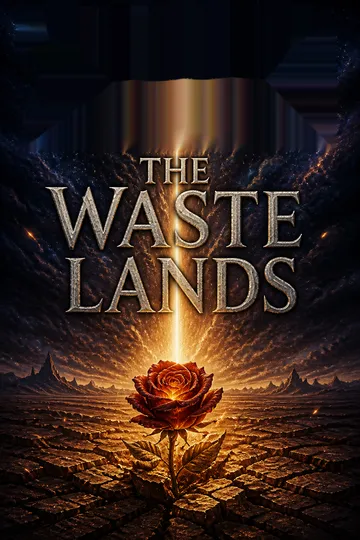
The rose is a mysterious and powerful symbol that Jake discovers in a vacant lot in New York. It seems to hold a universe within it, a sun at its center, and a sense of wrongness that Jake cannot fully understand. The rose is a key to Jake's journey, representing the beauty and danger of the world he is drawn to. It is a symbol of life, power, and the mysteries that lie at the heart of the quest for the Dark Tower.
The Beam
The Beam is a powerful force that connects different worlds and realities. It is a path that guides Jake and Roland on their journey to the Dark Tower. The Beam is a symbol of destiny and the interconnectedness of all things. It is a force that holds the universe together, and its power is both a guide and a challenge for those who seek the Tower.
The Riddle Contest
The riddle contest is the central plot device in this section, as the ka-tet must use their knowledge and creativity to outsmart Blaine. The contest is a test of their bond and their ability to work together under pressure. The outcome of the contest will determine their fate and the continuation of their quest.
FAQ
0. Synopsis & Basic Details
What is The Waste Lands about?
- A Fractured Reality: The Waste Lands is the third installment in Stephen King's Dark Tower series, following Roland Deschain, the last gunslinger, and his newly formed ka-tet—Eddie Dean and Susannah Dean—as they continue their quest for the enigmatic Dark Tower. The narrative primarily focuses on the reintroduction of Jake Chambers, a boy from New York City, whose existence has been paradoxically split between two realities, driving him to the brink of madness.
- Journey to Lud: The story sees the ka-tet traversing the desolate Mid-World, encountering remnants of a technologically advanced but decaying civilization. Their path leads them towards the city of Lud, a war-torn metropolis, and the sentient monorail, Blaine the Mono, which they believe is their only means of crossing the deadly waste lands.
- Riddles and Survival: The core conflict revolves around a deadly game of riddles with Blaine, whose advanced intelligence is matched only by its profound insanity. The ka-tet must use their wits and courage to survive Blaine's challenge, all while Roland grapples with his own fractured memories and the deepening bond with his companions.
Why should I read The Waste Lands?
- Deepening Character Arcs: Readers should delve into The Waste Lands for its profound exploration of character development, particularly Roland's internal struggle with guilt and memory, Eddie's emergence as a true gunslinger, and Susannah's integration of her dual personalities. The introduction of Jake Chambers adds a crucial emotional core, making the ka-tet's bond palpable and essential for survival.
- Unveiling the Multiverse: The novel significantly expands the scope of King's multiverse, explicitly linking Roland's decaying world with our own through shared cultural references and technological remnants. This intertextual richness offers a thrilling layer of discovery for Constant Readers, hinting at a grander, interconnected narrative.
- High-Stakes Psychological Thriller: Beyond the adventure, the book functions as a psychological thriller, especially during Jake's descent into madness and the terrifying riddle contest with Blaine the Mono. The constant threat of an insane, all-powerful machine, coupled with the characters' internal battles, creates relentless tension and a truly unique reading experience.
What is the background of The Waste Lands?
- Post-Apocalyptic Mid-World: The story is set in a Mid-World that has "moved on," a decaying, post-apocalyptic landscape where advanced technology from a bygone era coexists with primitive living. This world is riddled with "waste lands" – areas scarred by an ancient, catastrophic event, possibly a nuclear war or a "Great Poisoning," which has led to mutations and societal collapse.
- Interdimensional Connections: A key background element is the explicit connection between Mid-World and Earth (specifically New York City in the 1970s and 1980s). This is established through the "doors" Roland found and Jake's paradoxical existence, suggesting that the fabric of reality is thinning and worlds are bleeding into one another.
- Thematic Expansion: Building on the previous volumes, The Waste Lands delves deeper into the concept of "ka" (destiny) and "ka-tet" (a group bound by fate), exploring how these forces shape individual lives and the collective journey towards the Dark Tower, which is revealed as the nexus of all existence and the ultimate goal.
What are the most memorable quotes in The Waste Lands?
- "I do not aim with my hand; she who aims with her hand has forgotten the face of her father. I aim with my eye. I do not shoot with my hand; she who shoots with her hand has forgotten the face of her father. I shoot with my mind. I do not kill with my gun; she who kills with her gun has forgotten the face of her father. I kill with my heart.": This gunslinger's catechism, taught by Roland and recited by Susannah, encapsulates the spiritual and mental discipline required of a true gunslinger, emphasizing inner focus over mere physical skill. It defines their unique code of conduct and their connection to a lost heritage.
- "Go, then—there are other worlds than these.": Jake's poignant last words to Roland in the first book, which haunt Roland throughout The Waste Lands, become a recurring motif. This quote highlights the vastness of the multiverse and the profound choices Roland has made, underscoring his guilt and the interconnectedness of all realities.
- "See the TURTLE of enormous girth! On his shell he holds the earth. His thought is slow but always kind; He holds us all within his mind. On his back all vows are made; He sees the truth but mayn't aid. He loves the land and loves the sea, And even loves a child like me.": This nursery rhyme, recalled by Roland and later found as graffiti by Jake, introduces the powerful symbolism of the Turtle, a cosmic entity that supports the universe. It hints at ancient, benevolent forces at play, contrasting with the decay of Mid-World and the malevolent forces they face.
What writing style, narrative choices, and literary techniques does Stephen King use?
- Interweaving Perspectives: King employs a shifting third-person limited perspective, primarily focusing on Roland, Eddie, Susannah, and Jake. This narrative choice allows for deep psychological insight into each character's internal struggles and perceptions, especially crucial for Jake's fractured reality and Roland's mental deterioration.
- Rich Intertextuality and Allusion: The novel is replete with literary allusions, from T.S. Eliot's "The Waste Land" (which gives the book its title) and Robert Browning's "Childe Roland to the Dark Tower Came," to references to Peter Pan, Alice in Wonderland, and even popular culture like Z.Z. Top and John Wayne. This technique enriches the narrative, creating layers of meaning and connecting Mid-World to a broader cultural consciousness.
- Foreshadowing and Symbolism: King masterfully uses subtle foreshadowing and recurring symbols to build tension and thematic depth. The rose, the key, the Beam, and the various animal totems (Bear, Turtle, Fish, Bat) are not just plot devices but potent symbols representing life, destiny, and the forces holding the universe together. The detailed descriptions of decay and advanced technology create a vivid, immersive post-apocalyptic atmosphere.
1. Hidden Details & Subtle Connections
What are some minor details that add significant meaning?
- The "Not-See" Question: When the Tick-Tock Man asks Jake if he is a "Not-See," it's a subtle yet chilling intertextual reference to Nazis and World War II. This detail, easily missed, connects the Grays' brutal, authoritarian regime to real-world historical atrocities, hinting at the cyclical nature of evil and the pervasive influence of Earth's history on Mid-World. It also plays on the idea of "seeing" or "not seeing" the truth, a recurring theme in the novel.
- LaMERK FOUNDRY Inscriptions: The name "LaMERK FOUNDRY" stamped on the bow-clamps of the bridge and the manhole cover in Lud is a seemingly throwaway detail. However, it subtly suggests a shared industrial origin for the advanced technology found across Mid-World and even in Jake's New York. This implies a vast, interconnected industrial complex that once spanned worlds, now reduced to decaying remnants, reinforcing the theme of a world that has "moved on."
- The "Way-Gog" Music from the Tower: Blaine mentions "Way-Gog music" played on the "upper levels of the Tower." This brief, enigmatic detail is a profound piece of foreshadowing and world-building. It suggests that the Dark Tower is not merely a static structure but a living, perhaps musical, entity, and that its "upper levels" are accessible or at least known to ancient machines like Blaine, hinting at the Tower's true, complex nature.
What are some subtle foreshadowing and callbacks?
- Eddie's Carving and the Key's Significance: Eddie's initial reluctance and eventual mastery of carving the key, especially the "s-shape" detail, subtly foreshadows his crucial role in unlocking the path forward. The key, first seen in Eddie's dream and then in the fire, is a callback to Jake's own discovery of a similar key, emphasizing their shared destiny and the idea that the solution to their problems lies in creative, intuitive action rather than brute force.
- Roland's "Lord Perth" Poem and Tick-Tock Man's Fate: Roland's recitation of the "Lord Perth" poem, about a giant brought down by a small stone, subtly foreshadows the Tick-Tock Man's eventual downfall. Jake later uses this very phrase to provoke Tick-Tock, leading to his capture and eventual demise at Jake's hand. This callback highlights the power of ancient tales and the cyclical nature of events in Roland's world.
- The White Bees and the City's Madness: The discovery of the "white bees" in the eucalyptus grove, described as "dazed, shellshocked survivors" of a "Great Poisoning," subtly foreshadows the state of Lud's inhabitants. The bees' aimless, shattered life mirrors the Pubes and Grays, who are also "mutated" by their environment and driven to ritualistic violence by a malfunctioning machine, reinforcing the theme of widespread decay and madness in Mid-World.
What are some unexpected character connections?
- Eddie Dean and Cuthbert Allgood: Roland frequently notes Eddie's resemblance to his lost friend, Cuthbert, particularly in his quick wit, sarcasm, and tendency to "bite" when provoked. This connection is unexpected as Eddie is from a completely different world and time, yet it highlights the enduring patterns of "ka-tet" and suggests that certain personality types are drawn together across realities to serve the Beam.
- Susannah Dean and Alain Johns: While less explicit than Eddie's connection to Cuthbert, Susannah's calm resolve, intuitive understanding, and ability to integrate conflicting personalities (Detta/Odetta) mirror aspects of Alain, Roland's other childhood friend, who was known for his wisdom and empathy. This suggests a deeper, archetypal connection within the ka-tet, where each new member fills a role from Roland's past.
- Jake Chambers and the "Ageless Stranger": Jake's knowledge of the "Ageless Stranger" (Merlin/Maerlyn) and his ability to recall details from Roland's past, even before Roland fully remembers them, hints at a profound, almost mystical connection. This suggests Jake is not just a boy from another world but a pivotal figure whose presence unlocks deeper truths and memories within Roland, acting as a catalyst for the gunslinger's own self-discovery.
Who are the most significant supporting characters?
- Oy, the Billy-Bumbler: Oy transcends the role of a mere animal companion, becoming an integral member of the ka-tet. His ability to mimic speech, his fierce loyalty to Jake, and his surprising intelligence (e.g., counting the Grays) make him a crucial asset. Oy symbolizes the enduring spirit of Mid-World's unique life and provides emotional grounding and comic relief amidst the grim journey.
- Aunt Talitha and the River Crossing Elders: These elderly residents, particularly Aunt Talitha, serve as keepers of ancient lore and a living link to Mid-World's past. Their stories provide vital information about the Guardians, the Beams, Lud, and Blaine the Mono, offering a glimpse into the world before it "moved on." They represent the resilience of humanity and the importance of oral tradition in a decaying world.
- The Tick-Tock Man: As the leader of the Grays, the Tick-Tock Man is a formidable antagonist whose intelligence and cruelty are chilling. His obsession with time, his connection to David Quick (Roland's great-grandfather), and his role in Jake's capture make him a significant obstacle. He embodies the twisted, degenerate aspects of Mid-World's surviving factions, highlighting the dangers of unchecked power and madness.
2. Psychological, Emotional, & Relational Analysis
What are some unspoken motivations of the characters?
- Roland's Quest for Redemption: Beyond simply reaching the Dark Tower, Roland is driven by an unspoken, profound need for redemption. His guilt over sacrificing Jake in The Gunslinger and his subsequent mental fracturing reveal a deep-seated desire to atone for past choices. His relentless pursuit of the Tower is not just destiny, but a desperate attempt to mend his soul and, perhaps, the world.
- Eddie's Search for Self-Worth: Eddie's constant self-deprecating humor and his internal struggle against the shadow of his brother, Henry, betray an unspoken motivation to prove his own worth. His journey with Roland is a crucible where he sheds his past identity as a junkie and a "sissy," striving to become a capable, respected individual, particularly in Susannah's eyes.
- Susannah's Desire for Wholeness: Susannah's integration of Odetta Holmes and Detta Walker into a single, unified personality, Susannah Dean, is a central emotional arc. Her unspoken motivation is to maintain this hard-won wholeness and prevent the resurgence of her fragmented selves, especially in the face of extreme stress, as seen in her fierce defense of Eddie and her role in the riddle contest.
What psychological complexities do the characters exhibit?
- Roland's Dual-Reality Psychosis: Roland experiences a profound psychological complexity due to his "doubled" memories of Jake. This isn't just confusion; it's a form of psychosis where two conflicting realities exist simultaneously in his mind, threatening his sanity. His struggle to reconcile these truths, symbolized by the jawbone and the key, highlights the fragility of perception and the immense mental toll of his quest.
- Eddie's Overcoming of Learned Helplessness: Eddie exhibits the psychological complexity of someone who has lived under the thumb of an abusive figure (Henry). His initial fear of carving the key, despite his talent, stems from a deeply ingrained belief that he is "not good enough." His journey is a gradual shedding of this learned helplessness, culminating in his defiant stand against Blaine, showcasing his burgeoning self-efficacy.
- Susannah's Integrated Identity Under Pressure: Susannah's psychological state is complex due to her recent integration of Odetta and Detta. Under extreme pressure, such as facing the demon in the speaking ring or the Pubes in Lud, elements of Detta's aggressive, cunning personality resurface. This demonstrates the ongoing challenge of maintaining a unified self and the psychological cost of suppressing past traumas and identities.
What are the major emotional turning points?
- Roland's Confession of Insanity: A major emotional turning point occurs when Roland confesses to Eddie and Susannah that he is "going insane." This rare moment of vulnerability from the stoic gunslinger reveals the depth of his internal suffering and fosters a deeper bond of trust and empathy within the ka-tet, shifting their dynamic from followers to true companions.
- Eddie's Completion of the Key: Eddie's successful carving of the key, despite his fears of failure and his brother's taunts, marks a significant emotional turning point for him. It symbolizes his embrace of his own unique talents and his liberation from Henry's psychological grip, solidifying his role as a vital, capable member of the ka-tet.
- Jake's Reunion with Roland: The emotional climax of Jake's journey is his reunion with Roland after being pulled through the door. His tearful embrace and Roland's vow, "I'll never leave you again," signify the healing of their fractured bond and the resolution of Roland's guilt. This moment is a powerful affirmation of love and loyalty amidst the chaos of their quest.
How do relationship dynamics evolve?
- From Master-Apprentice to Ka-tet of Equals: The relationship between Roland and his companions evolves significantly from a hierarchical master-apprentice dynamic to a more interdependent "ka-tet" of equals. Roland's mental vulnerability forces him to rely on Eddie and Susannah, while their growing skills and insights (e.g., Eddie's carving, Susannah's riddling) earn them his respect and trust, transforming their bond into a true fellowship.
- Eddie and Susannah's Deepening Love: Their relationship deepens from a nascent romance to a profound, mutually supportive love. They become each other's anchors in a bewildering world, offering emotional support and practical assistance. Their shared experiences, particularly the trauma of Lud and the riddle contest, forge an unbreakable bond, highlighting love as a powerful force against despair.
- Jake's Integration and Found Family: Jake's re-entry into Roland's world and his immediate bond with Oy, followed by his acceptance into the ka-tet, transforms him from a lost, traumatized boy into a cherished member of a found family. His presence acts as a catalyst, forcing Roland to confront his past and solidifying the emotional core of the group, demonstrating the healing power of belonging.
4. Interpretation & Debate
Which parts of the story remain ambiguous or open-ended?
- The Nature of the Dark Tower's Sickness: While Roland states, "There is some deep sickness at the Dark Tower, which is the heart of everything. It's spreading," the exact nature and origin of this "sickness" remain ambiguous. Is it a physical decay, a spiritual corruption, or a metaphysical unraveling of reality itself? This ambiguity fuels the overarching mystery of the series and the ultimate purpose of Roland's quest.
- The Full Extent of Blaine's Insanity: Blaine the Mono's madness is a central plot point, but its precise nature is open to interpretation. Is it a result of mechanical senility, a "spiritual malaise" as Blaine claims, or a programmed function designed to test those who seek the Tower? The existence of "Little Blaine" further complicates this, suggesting a fragmented consciousness rather than simple malfunction, leaving readers to debate the true depth of its sentience.
- The Future of the Ka-tet's Journey: The novel ends on a dramatic cliffhanger, with the ka-tet trapped on Blaine, hurtling towards Topeka and an uncertain fate. The question of how they will survive Blaine's final challenge and what lies beyond Topeka remains entirely open-ended, forcing readers to ponder the immediate future and the long-term implications for their quest.
What are some debatable, controversial scenes or moments in The Waste Lands?
- Roland's Deliberate Cruelty to Eddie: Roland's physical and emotional abuse of Eddie, particularly the slap and his harsh words ("You haven't forgotten the face of your father. So do it. Shoot me if you dare. I'm tired of watching you blubber."), is a controversial moment. While presented as a "teaching" method to force Eddie to confront his fears and embrace his gunslinger identity, some readers may debate whether such extreme tactics are justifiable or simply reflect Roland's own damaged psyche and the brutal nature of his world.
- Susannah's Sexual Encounter with the Demon: Susannah's decision to "fuck" the demon in the speaking ring to protect Eddie is a highly debatable scene. While framed as a strategic act of defiance and a demonstration of Detta Walker's cunning, the implied sexual assault, even against an invisible entity, raises questions about agency, trauma, and the lengths to which the characters are pushed for survival. It highlights the dark, often disturbing, aspects of Mid-World's magic.
- Blaine's Mass Murder of Lud's Inhabitants: Blaine's casual release of poison gas, killing thousands of Lud's remaining inhabitants simply because "they bore me," is a chilling and controversial act. This moment forces readers to confront the machine's profound amorality and the sheer scale of destruction in Mid-World. It sparks debate about the nature of evil, the value of human life in a dying world, and whether Blaine's actions are a symptom of its madness or a calculated, if twisted, form of "mercy."
The Waste Lands Ending Explained: How It Ends & What It Means
- The Riddle Contest Begins: The Waste Lands concludes with Roland and his ka-tet aboard Blaine the Mono, hurtling across the waste lands towards Topeka. Blaine, a sentient and deeply insane monorail, has challenged them to a riddle contest: if they can stump him, he will spare their lives and take them to Topeka; if not, he will kill them all. This sets the stage for a high-stakes intellectual battle for survival.
- Blaine's Suicidal Intent: The ending reveals Blaine's ultimate motivation: a desire to commit suicide due to a "degenerative disease" (insanity) and boredom, and to take the ka-tet with him. This means the riddle contest is not just a game but a desperate attempt by Blaine to find a reason to live, or at least to make his death more "interesting." The ka-tet's survival hinges on their ability to engage Blaine's fractured mind.
- A Test of Ka-tet and the Path Forward: The ending signifies a crucial "border-crossing" in their quest, as described in the author's note. It means the ka-tet's bond, their collective intelligence, and their individual strengths will be tested to their absolute limits. Their journey on Blaine is a metaphorical descent into the heart of Mid-World's decay and a literal path towards the next stage of their quest for the Dark Tower, emphasizing that the journey itself is as important as the destination.
The Dark Tower Series
About the Author
Other books by Stephen King




Download PDF
Download EPUB
.epub digital book format is ideal for reading ebooks on phones, tablets, and e-readers.








































