
Plot Summary
Funeral of Power and Betrayal
Clay Butcher stands at the funeral of Jimmy Storm, a man who was both mentor and traitor, surrounded by the most dangerous men in Australia's criminal underworld. The air is thick with tension, alliances, and the threat of violence. Clay, now the new Don, is haunted by the knowledge that he and his brother executed Jimmy for betrayal. The funeral is not just a farewell but a coronation, a moment where Clay steps into the role he was bred for, even as he senses the ghosts of old loyalties and the weight of new enemies. The ceremony is interrupted by an assassination attempt, which Clay thwarts with cold efficiency, signaling the beginning of his reign—a reign that will be defined by blood, secrets, and the burdens of power.
Fawn's Desperate Arrival
Fawn, eighteen and pregnant, arrives at the gates of the Butcher estate, desperate to find her father, Dustin Nerrock—a man she's never met but believes can save her and her unborn child. She is met with suspicion and cold hospitality, her presence an inconvenience and a puzzle. The mansion is a fortress, both physically and emotionally, and Fawn is quickly made aware that nothing here is free. Her request is simple: she wants to give her baby to her father, believing she is unfit to be a mother. But her vulnerability, her lack of proof, and her haunted past make her both a liability and a potential asset in the dangerous games of the Family.
The Mansion's Labyrinth
Fawn is ushered into a world of opulence and paranoia. The mansion is a maze of locked doors, hidden cameras, and silent staff. She is assigned a companion, Jasmine, who is both friend and minder, and is watched at all times by Bolton, the head of security. The rules are strict: she is to eat, rest, and stay out of trouble. Yet, beneath the surface, Fawn senses the undercurrents of power, the unspoken threats, and the transactional nature of every kindness. Her presence is tolerated only because she might be useful—her bloodline a potential lever in the ongoing war between Clay and her absent father.
Clay's Ruthless Ascension
Clay Butcher, now head of the Cosa Nostra in the District, is a man forged by violence and betrayal. He is both politician and mob boss, ruling with a blend of charisma and brutality. His marriage to Aurora, Jimmy's daughter, is a business arrangement, a union of power rather than love. Clay's leadership is tested by internal dissent, external threats, and the ghosts of his own past. He is determined to keep his brothers out of the darkest parts of the business, but the arrival of Fawn—and the secrets she brings—threaten to drag everyone deeper into the Family's web of violence and retribution.
A Dangerous Sanctuary
Fawn's pregnancy is confirmed, and the child is revealed to be a boy—a potential heir. This transforms her from a burden to a valuable pawn. Clay and his council debate how to use her: as bait to draw out Dustin, as a bargaining chip with their Indonesian allies, or as collateral damage if things go wrong. Fawn is both protected and imprisoned, her fate tied to the shifting alliances and vendettas of men she barely knows. Yet, in the midst of this, she finds herself drawn to Clay, sensing in him both danger and the possibility of belonging.
Bloodlines and Bait
The Butcher family convenes to decide Fawn's fate. She is to be paraded before their enemies, her pregnancy a message and a threat. Clay is advised to befriend her, to use her trust to their advantage. Aurora, his wife, sees Fawn's infatuation and encourages Clay to exploit it. The lines between protection and manipulation blur, as Fawn becomes both a symbol of the Family's power and a test of Clay's own capacity for mercy. The Family's history of betrayal and violence is ever-present, shaping every decision and every relationship.
Nightmares and New Rules
Fawn is plagued by nightmares—memories of her mother's suicide, her own abuse, and the mysterious night that left her pregnant. Clay, too, is haunted by insomnia and the weight of leadership. Their late-night encounters become charged with unspoken desire and mutual recognition of pain. Clay imposes strict rules on Fawn: she must eat, sleep, and obey. Yet, beneath his authoritarian exterior, he is drawn to her vulnerability and resilience. Their relationship becomes a dance of dominance and submission, comfort and cruelty, as each seeks solace in the other's brokenness.
Hunger, Heat, and Hunger
Fawn's hunger—for food, for safety, for affection—mirrors Clay's own suppressed desires. Their interactions grow increasingly intimate and charged, culminating in acts of discipline and pleasure that blur the lines between punishment and care. Clay's control is both a shield and a weapon, and Fawn finds herself craving his approval even as she resists his authority. The mansion becomes a crucible, forging a bond between them that is as much about survival as it is about love or lust. Yet, the specter of Fawn's past and the secrets she carries threaten to unravel everything.
The Girl in the Witness Room
Clay investigates Fawn's past, uncovering police footage of her as a child and as a suspect in a recent tragedy. The tapes reveal a girl shaped by neglect, addiction, and trauma—a girl who has always been doubted, dismissed, and used. Clay's initial disappointment gives way to a grudging respect for her resilience. He realizes that Fawn is not just a pawn but a survivor, someone who has endured more than most and still manages to hope for something better. This recognition deepens his obsession with her, even as it complicates his plans.
The Butcher's Calculus
Clay's world is one of calculated violence. He weighs every action—every execution, every alliance—against the needs of the Family and his own code of honor. Yet, the arrival of Fawn and the revelation of her suffering force him to confront the limits of his own ruthlessness. He is both judge and executioner, protector and predator. The lines between justice and cruelty blur, as Clay seeks to avenge the wrongs done to Fawn while using her as a tool in his own vendetta. The cost of power is measured in blood, and Clay is willing to pay it.
The First Touch
Fawn and Clay's relationship becomes physical, their encounters a mix of tenderness and domination. For Fawn, sex is both a source of shame and a means of reclaiming her body from the violence of her past. For Clay, it is a way to assert control and to offer comfort he cannot express in words. Their intimacy is fraught with contradictions—pleasure and pain, trust and betrayal, love and possession. Yet, in each other's arms, they find a fleeting sense of safety and belonging, even as the world outside conspires to tear them apart.
The Queen's Dinner
Fawn is dressed and displayed at a dinner for the Family's Indonesian allies, her pregnancy a silent threat and a promise. The event is a performance, a show of strength and unity meant to send a message to enemies and traitors alike. Fawn is both objectified and empowered, her presence a reminder of the Family's reach and the cost of crossing them. Clay's possessiveness is on full display, as is the precariousness of Fawn's position. The dinner is a turning point, marking her transformation from burden to queen, even as new dangers loom.
The Spanking and the Storm
Clay disciplines Fawn for her defiance, their encounter a mix of pain and ecstasy that leaves both shaken and changed. The storm outside mirrors the turmoil within, as secrets are revealed and boundaries are crossed. Fawn's submission is both a surrender and a reclamation, a way to find agency in a world that has always sought to control her. Clay, for his part, is forced to confront the depth of his feelings for her and the lengths he will go to protect—and possess—her. Their bond is forged in fire, but it is far from unbreakable.
The Truth About Benji
Fawn's quest for the truth about the night she became pregnant reaches a climax. She receives a recording that reveals the full horror of what happened: betrayal, violence, and rape at the hands of those she trusted. The revelation shatters her, forcing her to confront the reality of her trauma and the lies she has told herself to survive. Clay, too, is forced to reckon with his own complicity and the limits of his power to protect her. The truth is both a liberation and a curse, setting the stage for a final reckoning.
The Recording
Fawn watches the recording of her assault, reliving the violence and betrayal in excruciating detail. The experience is devastating, breaking her down to her core. She is consumed by shame, rage, and self-loathing, unable to reconcile the girl on the screen with the person she wants to be. Clay finds her in the aftermath, and his response is both brutal and tender: he avenges her by killing those responsible, but he cannot heal the wounds inside her. The recording is both an ending and a beginning—a moment of absolute despair that makes possible the emergence of something new.
The Pool and the Fire
Overwhelmed by trauma, Fawn attempts to drown herself in the mansion's pool, seeking escape from the pain of her memories and her body. Clay rescues her, holding her as she breaks down, his presence both a lifeline and a reminder of all she has lost. The fire outside—the literal and metaphorical conflagration—mirrors the destruction within. Yet, in the aftermath, Fawn begins to find a fragile sense of hope, a belief that she might one day be more than the sum of her suffering. Clay, too, is changed, his love for her deepened by the knowledge of her pain.
The Collapse
Fawn miscarries, her body and spirit pushed to the brink. The loss is both a tragedy and a release, freeing her from the burden of her past but leaving her hollow and adrift. Clay stays by her side, offering what comfort he can, even as he struggles with his own guilt and helplessness. The Family rallies around them, but the old certainties are gone. Fawn is no longer a pawn or a burden—she is something new, something forged in suffering and survival. The collapse is not the end, but the necessary prelude to transformation.
The Butterfly Emerges
In the aftermath of loss and violence, Fawn begins to reclaim her life. She learns to cook, to laugh, to trust—slowly, painfully, but with growing confidence. Her relationship with Clay deepens, becoming a partnership of equals rather than a transaction of power. The Family accepts her as one of their own, and she finds friendship, purpose, and a sense of home for the first time. The story ends with Fawn embracing her new identity—not as a burden, but as a queen, a survivor, and a woman capable of love and being loved. The butterfly has emerged from the cocoon, transformed by pain but ready to soar.
Analysis
A dark romance of trauma, power, and transformationHis Pretty Little Burden is a harrowing, unflinching exploration of trauma, survival, and the search for belonging in a world defined by violence and betrayal. At its core, the novel is a love story—not in the conventional sense, but as a journey from victimhood to agency, from burden to queen. The relationship between Fawn and Clay is both deeply problematic and profoundly redemptive, challenging the reader to grapple with questions of consent, power, and the possibility of healing. The story does not shy away from the brutality of its subject matter, but neither does it wallow in despair. Instead, it insists on the possibility of transformation—that even the most broken can emerge, butterfly-like, into something new and beautiful. The lesson is not that love conquers all, but that survival is itself an act of defiance, and that to be seen, cherished, and chosen is the beginning of everything.
Review Summary
Reviews for His Pretty Little Burden are deeply divided. Fans praise the captivating age-gap mafia romance, Clay and Fawn's intense D/s dynamic, and Nicci Harris's emotionally charged writing. Critics raise serious concerns about graphic depictions of sexual assault, lack of trigger warnings, absent consent, and a miscarriage subplot. Many note the book functions poorly as a standalone despite claims otherwise. The heroine is frequently called passive and one-dimensional, while the hero's morality is questioned. Common positives include steamy scenes, possessive romance tropes, and compelling prose.
People Also Read




Characters
Clay Butcher
Clay is the ruthless, charismatic Don of the District's Cosa Nostra—a man who balances the roles of politician, mob boss, and reluctant protector. Raised in a world of betrayal and brutality, he is both shaped and haunted by the legacy of his predecessors. Clay's relationships are transactional, his marriage to Aurora a business alliance, his loyalty to his brothers absolute. Yet, beneath his armor, he is plagued by insomnia, guilt, and a longing for connection he cannot name. Fawn's arrival awakens in him both a predatory possessiveness and a capacity for tenderness he thought lost. His journey is one of learning to wield power not just as a weapon, but as a means of healing and belonging.
Fawn Harlow
Fawn is an eighteen-year-old girl marked by trauma, neglect, and a desperate hope for family. Pregnant and alone, she arrives at the Butcher estate seeking her father, only to become a pawn in a game she barely understands. Fawn's resilience is her defining trait—she endures abuse, betrayal, and loss with a stubborn refusal to give up. Her relationship with Clay is both a lifeline and a crucible, forcing her to confront her own worth and the possibility of love. Through pain and perseverance, Fawn transforms from a burden to a queen, reclaiming her body, her story, and her future.
Aurora Storm Butcher
Aurora is Clay's wife in name, a woman of poise, intelligence, and hidden wounds. Daughter of Jimmy Storm, she is both a symbol of the old order and a survivor of its collapse. Her marriage to Clay is a partnership of necessity, not passion, and she navigates the treacherous waters of Family politics with grace and calculation. Aurora's relationship with Fawn is complex—part mentor, part rival, part ally. She is both threatened by and protective of the younger woman, recognizing in her both a threat to her own position and a kindred spirit in survival.
Jasmine
Jasmine is assigned as Fawn's companion and minder, a young woman whose own insecurities and ambitions mirror Fawn's. She is both genuine and performative, struggling to balance her role as employee and friend. Jasmine's relationship with Fawn is marked by moments of real connection and painful misunderstanding, highlighting the difficulty of trust in a world built on secrets and surveillance. Her eventual confession of her own lies and vulnerabilities becomes a turning point in their friendship, allowing both to move beyond roles and into something like real intimacy.
Bolton
Bolton is the head of security at the Butcher estate, a man of few words and absolute loyalty. He is both jailer and protector, enforcing the rules with quiet efficiency. Bolton's presence is a constant reminder of the dangers that surround Fawn, but also of the possibility of safety within the Family's walls. His understated care and professionalism provide a counterpoint to the more volatile relationships in the house, embodying the paradox of protection and imprisonment that defines Fawn's experience.
Max Butcher
Max is Clay's brother, a man whose loyalty is matched only by his capacity for violence. He is the enforcer, the one who acts when words fail. Max's relationship with Clay is both supportive and challenging, pushing his brother to balance mercy with ruthlessness. His own family—wife and child—serve as both anchor and vulnerability, reminding him of what is at stake in the Family's endless wars. Max's presence is a reminder that love and brutality are never far apart in this world.
Bronson Butcher
Bronson is the most emotionally volatile of the Butcher brothers, a man marked by past trauma and present devotion. His love for his wife, Shoshanna, and their child is fierce and protective, but his capacity for violence is never far from the surface. Bronson's relationship with Clay is complicated by old wounds and unspoken resentments, but also by a deep, if sometimes grudging, respect. He serves as both warning and inspiration—a reminder of the costs of survival and the possibility of redemption.
Dustin Nerrock
Dustin is Fawn's biological father, a man whose choices have shaped the destinies of everyone in the story. His betrayal of the Family sets the plot in motion, and his absence haunts Fawn's every decision. Dustin is both a symbol of hope and a source of pain—a man who represents the possibility of rescue and the reality of abandonment. His eventual role as antagonist and catalyst forces both Fawn and Clay to confront the limits of loyalty, forgiveness, and revenge.
Jimmy Storm
Jimmy is the former Don, whose death at the hands of Clay and his brother casts a long shadow over the story. He is both mentor and betrayer, father figure and enemy. Jimmy's legacy is one of power built on secrets, manipulation, and the careful balancing of violence and charm. His influence persists even in death, shaping the choices and fates of everyone left behind. Jimmy is the embodiment of the old order—a world where survival depends on knowing when to love and when to kill.
Lorna
Lorna is Clay's former lover and political ally, a woman whose ambition and ruthlessness rival his own. She is both confidante and threat, her actions often blurring the line between support and sabotage. Lorna's relationship with Clay is transactional, built on mutual benefit and shared secrets. Her eventual betrayal—setting a fire to manipulate public opinion—serves as a reminder that in this world, even the closest relationships are always at risk of turning deadly.
Plot Devices
Dual Narrative and Shifting Perspectives
The novel employs a dual narrative structure, alternating between Fawn's first-person perspective and Clay's third-person point of view. This allows the reader to experience both the vulnerability of the victim and the calculations of the predator, creating a tension between intimacy and distance. The shifting perspectives also serve to reveal secrets, motivations, and emotional arcs that would otherwise remain hidden, deepening the psychological complexity of the story.
Trauma as Catalyst and Obstacle
Trauma is both the engine of the plot and the primary obstacle to healing. Fawn's history of abuse, neglect, and betrayal shapes every decision she makes, coloring her relationships and her sense of self. Clay's own wounds—his insomnia, guilt, and fear of failure—mirror and amplify Fawn's struggles. The story uses trauma not just as backstory, but as an active force that must be confronted, understood, and ultimately transformed if the characters are to find peace.
Power, Control, and Submission
The dynamic between Clay and Fawn is built on a complex interplay of power, control, and submission. Acts of discipline and pleasure are both punishment and comfort, blurring the lines between care and cruelty. The story uses these dynamics to explore questions of agency, consent, and the possibility of reclaiming one's body and story from those who would use or destroy it. The eroticism is inseparable from the psychological stakes, making every encounter a battleground for identity and autonomy.
Foreshadowing and Symbolism
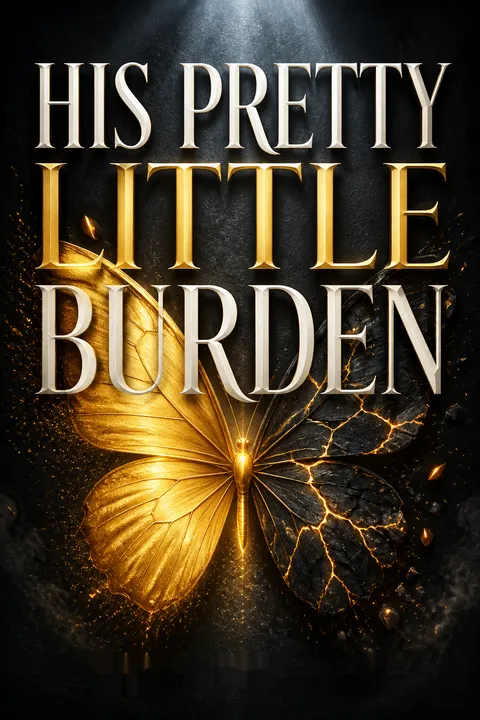
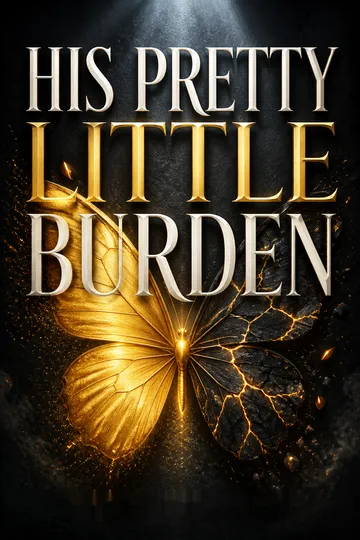
The recurring motif of the butterfly—fragile, beautiful, and transformed by suffering—serves as both foreshadowing and symbol. Fawn's journey is one of metamorphosis, her pain the necessary prelude to emergence. The title itself—His Pretty Little Burden—encapsulates the tension between being a weight and being cherished, between victimhood and queenship. The story is rich with symbols: the mansion as labyrinth, the pool as baptism, the recording as Pandora's box. Each serves to deepen the emotional resonance and thematic complexity of the narrative.
The Recording as MacGuffin
The lost recording of Fawn's assault is the central plot device, driving the action and serving as the key to both her trauma and her liberation. Its discovery and viewing are the story's emotional climax, forcing both Fawn and Clay to confront the full horror of the past and the necessity of moving beyond it. The recording is both a weapon and a wound, a source of pain and the means of healing.
Kids of The District Series
About the Author
Other books by Nicci Harris
Download PDF
Download EPUB
.epub digital book format is ideal for reading ebooks on phones, tablets, and e-readers.








































