
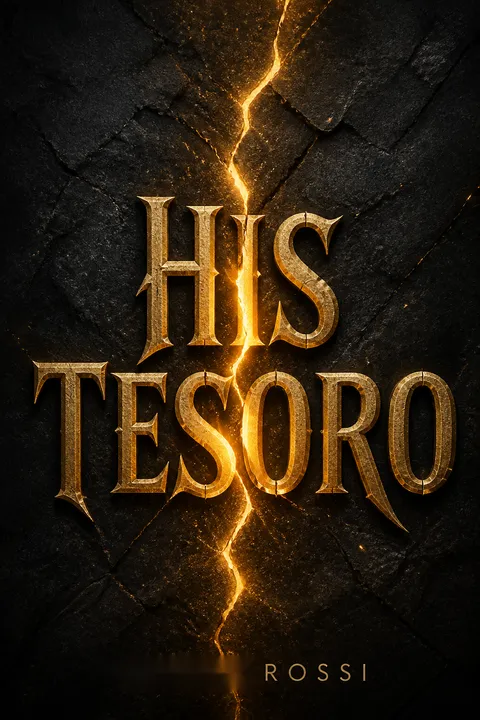


Plot Summary
Prologue
The book opens with Matteo Rossi1 counting seconds between two gunshots — the shots that killed his parents. He was twenty-three, home with his eleven-year-old sister Sienna,5 when his uncle arrived to seize power over the Italian Mafia's Five Families in New York.
In the silence between the first bullet and the second, Matteo1 faced an impossible choice: rush to the study where his parents were dying, or take Sienna's5 small hand and run. He chose his sister.
They escaped through a hidden passage and spent two years in hiding while Matteo1 assembled enough loyalists to overthrow his uncle and reclaim his city. He became Don at twenty-five. The guilt of that choice — the conviction that he abandoned his parents to die — would calcify into an inability to let anyone close again.
The Wheelchair at the Altar
Thirteen years into his reign, Matteo1 faces a new threat: Arben,14 the reckless son of the deceased Albanian boss, is pushing into his territory. Romeo,3 his second-in-command, presents a solution — marry Sofiya Ivanova,2 daughter of Rustik Ivanov,7 head of the Bratva in Chicago.
The alliance would yield eastern trade routes for the Russians and military support against the Albanians for Matteo.1 He agrees, insisting it will be strictly business. At the Chicago church, Sofiya2 wheels herself down the aisle alone — her father refused to walk her, furious at the wheelchair he never authorized.
Rustik7 had hidden his daughter's disability entirely. Matteo1 keeps his face blank, but her beauty jolts something in his chest he cannot name. The ceremony is brief. She hesitates visibly at the word obey, and her reluctant compliance almost makes him smile.
Candy Bar Captivity
On the plane to New York, Matteo1 declares their marriage purely logistical — separate rooms, separate lives. He assigns Angelo,4 a gentle giant of a guard, to Sofiya's2 detail. At the penthouse, he installs her in the guest room farthest from his own and leaves for a meeting on their wedding night.
Next morning, he snaps that she is in his way in the kitchen. Sofiya2 — raised by a father who once backhanded her for leaving her room without permission — interprets this as a confinement order. She stays in the bedroom for over a day, surviving on a single chocolate bar from her purse.
When Matteo1 returns and finds her crying and starving, he carries her to the kitchen island and orders pizza. For the first time, he asks about her body. She explains hypermobile Ehlers-Danlos syndrome: a connective tissue disorder that destabilizes her joints and causes chronic pain. Her father destroyed her medical records.
Nightmares and a Stolen Chair
Unable to sleep after a nightmare, Sofiya2 climbs the fire escape to the rooftop and discovers a hidden oasis — a pergola strung with lights, empty planters, a fire pit. Matteo1 finds her there, drink in hand, haunted by his own dreams.
In the dark, they exchange a guarded truth: both have nightmares about the people they love being harmed. It is the first time Matteo1 has voluntarily shared anything personal. Days later in the apartment gym, Sofiya2 confesses what she considers criminal — her sister Mila6 and their bodyguard Nikolai stole the wheelchair from a medical supply store because the Pakhan7 refused to buy one.
Matteo1 is astonished this is what she considers her worst sin. He immediately orders a custom wheelchair fitted to her body — the first time anyone has prioritized her comfort over their own image.
Two Girls, One Translator
When Matteo1 and Romeo3 raid an Albanian safe house, they discover two teenage sisters — Katya and Stasya — chained in a back room, victims of sex trafficking. The girls do not speak English. Matteo1 brings Sofiya2 to his cousin Dr. Amato's12 clinic to translate.
Speaking first Russian, then switching to Ukrainian when she recognizes their accent, Sofiya2 coaxes their story free: they were promised jobs in America, then enslaved and shuttled between warehouses before ending up with Albanian soldiers.
The encounter breaks Sofiya2 apart — she sobs in the hallway afterward — but it also proves her value beyond decoration. Matteo1 watches his wife comfort these girls with a tenderness that makes his chest ache. He tells her she did well, and for the first time, Sofiya2 feels useful rather than like a burden to be hidden.
The Bath That Broke Him
After a shopping trip with Sienna5 — where she used her rollator instead of her wheelchair out of embarrassment — Sofiya2 wakes in searing pain. She falls trying to reach her chair, and the crash jolts Matteo1 from the living room. He finds her crumpled on the bedroom floor.
Without hesitation, he retrieves her medication and heating pad, then draws a bath with lavender salts. When she protests being undressed, he strips himself bare too and climbs in behind her, cradling her body against his chest.
He calls her tesoro — treasure — for the first time. She falls asleep in his arms in the water. He carries her to bed and lies beside her, unable to leave. It is the first night they share a bed. In the morning, he leaves a black credit card on the kitchen counter: no limit.
Noodle, Bullets, and Surrender
Matteo1 presents Sofiya2 with a golden retriever service dog named Noodle,13 trained to fetch her medication, help her balance, and open doors. Overcome with gratitude, she pulls him close and kisses him — their first real kiss.
He responds by pinning her against the wall, devouring her mouth until Noodle's13 cold nose breaks the spell. Days later, Albanians ambush Sofiya2 and Angelo4 outside a bakery. Angelo4 kills two shooters while shielding her with his body. Sofiya2 calls Matteo1 from the sidewalk, voice cracking.
He races to find her on the ground, having already popped her dislocated knee back into place herself. That night, adrenaline and terror dissolve into desire. They consummate the marriage with tenderness — pillows supporting her joints, Matteo1 pausing at every gasp to ask if she is hurting.
The Assassin and the Kneecap
At a capo's engagement party, a striking redhead named Leona Byrne10 approaches Sofiya2 — and turns out to be the Irish Mob's top assassin from Boston. She tells Sofiya2 she wields more power in the room than any of the posturing men, then vanishes before Matteo1 can intervene, leaving her phone number tucked in Sofiya's2 purse.
Days later, Rustik7 visits New York for an alliance dinner. As the men drink, Rustik's7 second-in-command Bogdan makes a vile ableist remark about Sofiya2 — calling her a cripple and reducing her to a body part.
Matteo1 shoots Bogdan in the kneecap without breaking eye contact with the Pakhan,7 then coolly apologizes for not letting Sofiya's father7 take the shot first — a deliberate humiliation exposing Rustik's7 failure to defend his own daughter.
Love Confessed to Sleeping Ears
Their relationship has deepened beyond what either expected. Matteo1 introduces rope bondage, carefully adapted for her EDS — soft leather cuffs, modified ties that protect her hypermobile joints, constant verbal check-ins woven through the intensity.
The interplay of control and surrender fulfills something in both of them: his need to command, her freedom in letting go. After one such night, tangled together in their shared bed, Sofiya2 believes Matteo1 has fallen asleep. She presses her lips to his chest and whispers that she loves him. He keeps his breathing steady, feigning sleep, but her words fracture something inside him.
The feeling consuming him — the obsessive need to protect her, the hollow ache when she is absent — might be what other people call love. The recognition terrifies a man who spent fifteen years convinced that caring for someone guarantees losing them.
The Enforcer's Fabrication
Domenico,8 Matteo's1 trusted enforcer since the overthrow of his uncle, presents a laptop filled with damning evidence: screenshots showing Sofiya2 texting insider intelligence to Arben,14 messages between her and Mila6 plotting to help the Albanians seize New York in exchange for Sofiya's2 freedom and a house by the ocean.
The texts stretch back to their first days of marriage. Simultaneously, an urgent call reports Arben14 attacking a northern warehouse. Matteo1 must act on two fronts at once.
Despite Romeo's3 visible doubt, he orders Domenico8 to lock Sofiya2 in the basement — the soundproof cell used for torture — until he returns. He intends it as a brief containment, hours at most. At the warehouse, a bullet rips through his arm. He wakes in the hospital a day later, assuming Sofiya2 was moved home. She was not.
Found in the Dark, Carrying Life
Matteo1 races to the basement and finds his wife unconscious on concrete, soaked in urine, her skin dangerously cold. Domenico8 had left her over a day — no food, no light, no wheelchair — while detailing how her husband would peel her apart for information.
When Matteo1 tries to draw a bath, she screams, begging not to be waterboarded. Dr. Amato12 treats her dehydration and discovers from blood work that Sofiya2 is pregnant. Sofiya2 makes the doctor swear silence.
Meanwhile, Romeo3 finds Domenico's8 secret apartment filled with proof of his conspiracy with the Irish and Albanians — and a charred body everyone assumes is the enforcer's. With the supposed traitor apparently dead but her husband's trust shattered beyond recognition, Sofiya2 dials the number Leona10 slipped into her purse weeks ago and asks for help escaping.
Rooftop Airlift Gone Wrong
Angelo4 kneels at Sofiya's2 bedside and swears his loyalty belongs to her, not the Don.1 When a diversionary explosion destroys Matteo's1 office floors below, Sofiya2 and Angelo4 scramble through the fire escape window and up to the roof, where Leona10 waits in a helicopter.
Matteo,1 realizing what is happening, sprints to the rooftop and fires at the departing aircraft. Noodle13 struggles over the roof's ledge just as the helicopter lifts off — Sofiya2 screams for her dog but the ground falls away beneath them, and she is left clutching the harness of empty air.
At an airstrip in western Massachusetts, Arben's14 men ambush the helicopter. Angelo4 takes a bullet to the chest. Sofiya2 is torn from his bleeding body, hooded, and thrown into a car. She catches a fragment of Russian — a language that should not be present among Albanians.
Three Headshots in the Dark
Rustik7 — Sofiya's2 own father — appears at her cell door. The arranged marriage was never an alliance; it was a long con, and he plans to hand her to Arben.14 Three guards enter her cell to assault her. In pitch darkness, Sofiya2 seizes one man's holstered pistol and fires three times — three headshots, three bodies.
She takes their weapons and escapes into the warehouse corridors. In a nearby room, Matteo1 has walked into Domenico's8 trap: the enforcer is very much alive, backed by soldiers loyal to Rustik7 and Arben.14 From the shadows, Sofiya2 shoots Domenico8 dead and picks off his men.
An explosion tears open the wall; Matteo1 is pinned under fallen concrete, bleeding from a gunshot to the thigh. Sofiya2 crawls through shattered glass to press her shirt against his wound. Before he loses consciousness, she tells him about the baby.
A Daughter's Bullet for the Pakhan
Ronan Finnegan,11 head of the Irish Mob, rescues everyone and brings them to his private hospital. Angelo4 survives surgery. An ultrasound confirms the baby is alive. But news arrives that Rustik7 has returned to Chicago to force Mila6 into marrying Arben14 that night — cementing the Bratva-Albanian alliance.
Sofiya,2 Leona,10 and Ronan11 fly to Chicago, where they are intercepted by Dimitri,9 Sofiya's2 half-brother, who has spent years secretly building a loyalist faction within the Bratva. Inside the church, Rustik7 presses a knife to Mila's6 throat.
Sofiya's mother2 — overmedicated and blank-eyed for years — seizes a heavy candelabra from the altar and strikes her husband across the skull. In the moment his grip loosens, Sofiya2 puts a bullet through the Pakhan's7 head. Dimitri9 ascends as the new Pakhan. Outside, Matteo1 captures Arben14 alive.
Confessions at Thirty Thousand Feet
With Sofiya2 curled against his chest on the flight back to New York, Matteo1 does what he has never done: he tells her the full story of his parents' murder. How he buzzed his uncle through the gate. How he chose Sienna5 over his dying parents.
How the guilt fossilized into an inability to love anyone. Then he says it plainly — he loves her. Sofiya2 tells him she wants to forgive him but needs time; the trust he shattered in the basement cannot be rebuilt with words alone.
He promises to earn it day by day, starting with helping her complete every item on her Dream List — the catalog of longed-for experiences she and Mila6 compiled while imprisoned in their father's mansion. She suggests they write a new list together. His agreement tells her the man beneath the Don is finally letting her in.
A Real Proposal in Fiji
Their honeymoon unfolds like the Dream List made tangible: Sofiya2 touches the ocean for the first time, snorkels beside manta rays and a sea turtle, eats at a drive-in with her bewildered husband.
Over a candlelit dinner above the Fijian water, Matteo1 drops to one knee and produces a marquise-cut diamond ring — chosen with Mila's6 help over the phone. Sofiya2 laughs that he forgot to actually ask the question. He responds that she will marry him; it is not negotiable. She slides the ring on beside the plain gold band from their loveless ceremony, and the old band no longer stings.
Back home, she begins building a nonprofit to house trafficking survivors, funded partly by her secret poker winnings — a talent she has been quietly dominating for months without anyone realizing the chips represented real money.
Epilogue
Christmas morning in the penthouse, Sofiya2 is weeks from delivering their daughter. The apartment is transformed: a towering tree dripping with homemade ornaments, cinnamon rolls in the oven, and Noodle13 sporting a hand-crocheted sweater that puts Matteo's1 deliberately lumpy one to shame.
Sienna,5 Romeo,3 and Angelo4 crowd the living room in their own ugly sweaters. After dinner, Sofiya2 reveals her final hidden talent — she has been winning consistently at Angelo's4 poker nights, amassing thirty thousand dollars.
The Don's wife,2 the girl who arrived with two suitcases and a stolen wheelchair, now plans her charity, bakes for a kitchen full of people who love her, and holds the hand of a man who once swore he would never let anyone close. She won the poker game. She won everything.
Analysis
His Tesoro interrogates the architecture of control in organized crime — who is permitted to wield it, who is crushed by it, and what happens when the person deemed least capable turns out to be structurally essential. Sofiya's2 hypermobile EDS functions not merely as disability representation but as a structural metaphor: her joints lack the connective tissue to hold themselves in place, mirroring a world where alliances, loyalties, and family bonds are equally unstable and prone to sudden, painful collapse.
The novel's most incisive move is centering ableism within a power-obsessed subculture. Rustik7 destroys his daughter's medical records, denies her a wheelchair, and trades her as damaged goods — not despite his power, but because of how power operates in his world: by eliminating anything perceived as weakness. Matteo1 initially shares this framework, mentally labeling Sofiya2 defective before learning that her condition says nothing about her capability. His arc from internalized ableism to fiercely defending their future child's potential disability represents a genuine ideological transformation, not merely romantic softening.
The story also dissects how trauma perpetuates itself through control. Matteo's1 survivor guilt manifests as hypervigilance — securing his city, his building, his emotions behind impenetrable defenses. When threatened, he defaults to imprisonment, locking Sofiya2 in the same basement where he tortures enemies. The parallel is deliberate and damning: his trauma response cannot distinguish between protecting someone and caging them. Sofiya's2 parallel journey — from making herself invisible to survive her father to demanding visibility from her husband — charts the painful, nonlinear process of unlearning behaviors that once preserved her life but now diminish it.
The final revelation of Sofiya2 as the story's deadliest combatant restructures everything retroactively. Every scene where she was carried, pitied, or helped becomes layered with dramatic irony — not because she never needed assistance, but because needing help with stairs never meant she could not put a bullet between someone's eyes in total darkness. The wheelchair is neither limitation nor superpower; it is simply how she moves through a world that underestimates her at its own peril.
Review Summary
His Tesoro received mixed reviews, with many praising the disability representation, sweet romance, and protective hero. Readers enjoyed the arranged marriage trope and grumpy-sunshine dynamic. Some found the story engaging and emotional, while others felt it was predictable or too long. Criticisms included underdeveloped mafia elements and a rushed third act. Despite flaws, many readers found it an enjoyable mafia romance with compelling characters and heartwarming moments. The book's representation of chronic illness was particularly well-received.
Characters
Matteo Rossi
Don of the Italian MafiaDon of the Five Families in New York, Matteo seized power at twenty-five after his uncle murdered his parents. The guilt of not saving them fossilized into emotional armor—he controls everything, trusts no one, and equates vulnerability with death. Beneath the granite exterior lives a man who makes scrambled eggs for a service dog13 and secretly devours every cookie his wife bakes. His relationship with Sienna5, the sister he saved but struggles to connect with, mirrors his central wound: he believes protecting people requires shutting them out. Sofiya2 dismantles this belief incrementally, teaching him that strength can coexist with tenderness. His journey from calling her a roommate to calling her tesoro maps the terrifying thaw of a man who convinced himself love was a death sentence.
Sofiya Rossi
Bratva princess, Mafia queenA twenty-one-year-old Bratva princess with hypermobile Ehlers-Danlos syndrome, Sofiya arrives in New York with two suitcases, a stolen wheelchair, and a lifetime of being told she is defective. Her father's7 abuse taught her to make herself small; her sister Mila's6 love taught her she deserved more. She oscillates between fierce protectiveness of others and devastating self-doubt about her own worth—a woman who will fight anyone for the people she loves but cannot yet fight for herself. Her Dream List reveals someone hungry for a life she was never permitted to have. Sofiya's emotional intelligence reads Matteo1 like a first language, decoding his silences before he realizes he is broadcasting. She is also a lethal marksman, trained by her brother Dimitri9—a skill few suspect she possesses.
Romeo
Matteo's irreverent secondMatteo's1 second-in-command and lifelong brother-in-all-but-blood, Romeo is the only person besides Sienna5 who speaks to the Don1 without fear. Irreverent, perceptive, and fiercely loyal, he recognizes Matteo's1 growing attraction to Sofiya2 before Matteo1 does and needles him relentlessly about it. His humor masks deep devotion—he stays at Matteo's1 side through every crisis, functioning as both strategic partner and emotional mirror, reflecting truths the Don refuses to see in himself.
Angelo
Sofiya's towering bodyguardA towering, gentle-hearted soldier who once saved Matteo's1 life in an ambush, Angelo is assigned as Sofiya's2 personal bodyguard. He becomes her closest friend in New York, teaching her poker, sharing meals, and treating her disability as entirely unremarkable. His growing bond with Sofiya2 tests the boundaries of his sworn loyalty to the Don1, forcing him to decide whom he truly serves when the two allegiances collide.
Sienna
Matteo's vibrant younger sisterMatteo's1 twenty-six-year-old sister, bright and extroverted where he is dark and sealed shut. She was eleven when their parents were murdered and carries her own grief beneath a cheerful surface. Sienna becomes Sofiya's2 first real friend in New York—taking her shopping, designing their home, and fiercely advocating for her brother to treat his wife like a human being rather than a political asset.
Mila
Sofiya's brave younger sisterSofiya's2 nineteen-year-old sister and lifelong co-conspirator against their father's7 tyranny. Brave where Sofiya2 is cautious, Mila organized the wheelchair heist and smuggled in a secret phone. She is the emotional anchor Sofiya2 has always relied on—the person who makes her feel real. Their shared Dream List represents a mutual hunger for freedom that sustains them through years of confinement.
Rustik Ivanov
The Pakhan, Sofiya's fatherHead of the Bratva in Chicago and Sofiya's2 father. Cold, cruel, and image-obsessed, Rustik denied his disabled daughter medical care, money, and freedom—viewing her as a defective asset to be traded rather than a child to be loved. He drowned her childhood kitten in front of her. His alliance proposal to Matteo1 conceals motives that extend far beyond trade routes, making him considerably more dangerous than anyone initially estimates.
Domenico
Matteo's trusted enforcerMatteo's1 enforcer and one of the first men to declare loyalty after the uncle's overthrow. He cultivates the nickname Il Diavolo and carries himself with quiet menace. Trusted for over a decade, Domenico occupies the blind spot that only long-standing loyalty can create. His open condescension toward Sofiya2 and his discomfort around her wheelchair hint at something darker beneath his professional deference to the Don1.
Dimitri
Sofiya's secretive half-brotherSofiya2 and Mila's6 half-brother, twelve years Sofiya's2 senior. Constantly sent abroad by the Pakhan7, Dimitri taught both sisters to shoot and served as their only genuine family protector. He operates in secrecy with no stable phone number, maintaining sporadic contact while pursuing objectives he refuses to explain. His love for his sisters is fierce, unconditional, and the one constant they can count on.
Leona Byrne
Irish Mob's top assassinThe top assassin of the Irish Mob in Boston, with Italian heritage through her murdered mother. Charismatic, dangerous, and playfully predatory, Leona approaches Sofiya2 at a party and immediately recognizes untapped power beneath the sweet exterior. She operates by her own moral code and harbors deep resentment toward the Italian Mafia for her mother's death, making her allegiances complex and her aid never entirely predictable.
Ronan Finnegan
Head of the Irish MobHead of the Irish Mob in Boston. Initially suspected of conspiring with the Albanians, Ronan proves to be an unexpected ally—providing military support, medical care at his private hospital, and a dry wit that disarms even under gunfire.
Dr. Aria Amato
Family physician and cousinMatteo's1 cousin, a physician who runs the Family's private clinic. She becomes Sofiya's2 doctor and advocate, providing the first consistent medical care Sofiya2 has ever received for her EDS—and safeguarding a critical secret when asked.
Noodle
Sofiya's golden retrieverSofiya's2 service dog, a golden retriever trained to fetch medication, assist with balance, and provide emotional grounding. Named before Matteo1 could object, Noodle becomes the family's heart—and Matteo's1 reluctant favorite.
Arben
Albanian Mafia heirSon of the deceased Albanian boss, reckless and ambitious. He drives the surface-level conflict by pushing sex trafficking into New York, but serves as a pawn in a larger conspiracy he may not fully control.
Plot Devices
The Dream List
Maps emotional growth and freedomA catalog of experiences Sofiya2 and Mila6 created while confined to their father's7 mansion—flying on a plane, touching the ocean, eating a New York hot dog, getting a dog. Each item represents freedom they were denied. As Matteo1 learns about the list, it becomes his roadmap for caring for Sofiya2, shifting from a symbol of her deprivation to a blueprint for their shared future. When Sofiya2 suggests they write a new list together, it signals the moment she trusts their partnership enough to plan a life inside it. The list's mundane simplicity—its items would be unremarkable to anyone born with freedom—serves as a quiet, persistent indictment of what organized crime steals from its women and children.
Sofiya's Wheelchair
Symbol of autonomy and worthSofiya's2 stolen wheelchair arrives as a mark of shame—taken in a sister's6 heist because their father7 refused to acknowledge her disability. Matteo1 replaces it with a custom-fitted chair equipped with a motorized assist, the first time anyone has prioritized her comfort and mobility. The wheelchair becomes a litmus test for every character's values: Rustik7 hid it, Matteo1 upgraded it, Sienna5 raced in it, the Mafia wives used it to dismiss her. Its presence or absence in critical scenes measures Sofiya's2 vulnerability and agency. When she navigates combat situations without it, the chair's absence underscores that her power was never defined by her mobility aids—they simply gave her more efficient ways to exercise it.
The Locket Tracker
Enables pursuit after escapeMatteo1 gifts Sofiya2 his grandmother's silver locket and casually confirms it contains a GPS tracker. Rather than being offended, she accepts it as his particular language of love—protection expressed through surveillance. When she later flees via helicopter, the locket allows Matteo1 to follow her across state lines. That Sofiya2 chose to keep it on, knowing it would lead him to her, reveals her conflicted heart: she escaped his betrayal but still hoped he would chase her. The device bridges the gap between Matteo's1 controlling nature and Sofiya's2 need for agency, functioning simultaneously as a surveillance tool and an unspoken love letter.
Leona's Phone Number
Plants the escape routeAt a capo's engagement party, Leona Byrne10 slips a card with her phone number into Sofiya's2 purse before vanishing into the night. The card sits dormant for weeks, an insurance policy Sofiya2 does not know she will need. When Matteo1 imprisons her based on fabricated evidence and all trust within the Italian Mafia is compromised, the number becomes her only lifeline to the outside world. One call to Leona10 sets the helicopter escape in motion. The device works precisely because it was planted through genuine connection—Leona10 recognized Sofiya's2 latent power before anyone else did, and offered her hand before the crisis even materialized.
Sofiya's Marksmanship
Hidden capability, climactic payoffIntroduced as casual background—Sofiya2 mentions that her brother Dimitri9 taught her to shoot, and she asks about visiting a gun range. Both Matteo1 and Angelo4 deflect the request without taking it seriously. Her skill remains untested and largely unknown until the story's final act, when it detonates across multiple scenes in rapid succession. The late reveal reframes the entire narrative: the woman everyone underestimated because of her wheelchair—the girl who arrived with a stolen chair and a chocolate bar—was the deadliest person in every room she entered. The marksmanship inverts the ableist logic that runs through the story's criminal world, where visible disability is automatically equated with weakness.
FAQ
Synopsis & Basic Details
What is His Tesoro about?
- Arranged Mafia Marriage: His Tesoro centers on Matteo Rossi, the powerful and emotionally guarded Don of the New York Italian Mafia, who enters into an arranged marriage with Sofiya Ivanova, the sheltered and disabled daughter of the Chicago Bratva Pakhan, Rustik Ivanov, to secure a strategic alliance against encroaching enemies.
- Journey of Trust & Healing: The story follows Matteo and Sofiya as they navigate their transactional marriage, confronting personal traumas, challenging ableist assumptions within their world, and unexpectedly developing a deep emotional and physical connection built on vulnerability, protection, and mutual care amidst escalating threats and betrayals.
- Empire, Family, and Love: Beyond the Mafia conflict, the novel explores themes of found family, the possibility of healing from abuse and trauma, and the transformative power of love, culminating in a fight for survival, the dismantling of old, cruel power structures, and the creation of a new future defined by compassion and chosen loyalty.
Why should I read His Tesoro?
- Unique Disability Representation: The novel offers a nuanced portrayal of chronic illness (hypermobile Ehlers-Danlos syndrome) within the high-stakes Mafia genre, challenging stereotypes and centering a disabled heroine's agency and strength without resorting to inspiration porn.
- Deep Emotional Arcs: Readers will be drawn into the complex psychological journeys of Matteo and Sofiya, witnessing the thawing of a cold, haunted Don and the blossoming of a resilient woman who redefines power and self-worth, making their hard-won connection deeply satisfying.
- Intriguing Blend of Genres: His Tesoro seamlessly combines elements of dark Mafia romance, suspenseful crime thriller, and poignant character study, offering a story that is both action-packed and emotionally resonant, exploring themes of trauma, trust, and the revolutionary act of choosing love in a brutal world.
What is the background of His Tesoro?
- Modern Mafia Landscape: The story is set within a contemporary organized crime world, depicting the power dynamics between the Italian Mafia (Five Families in NYC) and the Russian Bratva (Chicago), highlighting their distinct cultures, hierarchies, and ongoing conflicts over territory and trade routes, particularly the lucrative but morally reprehensible skin trade.
- Chronic Illness Realities: A central element is Sofiya's hypermobile Ehlers-Danlos syndrome (hEDS), a genetic connective tissue disorder. The narrative incorporates the daily realities of chronic pain, joint instability, dislocations, fatigue, and the use of mobility aids (rollator, wheelchair), contrasting Sofiya's physical vulnerability with her internal resilience and the ableism she faces.
- Trauma and Generational Cycles: Both protagonists are products of traumatic upbringings within their respective criminal empires – Matteo witnessed his parents' murder and betrayal, while Sofiya endured emotional and physical abuse from her father and neglect from her mother, highlighting how past violence and cruelty shape present behavior and relationships.
What are the most memorable quotes in His Tesoro?
- "You are my wife and I'm your husband. You're in pain, so I'm going to fix it.": This quote from Matteo in Chapter 22 marks a pivotal shift in their relationship, moving from transactional duty to personal care. It encapsulates Matteo's protective instinct overriding his emotional distance, showing his emerging desire to comfort Sofiya and connect with her on a human level, hinting at the depth of his developing feelings despite his gruff exterior.
- "Sofiya, you're married to the Don of the Italian Mafia now. That makes you queen. You can't just let people push you around.": In Chapter 10, Matteo delivers this line, intending to empower Sofiya within her new position, but it also subtly reveals his growing respect for her and his desire for her to see her own worth. It foreshadows her journey from a hidden, powerless figure to a woman who claims her agency and redefines what it means to be a "queen" in this world.
- "I would live inside you if I could.": This quote, repeated by Matteo during intimate moments (e.g., Chapter 54, 80), transcends simple physical desire. It symbolizes his deep need for connection, safety, and belonging found only within Sofiya. It represents the emotional intimacy he craves, a stark contrast to his previously isolated existence, and highlights how she has become his sanctuary.
What writing style, narrative choices, and literary techniques does Emilia Rossi use?
- Alternating Dual POV: The story is told through alternating first-person perspectives of Matteo and Sofiya, providing intimate access to their internal thoughts, feelings, and motivations, which is crucial for understanding their complex characters and the nuances of their evolving relationship, especially when their outward actions might contradict their inner states.
- Sensory and Emotional Detail: Rossi employs rich sensory descriptions, particularly focusing on touch (Matteo's hands on Sofiya, the feel of rope, the texture of fabric) and internal physical sensations (pain, dizziness, arousal), grounding the reader in Sofiya's embodied experience and highlighting the emotional impact of physical intimacy and vulnerability.
- Pacing and Contrast: The narrative strategically contrasts moments of intense action and suspense (Mafia conflicts, betrayals, rescues) with quiet, intimate scenes focused on character development, dialogue, and emotional connection, creating a dynamic pace that keeps the reader engaged while emphasizing the personal stakes amidst the larger criminal world.
Hidden Details & Subtle Connections
What are some minor details that add significant meaning?
- The Apartment's Coldness: Matteo's penthouse apartment, initially described as large and luxurious but emotionally cold and neglected (Chapter 7), symbolizes his own internal state and emotional distance. Sofiya's gradual efforts to make it feel more lived-in, like adding plants or cooking, subtly represent her bringing warmth and life into his guarded world and heart.
- Sofiya's Crochet Projects: Sofiya's hobby of crocheting, particularly making sweaters for Matteo and Noodle (Epilogue), is a quiet act of creation and care. It contrasts with the destructive violence of the Mafia world and symbolizes her desire to bring comfort and warmth to her chosen family, literally weaving them into her life with tangible expressions of affection.
- The Poker Chips' True Value: The detail that Angelo's poker nights involve significant monetary buy-ins (Chapter 45), initially unknown to Sofiya, highlights her innocence and sheltered background compared to the financial realities of the Mafia world. Her winning substantial amounts unknowingly adds a layer of humor and underscores her unexpected capability and luck within this environment.
What are some subtle foreshadowing and callbacks?
- Matteo's Nightmares: The Prologue establishes Matteo's recurring nightmares about the night his parents were murdered, particularly the two gunshots. This trauma is subtly echoed throughout the book whenever he faces a threat to Sofiya, highlighting his deep-seated fear of failing to protect loved ones and foreshadowing the intense panic he feels when she is in danger.
- The Locked Doors and Cells: The recurring motif of locked doors and cells, from Sofiya's confinement in her father's house to her imprisonment in Matteo's basement, subtly foreshadows moments of powerlessness and betrayal. It serves as a callback to her past trauma and underscores the theme of freedom versus captivity, making her eventual self-rescue and escape particularly powerful.
- Sofiya's Shooting Skills: Sofiya's casual mentions of her brother Dimitri teaching her to shoot (Chapter 16) and her insistence on keeping her skills sharp subtly foreshadow her crucial role in the climax. This seemingly minor detail becomes a vital plot point, subverting expectations about her vulnerability and highlighting her hidden capabilities for self-preservation and protection.
What are some unexpected character connections?
- Sienna and Leona's Friendship: The revelation that Matteo's sister, Sienna, was friends with Leona Byrne, the Irish assassin (Chapter 51), is an unexpected connection that bridges the Italian and Irish Mafia worlds outside of traditional alliances. It highlights the complex personal relationships that exist beneath the surface of organized crime conflicts and provides a personal link that facilitates Leona's later assistance to Sofiya.
- Mila's Role in the Engagement Ring: The detail that Mila helped Matteo choose Sofiya's engagement ring (Chapter 79) is a touching and unexpected connection. It shows Mila's continued presence and influence in Sofiya's life despite the distance and symbolizes the blending of Sofiya's past and present families, incorporating her beloved sister into this significant step in her marriage.
- Angelo's Shift in Loyalty: While Angelo is initially introduced as Matteo's loyal bodyguard, his bond with Sofiya deepens unexpectedly (Chapter 16, 25). His decision to prioritize Sofiya's safety and well-being over Matteo's orders during her imprisonment (Chapter 57) demonstrates a profound shift in loyalty based on personal connection and moral conviction, highlighting the theme of chosen family.
Who are the most significant supporting characters?
- Angelo: As Sofiya's personal bodyguard, Angelo becomes her first true friend and confidante in New York (Chapter 16). His kindness, support, and eventual decision to defy Matteo's orders to protect Sofiya (Chapter 57) make him a pivotal figure in her emotional journey and physical safety, embodying loyalty based on care rather than hierarchy.
- Sienna Rossi: Matteo's younger sister, Sienna, serves as a bridge between Matteo's guarded world and Sofiya's need for connection (Chapter 19). Her vibrant personality, immediate acceptance of Sofiya, and insistence on treating her like family help Sofiya feel welcomed and less isolated, while also challenging Matteo's emotional walls and advocating for his happiness.
- Dimitri Ivanov: Sofiya's half-brother, Dimitri, represents a potential for change within the Bratva (Chapter 2). His love and protectiveness towards Sofiya and Mila contrast sharply with their father's cruelty. His eventual rise as the new Pakhan and alliance with Matteo (Chapter 71) are crucial for dismantling the old power structure and securing Sofiya and Mila's long-term safety.
Psychological, Emotional, & Relational Analysis
What are some unspoken motivations of the characters?
- Matteo's Need for Control: Beyond protecting his empire, Matteo's intense need for control stems from the helplessness he felt during his parents' murder (Prologue). This unspoken motivation drives his initial emotional distance from Sofiya and his overbearing protectiveness, as he desperately tries to prevent history from repeating itself by controlling every variable, including his own vulnerability.
- Sofiya's Desire for Belonging: Sofiya's deep-seated desire for belonging and acceptance is a powerful unspoken motivation, fueled by years of isolation, neglect, and feeling like a burden due to her disability (Chapter 9). This drives her initial eagerness to please Matteo and her vulnerability to kindness, as she yearns for a place where she is truly wanted and valued, not just tolerated or hidden away.
- Rustik's Pursuit of Status: Rustik Ivanov's motivation is primarily status and power within the criminal underworld, even at the expense of his daughters' well-being (Chapter 2). His ableism towards Sofiya and willingness to use her as a pawn in alliances (Chapter 52, 65) are driven by a desire to project an image of strength and control, viewing his daughters as assets or liabilities based on their perceived utility to his ambitions.
What psychological complexities do the characters exhibit?
- Matteo's Trauma Response: Matteo exhibits classic trauma responses, including emotional numbing, hypervigilance, and difficulty forming attachments, all stemming from witnessing his parents' murder and his uncle's betrayal (Prologue, Chapter 1). His journey involves slowly dismantling these defense mechanisms, learning to process grief and fear, and allowing himself to experience vulnerability and love.
- Sofiya's Internalized Ableism: Sofiya struggles with internalized ableism, absorbing the negative beliefs and judgments about disability from her father and the broader Mafia culture (Chapter 4, 20). This manifests as shame, a desire to hide her disability, and a feeling of being a burden, even as she demonstrates immense resilience and capability, highlighting the psychological impact of societal prejudice.
- The Interplay of Dominance and Submission: The exploration of BDSM dynamics between Matteo and Sofiya (Chapter 48, 49, 54, 79) reveals complex psychological needs. For Matteo, dominance provides a sense of control and safety, while for Sofiya, submission allows her to surrender control in a safe, consensual space, contrasting with the forced powerlessness she experienced in her past. This dynamic becomes a vehicle for trust and intimacy.
What are the major emotional turning points?
- Matteo Carrying Sofiya onto the Plane: Matteo's decision to physically carry Sofiya onto the private jet (Chapter 5), despite his initial discomfort with her disability and his desire for distance, is a significant emotional turning point. It marks the first time his protective instincts override his strategic thinking and public image concerns, signaling the beginning of his emotional investment in her well-being.
- Sofiya's Nightmare and Matteo's Comfort: Sofiya's vulnerability during a nightmare and Matteo's unexpected response of comforting her, including running her a bath and holding her (Chapter 22), is a major emotional turning point. It breaks down barriers of emotional distance, allowing them to connect on a deeper, more intimate level through shared vulnerability and care, revealing the softer side of Matteo.
- Matteo's Reaction to Sofiya's Past Trauma: Matteo's intense, protective rage upon hearing about Sofiya's traumatic past sexual experience and subsequent abandonment (Chapter 38) is a powerful emotional turning point. It demonstrates the depth of his feelings for her, his desire to protect her from past and future harm, and his willingness to act on her behalf, even against powerful figures like her father.
How do relationship dynamics evolve?
- From Transactional to Intimate: The core relationship dynamic between Matteo and Sofiya evolves from a purely transactional business arrangement (Chapter 3) to a deeply intimate and loving partnership (Epilogue). This transformation is gradual, built through small acts of care, shared vulnerabilities, open communication (eventually), and navigating external threats together, demonstrating that love can flourish even in unexpected and challenging circumstances.
- Shifting Power Dynamics: While Matteo initially holds all the power as the Don and the able-bodied partner, the relationship dynamics shift to become more balanced. Sofiya gains agency through self-advocacy, finding her voice, and Matteo's willingness to cede control and prioritize her needs and comfort (Chapter 43, 76), creating a partnership based on mutual respect rather than hierarchical dominance.
- Expanding Circle of Trust: The relationship expands to include a chosen family (Angelo, Sienna, Romeo, eventually Mila and Dimitri). The dynamics evolve from Sofiya's initial isolation to her integration into Matteo's inner circle and the formation of strong bonds with his trusted men and sister (Chapter 19, 28, 51), highlighting the theme of loyalty extending beyond blood ties and creating a supportive network around the couple.
Interpretation & Debate
Which parts of the story remain ambiguous or open-ended?
- The Future of the Mafia World: While the main villains (Rustik, Arben, Domenico) are defeated and new alliances are formed (Matteo and Dimitri, with Ronan), the long-term future of the Mafia world remains somewhat ambiguous. The text suggests a potential for change with leaders like Matteo and Dimitri, but the inherent violence and danger of organized crime are still present, leaving open the question of how much the system can truly be reformed.
- Sofiya's Mother's Fate: The fate and future of Sofiya's mother, who appears emotionally absent and trapped by her husband (Chapter 2, 52), remain largely open-ended. While Sofiya ensures she is taken care of after Rustik's death (Chapter 71), her psychological state and whether she will ever truly break free from the trauma and neglect of her past are not fully resolved, leaving her story with a note of sadness.
- The Full Extent of Past Abuses: While the text alludes to the physical and emotional abuse Sofiya suffered from her father (Chapter 9, 51), the full extent and details of this trauma are not explicitly detailed. This ambiguity leaves some aspects of Sofiya's past open to reader interpretation, focusing instead on the impact of the trauma on her present behavior and her journey towards healing.
What are some debatable, controversial scenes or moments in His Tesoro?
- Matteo Imprisoning Sofiya: The most controversial moment is Matteo ordering Sofiya locked in the basement cell based on false evidence (Chapter 56). While the text attributes it to his trauma response, misplaced trust, and the high stakes, readers may debate whether this action is forgivable, given Sofiya's vulnerability and the psychological torment she endures, highlighting the tension between Matteo's role as Don and his personal relationship.
- The Nature of Matteo's Control: Matteo's dominant personality and desire for control, particularly in intimate moments and his insistence on Sofiya's obedience (Chapter 43, 48), could be debated. While presented within a consensual BDSM framework and linked to his need for safety, some readers might find his controlling behavior problematic, raising questions about the balance of power and agency within their relationship.
- Sofiya Killing Her Father: Sofiya's act of killing her father, Rustik, during the climax (Chapter 71) is a controversial moment. While framed as an act of self-preservation and protection for Mila, the act of patricide is inherently shocking and prompts debate about the morality of her actions, the impact of her trauma, and whether this violent act is a necessary step in her liberation or a perpetuation of the cycle of violence.
His Tesoro Ending Explained: How It Ends & What It Means
- Resolution of Conflicts: The ending of His Tesoro sees the major external conflicts resolved: Rustik Ivanov is killed by Sofiya, Arben is captured by Matteo, and Domenico is killed by the Irish (Chapter 65, 66, 71). This dismantling of the old guard allows for a new power structure to emerge, with Dimitri becoming the new Pakhan and forming an alliance with Matteo and Ronan Finnegan, signaling a potential shift towards a less cruel criminal underworld.
- Healing and Found Family: The core meaning of the ending lies in the emphasis on healing, forgiveness, and the strength of chosen family (Epilogue). Despite the trauma they endured, Matteo and Sofiya work to rebuild trust, support each other's growth (Sofiya's non-profit, Matteo's emotional openness), and create a warm, loving home filled with their chosen family (Sienna, Romeo, Angelo, Noodle, and eventually Mila and Nikolai), demonstrating that love and connection can mend even the deepest wounds.
- Hope for the Future: The impending birth of Matteo and Sofiya's daughter (Epilogue) symbol
Download PDF
Download EPUB
.epub digital book format is ideal for reading ebooks on phones, tablets, and e-readers.








































