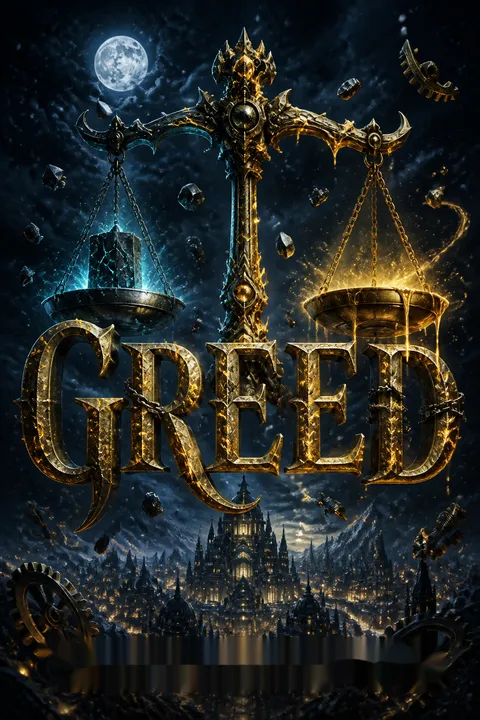

Plot Summary
Moonlit Heist Gone Wrong
Griffin Lazarus and his brother Evan, both members of the secretive Deadly Seven, prowl the snowy rooftops of Cardinal City, tracking a surge of greed. Their banter masks deep wounds—Griffin's trauma from brutal training and his struggle to control his supernatural ability to sense and purge greed. The night's mission, meant to be a simple robbery-foiling, spirals when Griffin's rigid adherence to his "balance protocol" leads him to abandon Evan mid-fight. The aftermath is deadly: two criminals are executed by an unknown assailant, and suspicion falls on the Deadly Seven. Griffin's inability to act outside his self-imposed rules leaves him haunted by guilt, setting the stage for a story where the cost of control and the danger of unchecked sin will ripple through every relationship.
The Burden of Balance
Returning home, Griffin is confronted by his brother Parker, who challenges his reliance on the tattoo that tracks his moral balance. The Lazarus siblings, each genetically engineered to embody a deadly sin, are cursed to walk a razor's edge: too much sin or virtue, and they risk losing themselves. Parker insists that only finding their "mate"—the person who embodies their sin's opposite virtue—can truly free them. Griffin, ever the analyst, clings to science and routine, refusing to believe in fate. But the night's events—his abandonment of Evan, the deaths, and the city's growing mistrust—force him to question whether his methods are enough. The family's plan to find their mates, and Parker's demand that Griffin infiltrate a hostile newsroom, push him toward a collision with destiny.
Bubblegum and Beginnings
Lilo Likeke, a tenacious investigative reporter with a mobster family past, collides—literally and figuratively—with Griffin in the newsroom break room. Their meeting is a comedy of errors: bubblegum stuck to cashmere, awkward apologies, and a magnetic, inexplicable attraction. Lilo's generosity and Griffin's need for control clash and spark, hinting at a deeper connection. Both are haunted by their families—Lilo by her criminal father and Griffin by his engineered destiny. As Lilo pursues the truth about the Deadly Seven and Griffin begins his undercover work, their lives entwine. The city's need for heroes, and the personal wounds they carry, set the stage for a partnership that will test the limits of trust, vulnerability, and fate.
Collision of Fates
Griffin's first day at the Cardinal Copy is a trial by fire. He's met with suspicion, especially from Donald Doppenger, a greedy, ambitious reporter with a personal vendetta against the Deadly Seven—and a toxic history with Lilo. Griffin's analytical approach to streamlining the newsroom puts him at odds with the staff, while his secret mission is to uncover the source of slander against his family. Lilo, meanwhile, is assigned to investigate a robbery tied to her estranged cousin, forcing her to confront her past. The newsroom becomes a battleground of egos, secrets, and simmering attraction. As Griffin and Lilo are thrown together on an assignment, their chemistry intensifies, and the lines between professional duty and personal longing blur.
Tangled Loyalties
Lilo's investigation into her cousin's arrest draws her deeper into the city's criminal underbelly and her own family's web. Donald, her manipulative ex, tries to reassert control, while Griffin's protective instincts flare. Their partnership is tested by old wounds—Lilo's history of being used by men, Griffin's fear of losing control. A visit to the police station, aided by Griffin's formidable sister Liza, reveals the depth of corruption and the dangers lurking in every shadow. Lilo's cousin hints at a kidnapping plot involving her father, and the threat of violence escalates. As Lilo and Griffin navigate these treacherous waters, their trust in each other grows, but so does the risk—both to their hearts and their lives.
Unmasking the Enemy
A bomb explodes at the police station, and a masked figure dressed as Greed—Griffin's alter ego—murders Lilo's cousin before her eyes. Griffin is wounded protecting Lilo, and his latent power to manipulate metal manifests in a desperate moment. The attack is a chilling escalation: someone is impersonating the Deadly Seven, using their image to commit murder and sow chaos. Lilo's world is upended—her family is targeted, her father kidnapped, and she's thrust into the crosshairs of a conspiracy. Griffin, grappling with guilt and the awakening of his supernatural abilities, realizes that his connection to Lilo is more than chance. Their fates are now inextricably linked, and the city's survival may depend on their ability to trust each other.
The Price of Generosity
Lilo's struggle to reconcile her generous nature with the dangers it brings is mirrored by Griffin's battle to control his greed. As they investigate her father's kidnapping, they confront the rot at the heart of their families—Lilo's mother's murderous ambition, her father's criminal legacy, and the Lazarus siblings' engineered destinies. The search for the ransom leads to a safe filled not with riches, but with surveillance photos of the Deadly Seven, evidence of a larger plot. Griffin's refusal to let Lilo risk herself strains their fragile bond. Both must confront the ways their pasts shape their choices, and the cost of trying to save others when they can barely save themselves.
Shadows in the Safe
The contents of Lilo's father's safe reveal a web of surveillance and blackmail, implicating the Lazarus family and exposing them to the Syndicate—a shadowy organization bent on controlling or destroying the Seven. Lilo's mother, driven by greed, is willing to kill for the insurance money, while her father's kidnapping is part of a larger game. Griffin's need to protect Lilo clashes with her determination to act, and their relationship fractures under the weight of secrets. Meanwhile, Donald Doppenger, now revealed as the imposter Greed, spirals further into madness, fueled by a mysterious serum that grants him deadly power. The city teeters on the brink, and the true enemy remains hidden in the shadows.
The Imposter's Game
Donald, consumed by envy and ambition, becomes the Syndicate's pawn, using the Greed persona to commit atrocities and frame the Deadly Seven. His vendetta against Griffin and obsession with Lilo drive him to ever greater violence. The Lazarus family, reeling from betrayal and public suspicion, must adapt—training, strategizing, and confronting their own weaknesses. Lilo, caught between her journalistic integrity and her loyalty to Griffin, risks everything to uncover the truth. As Donald's attacks escalate, the boundaries between hero and villain blur, and the city's faith in its protectors is shaken. The stage is set for a final confrontation where the cost of sin—and the price of redemption—will be paid in blood.
Blood and Betrayal
Donald's overdose on the Syndicate's serum transforms him into a literal monster, rampaging through the city in a violent quest for power and recognition. Lilo is taken hostage, forced to drive a stolen armored van as Donald unleashes chaos. Griffin, pushed to his physical and emotional limits, must choose between saving a train full of innocents and rescuing the woman he loves. The battle is brutal—Griffin's powers are stretched to the breaking point, and the line between man and beast blurs. With the help of his siblings, he pins the monster, but not before Lilo's courage and quick thinking help turn the tide. The city is saved, but not without scars, and the true cost of unchecked sin is laid bare.
The Edge of Control
In the aftermath, Griffin and Lilo confront the damage done—to themselves, each other, and the city. Griffin's fear of losing control is met by Lilo's insistence on trust and partnership. Their love, forged in crisis, becomes a source of healing. The Lazarus family, battered but united, recommit to their mission and to each other. Lilo's father, now in prison, confesses his role in the Syndicate's schemes, and Lilo finds closure with her past. The city begins to rebuild, and the Deadly Seven's reputation is restored, thanks in part to Lilo's honest reporting. The couple's journey from trauma to trust, from isolation to intimacy, is complete—but the threat of the Syndicate, and the challenge of balancing sin and virtue, remains.
Truths and Transformations
Griffin and Lilo's relationship deepens as they learn to navigate their differences—his need for control, her need for agency. Their union is a testament to the power of vulnerability and the courage to change. The family's search for their mates continues, each sibling facing their own demons. The city, forever changed by the events of the past weeks, looks to the future with hope and uncertainty. The Syndicate's machinations persist, and the Lazarus siblings know that peace is always temporary. But for now, love triumphs over fear, and the promise of "always and forever" offers a fragile, hard-won happiness.
The Monster Unleashed
As the dust settles, the Lazarus family faces new challenges. Wyatt, consumed by wrath and unable to forgive himself for past betrayals, disappears into the night, leaving his family to wonder if he will ever return. The Syndicate, undeterred by Donald's failure, plots new ways to exploit the Seven's powers. The city remains a battleground between sin and virtue, and the line between hero and monster is thinner than ever. The story ends with a sense of both closure and anticipation—the fight is far from over, and the next battle may be the most dangerous yet.
Sacrifice and Salvation
Griffin and Lilo, now married, visit her father in prison, seeking closure and understanding. The reunion is bittersweet—love and regret, forgiveness and accountability. The family gathers to celebrate the couple's union, a testament to the power of chosen family and the possibility of redemption. The city, scarred but resilient, looks to its heroes for hope. The Deadly Seven, united by love and purpose, prepare for whatever comes next. The story closes on a note of hard-won peace, the promise of new beginnings, and the knowledge that true salvation comes not from perfection, but from the courage to face one's own darkness.
Always and Forever
In the quiet after the storm, Griffin and Lilo find solace in each other. Their love, tested by fire, becomes a beacon for the family and the city. The burdens of the past are not forgotten, but they are no longer insurmountable. The Deadly Seven, still hunted and haunted, stand ready to defend Cardinal City. The Syndicate's shadow lingers, but for now, hope prevails. The story ends with a simple truth: love is the greatest act of generosity, and the only force strong enough to balance the scales of sin and virtue. Always and forever, they choose each other—and in that choice, they find freedom.
Analysis
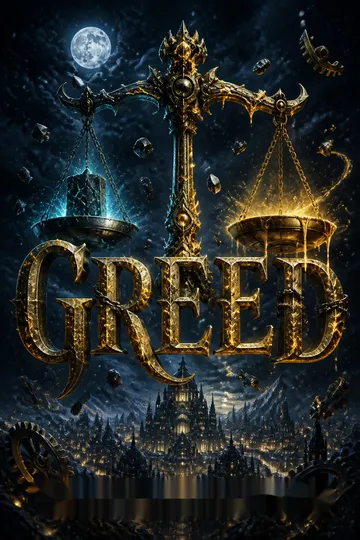
Greed by Lana Pecherczyk is a genre-bending urban fantasy that uses the framework of the seven deadly sins to explore the complexities of trauma, redemption, and the human need for connection. At its heart, the novel is a meditation on balance—between sin and virtue, control and surrender, self-protection and vulnerability. Griffin and Lilo's journey is both intensely personal and universally resonant: their struggles with trust, worthiness, and the scars of the past mirror the battles we all face. The story interrogates the dangers of rigid moral codes, the seductive power of ambition, and the corrosive effects of unchecked resentment. Yet it is also a celebration of generosity, forgiveness, and the transformative power of love. By grounding its supernatural elements in deeply human emotions, Greed offers a fresh take on the hero's journey—one where salvation is not found in perfection, but in the courage to face one's own darkness and to choose, again and again, the light of connection. In a world where the lines between hero and monster are blurred, the novel's ultimate message is clear: true strength lies not in the absence of sin, but in the willingness to love, to forgive, and to fight for a better future—always and forever.
Review Summary
Greed, the second book in The Deadly Seven series, follows Griffin Lazarus who can sense greed and maintains strict control through balanced actions. He meets Lilo Likeke, a generous reporter and Grace's best friend, creating an opposites-attract romance. Readers praised Griffin's analytical mind, touch sensitivity representation, and the chemistry between the leads. Many appreciated the superhero/fantasy blend with Clark Kent/Lois Lane vibes. Some found pacing issues or flat writing, but most enjoyed the unique concept, character development, and action-packed plot. The series explores genetically engineered siblings fighting the Syndicate while finding their fated mates.
People Also Read


Characters
Griffin Lazarus (Greed)
Griffin is the embodiment of Greed, genetically engineered to sense and purge the sin in others. Traumatized by brutal training and a catastrophic loss of control in his youth, he clings to a rigid protocol—balancing every act of generosity with an act of selfishness, tracked by a tattoo that shifts with his moral state. His analytical mind and need for control isolate him, making intimacy difficult. Griffin's journey is one of learning to trust, to let go, and to accept that true balance comes not from rigid rules, but from vulnerability and love. His relationship with Lilo, his destined mate, challenges his deepest fears and offers the possibility of redemption. Through her, he discovers that generosity and greed are not opposites, but two sides of the same human longing.
Lilo Likeke
Lilo is a fiercely independent investigative reporter, driven by a need to atone for her family's criminal legacy. Her generosity is both her strength and her vulnerability—she gives until it hurts, often at the expense of her own well-being. Scarred by manipulative relationships and a childhood of transactional love, Lilo struggles to believe she is worthy of happiness. Her connection with Griffin is electric, challenging her to trust and to accept help. Lilo's journey is one of reclaiming agency, setting boundaries, and learning that true generosity includes caring for oneself. Her courage, wit, and compassion make her both a formidable journalist and a healing force in Griffin's life.
Donald Doppenger
Donald is the embodiment of unchecked greed and envy—a reporter desperate for recognition, willing to betray anyone for a headline. His toxic relationship with Lilo and vendetta against the Deadly Seven drive him to become the imposter Greed, committing murder and chaos under the Syndicate's influence. Fueled by a serum that grants him temporary power, Donald's descent into monstrosity is both literal and symbolic. He is a cautionary tale of what happens when ambition and resentment are left unchecked, and his downfall is a stark contrast to Griffin's path of redemption.
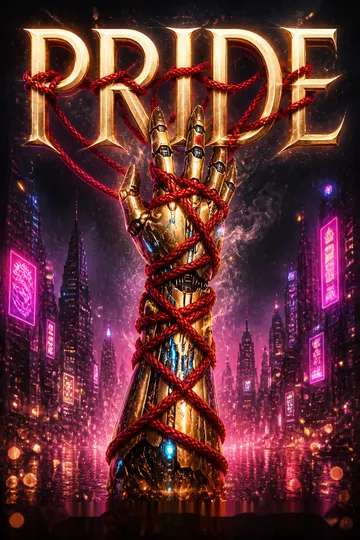
Parker Lazarus (Pride)
Parker, the eldest Lazarus sibling, is the family's anchor and strategist. As Pride, he walks a fine line between confidence and arrogance, often clashing with his siblings over the best way to protect the city and themselves. His insistence on finding their mates and his willingness to make hard decisions make him both a source of strength and tension. Parker's relationship with Griffin is complex—part mentor, part rival, always pushing for growth. His leadership is tested by betrayal, public suspicion, and the ever-present threat of the Syndicate.
Evan Lazarus (Envy)
Evan, the embodiment of Envy, is Griffin's closest brother and a source of comic relief and emotional support. His ability to sense envy and his electric powers make him a formidable fighter. Evan's journey is one of learning to channel his competitive instincts into loyalty and love, especially through his relationship with Grace, his mate. His bond with Griffin is tested by danger and rivalry, but ultimately proves unbreakable.
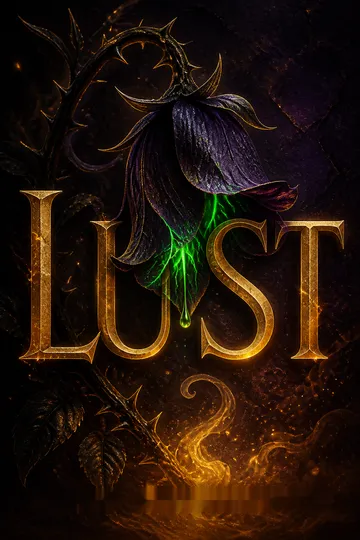
Liza Lazarus (Lust)
Liza, the only female Lazarus sibling, embodies Lust—not just in the sexual sense, but as a force of passion and drive. A detective by day and a warrior by night, she is both nurturing and ruthless. Liza's brash humor and willingness to challenge her brothers make her a vital part of the family dynamic. Her struggle is to find balance between desire and discipline, and her loyalty to her siblings is unwavering.
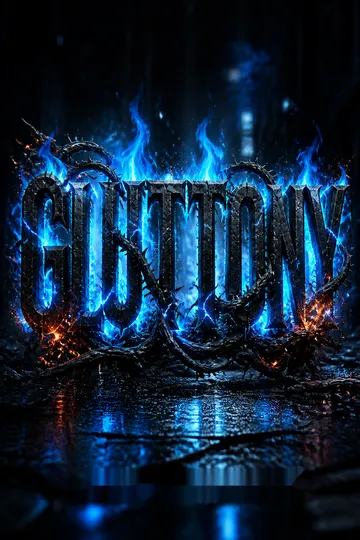
Tony Lazarus (Gluttony)
Tony, the face of Gluttony, is a movie star whose charm and appetite for excess hide a deep sense of emptiness. His struggle with addiction and the pressures of fame mirror the family's larger battle with sin. Tony's humor and bravado mask vulnerability, and his journey is one of seeking meaning beyond pleasure.
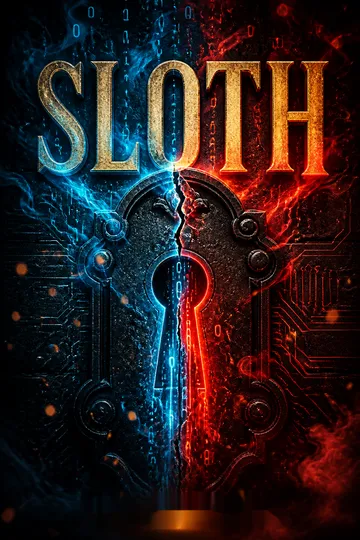
Sloan Lazarus (Sloth)
Sloan, the embodiment of Sloth, is a tech prodigy whose brilliance is often undermined by her struggle with motivation and depression. Her withdrawal from the family's mission is both a symptom and a cause of their challenges. Sloan's arc is one of re-engagement—learning that connection and purpose are antidotes to apathy.
Mary and Flint Lazarus
Mary, a former assassin, and Flint, a steadfast father, are the adoptive parents of the Deadly Seven. Their love and guidance are the family's foundation, but their own secrets and regrets shape the siblings' destinies. Mary's insistence on training and discipline is matched by Flint's quiet support. Together, they represent the possibility of redemption and the power of chosen family.
The Syndicate (Julius Allcott, Falcon, Sara Madden)
The Syndicate is a secretive organization determined to control or destroy the Deadly Seven. Led by Julius Allcott and enforced by the ruthless Falcon, they use science, manipulation, and violence to achieve their ends. Their creation of the Seven, and their ongoing experiments with power and sin, make them both creators and destroyers. The Syndicate's presence is a constant threat, a reminder that the battle between good and evil is never truly over.
Plot Devices
Sin and Virtue as Living Forces
The central device of the novel is the embodiment of the seven deadly sins in the Lazarus siblings, each genetically engineered to sense and be driven by their assigned sin. Their tattoos serve as living barometers, shifting with every act of virtue or vice. This creates a constant tension—every choice has a measurable consequence, and the risk of losing control is ever-present. The only true escape is finding their "mate," the person whose virtue can balance their sin. This device drives the plot, relationships, and character arcs, making every action fraught with meaning.
The Imposter and False Narratives
The use of an imposter—Donald Doppenger as Greed—serves as both a literal and metaphorical threat. By committing crimes in the Deadly Seven's image, he undermines public trust and forces the heroes to confront the fragility of reputation. The media's role in shaping narratives, and Lilo's struggle to report the truth, highlight the dangers of misinformation and the importance of integrity.
Trauma, Control, and Healing
Griffin's trauma from his training and his catastrophic loss of control are recurring motifs, shaping his need for rigid protocols and his fear of intimacy. Lilo's history of manipulation and abandonment mirror his struggles. Their relationship becomes a crucible for healing—only by facing their wounds and relinquishing control can they find balance. The motif of touch—both as trigger and as balm—underscores the power of vulnerability.
Family, Found and Forged
The Lazarus family, both biological and chosen, is the story's emotional core. Their banter, loyalty, and conflicts ground the supernatural elements in real human stakes. The search for mates, the struggle to forgive, and the willingness to sacrifice for each other elevate the narrative from a simple battle of good and evil to a meditation on what it means to belong.
Foreshadowing and Narrative Structure
The novel employs foreshadowing through recurring motifs (the tattoo, the safe, the imposter's attacks), building tension and anticipation. The structure alternates between action and introspection, balancing high-stakes battles with moments of vulnerability and connection. Each revelation—about the Syndicate, the family's origins, the true nature of sin—raises the stakes and propels the characters toward transformation.
The Deadly Seven Series

About the Author
Other books by Lana Pecherczyk

Download PDF
Download EPUB
.epub digital book format is ideal for reading ebooks on phones, tablets, and e-readers.








































