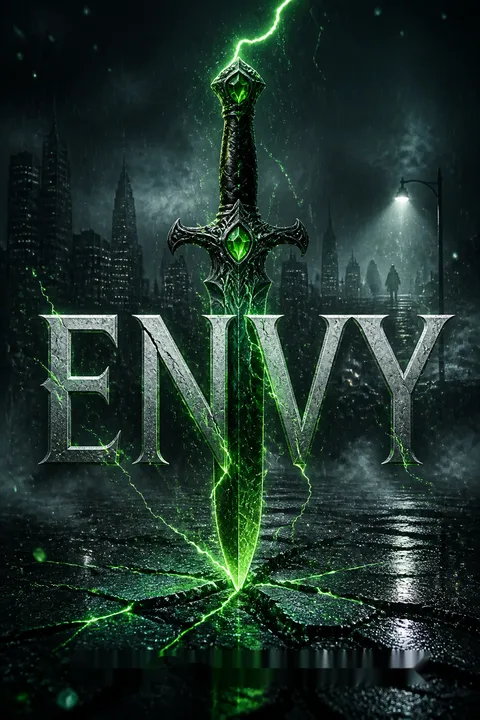

Summary Temporarily Unavailable
This summary is temporarily unavailable and is currently being updated. You can still explore the FAQs and other metadata below.
Plot Summary
Awakening in the Dumpster
Evan, the youngest of the Deadly Seven, regains consciousness in a dumpster, bloodied and bruised, with only fragments of memory. He recalls his name, his family's mission to fight the deadly sins, and the gnawing sense of envy that both empowers and torments him. Children discover him, recognizing his secret identity, and a mishap leaves him further injured. Despite his supernatural healing, Evan's pain is more than physical—it's rooted in guilt, isolation, and the burden of his sin. The city around him is a reflection of his inner turmoil: broken, dangerous, and hungry for something more. Evan's journey begins not with triumph, but with survival and self-doubt.
Grace's Haunted Morning
Dr. Grace Go, an emergency physician, navigates the bustling, indifferent city, haunted by the trauma of losing her parents in a bombing two years prior. She's driven by a need for justice and closure, but also by survivor's guilt and a relentless urge to help others. Her connection to the city's orphans, especially Taco, grounds her, but she's constantly reminded of her own loneliness and the unfinished business of the bombing. When her bag is stolen, it's a small but telling loss—one more thing out of her control. Grace's world is one of constant motion, a desperate attempt to outrun her pain.
Family of Sins
In the hospital, Evan is visited by his adoptive mother, Mary, a former assassin with prophetic visions. Their family, the Deadly Seven, each embody and battle a deadly sin. Mary's love is fierce but pragmatic, urging Evan to find balance and not be consumed by envy. The family's history is one of genetic engineering, trauma, and a desperate search for meaning. Evan's obsession with his brother's dead fiancée, Sara, is a wound that won't heal, dividing the siblings and fueling his self-destructive tendencies. The family's dynamic is fraught with secrets, blame, and the hope for redemption.
Collision of Fates
Grace, working a hospital shift, is assigned to Evan's case. Their first meeting is electric—literally. Grace is drawn to Evan's wounded strength, while he is stunned by her lack of envy, a rare and soothing presence. Their interaction is charged with awkward intimacy, vulnerability, and a sense of inevitability. Both are marked by trauma, but where Evan is raw and defensive, Grace is compassionate and determined. Their connection hints at something deeper, a possible antidote to each other's pain, but also a source of new complications.
Art, Envy, and Ghosts
At his art exhibition, Evan is surrounded by envy—both his own and that of the crowd. His paintings, all featuring Sara, are a public exorcism of his obsession and guilt. The event is a swirl of family tension, public scrutiny, and unresolved grief. When Evan glimpses Sara alive in the crowd, it shatters his reality. The past is not dead, and the wounds of betrayal and loss are reopened. Grace's presence at the gallery is both a comfort and a challenge, as she seeks answers about the bombing and her own connection to Sara.
Sara's Shadow Returns
Sara, once thought dead, is alive and entangled with a shadowy organization known as the Syndicate. Her motives are complex: envy, survival, and a longing for belonging. She is both victim and perpetrator, manipulated and manipulator. The Syndicate's goals are sinister, seeking to harness the powers of the Deadly Seven for their own ends. Sara's resurrection is not a miracle but a calculated move in a larger game. Her presence threatens to unravel the fragile peace within the Lazarus family and the city itself.
The Gallery Unravels
The gallery event descends into chaos as Sara is spotted and pursued. The crowd's envy turns to hysteria, and violence erupts. Grace is caught in the crossfire, her own trauma triggered by the panic and danger. Evan's attempt to confront Sara is thwarted by the confusion and his own conflicted feelings. The family's divisions are laid bare, and the city's simmering tensions boil over. The night ends with blood, betrayal, and the sense that the past cannot be escaped.
Alleyway Confrontation
In a dark alley, Evan and Grace are attacked by Sara, whose strength and rage are unnatural. The fight is brutal and desperate, with Evan unleashing his newfound electrical powers to protect Grace. The violence is both cathartic and horrifying, forcing Evan to confront the darkness within himself. Grace's medical instincts and moral compass are tested as she witnesses the limits of justice and mercy. The encounter leaves them both shaken, bonded by trauma, and aware that the city's dangers are far from over.
Lightning and Balance
In the aftermath, Evan and Grace find solace in each other. Their connection is more than physical—it is a balancing of sins and virtues, a rare harmony in a world of extremes. Evan's powers are amplified by Grace's presence, and her compassion tempers his rage. Together, they begin to unravel the mysteries of the Syndicate, Sara's resurrection, and the true nature of their own abilities. Their relationship is a fragile hope, a promise that healing is possible even for the most broken.
The Syndicate's Game
The Syndicate, led by the enigmatic Julius and his enforcer Falcon, is revealed to be orchestrating a campaign of chaos and control. Their experiments with cloning, genetic manipulation, and the exploitation of sin are a dark mirror to the Lazarus family's own origins. Sara is both pawn and weapon, her envy weaponized against those she once loved. The Syndicate's reach is vast, their methods ruthless, and their ultimate goal is nothing less than the remaking of humanity. The Lazarus family must confront not only external threats but the shadows within themselves.
Secrets in the Blood
Investigating the GODC lab, Evan and Grace discover the horrifying reality: the Syndicate is growing human clones, using the DNA of the Deadly Seven to create an army of engineered beings. Sara herself is a clone, her memories and motives manipulated. The line between victim and villain blurs, as the family realizes the depth of the Syndicate's depravity. The discovery forces them to reckon with their own origins, the ethics of power, and the cost of survival. Grace's medical expertise and Evan's powers are crucial, but so is their willingness to trust each other.
The Poisoned Smoothie
Sara's machinations escalate as she poisons Grace and blackmails Evan with evidence that could destroy them both. The family is torn between action and paralysis, haunted by past mistakes and present dangers. Evan's willingness to sacrifice himself for Grace is both heroic and tragic, a testament to his growth and the depth of his love. Grace, in turn, refuses to be a passive victim, fighting for her own agency and the lives of those she cares about. The stakes are higher than ever, and the cost of failure is unthinkable.
Truths and Betrayals
The Lazarus family is forced to confront their own divisions, secrets, and failures. Wyatt, devastated by Sara's betrayal, must choose between vengeance and forgiveness. Parker steps up as a reluctant leader, demanding unity and sacrifice. Grace's presence is both a catalyst and a balm, challenging the family to be better than their sins. The lines between hero and villain, victim and perpetrator, are blurred. In the crucible of crisis, the family must decide what they are willing to risk for each other and for the city they once swore to protect.
The Labyrinth of Clones
As Sara attempts to deliver Evan to the Syndicate, the family rallies for a rescue. The city becomes a battleground of secrets, powers, and loyalties. Wyatt's sacrifice, Sara's final confession, and the family's willingness to fight for each other mark a turning point. The Syndicate's plans are exposed, but not fully defeated. The cost is high—lives are lost, wounds are deepened, and the future is uncertain. Yet, in the chaos, there is a sense of hard-won clarity and purpose.
Sacrifice and Salvation
In the aftermath, the family tends to its wounds—physical, emotional, and spiritual. Grace's surgical skills save Wyatt, and her love helps Evan find peace with himself. The family, once fractured, begins to heal, united by shared pain and hope. The city is still dangerous, the Syndicate still at large, but the Lazarus family is no longer running from their destiny. They embrace their roles as protectors, not just of the city, but of each other. Grace and Evan's love is a beacon, proof that even in a world of sin, redemption is possible.
Family Reforged
The story closes with the family gathered, stronger and more united than before. Old wounds are acknowledged, if not fully healed. The fight against the Syndicate continues, but now with renewed purpose and hope. Grace is welcomed as one of their own, her presence a symbol of balance and possibility. Evan, once consumed by envy, finds peace in love and belonging. The city remains a place of shadows and light, but the Lazarus family stands ready to face whatever comes next—together.
Analysis
Envy is a modern urban fantasy that reimagines the superhero genre through the lens of sin, trauma, and the search for balance
At its core, the novel is about the struggle to live with one's flaws rather than to eradicate them. The Lazarus family's powers are not gifts but burdens, and their journey is one of self-acceptance, forgiveness, and the hard work of healing. The story interrogates the nature of identity—what makes us who we are, and how much of that is choice versus inheritance. The use of cloning and genetic engineering raises ethical questions about agency, consent, and the cost of survival. The relationship between Evan and Grace is both a romance and a metaphor for the possibility of redemption: that even the most broken can find wholeness in connection. The novel's urban setting, noir tone, and ensemble cast create a world that is both fantastical and deeply human. Ultimately, Envy is a story about the power of found family, the necessity of confronting one's own darkness, and the hope that, even in a world defined by sin, grace is possible.
Last updated:
Report IssueReview Summary
Envy receives mixed reviews averaging 4.05 stars. Readers praise the unique superhero concept featuring genetically engineered siblings who detect deadly sins and need soulmates to unlock powers. Many enjoyed the world-building and character dynamics, though some found it suffered from "first book syndrome" with pacing issues and excessive length. The protagonist Grace's "too-stupid-to-live" decisions frustrated several reviewers. Editing concerns were noted, including typos and choppy writing. Despite criticisms, most readers plan to continue the series, intrigued by supporting characters and the overall premise combining superhero action with paranormal romance.
People Also Read

Characters
Evan Lazarus
Evan is the youngest of the Deadly Seven, genetically engineered to sense and combat envy. His life is a constant struggle between the urge to destroy and the desire to heal. Marked by guilt over past failures and the loss of his brother's fiancée, Sara, Evan is both tormented and driven. His powers—supernatural strength, healing, and eventually electricity—are both a gift and a curse, isolating him from others. Evan's journey is one of self-acceptance, learning to trust, and finding balance through his connection with Grace. His arc is a testament to the possibility of redemption, even for those most consumed by darkness.
Grace Go
Grace is a doctor haunted by the loss of her parents and driven by a need to help others. Her survivor's guilt and relentless work ethic mask a deep loneliness and vulnerability. Grace's lack of envy makes her a rare and stabilizing force for Evan, and her medical skills are crucial in the family's battles. She is both a moral compass and a catalyst for change, challenging the Lazarus family to be better than their sins. Grace's journey is one of reclaiming agency, embracing love, and finding the courage to face her own trauma.
Mary Lazarus
Mary is the adoptive mother of the Deadly Seven, a former assassin with visions of the future. Her love is tough, pragmatic, and sometimes harsh, shaped by a lifetime of violence and sacrifice. Mary's primary motivation is the survival and unity of her family, even as she struggles with her own fading powers and regrets. She is both mentor and protector, guiding her children through the dangers of their world and the temptations of their sins. Mary's arc is one of letting go, trusting her children, and accepting that love is stronger than control.
Sara Madden
Sara is both victim and villain, a woman destroyed by envy and resurrected as a pawn of the Syndicate. Her motives are complex: a longing for love, a fear of death, and a desperate need for belonging. As a clone, her identity is fractured, her loyalties uncertain. Sara's actions—betrayal, violence, and manipulation—are driven by both her own pain and the machinations of those who control her. Her arc is a cautionary tale about the dangers of unchecked desire and the cost of survival at any price.
Wyatt Lazarus
Wyatt embodies the sin of wrath, his temper both a weapon and a weakness. Once Evan's closest ally, he is devastated by Sara's betrayal and struggles with guilt, anger, and the need for vengeance. Wyatt's journey is one of forgiveness—of himself, of Evan, and even of Sara. His willingness to sacrifice for his family is both his greatest strength and his deepest wound. Wyatt's arc is a meditation on the power and danger of love, and the possibility of healing even the most broken bonds.
Parker Lazarus
Parker is the eldest and most responsible of the siblings, burdened by the need to hold the family together. His intelligence and pride make him both a natural leader and a source of friction. Parker's arc is about learning humility, trusting others, and accepting that leadership is not about control but about service. His relationship with Grace and Evan is a microcosm of the family's larger struggles: pride, forgiveness, and the search for meaning.
Griffin Lazarus
Griffin, the embodiment of greed, is the family's data analyst and tactician. His need for control and balance makes him both invaluable and isolated. Griffin's arc is about learning to connect, to risk vulnerability, and to see that generosity is not a weakness. His role in the family is often as a mediator, but his own journey is one of self-discovery and the search for purpose beyond calculation.
Sloan Lazarus
Sloan is the family's hacker and gamer, retreating from the world into virtual spaces. Her sin is sloth, but her intelligence and loyalty are unquestionable. Sloan's arc is about re-engaging with the world, finding motivation, and realizing that action is sometimes the greatest act of love. Her relationship with her siblings is marked by teasing, but also by deep, if hidden, affection.
Tony Lazarus
Tony is the family's movie star, embodying gluttony in both appetite and ambition. His charm masks insecurities and a fear of not being enough. Tony's arc is about learning moderation, responsibility, and the value of substance over style. He provides comic relief but also moments of surprising insight and support.
Liza Lazarus
Liza, the family's detective, is both empowered and burdened by her sin. Her sexuality is a source of strength and vulnerability, and her role as a law enforcer puts her at odds with her own nature. Liza's arc is about self-acceptance, the search for genuine connection, and the realization that love is not weakness but power.
Plot Devices
Sins as Superpowers
Each Lazarus sibling is genetically engineered to sense and combat a specific deadly sin, which both grants them unique abilities and threatens to consume them. This device externalizes internal struggles, making psychological battles literal. The need for balance—embodied in the Yin-Yang tattoos—drives the narrative, as the characters seek not to destroy their sins but to live with them. The powers are both blessing and curse, shaping relationships, conflicts, and the overarching quest for redemption.
Cloning and Identity
The Syndicate's use of cloning technology raises questions about identity, memory, and agency. Sara's resurrection as a clone is both a plot twist and a meditation on the nature of selfhood. The device allows for the return of the past, the repetition of trauma, and the manipulation of love and loyalty. It also serves as a metaphor for the ways in which people are shaped—and sometimes trapped—by their histories.
Foreshadowing and Prophecy
Mary's prophetic visions and Evan's prophetic art provide both guidance and misdirection. The future is glimpsed but never certain, and the characters must interpret signs, dreams, and omens. This device creates suspense, irony, and a sense of fate, while also emphasizing the limits of knowledge and the necessity of choice.
Found Family and Sacrifice
The Lazarus family is a found family, bound by shared trauma and purpose rather than blood. Their relationships are marked by love, rivalry, and the constant threat of loss. Sacrifice—both literal and emotional—is a recurring motif, as characters risk themselves for each other and for the greater good. The family's journey from division to unity is both the emotional and narrative heart of the story.
Urban Fantasy Noir
Cardinal City is more than a backdrop—it is a character in its own right, a place of corruption, violence, and hidden hope. The noir atmosphere—rain, darkness, alleys, and moral ambiguity—infuses the narrative with tension and style. The city's decay mirrors the characters' struggles, and its moments of beauty reflect their capacity for grace.
The Deadly Seven Series
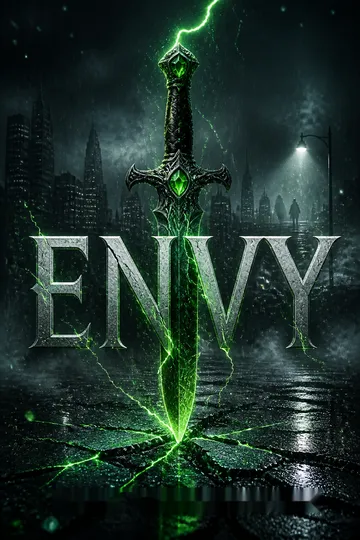
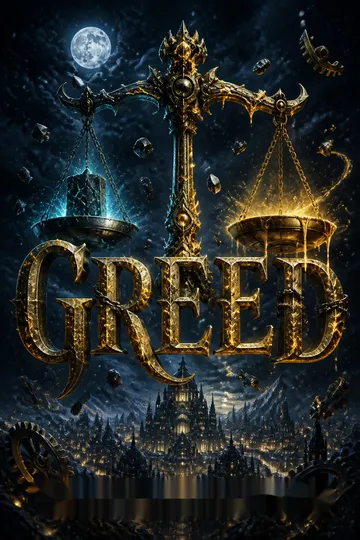

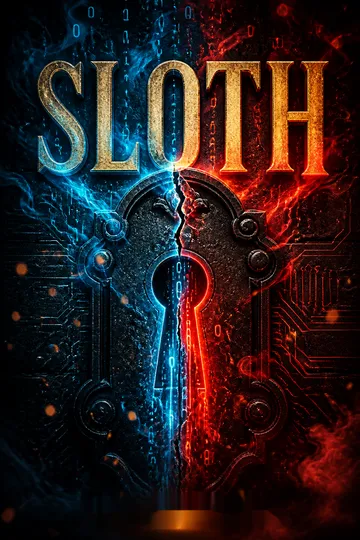
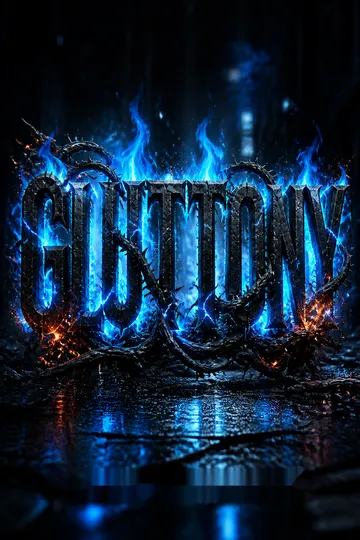
About the Author
Lana Pecherczyk is an author based in Perth, Western Australia, who specializes in writing paranormal, fantasy, and science fiction romance novels. Beyond her writing career, she is also a visual artist and book cover designer, combining her creative talents across multiple mediums. Her work demonstrates versatility in blending different genre elements, particularly in creating complex supernatural worlds. Pecherczyk is known for her Deadly Seven series and Fae Guardians series. She maintains an active social media presence, engaging with readers and fans. Her author bio playfully references fighting evil by moonlight while never running from real fights, suggesting a connection to pop culture.
Other books by Lana Pecherczyk

Download PDF
Download EPUB
.epub digital book format is ideal for reading ebooks on phones, tablets, and e-readers.








































