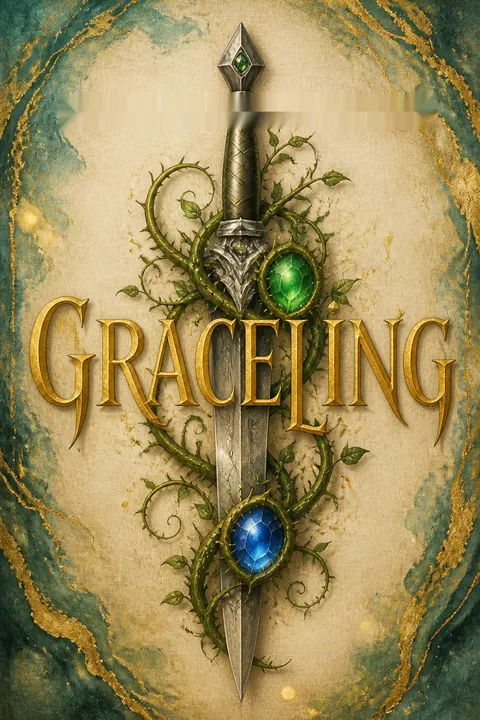

Plot Summary
Midnight Rescue in Sunder
In the pitch-black dungeons of King Murgon, Katsa moves with lethal precision, guided by memory and a map. Her mission: rescue a frail Lienid grandfather, Prince Tealiff, held for mysterious reasons. She disables guards with non-lethal force, refusing to kill, and orchestrates a flawless escape with her Council allies, Oll and Giddon. The rescue is swift, silent, and merciful—Katsa's way of rebelling against her reputation as a killer. As they flee, Katsa's mind churns with the weight of her Grace, her uncle Randa's expectations, and the secret Council's growing ambitions. The night's success is shadowed by the encounter with a mysterious Lienid fighter, whose trust and curiosity unsettle her, hinting at deeper entanglements to come.
The Council's Secret Mission
The Council, a clandestine network of nobles, spies, and servants, works to counteract the cruelty and chaos of the seven kingdoms' rulers. Katsa, Randa's niece and his feared enforcer, is their most potent weapon, though she resists being used for violence. The Council's latest mission—rescuing Tealiff—raises questions about the motives behind his kidnapping. As Katsa returns to Randa's court, she reflects on the Council's origins, her own accidental killing as a child, and the isolation that comes with her deadly Grace. The Council's work is dangerous, but it offers Katsa a sense of purpose and a fragile hope for change in a world ruled by unpredictable, often heartless kings.
Katsa's Deadly Grace
Katsa's Grace—her supernatural ability—marks her as both powerful and feared. As a child, she killed a man in self-defense, revealing her lethal potential. Randa, her uncle, exploits her skill, sending her to punish and intimidate his enemies. Katsa's reputation as a "lady killer" precedes her, and she is shunned by most, except for a few allies like Prince Raffin and Captain Oll. Despite her control and precision, Katsa is haunted by the violence she's committed and the loneliness it brings. Her refusal to kill unless necessary is a quiet rebellion, a way to reclaim her humanity in a court that sees her as a tool.
The Lienid Prince Encounter
During the rescue, Katsa is confronted by a skilled Lienid fighter—Prince Po—who recognizes her and challenges her both physically and emotionally. Their encounter is tense, a dance of suspicion and mutual respect. Po's playful confidence and refusal to fight to the death unsettle Katsa, who is used to being feared. She chooses not to kill him, a decision that will have far-reaching consequences. Po's trust and curiosity linger in Katsa's mind as she flees, setting the stage for a partnership that will challenge everything she believes about herself, her Grace, and her place in the world.
The Seven Kingdoms' Tensions
The seven kingdoms are a patchwork of rivalries, betrayals, and uneasy truces. Randa's Middluns sits at the center, surrounded by ambitious, warring neighbors. The kidnapping of Tealiff, a harmless old man, is a puzzle—who would benefit from such an act? Katsa and the Council suspect the kings of Wester, Nander, or Estill, but the involvement of a Lienid noble at Murgon's court complicates matters. The political landscape is treacherous, and the Council's work is a delicate balance of secrecy, subversion, and survival. Katsa's growing doubts about the kings' motives and the Council's reach foreshadow greater dangers ahead.
Randa's Reluctant Weapon
Randa, King of the Middluns, uses Katsa as his personal weapon, sending her to punish those who cross him. Katsa's refusal to kill unless absolutely necessary puts her at odds with Randa and some Council members. Her internal struggle intensifies as she is sent on missions that test her resolve and her sense of justice. The tension between her loyalty to the Council and her resistance to Randa's cruelty becomes a defining conflict. Katsa's growing friendship with Po and her desire for autonomy push her to question her role as Randa's tool and to seek a life defined by her own choices.
The Council's Growing Influence
The Council's influence spreads across the kingdoms, attracting allies from all walks of life—lords, spies, servants, and commoners. Their missions become bolder, rescuing the oppressed and undermining the kings' authority. Katsa, once the Council's lone agent, now leads a movement that is both exhilarating and perilous. The risk of exposure grows with each success, and Katsa fears the consequences if Randa or the other kings discover the Council's true scope. The Council's work gives Katsa purpose, but it also threatens to consume her, forcing her to confront the limits of her power and the dangers of rebellion.
A Dangerous Kindness
On a mission to punish an Estillan lord for cheating Randa, Katsa chooses mercy over violence, knocking the man unconscious rather than maiming him. Her refusal to inflict unnecessary pain is an act of quiet defiance, a rejection of Randa's brutality. This choice, and her growing discomfort with the Council's methods, signal a shift in Katsa's understanding of her Grace—not just as a tool for killing, but as a means of survival and protection. Her compassion becomes a form of rebellion, challenging the expectations of those who see her only as a weapon.
The Mind Reader's Secret
As Katsa and Po grow closer, she discovers that his Grace is not fighting, but sensing the thoughts and intentions of those around him—especially when they concern him directly. This revelation shakes Katsa's trust, as she feels betrayed by his secrecy. Po's Grace is both a gift and a burden, isolating him from others and making genuine connection difficult. Their confrontation is raw and painful, but ultimately leads to a deeper understanding and a fragile, hard-won trust. Together, they begin to unravel the mystery of Tealiff's kidnapping and the true nature of the threats facing the kingdoms.
Po and Katsa's Alliance
Katsa and Po form a powerful alliance, training together and challenging each other to new heights. Their partnership is built on mutual respect, honesty, and a shared commitment to justice. As they investigate the motives behind Tealiff's kidnapping, they uncover a web of lies and manipulation that points to King Leck of Monsea—a ruler with a reputation for kindness, but a past shrouded in mystery. Katsa's growing feelings for Po complicate her fierce independence, forcing her to confront her fears of intimacy, vulnerability, and belonging.
The Kidnapping's Hidden Motive
The investigation into Tealiff's kidnapping reveals a chilling pattern of disappearances, cruelty, and secrets centered on King Leck. Katsa and Po's journey takes them across kingdoms, through forests and mountains, as they piece together the truth. The stakes rise when they encounter Bitterblue, Leck's daughter, fleeing her father's monstrous intentions. The rescue of Bitterblue becomes a race against time, as Katsa and Po risk everything to protect her from Leck's deadly Grace—a power that warps reality and bends minds to his will.
Leck's Disturbing Reputation
King Leck's reputation for kindness masks a horrifying reality. His Grace allows him to manipulate minds, erasing memories and rewriting truth. As Katsa and Po draw closer to Leck, they experience firsthand the disorienting, paralyzing effects of his power. Bitterblue's testimony reveals the extent of Leck's cruelty—his abuse of animals, children, and his own family. The journey through the mountains becomes a desperate flight, as Katsa and Po struggle to resist Leck's influence and keep Bitterblue safe. The line between reality and illusion blurs, and survival depends on trust, willpower, and the strength of their bond.
Escape Across the Mountains
With Leck's soldiers in pursuit, Katsa and Bitterblue undertake a harrowing journey across the impassable Monsean peaks. Katsa's Grace—now understood as survival, not just killing—enables her to endure the cold, hunger, and exhaustion. She carries Bitterblue through blizzards and over treacherous terrain, improvising clothing and tools from whatever she can find. The ordeal tests Katsa's limits and forges an unbreakable bond between her and Bitterblue. Their survival is a testament to Katsa's resilience, ingenuity, and the true nature of her Grace.
Bitterblue's Flight
Bitterblue, traumatized by her father's abuse and her mother's murder, emerges as a figure of quiet strength and determination. Her journey with Katsa is one of healing and empowerment, as she learns to defend herself and claim her identity. Bitterblue's resilience inspires Katsa, and their mutual trust becomes a source of hope. As they reach safety in Lienid, Bitterblue must confront her past and prepare to rule a kingdom still under the shadow of Leck's lies. Her story is one of survival, recovery, and the promise of a new beginning.
The Twisted King Revealed
In a climactic confrontation at Po's castle, Leck's attempt to expose Po's secret triggers a moment of clarity for Katsa. She kills Leck with a dagger, breaking his spell over those present and revealing the truth of his crimes. The aftermath is chaotic and painful, as Po's family and Bitterblue's allies struggle to reconcile their memories with reality. Katsa is haunted by the violence of her act, but finds solace in the knowledge that Leck's reign of terror is over. The kingdoms begin to heal, and Bitterblue ascends to the throne, determined to rule with justice and compassion.
The Death of Leck
Leck's death brings liberation, but also grief and uncertainty. Katsa grapples with the consequences of her actions, the loss of control under Leck's Grace, and the burden of being a killer—even for a just cause. Po, wounded and changed by his ordeal, withdraws into himself, struggling with the loss of his sight and the overwhelming expansion of his Grace. Their reunion is bittersweet, marked by love, pain, and the challenge of forging a new life together. The world has shifted, and nothing will ever be the same.
Bitterblue's New Rule
Bitterblue's coronation marks the beginning of a new era for Monsea. Supported by Ror, Skye, and the Council, she faces the daunting task of rebuilding a kingdom scarred by lies and cruelty. Katsa, Po, and their allies work to ensure Bitterblue's safety and to spread the truth about Leck's crimes. The Council's influence grows, and the promise of justice and reform offers hope for the future. Bitterblue's journey from victim to ruler is a testament to her courage, wisdom, and the power of friendship.
Po's Hidden Wound
Po's injury leaves him blind, but his Grace compensates, allowing him to sense the world in new and overwhelming ways. The loss of sight is a profound wound, challenging his sense of self and his place in the world. Katsa's love and support help him adapt, but the adjustment is painful and slow. Po's journey is one of acceptance, resilience, and the discovery of new strengths. His vulnerability deepens his connection with Katsa and his family, and his story becomes one of healing and transformation.
Healing and New Beginnings
In the aftermath of Leck's death, Katsa and Po find solace in each other and in the work of rebuilding. Katsa trains girls and women in self-defense, determined to empower the vulnerable and break the cycle of violence. Po returns to his family, learning to navigate the world with his new abilities. Bitterblue begins her reign, guided by the lessons of the past and the support of her friends. The Council's work continues, and the hope for a more just and compassionate world endures. The story ends with Katsa and Po together, facing the future with courage, love, and the hard-won knowledge that survival is not just about enduring, but about living fully and freely.
Analysis
Graceling is a story of power, autonomy, and the struggle to define oneself in a world that seeks to use, control, or erase difference
Kristin Cashore crafts a narrative that interrogates the nature of strength—not just physical, but moral and emotional. Through Katsa's journey, the novel explores the costs of violence, the burden of being exceptional, and the longing for connection in the face of isolation. The insidiousness of Leck's Grace is a powerful metaphor for abuse and gaslighting, highlighting the importance of resisting manipulation and reclaiming agency. The Council's work, the empowerment of Bitterblue, and Katsa's refusal to be defined by others offer a vision of hope rooted in solidarity, compassion, and the courage to choose one's own path. Ultimately, Graceling is a celebration of survival—not just enduring, but living fully, loving bravely, and forging a future on one's own terms.
Review Summary
Graceling received mixed reviews. Many praised its strong female protagonist, unique fantasy world, and exploration of identity. Some appreciated the unconventional romance and feminist themes. However, others found the writing style simplistic, the world-building lacking, and Katsa's character development inconsistent. Critics were divided on the portrayal of marriage and femininity. Despite polarizing opinions, most agreed the book was engaging and thought-provoking, particularly for young adult readers. Overall, Graceling remains a popular and influential work in YA fantasy.
People Also Read

Characters
Katsa
Katsa is the niece of King Randa and Graced with a supernatural ability initially believed to be killing, but ultimately revealed as survival. Her dual-colored eyes mark her as different, and her lethal skill isolates her from others, making her both feared and exploited. Raised as Randa's enforcer, Katsa is haunted by the violence she's committed and struggles with guilt, loneliness, and the desire for autonomy. Her involvement with the Council gives her purpose beyond violence, and her relationship with Po challenges her to trust, love, and redefine her identity. Katsa's journey is one of self-discovery, as she learns to wield her Grace for protection and mercy, not just destruction. Her refusal to be controlled—by Randa, by her Grace, or by love—drives her growth from weapon to protector, from outcast to leader.
Po (Prince Greening Grandemalion)
Po is the seventh son of the Lienid king, Graced not with fighting, as he pretends, but with the ability to sense the thoughts and intentions of those around him. His Grace is both a gift and a burden, isolating him from others and making genuine connection difficult. Po's playful confidence and emotional intelligence draw Katsa out of her shell, and his honesty and vulnerability challenge her to trust. After being wounded and losing his sight, Po must adapt to a new way of experiencing the world, relying on his Grace and the support of those he loves. His journey is one of acceptance, resilience, and the discovery of new strengths. Po's love for Katsa is steadfast, and his willingness to risk everything for her and for justice defines his character.
Bitterblue
Bitterblue is the daughter of King Leck and Queen Ashen, thrust into danger by her father's monstrous Grace and her mother's murder. Her flight with Katsa is a journey of survival, healing, and empowerment. Bitterblue's intelligence, courage, and determination emerge as she learns to defend herself and claim her identity. Despite her trauma, she becomes a symbol of hope and renewal, ascending to the throne with a commitment to justice and compassion. Her relationship with Katsa is transformative for both, forging a bond of trust and mutual respect.
King Leck
Leck is the king of Monsea, Graced with the ability to manipulate minds and warp reality with his words. His reputation for kindness masks a history of cruelty, abuse, and murder. Leck's power is insidious, erasing memories and rewriting truth, making him one of the most dangerous figures in the seven kingdoms. His obsession with control and his perverse desires drive the central conflict of the story. Leck's death is both a liberation and a trauma for those he has harmed, and his legacy haunts the survivors.
King Randa
Randa is the king of the Middluns and Katsa's uncle. He exploits Katsa's Grace for his own ends, using her as a weapon to enforce his will. Randa's coldness and lack of empathy contribute to Katsa's isolation and internal conflict. His rule is marked by self-interest and a willingness to use others for power. Randa's eventual loss of control over Katsa signals a shift in the balance of power and the possibility of change.
Prince Raffin
Raffin is Randa's son and Katsa's closest friend. A healer and alchemist, he supports the Council's work and provides Katsa with emotional support and practical assistance. Raffin's compassion and intelligence make him a stabilizing force in Katsa's life. His willingness to defy his father and pursue justice reflects the story's themes of resistance and hope.
Captain Oll
Oll is Randa's captain and a founding member of the Council. He mentors Katsa, teaching her to control her Grace and use it for good. Oll's loyalty to Katsa and the Council is unwavering, and his practical wisdom helps guide their missions. He represents the possibility of change from within the system and the importance of quiet rebellion.
Giddon
Giddon is a nobleman and Council ally, deeply loyal to Katsa and secretly in love with her. His frustration with Katsa's independence and his own limitations create tension, but his commitment to the Council's cause is genuine. Giddon's journey is one of learning to accept Katsa's choices and to channel his strength into service rather than control.
Queen Ashen
Ashen is Bitterblue's mother and Leck's wife, a Lienid princess caught in a web of cruelty and deception. Her efforts to protect Bitterblue from Leck's abuse ultimately cost her life. Ashen's love and sacrifice haunt Bitterblue and inspire Katsa's determination to save the child. Her story is a reminder of the costs of resistance and the power of maternal love.
King Ror
Ror is the king of Lienid and Po's father. His leadership is marked by empathy, fairness, and a willingness to listen. Ror's support for Bitterblue and the Council reflects his commitment to justice and his understanding of the complexities of power. He provides a model of kingship that contrasts sharply with the cruelty of Randa and Leck.
Plot Devices
Grace as Identity and Isolation
The concept of Grace—unique supernatural talents—serves as both a source of power and a mark of difference. Graces define characters' roles, isolate them from others, and create both opportunities and burdens. Katsa's journey from believing her Grace is killing to understanding it as survival mirrors her struggle for self-acceptance and autonomy. Po's hidden Grace of mind-sensing complicates trust and intimacy, while Leck's Grace of manipulation is the ultimate weapon of control. Graces are both gifts and curses, shaping destinies and relationships throughout the narrative.
Mind Control and Unreliable Reality
The plot hinges on the insidious power of Leck's Grace, which allows him to rewrite reality and erase memories with his words. This device creates an atmosphere of paranoia, uncertainty, and psychological horror. Characters must fight not only external threats but the erosion of their own minds and truths. The struggle to resist Leck's influence becomes a metaphor for the fight against abuse, gaslighting, and the loss of agency.
Found Family and Chosen Loyalty
The Council, Katsa's friendships, and her bond with Po and Bitterblue exemplify the theme of found family—relationships built on trust, respect, and shared values rather than blood or duty. These chosen alliances provide strength, healing, and hope in a world where traditional family ties are often sources of pain and betrayal. The narrative structure emphasizes the importance of loyalty, mutual support, and the courage to defy unjust authority.
Survival and Empowerment
The story's central arc is one of survival—physical, emotional, and moral. Katsa's journey across the mountains with Bitterblue is a crucible that tests and reveals the true nature of her Grace. The emphasis on self-defense, resilience, and the empowerment of the vulnerable (especially girls and women) is both a plot device and a thematic statement. The narrative structure uses trials, ordeals, and moments of crisis to catalyze growth and transformation.
Foreshadowing and Revelation
The plot is structured around secrets—Po's true Grace, the motives behind Tealiff's kidnapping, Leck's hidden crimes—and the gradual revelation of truth. Foreshadowing is used to build tension and deepen character relationships, as hints and clues accumulate until the climactic confrontation. The interplay between what is known, what is hidden, and what is believed creates a dynamic of suspense and discovery.
FAQ
Synopsis & Basic Details
What is Graceling about?
- A Graceling's Journey: Graceling follows Katsa, a young woman with a unique fighting Grace, as she navigates a world of political intrigue, personal discovery, and forbidden love.
- Political Intrigue and Secrets: The story is set in a world of seven kingdoms, where power struggles and hidden agendas are commonplace, and Katsa finds herself caught in the middle.
- Self-Discovery and Acceptance: Katsa's journey is not just about fighting; it's about understanding her own identity, accepting her unique abilities, and finding her place in a world that fears her.
Why should I read Graceling?
- Strong Female Lead: Katsa is a complex, powerful, and independent female protagonist who defies traditional fantasy tropes, making her a compelling character to follow.
- Intriguing World-Building: The seven kingdoms are richly detailed, with their own cultures, politics, and histories, creating a captivating backdrop for the story.
- Complex Relationships: The relationships between characters, particularly Katsa and Po, are nuanced and emotionally resonant, adding depth and heart to the narrative.
What is the background of Graceling?
- Seven Kingdoms: The story is set in a world with seven distinct kingdoms, each with its own rulers, cultures, and political agendas, creating a complex and dynamic setting.
- Graces: The existence of Gracelings, individuals with unique and often extraordinary abilities, is a central element of the world's background, shaping its power dynamics and social structures.
- Political Instability: The kingdoms are often in conflict, with power struggles and hidden agendas creating a sense of unease and tension throughout the story.
What are the most memorable quotes in Graceling?
- "I'm not a weapon. I'm a person.": This quote encapsulates Katsa's struggle with her identity and her desire to be seen as more than just her fighting Grace.
- "You are not a monster. You are a Graceling.": This quote highlights the complex nature of Gracelings and challenges the perception of them as inherently dangerous.
- "I will not be a pawn in your game.": This quote demonstrates Katsa's fierce independence and her refusal to be controlled by others, a recurring theme in the book.
What writing style, narrative choices, and literary techniques does Kristin Cashore use?
- Third-Person Limited Perspective: The story is told from Katsa's point of view, allowing readers to experience her thoughts, feelings, and perceptions, creating a strong sense of intimacy with the protagonist.
- Descriptive Language: Cashore uses vivid and evocative language to bring the world of Graceling to life, immersing readers in its landscapes, cultures, and atmosphere.
- Subtle Foreshadowing: The author employs subtle foreshadowing and callbacks, adding layers of meaning and complexity to the narrative and rewarding attentive readers.
Hidden Details & Subtle Connections
What are some minor details that add significant meaning?
- Katsa's Discarded Jewelry: Katsa's act of throwing her jewelry into the fountain symbolizes her rejection of the court's expectations and her desire for freedom, foreshadowing her later rebellion.
- Po's Different Colored Eyes: The description of Po's eyes, one silver and one gold, hints at his unique nature and his connection to the Graceling world, setting him apart from others.
- The Significance of the Color Blue: King Rand's constant wearing of blue clothing symbolizes his power and control, contrasting with Katsa's desire for freedom and independence.
What are some subtle foreshadowing and callbacks?
- The Lienid Prince's Gaze: Po's intense gaze at Katsa during the dinner scene foreshadows their later connection and his ability to see through her facade, hinting at his own unique abilities.
- The Archery Range Encounter: The initial meeting between Katsa and Po at the archery range foreshadows their future partnership and their shared understanding of each other's strengths.
- The Mention of Monsea: The early mention of Monsea and its ruler, Leck, foreshadows the later conflict and the revelation of Leck's manipulative powers, adding layers of intrigue to the plot.
What are some unexpected character connections?
- Raffin and Bann's Friendship: The deep bond between Raffin and Bann, two characters who initially seem to be on the periphery, reveals a shared passion for knowledge and a loyalty that transcends social barriers.
- Oli's Moral Conflict: Oli's internal struggle with the morality of the king's orders highlights the complexities of loyalty and the challenges of navigating a corrupt system, adding depth to his character.
- Giddon's Unrequited Love: Giddon's unrequited love for Katsa, while seemingly a minor subplot, reveals his vulnerability and his struggle to reconcile his feelings with her independence.
Who are the most significant supporting characters?
- Raffin: As Katsa's cousin and a skilled healer, Raffin provides crucial support and guidance, often acting as a voice of reason and a source of knowledge.
- Oli: As a spy and a member of the Council, Oli's moral conflicts and his loyalty to Katsa make him a significant ally, highlighting the complexities of power and duty.
- Bitterblue: As a young queen caught in a web of deceit, Bitterblue's journey of self-discovery and her growing strength make her a crucial character in the later part of the story.
Psychological, Emotional, & Relational Analysis
What are some unspoken motivations of the characters?
- Katsa's Fear of Control: Katsa's fierce independence and her resistance to authority stem from her deep-seated fear of being controlled by others, a fear rooted in her past experiences.
- Po's Desire for Connection: Po's willingness to trust and confide in Katsa reveals his deep desire for genuine connection and his longing for someone who understands his unique abilities.
- Rand's Need for Validation: King Rand's constant boasting and his need to showcase Katsa's abilities stem from his deep-seated insecurity and his desire for validation from others.
What psychological complexities do the characters exhibit?
- Katsa's Internal Conflict: Katsa struggles with the duality of her Grace, torn between her desire to be seen as a person and her fear of being reduced to a weapon, highlighting her internal conflict.
- Po's Burden of Empathy: Po's empathetic Grace, while a source of strength, also burdens him with the weight of others' emotions, leading to moments of vulnerability and self-doubt.
- Leck's Manipulative Nature: Leck's ability to manipulate others through his words and actions reveals a deep-seated insecurity and a desire for control, highlighting his psychological complexities.
What are the major emotional turning points?
- Katsa's Rejection of Rand: Katsa's decision to defy King Rand's orders marks a major emotional turning point, as she embraces her independence and refuses to be controlled by others.
- Po's Confession of His Grace: Po's decision to reveal his empathetic Grace to Katsa is a significant emotional turning point, as it deepens their bond and solidifies their trust in each other.
- Katsa's Acceptance of Her Grace: Katsa's realization that her Grace is not just about killing but about survival marks a major emotional turning point, as she embraces her true potential and purpose.
How do relationship dynamics evolve?
- Katsa and Po's Bond: The relationship between Katsa and Po evolves from a tentative alliance to a deep and meaningful connection, marked by mutual respect, trust, and a shared understanding of each other's unique abilities.
- Katsa and Raffin's Kinship: The relationship between Katsa and Raffin, initially based on family ties, evolves into a bond of mutual respect and understanding, as they navigate the challenges of their world together.
- Katsa and Giddon's Conflict: The relationship between Katsa and Giddon is marked by conflict and tension, as Giddon struggles to reconcile his feelings for Katsa with her fierce independence and her refusal to be controlled.
Interpretation & Debate
Which parts of the story remain ambiguous or open-ended?
- The True Nature of Graces: The origin and nature of Graces remain somewhat ambiguous, leaving readers to ponder the deeper implications of these unique abilities and their impact on the world.
- The Extent of Leck's Influence: The full extent of Leck's manipulative power and its long-term effects on Monsea remain open-ended, leaving readers to speculate about the future of the kingdom.
- The Future of Katsa and Po: The ending leaves the future of Katsa and Po somewhat open-ended, allowing readers to imagine their lives beyond the confines of the story and their continued journey of self-discovery.
What are some debatable, controversial scenes or moments in Graceling?
- Katsa's Violence: Katsa's use of violence, while often justified, raises questions about the morality of her actions and the nature of her Grace, sparking debate among readers.
- Po's Deception: Po's decision to withhold the full extent of his Grace from Katsa raises questions about trust and honesty, prompting readers to consider the complexities of their relationship.
- The Ending's Ambiguity: The open-ended nature of the ending, while satisfying for some, leaves others wanting more, sparking debate about the characters' futures and the overall message of the story.
Graceling Ending Explained: How It Ends & What It Means
- Katsa and Po's Separation: The ending sees Katsa and Po parting ways, with Katsa choosing to help Bitterblue rebuild Monsea and Po returning to his home, highlighting their individual paths and their commitment to their respective responsibilities.
- Bitterblue's Ascension: Bitterblue's ascension to the throne marks a new beginning for Monsea, symbolizing hope and resilience in the face of adversity, and highlighting the importance of leadership and justice.
- A Future of Uncertainty: The ending leaves the future of Katsa and Po somewhat uncertain, suggesting that their journey of self-discovery and their fight for justice will continue beyond the confines of the story, emphasizing the ongoing nature of their struggles and their growth.
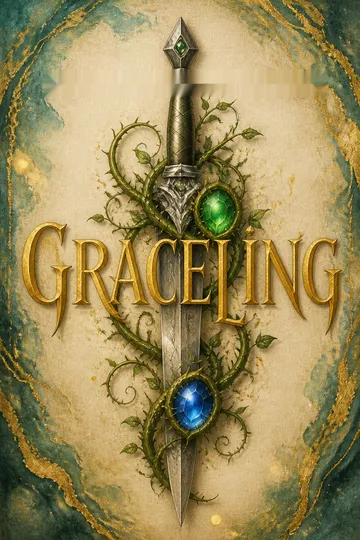
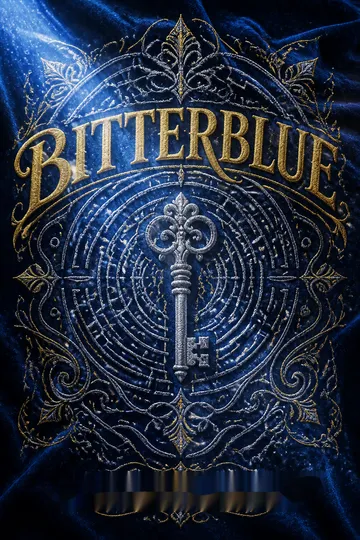
Graceling Realm Series



Download PDF
Download EPUB
.epub digital book format is ideal for reading ebooks on phones, tablets, and e-readers.








































