
Plot Summary
Tower of Secrets Unveiled
Ivy, a thief and secret riven sorcerer, is cornered in the All-Giver's tower after stopping a deadly ritual. Her companions—Stavros, Alek, and Casimir—witness her forbidden magic, which should be impossible for someone without a godlen brand. Kosmel, the god of luck and rebellion, marks her with his sigil, saving her from immediate execution and confirming her story. The group must quickly decide whether to trust Ivy or turn her in, as the city reels from the chaos unleashed by scourge sorcerers. Ivy's fate hangs in the balance, and the group's unity is tested by fear, suspicion, and the threat of the Crown's Watch.
The Riven's True Nature
Forced to confess, Ivy reveals her tragic history: as a child, her uncontrolled magic killed her sister while trying to save her mother. She's spent years suppressing her riven power, terrified of its destructive potential and the madness it brings. Her companions, shaken but moved by her honesty, debate her fate. Kosmel's intervention and Julita's ghostly presence tip the scales—she's allowed to stay, but under wary watch. Ivy's confession deepens the group's bonds, but also their anxieties, as they realize the true cost and danger of her existence.
Bargains with the King
Ivy and Stavros are summoned to King Konram, who demands answers about the scourge sorcerers' plot. Ivy spins a careful story, hiding her riven nature, while revealing the conspiracy's use of mutilated accomplices and their plans to unleash chaos. The king, pragmatic and cold, orders the group to continue their covert investigation, refusing to act without more evidence. Ivy's position is precarious—her secret safe for now, but the king's trust is conditional. The group is given magical means to communicate and meet in secret, but the threat of exposure and betrayal looms.
Confessions and Consequences
In a tense, secret meeting, Ivy recounts her life as a fugitive, her accidental killings, and her desperate attempts to suppress her magic. The group interrogates her, each wrestling with their own fears and prejudices. Casimir and Alek advocate for her, while Stavros remains skeptical but grudgingly convinced by Kosmel's divine sign and Julita's testimony. Ivy's vulnerability and determination to help sway the group. She proposes infiltrating the conspiracy from within, risking everything to earn redemption and perhaps, forgiveness from the gods.
Into the Conspirators' Web
Ivy begins her dangerous infiltration of the entomology club, the conspiracy's front. She feigns sympathy for their cause, dropping hints to attract their attention. The group supports her with research and surveillance, but the risk is immense—one misstep could mean death. Ivy's encounters with the conspirators are fraught with coded language, suspicion, and tests of loyalty. Meanwhile, the king's soldiers and magical advisors close in, but the conspirators prove elusive, using magic and cunning to stay ahead. Ivy's resolve is hardened by the knowledge that only she can get close enough to bring them down.
The Price of Power
Ivy's riven magic grows restless, punishing her for restraint with pain and blood. She's forced to relive her traumas and the cost of every choice. The conspirators demand proof of loyalty—blood sacrifices, dangerous rituals, and complicity in their crimes. Ivy walks a razor's edge, using her skills as a thief and her wits to survive. The group's trust is strained as Ivy's magic threatens to break free, and the king's patience wears thin. The gods remain silent, leaving Ivy to wonder if redemption is possible, or if she's doomed to become the monster everyone fears.
Shadows in the College
Ivy navigates the treacherous social landscape of the college, facing suspicion from nobles, scrutiny from the royal guard, and the ever-present threat of exposure. Petra, a distant royal, offers cryptic warnings, while Benedikt, once an ally, becomes a traitor, accusing Ivy to save himself. The group is shaken by betrayal, and Ivy is forced into a deadly trial to prove her loyalty. The lines between friend and foe blur, and Ivy's isolation deepens. The conspirators' magic grows more sophisticated, animating clay creatures and using daimon spirits, making the threat more insidious.
The Mask of Loyalty
Ivy is summoned to a midnight ritual, drugged, and forced to participate in violent, animalistic rites. The conspirators demand sacrifices and obedience, testing her resolve and sanity. Ivy's magic threatens to break loose, but with Julita's help, she maintains control. The initiation reveals the full extent of the conspiracy's fanaticism and their plans to overthrow the royal family. Ivy's double life becomes harder to maintain, as the cost of deception and the weight of her actions press down. The gods remain distant, and Ivy must rely on her own strength and the fragile trust of her companions.
Blood and Betrayal
Benedikt, desperate to prove himself to the conspirators, betrays Ivy, accusing her of treason. Both are chained in a cave and forced into a brutal archery duel—maim or be maimed, but not kill. Ivy, using her riven magic and Kosmel's guidance, disables Benedikt without killing him, but the victory is hollow. Benedikt is executed by the conspirators, and Ivy is left with guilt and the knowledge that even friends can become enemies. The group reels from the loss, and Ivy's resolve is tested as never before.
The Gods Remain Silent
Ivy seeks answers from Kosmel and the other gods, but receives only ambiguous signs or silence. The king demands an assassination—Ster. Torstem must die by Ivy's hand to end the conspiracy. Ivy is torn between duty, morality, and the fear of losing herself to her magic. Petra's cryptic advice and the group's support offer little comfort. Ivy prepares for the final confrontation, uncertain if the gods will aid her or if she must face the darkness alone.
The Wild Within
Ivy joins the Order of the Wild's climactic gathering, surrounded by masked conspirators and sacrificial accomplices. Torstem plans to unleash chaos and murder the royal family. Ivy, using Alek's antidote, resists the drug's effects and signals the group. She attempts to use her magic to sow chaos, but Torstem's own power counters her. Desperate, Ivy manipulates the illusions, turning Torstem into the image of the king, inciting his followers against him. The conspiracy unravels as doubt and confusion spread.
Sacrifice and Survival
Torstem, cornered by his own followers, chooses self-immolation in the bonfire rather than surrender. The Order of the Wild collapses into chaos, and Stavros leads the soldiers to round up the remaining conspirators. Ivy escapes, her hands clean of murder but her soul scarred by the ordeal. The king's orders are fulfilled, but at a cost. The group is reunited, but the future is uncertain—loyalties have shifted, and the gods' silence lingers.
The King's Command
The king rewards Ivy and the group, but the scars of betrayal and violence remain. The sacrificial accomplices are freed, but their futures are bleak. Ivy is offered a place at the college, a chance to continue her double life as the Hand of Kosmel and as an assistant. The group's bonds are tested by love, guilt, and the knowledge of what they've done. The gods remain distant, and the threat of new conspiracies lingers.
The Last Initiation
As Ivy and her companions begin to recover, a royal guard—revealed to be a daimon in a human body—arrives with a dire warning: Torstem is not truly dead, and the conspirators plan to unleash daimon-possessed clay bodies to murder the royal family. The victory is incomplete, and a new, supernatural threat rises from the ashes of the old. Ivy and her group must prepare for a final battle, relying on her chaotic magic and the fragile trust they've built.
Analysis
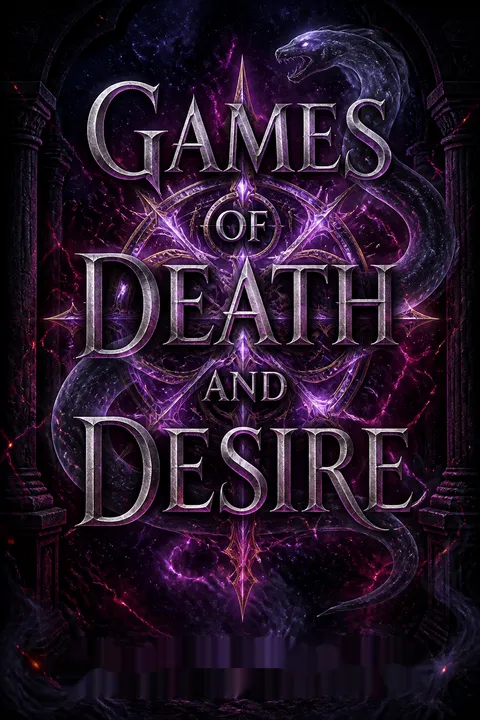
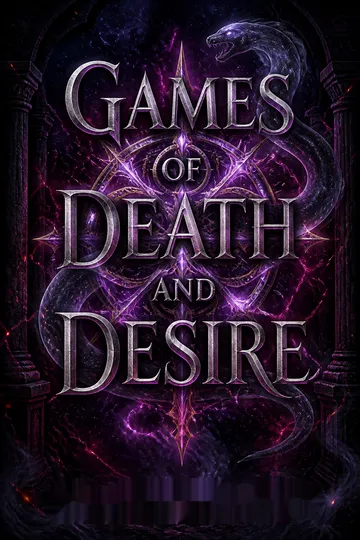
Games of Death and Desire is a dark, emotionally charged fantasy that interrogates the nature of power, sacrifice, and redemption. Through Ivy's journey, the novel explores what it means to be marked as monstrous by society—and whether one can choose to be more than the sum of their worst acts. The riven magic, with its limitless potential and devastating cost, serves as a metaphor for trauma, guilt, and the struggle for self-control. The book's central lesson is that true heroism lies not in purity or perfection, but in the willingness to face one's darkness, make hard choices, and seek connection despite fear. The gods' ambiguous presence challenges characters to find their own meaning and agency, while the ever-present threat of betrayal underscores the fragility of trust. Ultimately, the novel suggests that survival and change require both individual courage and collective support—and that the fight against fanaticism and cruelty is never truly finished. The ending, with its supernatural twist, reminds us that the past's wounds and the world's dangers are never fully vanquished, but must be faced anew with each generation.
Review Summary
Games of Death and Desire receives generally positive reviews (4.11/5), with readers praising the plot, world-building, and character development. Many enjoyed the reverse harem fantasy elements and unexpected twists, though several noted pacing issues and repetitiveness in the 500+ page book. The romance development received mixed reactions—some found it weak while others appreciated the slow burn. Benedikt's character arc and sudden betrayal/death confused many readers, who felt it was poorly handled. Readers particularly enjoyed Stavros's development and the dual narration in audiobook format. Most remain eager for the next installment.
People Also Read






Characters
Ivy Euridya
Ivy is a thief, fugitive, and secretly a riven sorcerer—one whose magic is forbidden, limitless, and ultimately destructive. Scarred by childhood tragedy, she's spent years suppressing her power, wracked by guilt and fear of madness. Ivy's journey is one of self-forgiveness and redemption, as she risks everything to infiltrate the scourge sorcerers and save the city. Her relationships—with Stavros, Alek, Casimir, and Julita—are fraught with mistrust, longing, and the hope of acceptance. Ivy's greatest struggle is not with her enemies, but with herself: can she use her monstrous power for good, or will it consume her?
Stavros
Once a celebrated general, Stavros lost his military career and his sight to a magical injury. Haunted by guilt over past failures and the death of his friend Michas, he is fiercely protective but slow to trust. His hatred of riven magic is rooted in trauma, but Ivy's courage and honesty force him to confront his prejudices. Stavros's journey is one of atonement and vulnerability, as he learns to trust Ivy and accept his own limitations. His love for Ivy is hard-won, marked by self-doubt and the fear of failing those he cares for.
Alek
Alek is a devoted academic, obsessed with uncovering lost histories and truths. His face bears the scars of a youthful mistake—an act of jealousy that ruined a rival's life and left Alek marked for all to see. He is introspective, compassionate, and deeply insecure, believing himself unworthy of love. Alek's relationship with Ivy is built on mutual understanding and acceptance of each other's flaws. His analytical mind and research skills are vital to the group's success, and his journey is one of self-acceptance and the courage to love.
Casimir
Casimir is a courtesan dedicated to Ardone, the godlen of love and pleasure. He is warm, empathetic, and skilled at reading and fulfilling others' needs. Beneath his charm lies a longing for genuine connection and a struggle with the expectations of his calling. Casimir's love for Ivy is open and generous, and he encourages her to embrace happiness despite her fears. His ability to gather information and soothe tensions makes him the group's emotional anchor, and his journey is about finding purpose beyond service.
Julita
Julita, once a noblewoman and victim of the scourge sorcerers, now lingers as a spirit within Ivy. She is clever, determined, and haunted by regrets—especially her inability to trust or love in life. Julita's presence is both a comfort and a burden to Ivy, offering guidance, friendship, and sometimes jealousy. Her arc is one of letting go, finding peace, and ensuring her mission to stop the scourge sorcerers is fulfilled. Through Ivy, she learns to value connection and forgiveness.
Ster. Torstem
Torstem is a law professor, leader of the Order of the Wild, and mastermind of the scourge sorcerers' conspiracy. He is manipulative, persuasive, and utterly convinced of his righteousness. Torstem grooms vulnerable children as sacrificial accomplices, orchestrates violent rituals, and seeks to overthrow the royal family. His power to quell anger is twisted to control and deceive. Torstem's downfall comes from his own hubris and the unraveling of the fanaticism he fostered.
Benedikt
Benedikt, the king's bastard nephew, is witty, capricious, and desperate for recognition. Feeling excluded from the group, he betrays Ivy to the conspirators, only to be discarded and executed by them. Benedikt's arc is one of self-destruction, driven by insecurity and the longing to matter. His betrayal wounds the group, serving as a cautionary tale about the cost of divided loyalties.
King Konram
King Konram is shrewd, calculating, and unflinching in his pursuit of stability. He uses Ivy and the group as tools, demanding results and ordering assassination when it suits his needs. His trust is conditional, and his morality is flexible. Konram's presence is a constant reminder of the harsh realities of power and the sacrifices demanded by leadership.
Petra
Petra is a minor royal with a keen sense of justice and subtle influence. She offers Ivy warnings and advice, hinting at knowledge of the king's plans and the dangers of blind obedience. Petra represents the possibility of moral action within the system, encouraging Ivy to find her own path rather than simply follow orders.
Rheave
Rheave, a daimon spirit forced into a clay body by the scourge sorcerers, seeks Ivy's help to escape destruction. His existence reveals the next phase of the conspiracy: using daimon-possessed bodies as weapons. Rheave's plea for help signals that the battle is not over, and that the supernatural stakes have only grown.
Plot Devices
Dual Identity and Infiltration
The narrative hinges on Ivy's ability to navigate two worlds: the noble college and the criminal underworld, the loyal assistant and the riven outcast, the trusted ally and the infiltrator among the scourge sorcerers. Her shifting identities create constant tension, as every interaction is a test of loyalty and deception. The infiltration plot device allows for deep exploration of trust, betrayal, and the cost of living a lie.
Divine Intervention and Silence
The gods, especially Kosmel, serve as both plot catalysts and sources of uncertainty. Their interventions—marking Ivy, guiding her magic, or remaining silent—foreshadow key turning points and force characters to grapple with faith, agency, and fate. The ambiguity of divine will mirrors Ivy's internal struggle and the unpredictability of magic.
Magical Backlash and Sacrifice
The riven magic's backlash—pain, blood, and the threat of madness—serves as both a literal and metaphorical device. Every use of power demands sacrifice, echoing the scourge sorcerers' mutilations and the broader theme of what must be given up for change. This device heightens stakes, foreshadows Ivy's limits, and underscores the dangers of unchecked ambition.
Masking and Illusion
Physical and magical masks, illusions, and disguises are central to the plot. They enable infiltration, sow confusion, and ultimately unravel the conspiracy. The motif of masking extends to emotional concealment—characters hide their fears, desires, and true selves, and the unmasking of these truths drives character development and plot twists.
Betrayal and Loyalty
Betrayal—by Benedikt, by the king, by the gods' silence—propels the narrative and tests the group's bonds. Loyalty, whether earned or misplaced, is constantly in question. The plot uses betrayal as both a source of danger and a crucible for growth, forcing characters to define their values and allegiances.
Foreshadowing and Prophecy
The narrative structure uses foreshadowing—divine signs, prophetic dreams, and the daimon's warning—to build suspense and signal that the battle is not truly over. The unresolved supernatural threat at the end sets up the next stage of the story, ensuring that victory is always provisional.
Rites of Possession Series Series

About the Author







Download PDF
Download EPUB
.epub digital book format is ideal for reading ebooks on phones, tablets, and e-readers.








































