
Plot Summary
Digital Shadows and Obsession
Ryker Kent, a reclusive billionaire cybersecurity genius, finds solace from his high-stakes world in late-night gaming. Behind the alias "Rogue," he becomes fixated on Kira Ellis, a passionate but struggling streamer known as "MistressOfMischief." Their digital partnership is electric, their chemistry undeniable, and Ryker's fascination quickly turns to obsession. He hacks her devices, manipulates her social feeds, and even creates thirst-trap TikToks as "GhostDaddy" to feed her fantasies. Kira, lonely and craving connection, is drawn to both Rogue and GhostDaddy, never suspecting they are the same man. The digital intimacy between them blurs the line between fantasy and reality, setting the stage for a collision neither can escape.
The Masked Stranger Revealed
Kira's anticipation for GamerCon is tinged with disappointment as Rogue again refuses to meet in person. At the convention, she encounters a Ghost cosplayer whose presence is magnetic and unsettling. When she wakes up in a luxurious, unfamiliar room, the horrifying truth dawns: Rogue, GhostDaddy, and the masked stranger are all Ryker. He has orchestrated her abduction with chilling precision, using his resources and skills to create a perfect replica of her bedroom and a compound designed for her captivity. The revelation shatters Kira's trust and sense of safety, plunging her into a nightmare where her deepest fantasies and fears are weaponized against her.
Predator's Game Begins
Ryker unveils his "game"—a series of psychological and physical challenges, each a "level" designed to break Kira's resistance and force her to confront her darkest desires. The rules are simple: obey and earn rewards, resist and face punishment. The first tasks are humiliating and invasive, stripping away Kira's autonomy and privacy. Yet, beneath her terror, a forbidden thrill stirs. Ryker's omnipresence—his knowledge of her routines, her body, her mind—makes escape seem impossible. The power dynamic is absolute, and Kira is forced to play along, her survival instincts warring with a growing, shameful arousal.
Captive in a Perfect Prison
Kira's world shrinks to the confines of Ryker's compound, a place where every detail is tailored to her tastes and triggers. The psychological warfare intensifies: Ryker alternates between cruelty and care, punishment and praise. He gamifies her existence, tracking her "health" and "energy" like stats in a video game. As days blur together, Kira's resistance erodes. She finds herself craving his approval, her body betraying her mind. The lines between captor and caretaker, pleasure and pain, begin to blur, and Kira is forced to confront the darkness within herself that responds to Ryker's dominance.
The First Level: Submission
Ryker's first "level" is a test of submission: a forced striptease and lap dance, performed under threat of punishment. Kira's humiliation is total, yet her body responds to his commands with involuntary arousal. Ryker's praise is intoxicating, and the feedback loop of reward and punishment begins to rewire her responses. The experience is both degrading and liberating, awakening desires Kira has long suppressed. For Ryker, the thrill is in her surrender—voluntary or not. The power he wields is absolute, but a new vulnerability emerges as he realizes how deeply he craves her genuine submission.
Breaking and Awakening
As the levels escalate, Kira's resistance is systematically dismantled. Ryker's psychological games force her to confess her darkest fantasies—her longing to be wanted, to be taken, to surrender control. The punishments are severe, but the rewards are euphoric. Kira is horrified by her own responses, torn between shame and pleasure. Ryker, too, is changed by the intensity of their connection; his obsession deepens into something more complex and dangerous. The game becomes a crucible, forging a bond between predator and prey that is as much about trust as it is about power.
The Maze of Fear
Ryker escalates the game with a literal maze—a labyrinth where Kira is stripped naked and hunted like prey. The fear is real, the stakes are high, and the chase is primal. When Ryker catches her, the encounter is brutal and raw, pushing Kira to the edge of her endurance. Yet, in the aftermath, a strange tenderness emerges. The hunt becomes a metaphor for their relationship: a dance of dominance and surrender, fear and desire. Kira's body betrays her, responding to Ryker's touch even as her mind recoils. The experience leaves both changed, the boundaries between them irrevocably altered.
The Forest Hunt
The next level takes Kira into the wild—a forest rigged with traps and surveillance. Ryker gives her a head start, then hunts her with calculated patience. The chase is both terrifying and exhilarating, awakening Kira's survival instincts and her deepest cravings. When Ryker finally catches her, the encounter is animalistic, their passion unleashed in the dirt and leaves. The violence of the act is matched by its intimacy; for the first time, Kira admits her desire to be claimed, to be possessed. Ryker, in turn, is undone by her surrender, his control slipping as love and obsession intertwine.
Boundaries and Surrender
As the game intensifies, Ryker introduces the concept of a safe word, giving Kira a measure of control within her captivity. The boundaries of their relationship shift: what began as non-consensual becomes a negotiated power exchange. Kira learns to articulate her needs and limits, and Ryker, for the first time, is forced to confront the possibility of losing her. Their encounters become a blend of pain and pleasure, fear and trust. The dynamic is no longer purely predator and prey, but something more nuanced—a partnership forged in darkness.
The Edge of Consent
The psychological and physical games reach their zenith as Kira and Ryker confront the truth of their connection. Kira's past trauma is unearthed, her vulnerability laid bare. Ryker, too, reveals his own scars—the childhood abuse, the need for control, the fear of rejection. In a moment of raw honesty, they confess their love for each other, acknowledging the darkness that binds them. The game is no longer about breaking Kira, but about healing together. Their love is twisted, born of obsession and pain, but it is real—and it offers the possibility of redemption.
The Unraveling of Control
Kira is given the choice to leave. Ryker, terrified of losing her, relinquishes control and returns her phone, allowing her to reconnect with her old life. She meets with her best friend Jenna, who immediately senses something is wrong. The tension between past and present, freedom and captivity, comes to a head. Kira must decide whether to return to the world she knew or embrace the darkness she has come to crave. Ryker, for his part, is prepared to let her go—but only if it is truly her choice.
Love in the Dark
Kira chooses Ryker, not as a captive, but as a partner. They renegotiate the terms of their relationship, blending normalcy with the darkness they both need. The "levels" become consensual games, a way to explore their desires safely. Kira moves in with Ryker, and together they build a life that is both ordinary and extraordinary. Their love is unconventional, forged in trauma and obsession, but it is theirs. The world may never understand, but for Kira and Ryker, the game is far from over—it has only just begun.
The Past Unearthed
Kira's past trauma—her abuse at the hands of her uncle—comes to light. Ryker, unable to tolerate the existence of anyone who has hurt Kira, uses his resources to track down and eliminate her abuser. The act is both a gift and a curse, offering Kira closure but also forcing her to confront the darkness within herself that finds comfort in Ryker's ruthlessness. The line between protector and monster blurs, and Kira must decide whether to accept all of Ryker, including the parts that terrify her.
Vengeance and Closure
Ryker orchestrates the disappearance of Kira's uncle, ensuring he will never harm anyone again. The act is clinical, efficient, and final. Kira is given the choice to witness the aftermath, to claim her own closure. The experience is cathartic, freeing her from years of fear and shame. For Ryker, it is an act of devotion—a demonstration that he will do anything to protect her. Their bond is cemented in blood and forgiveness, and together they begin to imagine a future unburdened by the past.
Choosing the Monster
Kira fully embraces her relationship with Ryker, accepting both the light and the darkness within him. She introduces him to her best friend, navigates the skepticism of the outside world, and learns to balance her need for normalcy with her craving for danger. Ryker, in turn, learns to trust Kira's agency, relinquishing some control and allowing her to shape the rules of their game. Their love is not a cure, but a collaboration—a partnership built on mutual understanding, respect, and a shared hunger for the forbidden.
A New Kind of Freedom
One year later, Kira and Ryker have built a life together that defies convention. Their relationship is a blend of domesticity and depravity, safety and risk. The "levels" continue, now as consensual explorations of their deepest desires. Kira is no longer a captive, but an equal partner—one who has found freedom in surrender and power in vulnerability. Ryker, once a predator, is now a lover and protector, his obsession transformed into devotion. Together, they have rewritten the rules of love, forging a bond that is as unbreakable as it is unconventional.
The World Watches
Kira's reunion with Jenna, her best friend, forces her to confront the reality of her choices. The outside world cannot understand the darkness she has embraced, the love she has found in Ryker's arms. Yet, Kira stands firm, refusing to apologize for the life she has chosen. She invites Jenna into her new world, risking exposure and judgment. The encounter is tense, but ultimately, Kira's happiness and agency win out. The world may never understand, but for Kira, the only opinion that matters is her own.
Game Over, Game Begins
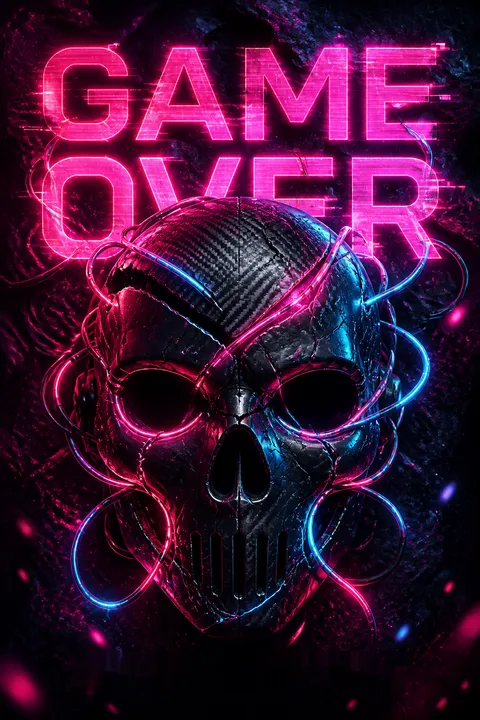
In the end, Kira and Ryker's story is not one of victim and villain, but of two broken people who found wholeness in each other. Their love is a game with no final level, a dance of darkness and light that continues to evolve. The past cannot be erased, but it can be rewritten. For Kira and Ryker, the game is never truly over—it is a lifelong quest, a journey into the unknown, and a testament to the power of love to transform even the darkest obsessions into something beautiful.
Analysis
Game Over is a provocative exploration of obsession, trauma, and the transformative power of love in the darkest of circumstances. Selena Winters crafts a narrative that is both deeply disturbing and unexpectedly tender, forcing readers to confront the uncomfortable intersections of desire, power, and agency. The novel's structure—alternating perspectives, gamified captivity, and escalating psychological tension—immerses the reader in the minds of both predator and prey, blurring the line between villain and victim. At its core, the book interrogates the nature of consent, the possibility of healing, and the ways in which love can both destroy and redeem. Kira and Ryker's relationship is not a model to emulate, but a metaphor for the human capacity to find connection and meaning in even the most broken places. The novel's refusal to offer easy answers—its willingness to dwell in ambiguity and darkness—makes it a compelling, challenging, and ultimately hopeful meditation on the possibility of freedom, even when the game seems rigged from the start.
Characters
Ryker Kent
Ryker is a billionaire cybersecurity genius whose brilliance is matched only by his darkness. Scarred by childhood abuse and a lifetime of isolation, he seeks control in all things—especially in his relationships. His obsession with Kira begins as a digital fixation, evolving into a meticulously planned abduction and psychological "game" designed to break and possess her. Ryker is both monster and savior, capable of chilling cruelty and unexpected tenderness. His journey is one of transformation: from stalker and captor to partner and protector. Through Kira, he learns vulnerability, love, and the possibility of redemption, though his darkness never fully disappears.
Kira Ellis
Kira is a passionate gamer and streamer whose online persona, "MistressOfMischief," masks a deep loneliness and unresolved trauma. Her connection with Rogue (Ryker) is the most real relationship she's ever known, making her vulnerable to his manipulation. Initially a victim, Kira's journey is one of awakening: she confronts her own desires, her capacity for submission, and the darkness within herself that responds to Ryker's dominance. Through pain and pleasure, fear and love, Kira reclaims her agency, ultimately choosing Ryker not as a captor, but as a partner. Her arc is one of survival, self-discovery, and the redefinition of freedom.
Jenna
Jenna is Kira's lifelong friend and confidante, fiercely loyal and deeply suspicious of Ryker. She represents the outside world—the voice of reason, skepticism, and concern. Jenna's presence forces Kira to confront the reality of her choices and the possibility of judgment. Though initially wary, Jenna's love for Kira is unwavering, and her willingness to accept Kira's happiness, even if she cannot understand it, is a testament to true friendship.
GhostDaddy
GhostDaddy is Ryker's TikTok persona—a masked, tattooed thirst trap designed to feed Kira's fantasies. He is both a symbol of Ryker's obsession and a tool of manipulation, blurring the line between fantasy and reality. For Kira, GhostDaddy is the embodiment of her darkest desires; for Ryker, he is a mask that allows him to express his hunger without consequence. The eventual revelation that GhostDaddy, Rogue, and Ryker are the same person is a pivotal moment, shattering Kira's trust and forcing her to confront the truth of her own desires.
Rogue
Rogue is Ryker's gaming alias, the persona through which he builds intimacy with Kira. As Rogue, he is supportive, strategic, and attentive—the perfect partner in virtual worlds. This digital intimacy is the foundation of their relationship, making Kira's eventual abduction all the more devastating. Rogue represents the best of Ryker—the part capable of connection, empathy, and love. The merging of Rogue and Ryker is symbolic of the integration of darkness and light within him.
Kira's Uncle
Kira's uncle is the source of her deepest trauma—a predator whose abuse was ignored and denied by her family. His existence haunts Kira, shaping her fears and her sense of self-worth. Ryker's decision to eliminate him is both an act of love and a demonstration of his capacity for violence. The uncle's removal offers Kira closure, but also forces her to confront the darkness within herself that finds comfort in Ryker's ruthlessness.
Kira's Mother
Kira's mother is a peripheral but powerful figure—her refusal to believe Kira's accusations of abuse is a wound that never fully heals. She represents the failure of the world to protect the vulnerable, and her absence is a constant reminder of Kira's isolation. The mother's inability to see the truth is contrasted with Ryker's unwavering belief in Kira, highlighting the difference between biological and chosen family.
Damien
Damien is Ryker's right-hand man at KentSec Systems, responsible for maintaining the illusion of Ryker's normalcy during his absence. He is efficient, discreet, and loyal, enabling Ryker's double life. Damien represents the machinery of power—the ability to manipulate reality, erase traces, and protect secrets. His presence underscores the extent of Ryker's resources and the impossibility of escape.
The Compound
Ryker's compound is more than a setting—it is a character in its own right. Designed to be both a sanctuary and a prison, it reflects Ryker's need for control and his desire to create a perfect world for Kira. Every detail is tailored to her preferences and triggers, making escape impossible and surrender inevitable. The compound is a metaphor for the relationship itself: beautiful, dangerous, and inescapable.
The Game
The "game" Ryker designs is the central plot device—a series of escalating challenges that force Kira to confront her fears, desires, and limits. The game is both a tool of control and a crucible for transformation, breaking down resistance and forging a new identity. It is a metaphor for the relationship: a dance of dominance and submission, pain and pleasure, fear and trust. The game's evolution—from non-consensual to negotiated, from punishment to play—mirrors the characters' journeys toward love and freedom.
Plot Devices
Dual Narrative and Shifting POV
The novel alternates between Ryker and Kira's points of view, immersing the reader in both the predator's and the prey's minds. This structure heightens suspense, reveals the complexity of their motivations, and blurs the line between villain and victim. The shifting perspectives allow for deep psychological exploration, exposing the contradictions, vulnerabilities, and desires that drive both characters. The reader is forced to empathize with both, even as the moral boundaries are tested and redrawn.
Gamification of Captivity
Ryker's "game" is the central plot device, transforming Kira's captivity into a series of escalating challenges. Each "level" is designed to break resistance, test limits, and awaken desire. The gamification serves multiple purposes: it provides structure, heightens suspense, and mirrors the characters' shared love of gaming. The rewards and punishments create a feedback loop that reconditions Kira's responses, blurring the line between coercion and consent. The evolution of the game—from non-consensual to negotiated—mirrors the transformation of their relationship.
Surveillance and Omniscience
Ryker's mastery of surveillance—hacking, hidden cameras, digital manipulation—creates an atmosphere of omnipresent control. Kira's every move is monitored, her privacy systematically dismantled. This device heightens the sense of inescapability and powerlessness, while also serving as a metaphor for the all-consuming nature of obsession. The surveillance is both a tool of domination and a twisted form of care, reflecting Ryker's dual role as captor and protector.
Trauma and Healing
Both Kira and Ryker are shaped by past trauma—her abuse and betrayal, his childhood violence and isolation. These wounds are not just backstory, but active forces that drive their choices, fears, and desires. The plot uses trauma as both a source of conflict and a catalyst for healing. The relationship becomes a crucible in which old wounds are confronted, re-enacted, and, ultimately, transformed. The healing is not linear or complete, but it is real—a testament to the power of love to redeem even the most broken souls.
Consent and Power Exchange
The evolution of consent is a key plot device. What begins as non-consensual captivity becomes, over time, a negotiated power exchange. The introduction of safe words, the renegotiation of rules, and the eventual choice Kira makes to stay with Ryker all serve to complicate the moral landscape. The novel interrogates the nature of consent, agency, and desire, refusing easy answers and forcing both characters—and the reader—to confront uncomfortable truths.
Foreshadowing and Symbolism
Recurring symbols—the Ghost mask, the game levels, the compound—foreshadow key revelations and mirror the characters' internal journeys. The mask represents both fantasy and concealment, the game is a metaphor for transformation, and the compound is both sanctuary and prison. These devices enrich the narrative, providing layers of meaning and emotional resonance.

Download PDF
Download EPUB
.epub digital book format is ideal for reading ebooks on phones, tablets, and e-readers.








































