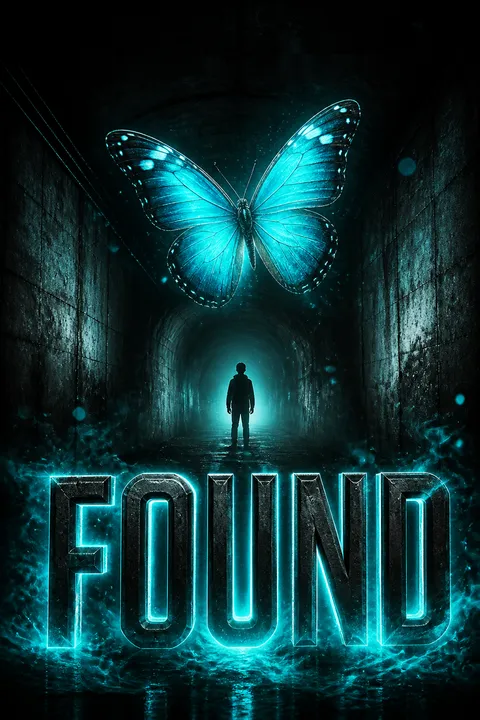

Plot Summary
Grave Secrets Unearthed
Mickey Bolitar stands at his father's grave, desperate for closure. Eight months after the fatal car crash that shattered his family, he and his uncle Myron oversee the exhumation, hoping to confirm Brad Bolitar's death. The casket's removal is tense, emotions raw, and Mickey's hope flickers—could his father still be alive? The process is clinical, but the emotional stakes are high. When the casket is finally opened at the medical examiner's office, the truth is more elusive than ever: inside are only ashes, not a body. The official paperwork, signed by Mickey's mother, authorizes cremation, but Mickey is certain something is wrong. The signature looks real, but his mother was deep in addiction at the time. The mystery deepens, and Mickey's world, already unstable, tilts further into uncertainty.
Ashes and Unanswered Questions
The revelation that Brad Bolitar was cremated, not buried, devastates Mickey. The signature on the authorization is his mother's, but she's unreachable in rehab, lost to her own pain. Mickey's trust in the adults around him erodes further. He confides in his best friend Ema, who listens without judgment, and together they try to make sense of the impossible: a missing father, a forged signature, and a system that seems designed to keep the truth hidden. The emotional toll is heavy—Mickey's grief is compounded by guilt, anger, and the gnawing suspicion that someone is covering up the real story. The only certainty is that the past refuses to stay buried, and the search for answers will demand more than Mickey ever expected.
Team Tensions Ignite
Returning to school, Mickey faces a new battlefield: the basketball court. As a sophomore invited to varsity, he's resented by upperclassmen, especially Troy Taylor and Buck. Hazing is relentless, and Mickey's only solace is the game itself—a place where pain and confusion fade, if only for a while. But even here, he's isolated, frozen out by teammates who see him as a threat. The team's fragile unity is shattered by jealousy, rivalry, and the shadow of last year's championship. Mickey's longing for belonging is palpable, but every attempt to connect is met with suspicion or outright hostility. The court, once a sanctuary, becomes another arena of conflict, mirroring the chaos in his personal life.
Ema's Vanishing Boyfriend
Ema, Mickey's closest confidante, reveals a secret: she's been in an intense online relationship with a boy named Jared. Their connection is deep, built on words and vulnerability, but when they arrange to meet, Jared vanishes without a trace. Ema is heartbroken and humiliated, convinced she's been "catfished." Mickey's protective instincts flare, but his skepticism about the relationship's reality wounds Ema. The mystery of Jared's disappearance becomes a new case for the group, entwined with the larger web of missing teens and the enigmatic Abeona Shelter. Ema's pain is raw, her trust shaken, but her determination to find the truth is unwavering. The search for Jared becomes a quest for self-worth and validation, as much as for answers.
Hazing and Heartbreak
Mickey's struggles with the basketball team intensify. Hazing escalates from petty exclusion to physical aggression, culminating in a humiliating incident where Troy intentionally injures him during practice. The team's camaraderie is a façade, masking deep-seated insecurities and rivalries. Brandon Foley, the team's other captain, tries to mediate, but his attempts at empathy only highlight the chasm between Mickey and the rest. The toxic culture of the team mirrors the dysfunction in Mickey's family and friendships. Meanwhile, Ema's heartbreak over Jared's disappearance deepens, and Spoon, their friend, remains hospitalized, paralyzed after a heroic act. The group's unity is tested as each member grapples with their own pain and isolation.
The Butterfly's Mark
Ema discovers that a butterfly tattoo on her back—the Tisiphone Abeona, symbol of the secret society that rescues children—has become permanent, despite being intended as temporary. The butterfly haunts the group, appearing in unexpected places and linking their personal struggles to a larger, mysterious mission. The Abeona Shelter's influence is pervasive, its reach extending into their lives in ways they barely understand. The tattoo becomes a symbol of destiny, burden, and belonging. Ema's sense of self is shaken, but the mark also binds her to Mickey, Spoon, and Rachel, forging a bond that transcends ordinary friendship. The butterfly is both a warning and a promise: their lives are no longer their own.
Spoon's Hospital Wisdom
Visiting Spoon in the ICU, Mickey is overwhelmed by guilt, blaming himself for his friend's injury. Spoon, ever the optimist and trivia buff, refuses to let Mickey shoulder the blame. He insists that everyone makes their own choices, and that their involvement with Abeona is a shared responsibility. Spoon's humor and resilience provide comfort, but his vulnerability is evident. The group's dynamic shifts as Spoon, despite his physical limitations, becomes a source of emotional strength and guidance. His insistence on agency and forgiveness helps Mickey begin to let go of his self-recrimination, even as the weight of their collective trauma lingers.
Bat Lady's Warnings
The enigmatic Bat Lady—Lizzy Sobek, a Holocaust survivor and legendary rescuer—reappears, offering cryptic guidance. She reveals that Mickey's father was involved in Abeona, rescuing children and making powerful enemies. The past is a labyrinth of secrets, betrayals, and unintended consequences. Bat Lady warns that not every rescue ends well, and that the cost of doing good is often paid in suffering. Her own history is a testament to survival and sacrifice, but also to the limits of heroism. The group is reminded that their mission is dangerous, and that the line between savior and victim is perilously thin. Bat Lady's presence is both reassuring and unsettling, a living link to a legacy of pain and hope.
Basketball and Betrayal
The team is rocked by scandal when Troy tests positive for steroids and is suspended. Buck, his best friend and enforcer, abruptly moves away under suspicious circumstances. Mickey is caught in the crossfire, accused by some of orchestrating Troy's downfall. The team's unity fractures further, and Mickey's dream of belonging seems more distant than ever. Troy, desperate to clear his name, turns to Mickey for help, forcing an uneasy alliance. The investigation into the drug test reveals layers of deception, ambition, and desperation. The pursuit of victory has corrupted the team, and the cost of success is measured in broken trust and shattered lives.
The Catfish Revelation
Mickey and Ema track Jared to his elite prep school, only to find he's missing. Their search leads them to Adiona Island, where they confront Jared in person. Ema quickly realizes that the boy she loved online is not the one standing before her. The real Jared was a pawn—his identity used by someone else. The truth is devastating: Buck, the team's bully and Troy's best friend, was the one behind the online persona. Buck's actions were born of pain, insecurity, and a longing for connection. Ema's heartbreak is compounded by betrayal, but also by empathy for Buck's hidden struggles. The revelation forces the group to confront the complexities of identity, forgiveness, and the masks people wear.
Tunnels and Terrors
Mickey and Ema explore the tunnels beneath Bat Lady's burned house, searching for clues about Luther—the sandy-haired paramedic who may have killed Mickey's father. The tunnels are a physical manifestation of the secrets that bind and endanger them. They encounter Luther, confirming his role as a formidable adversary. The confrontation is tense and dangerous, underscoring the stakes of their quest. The tunnels also hold evidence of past rescues and tragedies, including the story of Luther's own childhood and the trauma that shaped him. The group's courage is tested, and the boundaries between hunter and hunted blur.
The Enemy Named Luther
Luther's backstory is revealed: once a rescued child, he became embittered after witnessing the death of a boy he loved like a brother, trapped in Abeona's secret room. He blames Mickey's father for the tragedy and seeks vengeance. The cycle of rescue and retribution is laid bare, exposing the unintended harm that can result from even the noblest intentions. Luther's pain is palpable, his actions monstrous but rooted in loss. Mickey is forced to confront the reality that good and evil are not always clear-cut, and that the past's wounds can fester into present danger. The confrontation with Luther is a crucible, forging new resolve and understanding.
The Shed's Dark Secret
Mickey and Troy investigate a mysterious shed, believing it to be the source of the team's steroid scandal. Inside, they find a makeshift laboratory and a cache of urine samples—evidence of tampering with drug tests. The discovery implicates Buck's brother Randy, a local sports hero, in the distribution of performance-enhancing drugs. The web of deceit extends beyond the team, implicating families and the broader community. Mickey's involvement in the break-in is manipulated by Troy, who uses it to blackmail him into silence. The cost of truth becomes personal, as Mickey is forced to choose between integrity and self-preservation.
Buck's Hidden Truth
The truth about Buck's disappearance is finally revealed. Overwhelmed by pressure, addiction, and the fear of exposure, Buck overdoses on steroids. His family, desperate to protect his brother's future, buries Buck's body and fabricates a story about his relocation. Ema, confided in by Buck's mother, is torn between her promise of secrecy and the need for justice. Ultimately, she anonymously alerts the authorities, ensuring Buck's body is found and the truth comes to light. The revelation is devastating, but also cathartic, forcing the group to confront the consequences of silence, shame, and misplaced loyalty.
Ema's Painful Goodbye
Ema is transformed by her experience on Adiona Island. The revelation of Buck's identity as her online love, and his subsequent death, leaves her shattered. She grapples with grief, guilt, and the knowledge that her actions—however justified—contributed to the unraveling of a family. Ema's journey is one of self-discovery and resilience, as she learns to balance compassion with accountability. Her friendship with Mickey is tested but ultimately deepened by shared pain. The group's bond is forged in loss, and Ema emerges stronger, if forever changed.
Troy's Treacherous Game
Troy's return to the team is orchestrated through deceit and manipulation. He frames Mickey for the break-in at the shed, using evidence and alibis to ensure his own exoneration. Mickey is trapped, forced into complicity by the threat of exposure. The victory is hollow—Troy's ambition and cunning have secured his place, but at the cost of trust and integrity. Mickey's disillusionment is complete, and the dream of team unity is revealed as an illusion. The episode is a harsh lesson in the dangers of compromise and the corrosive power of unchecked ambition.
The Secret Room's Echo
A breakthrough comes when Mickey realizes that Bat Lady's "hearing" of his father's voice was not supernatural, but the result of sound traveling through pipes from the secret, soundproofed room beneath her house. Armed with this insight, Mickey and Myron break into the sealed chamber, discovering Brad Bolitar alive but traumatized after months of captivity. The rescue is a moment of overwhelming relief and joy, but also a stark reminder of the thin line between hope and despair. The secret room, once a place of refuge, became a prison—a symbol of the unintended consequences of even the best intentions.
Reunion in the Darkness
Mickey is finally reunited with his father, bringing him to his mother's bedside and beginning the long process of healing. The group's journey has been marked by loss, betrayal, and danger, but also by resilience, loyalty, and love. The mysteries of Abeona, Luther, and the butterfly remain, promising new challenges ahead. For now, though, the focus is on family, forgiveness, and the possibility of redemption. The darkness has not been vanquished, but a light has been kindled—a testament to the enduring power of hope.
Analysis
Harlan Coben's Found is a masterful exploration of loss, identity, and the search for belonging, set against the backdrop of a high-stakes mystery. The novel deftly weaves together personal trauma and social commentary, using the conventions of the thriller to probe deeper questions about family, friendship, and the cost of doing good. The characters are richly drawn, their psychological struggles rendered with empathy and nuance. The plot's twists and turns are not merely for shock value, but serve to illuminate the complexities of human motivation and the unintended consequences of even the best intentions. The recurring motifs of the butterfly, the tunnels, and the secret room reinforce the central theme: that the past is never truly buried, and that healing requires both courage and honesty. In a world where easy answers are elusive and the line between victim and perpetrator is blurred, Found offers a powerful meditation on resilience, forgiveness, and the enduring power of hope. The novel's ultimate message is both sobering and uplifting: we cannot save everyone, but we can choose to stand together, face the darkness, and keep searching for the light.
Review Summary
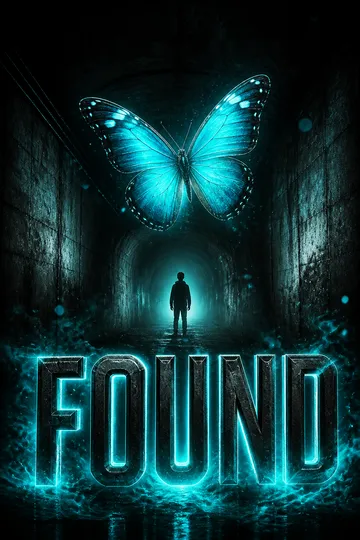
Found by Harlan Coben receives mostly positive reviews, with an average rating of 4.15/5. Readers praise the suspenseful, fast-paced plot and shocking ending, though some find it unrealistic. This third book in the Mickey Bolitar YA series follows Mickey and friends Ema, Spoon, and Rachel solving multiple mysteries while dealing with Spoon's hospitalization. Fans appreciate the character development and twisty narrative, typical of Coben's style. Critics note plot holes and an unfinished feel, with some storylines unresolved. Most agree it's best read in series order, starting with Shelter.
People Also Read


Characters
Mickey Bolitar
Mickey is a tall, athletic teenager thrust into chaos by his father's apparent death and his mother's addiction. Forced to live with his uncle, he is driven by a fierce need for truth and justice, often at the expense of his own safety. Mickey's relationships are marked by loyalty and protectiveness, especially toward Ema, Spoon, and Rachel. Psychologically, he is burdened by guilt, survivor's remorse, and a longing for belonging—on the basketball court, in his family, and among friends. Over the course of the story, Mickey evolves from a reactive, grief-stricken boy into a determined, resourceful leader, willing to confront darkness both within and without.
Ema (Emma Beaumont)
Ema is Mickey's closest friend, a goth girl with a sharp wit and a vulnerable heart. Ostracized for her appearance and weight, she cultivates an image of indifference, but craves acceptance and love. Her online relationship with "Jared" exposes her deepest insecurities and desires. Ema's journey is one of self-acceptance and courage—she faces betrayal, heartbreak, and loss, yet emerges stronger. Her loyalty to Mickey is unwavering, and her willingness to confront painful truths marks her as both brave and compassionate. Ema's development is a testament to the power of friendship and the necessity of facing one's own pain.
Spoon (Arthur Spindel)
Spoon is the group's quirky genius, obsessed with trivia and technology. Paralyzed after a heroic act, he becomes the emotional anchor for his friends, offering perspective, humor, and forgiveness. Spoon's outward eccentricity masks deep insight and resilience. He refuses to let his injury define him, insisting on agency and optimism. His role in the group shifts from sidekick to sage, guiding Mickey and Ema through their darkest moments. Spoon's psychological journey is one of acceptance, self-worth, and the recognition that even the most unlikely heroes can change the world.
Rachel Caldwell
Rachel is the school's golden girl—beautiful, talented, and admired. Beneath the surface, she is haunted by trauma: her mother's death, her own injury, and the secrets she must keep. Rachel's relationship with Mickey is complex, marked by mutual attraction, trust, and the burden of painful revelations. She struggles to reconcile her public persona with her private pain, ultimately choosing honesty over comfort. Rachel's development is a study in resilience, as she learns to confront loss, accept help, and forge her own path.
Myron Bolitar
Myron is Mickey's uncle and guardian, a former basketball star whose career was cut short by injury. He is both mentor and cautionary tale, offering guidance while grappling with his own regrets—especially regarding his relationship with Mickey's father. Myron's love is steadfast, but his inability to save his brother or prevent Mickey's suffering weighs heavily on him. Psychologically, he embodies the struggle to balance hope and realism, action and acceptance. Myron's journey is one of redemption, as he learns to forgive himself and support Mickey's quest for truth.
Troy Taylor
Troy is the basketball team's captain, popular and talented but deeply insecure. His rivalry with Mickey is fueled by jealousy and fear of being replaced. When accused of steroid use, Troy manipulates events to clear his name, even at the expense of others. His charm masks a ruthless ambition and willingness to betray. Psychologically, Troy is a study in the corrupting influence of pressure and the dangers of unchecked ego. His arc is one of moral decline, as he sacrifices integrity for victory.
Buck Schultz
Buck is Troy's best friend and enforcer, known for his aggression and cruelty. Beneath the bravado, he is tormented by insecurity, family pressure, and addiction. His online relationship with Ema reveals a capacity for vulnerability and love, but he is ultimately undone by his inability to reconcile his true self with the expectations of others. Buck's overdose and the subsequent cover-up by his family are a devastating commentary on the costs of silence and shame. Psychologically, Buck embodies the dangers of repression and the longing for acceptance.
Luther
Luther is the story's primary antagonist, a former victim of abuse rescued by Abeona but scarred by trauma. Witnessing the death of his surrogate brother in the secret room, he blames Mickey's father and seeks revenge. Luther's actions are monstrous, but rooted in profound pain and loss. He is both a cautionary tale and a mirror, reflecting the unintended consequences of even the best intentions. Psychologically, Luther is a study in the cycle of victimization and the corrosive power of unresolved grief.
Lizzy Sobek (Bat Lady)
Lizzy is the enigmatic leader of the Abeona Shelter, a living legend whose past is marked by heroism and loss. She offers guidance, warnings, and cryptic wisdom, challenging the group to confront the complexities of rescue and responsibility. Lizzy's presence is both comforting and unsettling—she embodies the weight of history and the necessity of sacrifice. Psychologically, she is a survivor, shaped by trauma but committed to hope. Her relationship with Mickey is maternal, mentoring, and at times, adversarial.
Brandon Foley
Brandon is the team's co-captain, popular and respected but caught between conflicting loyalties. He tries to mediate between Mickey and the rest, but his efforts are often misunderstood. Brandon's desire to please everyone masks his own fears and insecurities. Psychologically, he is a classic "good guy," but his reluctance to take sides or confront wrongdoing limits his effectiveness. Brandon's arc is one of gradual awakening, as he learns the limits of neutrality and the importance of standing for what is right.
Plot Devices
Dual Mysteries and Interwoven Narratives
The novel employs a dual-mystery structure: the search for Mickey's father and the investigation into Ema's missing boyfriend. These threads are interwoven with subplots involving the basketball team's steroid scandal, Spoon's injury, and the secrets of the Abeona Shelter. The narrative alternates between action and introspection, using foreshadowing, red herrings, and shifting alliances to maintain tension. The butterfly symbol recurs as a motif, linking personal struggles to the larger mission. The use of secret tunnels, hidden rooms, and coded messages reinforces the theme of buried truths and the difficulty of escape. The story's structure mirrors the psychological journeys of the characters, as they move from confusion and isolation to understanding and connection.
Foreshadowing and Symbolism
The Tisiphone Abeona butterfly serves as a symbol of transformation, destiny, and the inescapable pull of the past. Its appearance foreshadows key revelations and binds the characters to the Abeona Shelter's mission. The tunnels beneath Bat Lady's house are both literal and metaphorical, representing the hidden traumas and secrets that shape the characters' lives. The soundproofed secret room is a powerful symbol of unintended consequences—the place meant for rescue becomes a prison. The recurring motif of silence and noise (the refrigerator, the pipes) underscores the difficulty of communication and the persistence of hope.
Moral Ambiguity and the Cost of Truth
The novel resists simple dichotomies of good and evil. Rescuers become enemies, victims become perpetrators, and the pursuit of truth often leads to pain. The characters are forced to confront the limits of their own understanding and the consequences of their actions. The cost of doing the right thing is high—friendships are tested, families are destroyed, and innocence is lost. The story's resolution is bittersweet: some mysteries are solved, some wounds are healed, but the darkness is never fully banished. The lesson is clear: hope endures, but only through courage, honesty, and the willingness to face the truth, no matter how painful.
Mickey Bolitar Series

About the Author
Other books by Harlan Coben




Download PDF
Download EPUB
.epub digital book format is ideal for reading ebooks on phones, tablets, and e-readers.








































