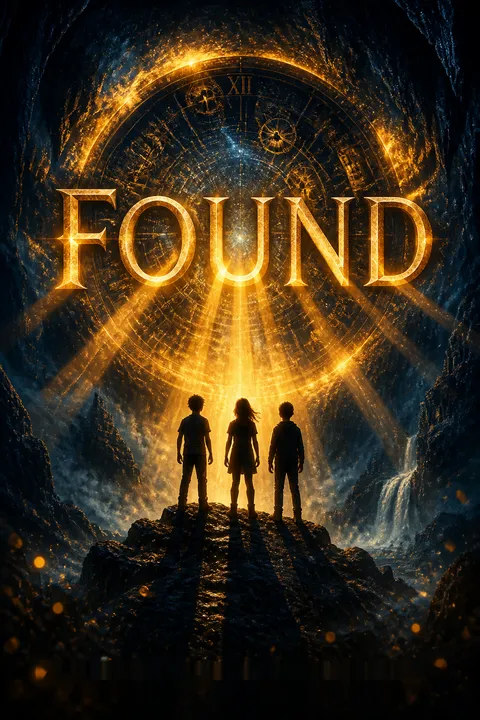

Plot Summary
The Plane That Wasn't There
Angela DuPre, a new airline employee, witnesses an impossible event: a plane materializes out of thin air at an airport gate, unregistered and unseen by radar. The plane is empty of adults but filled with thirty-six babies. Angela's attempts to report the incident are met with disbelief and suppression, and she is forced into silence. This event, shrouded in secrecy and confusion, sets the stage for a mystery that will ripple forward thirteen years, affecting the lives of children who have no memory of their extraordinary arrival. Angela's sense of unreality and the official cover-up foreshadow the deep, unsettling questions about identity and belonging that will haunt the story.
Letters from Nowhere
Thirteen years later, Jonah Skidmore, a seemingly ordinary adopted boy, receives a strange letter: "You are one of the missing." His friend Chip, who soon discovers he is also adopted, receives the same message. The letters are anonymous, brief, and deeply unsettling, sparking anxiety and curiosity in both boys. Their families are loving but unable to provide answers about their origins. The letters' arrival coincides with a growing sense of unease and the beginning of a quest for truth. The boys' confusion and fear are heightened by the realization that someone knows their secrets—secrets even they do not understand.
Secrets and Standbys
Jonah and Chip's friendship deepens as they confide in each other about their adoptions and the mysterious letters. Chip's discovery that he is adopted shakes his sense of self, leading to anger and a desperate search for answers. The boys break into Chip's family safe, finding adoption papers and a Post-it note with an FBI agent's name—James Reardon. Their investigation is clumsy but determined, and their emotional turmoil is palpable. The secrecy surrounding their origins, and the adults' reluctance to discuss the past, intensifies their need to uncover the truth, even as it threatens to upend their lives.
The Missing and the Found
Jonah receives a second letter: "Beware! They're coming back to get you." The threat feels real, and the boys' anxiety grows. They begin to suspect that the letters are not a prank but a warning. Katherine, Jonah's sister, becomes involved, offering both skepticism and support. The trio's investigation expands as they try to connect the letters to their adoptions, the FBI, and the mysterious events of their infancy. The sense of being watched and hunted pervades their days, and the boundaries between ordinary life and extraordinary danger blur.
Unraveling Identities
Jonah and Chip's quest leads them to confront their parents and the adoption agencies, but official records are sealed or incomplete. The boys' sense of alienation deepens as they realize that their very identities are constructed on secrets and lies. Katherine's perspective as a non-adopted sibling adds complexity, highlighting the universal adolescent struggle for self-definition. The trio's bond strengthens as they face the unknown together, but the lack of answers only fuels their determination to dig deeper, even as the risks mount.
The FBI Connection
Jonah's father arranges a meeting with James Reardon, the FBI agent whose name appears in both boys' adoption files. The encounter is tense and cryptic; Reardon hints at national security, immigration, and baby-smuggling rings but refuses to provide real answers. He threatens the family with deportation and legal repercussions if they pursue the truth. The meeting leaves Jonah and his family more confused and frightened than before, and the sense of a vast, hidden conspiracy grows. The children realize that the adults are powerless to protect them from forces beyond their understanding.
Ghosts in the Files
Strange events escalate: Jonah and Katherine witness a man appear and disappear in Reardon's office, and Katherine captures photos of secret files with her cell phone. The files contain lists of "witnesses" and "survivors," including Jonah and Chip's names. The children's investigation becomes a race against time as they realize that someone—or something—is manipulating events around them. The supernatural elements intensify the mystery, blurring the line between reality and the impossible. The children's courage and resourcefulness are tested as they confront dangers both seen and unseen.
The Witnesses and Survivors
The trio contacts other names from the survivors list, discovering that all are adopted, thirteen years old, and recently moved to the same area. Each has received similar threatening letters. The pattern suggests a deliberate gathering of the "missing" children, orchestrated by unknown forces. The children's sense of isolation is replaced by a fragile community of the lost, united by shared fear and confusion. The realization that their lives are not accidents but part of a larger design is both terrifying and galvanizing, pushing them to seek answers together.
The Library Rendezvous
An anonymous letter invites the children to meet at the library with Angela DuPre, the only adult witness to the mysterious plane. Their carefully planned stakeout is quickly exposed, and Angela shares her story of the plane's appearance and disappearance, the babies, and the government cover-up. Before they can process her revelations, two men—one familiar as the "janitor" from the FBI—burst in, fighting violently. The children escape through a window, but the encounter leaves them shaken and convinced that powerful, possibly supernatural, forces are at play.
Angela's Story
Angela reveals her theory: the plane was a time machine, and the babies were not from the present but from the future. She describes the insignia "Tachyon Travel," the government's desperate attempts to suppress the truth, and her own descent into obsession and paranoia. The children struggle to accept the possibility of time travel, but Angela's sincerity and the mounting evidence force them to reconsider everything they thought they knew. The story's emotional core shifts from fear to existential uncertainty, as the children grapple with the implications of being "orphans of history."
Theories of Time
The children learn about tachyons, time paradoxes, and the dangers of altering history. They realize that their existence in the present is a violation of the natural order, and that powerful factions from the future are fighting over their fate. The concepts of the "ripple" and the "paradox of the doubles" introduce the stakes: returning to their original times may be necessary to save the world, but it could also mean their deaths. The children's struggle becomes not just a search for identity, but a battle for agency in the face of cosmic forces.
The Gathering of the Lost
A county adoption conference serves as the trap: all the "survivors" are gathered under the pretense of a support event. Jonah, Chip, Katherine, and the others realize too late that they have been sorted and herded together for a purpose. The adults leading the event are revealed as agents from the future, intent on reclaiming the children. The sense of inevitability and doom is overwhelming, but the children's loyalty to each other and their refusal to be passive victims drive them to resist.
The Cave and the Choice
The children are led into a cave, which is sealed and pulled out of time—a "time hollow." Here, they are confronted by JB and Hodge, rival agents from the future, each with their own agenda. The children are told they must choose: return to the past and restore history, or go to the future and lose their memories and identities. The cave becomes a crucible of fear, confusion, and impossible decisions, as the children realize that their fates—and the fate of time itself—hang in the balance.
The Truth About the Past
Using a futuristic device called the Elucidator, the children learn their true origins: they are the missing children of history—Virginia Dare, the Princes in the Tower, Anastasia Romanov, the Lindbergh baby, and others. Each was rescued from a moment of death or disappearance and brought to the present. The emotional impact is profound: the children must confront the reality that their lives are borrowed, their families accidental, and their futures uncertain. The weight of history and the burden of sacrifice become personal and immediate.
The Battle for the Future
A violent confrontation erupts between JB, Hodge, Gary, and the children. The adults' true motives are revealed: Hodge and Gary want to take the children to the future for profit, erasing their memories; JB wants to return them to the past to heal the "ripple" in time, even if it means their deaths. Angela, once a bystander, becomes an ally, using a Taser to subdue the villains. The children, led by Jonah, seize control of the Elucidator and the Taser, asserting their agency in the face of overwhelming power.
The Elucidator's Power
With the Elucidator in hand, Jonah and his friends hold the balance of power. They demand answers, force the adults to explain, and refuse to be manipulated. The device becomes a symbol of choice and self-determination, but also of the dangers of knowledge and control. The children's unity and courage are tested as they face the ultimate decision: where—and when—do they belong? The tension between fate and free will, history and identity, reaches its peak.
The Time Hollow
The cave, suspended in a void, becomes the stage for the final confrontation. The children, adults, and Angela debate the ethics of time travel, the meaning of sacrifice, and the right to choose one's destiny. The void outside the cave is both terrifying and liberating—a blank slate on which the children can write their own futures, if only they can escape the manipulations of their would-be saviors and captors. The emotional stakes are heightened by the knowledge that any choice may have irreversible consequences.
The Orphans of History
The children grapple with the revelation that they are "orphans of history," plucked from death or disappearance and given new lives. The adults' arguments—sacrifice for the greater good versus the right to happiness—divide the group. The children's longing for family, identity, and agency collides with the demands of history and the needs of the future. The story's emotional climax is a meditation on what it means to be "found," and whether belonging is a matter of blood, time, or choice.
The Impossible Decision
With the Elucidator programmed to send them to the future, the children rebel. Jonah, Katherine, and Chip fight to seize control, risking everything to save themselves and their friends. The final choice is not between past and future, but between surrender and resistance, fate and freedom. The children's loyalty to each other, and their refusal to be passive victims, becomes their greatest strength. The story's resolution is both triumphant and bittersweet, as the children are flung into the unknown, determined to shape their own destinies.
Into the Fifteenth Century
Jonah, Katherine, and Chip, along with Alex, are sent hurtling through time, landing in the fifteenth century. The Elucidator's voice, JB's final instructions, and the children's own courage set the stage for the next chapter of their journey. The story ends on a note of uncertainty and hope: the children are lost in time, but together, and determined to find their way. The emotional arc comes full circle, from fear and confusion to agency and resolve, as the children embrace the adventure—and the danger—of being truly "found."
Analysis
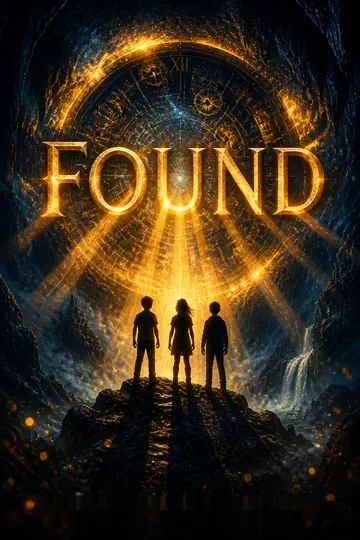
"Found" by Margaret Peterson Haddix is a masterful blend of science fiction, mystery, and coming-of-age drama, using the device of time travel to explore profound questions of identity, belonging, and agency. The novel's central metaphor—the "missing" children of history, plucked from their fates and given new lives—serves as a powerful lens for examining the universal adolescent struggle to define oneself in the face of secrets, trauma, and the expectations of others. The story's emotional arc moves from fear and confusion to solidarity and self-determination, as the children refuse to be passive victims of fate or pawns in the schemes of adults. The narrative's use of foreshadowing, shifting perspectives, and moral ambiguity invites readers to question the nature of history, the ethics of intervention, and the meaning of family. In a modern context, "Found" resonates as a parable about adoption, trauma, and the right to choose one's own path, even when the choices are impossible. The novel's ultimate message is one of hope: that even those who are "lost" can be "found" through courage, loyalty, and the refusal to surrender one's agency, no matter how overwhelming the odds.
Review Summary
Found is a thrilling sci-fi mystery that captivates readers with its unique premise and suspenseful plot. Many reviewers praise Haddix's storytelling, character development, and ability to keep them guessing. The book's exploration of adoption, family relationships, and time travel resonates with readers of all ages. While some find the pacing slow at times, most agree it's an engaging start to the series that leaves them eager for more. The cliffhanger ending and unanswered questions have readers anticipating the next installment.
People Also Read


Characters
Jonah Skidmore
Jonah is a thirteen-year-old boy who has always known he was adopted, but never questioned his origins until the arrival of the mysterious letters. His journey is one of reluctant leadership: he is cautious, skeptical, and prefers normalcy, but is repeatedly thrust into the role of protector and decision-maker. Jonah's psychological arc is defined by his struggle with identity, belonging, and agency. He is fiercely loyal to his family and friends, especially his sister Katherine and best friend Chip. Jonah's development is marked by increasing courage and self-assertion, as he moves from passive confusion to active resistance against the forces that seek to control his fate. His ultimate choice—to risk everything for his friends—cements his role as the emotional and moral center of the story.
Katherine Skidmore
Katherine, Jonah's younger sister, is not adopted but is deeply invested in her brother's quest for identity. She is quick-witted, resourceful, and unafraid to challenge authority or convention. Katherine's psychological insight and emotional intelligence make her both a skeptic and a believer, able to bridge the gap between the ordinary and the extraordinary. Her loyalty to Jonah and Chip is unwavering, and she repeatedly risks her own safety to protect them. Katherine's development is marked by her transition from bystander to active participant, and her ability to see through deception and focus on what truly matters—family, friendship, and the right to choose one's own path.
Chip Winston
Chip is Jonah's best friend and neighbor, whose discovery that he is adopted shatters his sense of self. He is impulsive, emotional, and sometimes reckless, but his vulnerability and honesty make him deeply sympathetic. Chip's psychological journey is one of moving from anger and confusion to acceptance and courage. His friendship with Jonah and Katherine becomes his anchor, and his willingness to confront danger and uncertainty is a testament to his resilience. Chip's development is defined by his search for belonging and his ultimate decision to fight for his own agency, even in the face of overwhelming odds.
Angela DuPre
Angela is the only adult who witnessed the mysterious plane's arrival and disappearance. Her life has been derailed by her obsession with the event, leading to social isolation and official discrediting. Angela is intelligent, determined, and compassionate, but also deeply wounded by years of disbelief and ridicule. Her psychological arc is one of redemption: by helping the children, she finds purpose and validation. Angela's knowledge and courage make her an invaluable ally, and her willingness to risk everything for the truth is a model for the children's own journey.
JB (Janitor Boy/Alonzo Alfred Aloysius K'Tah)
JB is a time traveler from the future, tasked with repairing the damage caused by the illegal rescue of the "missing" children. He is enigmatic, authoritative, and driven by a sense of duty to the greater good. JB's psychological complexity lies in his willingness to sacrifice individuals for the sake of history, even as he struggles with guilt and empathy. His relationship with the children is fraught: he is both their protector and their potential executioner. JB's development is marked by his gradual recognition of the children's agency and his willingness to let them try to shape their own destinies.
Mr. Hodge
Mr. Hodge is a caseworker and agent of Interchronological Rescue, representing the faction that wants to take the children to the future for adoption and profit. He is charming, persuasive, and utterly amoral, willing to erase the children's memories and identities for personal gain. Hodge's psychological profile is that of a sociopath: he is capable of empathy only when it serves his interests. His relationship to the children is predatory, and his conflict with JB is both ideological and personal. Hodge's development is static; he remains a symbol of the dangers of unchecked power and the commodification of human life.
Gary
Gary is Hodge's partner, the physical enforcer of the future faction's will. He is strong, ruthless, and loyal to Hodge, but lacks his subtlety and intelligence. Gary's psychological role is that of the brute: he is a threat to the children's safety and autonomy, and his willingness to use violence marks him as a clear antagonist. His development is minimal, serving primarily as a foil to the children's resourcefulness and courage.
James Reardon
Reardon is the FBI agent whose name appears in the boys' adoption files. He is a master of obfuscation, using bureaucratic language and threats to keep the truth hidden. Reardon's psychological profile is that of a functionary: he is more concerned with maintaining order and secrecy than with justice or compassion. His relationship to the children is adversarial, and his refusal to provide answers drives much of their quest. Reardon's development is limited, but his presence symbolizes the failure of adult authority to protect or empower the vulnerable.
Alex
Alex is one of the other "survivors," a boy whose fate becomes intertwined with Jonah, Katherine, and Chip in the story's climax. He represents the broader community of lost children, each with their own history and trauma. Alex's psychological role is that of the everyman: his reactions and choices mirror those of the group as a whole. His development is tied to the group's journey, and his ultimate fate is left unresolved, symbolizing the uncertainty and hope that define the story's end.
The Other Survivors
The other children gathered at the conference represent the collective experience of the "missing." Each is an individual with their own fears, hopes, and histories, but together they embody the themes of belonging, agency, and the search for meaning. Their psychological development is communal: as they move from isolation to solidarity, their ability to resist manipulation and assert their own choices grows. The group's fate is a microcosm of the story's central questions about identity, history, and the right to self-determination.
Plot Devices
Time Travel and the Ripple Effect
The central plot device is time travel, specifically the illegal rescue of children from moments of historical disappearance or death. The "ripple effect" is the idea that even small changes in the past can have catastrophic consequences for the present and future. The story uses time travel not as a means of adventure, but as a source of existential danger and moral ambiguity. The paradoxes of doubles, the limitations on revisiting the same moment, and the concept of "damaged time" create a complex web of rules that heighten tension and uncertainty. The Elucidator, a futuristic device, serves as both a tool and a symbol of power, choice, and the dangers of knowledge.
Foreshadowing and Mystery
The narrative is structured around a series of mysteries: the origin of the plane, the meaning of the letters, the identities of the children, and the motives of the adults. Foreshadowing is used extensively, with early hints (the plane's appearance, the sealed adoption records, the cryptic warnings) building suspense and guiding the reader toward the story's revelations. The gradual unveiling of information mirrors the children's psychological journey from confusion to understanding, and the use of unreliable narrators and shifting perspectives keeps the reader off-balance and engaged.
The Gathering and the Crucible
The adoption conference and the cave serve as narrative crucibles, forcing all the key characters into a confined space where secrets are revealed, choices are demanded, and conflicts come to a head. This device heightens emotional intensity and allows for rapid shifts in power and allegiance. The cave's transformation into a "time hollow" suspends the characters outside of time, creating a liminal space where the normal rules do not apply and the stakes are absolute.
The Power of Choice
A recurring plot device is the demand that the children choose their own fate: past, future, or resistance. The story repeatedly places agency in the hands of the young protagonists, challenging the notion that they are merely victims of circumstance. The tension between individual choice and collective responsibility is explored through debates, confrontations, and moments of crisis. The children's ultimate decision to fight for each other, rather than accept the options imposed by the adults, is both a narrative and thematic climax.
The Missing Series
Download PDF
Download EPUB
.epub digital book format is ideal for reading ebooks on phones, tablets, and e-readers.








































