
Plot Summary
Burning Chains, Shattered Trust
Ash wakes in a dirt-walled room, disoriented and in pain, his left arm gone. Nua, a fae who claims to be his brother, and Gillie, Nua's partner, tend to him. Ash's memories are fractured, his trust shattered by months of isolation and betrayal at the hands of the Carlin, the unseelie queen. Nua tries to help, even offering to take Ash's injury, but Ash refuses any debt. The pain of his missing arm is matched only by the ache of loneliness and the fear that he can trust no one. The Folk's inability to lie is little comfort; Ash's trauma runs deep, and every kindness feels like a trap. The chapter sets the tone of suspicion, grief, and the desperate need for connection.
The Wolf's Despair
Lonan, the Carlin's youngest son and secret assassin, is gravely injured after helping Ash escape. Hiding near Ash's abandoned cottage, he is consumed by guilt and longing. The pain of his wounds is nothing compared to the agony of losing Ash, who has used a vow to forget Lonan entirely. Lonan's only solace is the memory of their love, now erased from Ash's mind. He seeks help from Belial, the apothecary, enduring excruciating treatment. The chapter delves into Lonan's self-loathing, his fractured family, and the impossibility of redemption. His only purpose now is to protect Ash from afar, even if Ash will never remember him.
Wounds and Warnings
Ash struggles to adapt to his new fae body and the loss of his arm. Nua and Gillie try to care for him, but Ash's trauma makes every interaction tense. He is haunted by the Carlin's cruelty and the revelation that he is the Brid's son, a seelie prince. The Folk's cryptic warnings and visions offer little comfort. Ash's memories are unreliable, and he is tormented by the sense that something vital is missing. The chapter explores the psychological scars of captivity and the difficulty of accepting help when trust has been weaponized against him.
A New Arm, A New Life
Gillie proposes crafting a living arm for Ash, using branches and fungal magic. The process is painful and invasive, but Ash's longing for agency and normalcy outweighs his fear. The new arm, a fusion of wood and mycelium, becomes a symbol of transformation—both a physical restoration and a step toward reclaiming his identity. As Ash heals, he begins to train with weapons, determined to take revenge on the Carlin and her sons. The chapter is a turning point, marking Ash's shift from victim to hunter, even as his emotional wounds remain raw.
The Forest's Hidden Sanctuary
Life in the forest sidhe is a strange blend of comfort and vigilance. Ash slowly learns to trust Nua and Gillie, their gentle routines and small kindnesses chipping away at his defenses. Yet, the specter of the Carlin's pursuit looms large, and Ash's desire for vengeance is undiminished. The Folk's explanations of fae customs, names, and power structures deepen Ash's understanding of his heritage and the dangers he faces. The chapter explores the tension between healing and the ever-present threat of violence.
The Price of Survival
Haunted by the murder of his parents and the Carlin's atrocities, Ash becomes a hunter, picking off the Carlin's guards in the forest. His new arm and growing skill with weapons give him confidence, but also a coldness that frightens him. The line between justice and cruelty blurs as Ash embraces his fae nature. Meanwhile, the Carlin's court seethes with suspicion and brutality, her sons vying for power and favor. The chapter examines the corrosive effects of trauma and the seductive allure of violence as a means of control.
Fungal Magic and Family
As Ash recovers, he learns more about fae magic, the significance of names, and the history of the courts. Nua's confession of his own exile and the Brid's cruelty forges a deeper connection between the brothers. Gillie's visions and mushroom-induced trances provide cryptic guidance, hinting at destinies entwined with ancient powers. The chapter is suffused with themes of chosen family, the search for belonging, and the slow, painful process of learning to trust again.
The Carlin's Fury
The Carlin, enraged by Ash's escape and Lonan's perceived betrayal, unleashes her fury on her court and subjects. Her sons, especially Balor, manipulate and torment Lonan, exploiting his love for Ash as a weapon. The Carlin's power is absolute, her cruelty boundless. The chapter reveals the toxic dynamics of the unseelie court, the dangers of unchecked authority, and the ways in which love and loyalty are twisted into instruments of pain.
The Hunter's Return
Determined to retrieve his belongings from the cottage on unseelie land, Ash braves the border, evading guards and confronting the ghosts of his captivity. There, he encounters Lonan—now a stranger to him—who is devastated by Ash's inability to remember their love. The encounter is fraught with longing, confusion, and heartbreak. Ash's vow to forget Lonan is an unhealed wound, and the sense of something missing grows ever sharper. The chapter is a meditation on memory, loss, and the cost of survival.
Forgotten Faces, Unspoken Love
Lonan, risking his life, confesses his love to Ash, who cannot remember him. The pain of unrequited recognition is excruciating, but Lonan's devotion is unwavering. He warns Ash of the dangers still lurking, urging him to stay hidden. The chapter is a study in longing and the agony of being forgotten by the one you love most. It underscores the tragedy of vows and the power of fae magic to both protect and destroy.
Vows and Visions
Guided by Gillie's mushrooms, Ash seeks Ogma, the Keeper of Names, to gain his second name and break the last hold others have over him. The journey is hallucinatory, filled with strange creatures and cryptic prophecies. Ash's encounter with Ogma is both terrifying and empowering; he claims his true name and a measure of autonomy. The chapter explores the importance of self-knowledge, the dangers of forgotten vows, and the possibility of rewriting one's fate.
The Seelie Queen's Embrace
After a bold confrontation at the Midsith, Ash is claimed by the Brid, his fae mother, and brought to seelie land. The reunion is fraught with manipulation and hidden agendas. The Brid's court is a place of beauty and terror, her rule maintained through ritual sacrifice and fear. Ash is both a prize and a pawn, his power coveted and his autonomy threatened. The chapter delves into the complexities of family, the seductions of power, and the dangers of longing for acceptance from those who cannot give it.
The Ritual of Blood
At the Brid's Beltane celebration, Ash is forced to watch the ritual slaughter of innocent Folk, a display of power and contempt for life. The horror of the ritual shatters any illusions he had about the seelie court. The Brid's casual cruelty and her plans to use Ash as a weapon against her enemies become clear. The chapter is a turning point, as Ash resolves to end the cycle of violence, even if it means killing his own mother.
The Unseelie Assassin
Lonan, trapped by the Carlin's control and Balor's machinations, seeks Ogma to gain his second name and break free. The journey is desperate, driven by the need to protect Ash and atone for past failures. Ogma's bargain—trading the Carlin's true name for a future companion—sets the stage for the final confrontation. The chapter is a meditation on agency, sacrifice, and the hope of redemption.
The Oak King's Resolve
Determined to end the Brid's reign, Ash seeks the legendary Isle of Hybra to obtain Gadleg's venom, the only substance that can kill the seelie ruler. The journey is perilous, filled with ancient magic and deadly bargains. Gadleg, the serpent, grants Ash the venom in exchange for a promise to return in seven years for judgment. The chapter is a test of courage, resourcefulness, and the willingness to pay any price for justice.
The Isle of Hybra
Crossing the treacherous fingerstones to reach Hybra, Ash confronts the island's strange, sentient landscape and Gadleg herself. The serpent's bargain is enigmatic and ominous, hinting at future trials. Ash's success is hard-won, and the venom he obtains is both a weapon and a curse. The chapter is a mythic interlude, blending fae lore with personal stakes, and setting the stage for the final reckoning.
The Venomous Bargain
The price of Gadleg's venom is a promise to return for judgment, a future threat that hangs over Ash's victory. The venom is the key to killing the Brid, but the cost is unknown. The chapter explores the theme of bargains and the ways in which every victory carries its own shadow. Ash's determination is undimmed, but the consequences of his choices are only beginning to unfold.
Remembering Lonan
The breaking of Ash's vow brings a flood of memories—of Lonan, their love, and the pain of loss. The reunion is raw and cathartic, both men weeping for what was lost and what can now be reclaimed. The truth about Lonan's innocence in the death of Ash's parents is revealed, and forgiveness is offered. The chapter is a powerful exploration of memory, love, and the possibility of healing after betrayal.
The Carlin's Name
With Ogma's help, Lonan obtains the Carlin's true name, the only means to control and ultimately kill her. The knowledge is both a weapon and a burden, tying Lonan's fate to the future of the unseelie court. The chapter is a meditation on power, responsibility, and the hope of building a better world from the ashes of the old.
The King's Coronation
Ash's coronation is both a celebration and a challenge. He vows to end the cycle of violence, to rule with compassion and justice. The Folk are wary but hopeful, and Ash's relationship with Lonan is both a scandal and a symbol of change. The chapter is a moment of triumph, but also a reminder of the work still to be done. The past cannot be erased, but a new future is possible.
Summer Solstice, Winter Shadows
As Ash and Lonan settle into life at the palace, the heat of summer becomes a metaphor for the tensions simmering beneath the surface. Lonan struggles to adapt to seelie land, haunted by memories of unseelie cold and the feeling of being out of place. Ash's responsibilities as king weigh heavily, and the couple's intimacy is both a refuge and a source of anxiety. The chapter explores the challenges of building a life together after trauma, and the ways in which love must be continually chosen and renewed.
The Heat of Exile
The relentless heat and abundance of seelie land become oppressive for Lonan, who yearns for the cool darkness of unseelie. The sense of exile is acute, and Balor's taunting presence at the forest's edge is a constant threat. Lonan's love for Ash is unwavering, but the question of where he truly belongs becomes ever more pressing. The chapter is a meditation on identity, belonging, and the costs of love across boundaries.
The Holly King's Dilemma
As Ash and Lonan navigate their new roles, the specter of the Carlin's vengeance and Balor's obsession looms. The promise of crowns—oak and holly—symbolizes both hope and danger. The couple's happiness is fragile, threatened by old enemies and the unresolved question of how to unite their worlds. The chapter ends with the promise of further trials, but also the certainty that love, hard-won and fiercely defended, will endure.
The Promise of Crowns
The story closes with Ash and Lonan reaffirming their love and partnership, vowing to face whatever comes next as equals. The journey from trauma and betrayal to healing and hope is not complete, but the foundation is strong. The promise of crowns—of shared power and responsibility—offers a vision of a new era for both seelie and unseelie, one built on trust, forgiveness, and the courage to choose love in the face of darkness.
The Unseelie's Return
As the story ends, the threat of the Carlin and Balor remains. Lonan's struggle with belonging, the unfinished business of vengeance, and the looming promise of Gadleg's judgment all point to challenges ahead. But Ash and Lonan, together at last, are ready to face them. The chapter is a quiet coda, a reminder that healing is ongoing, and that the future—uncertain and dangerous—is theirs to claim.
Analysis
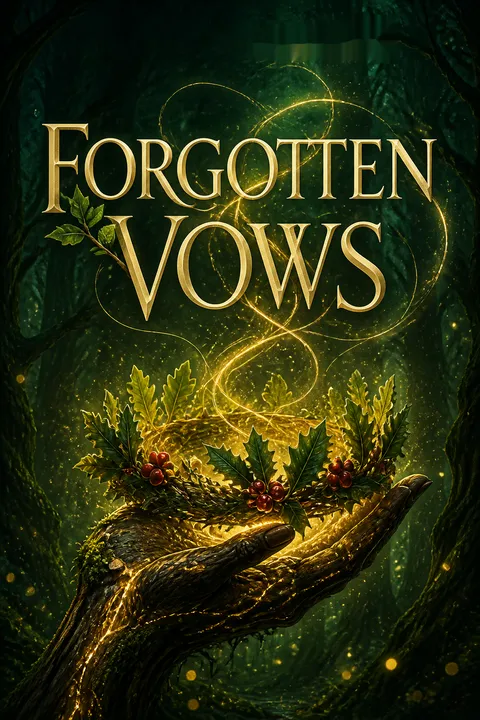
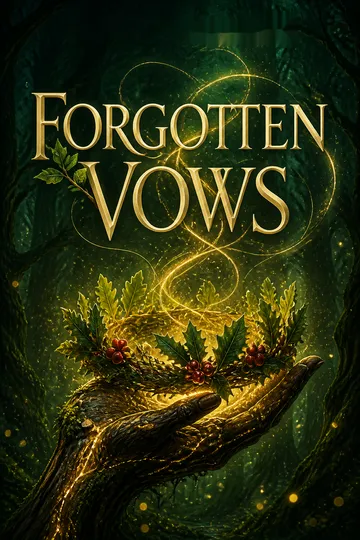
Forgotten Vowsis a story of survival, transformation, and the search for belonging in a world defined by power, trauma, and the complexities of love. At its core, the novel interrogates the costs of survival—what must be forgotten, what can be reclaimed, and what is lost forever. The fae world is a mirror for the psychological realities of trauma: the binding power of vows, the corrosive effects of betrayal, and the slow, painful work of healing. The narrative refuses easy answers, instead offering a vision of hope grounded in the messy, ongoing work of trust, forgiveness, and the courage to choose love in the face of darkness. The lessons are clear: power without compassion is hollow; healing requires both agency and vulnerability; and the future, though uncertain, is shaped by the choices we make and the promises we keep. The story's emotional arc is one of reclamation—of self, of love, and of the possibility of a better world, built not on violence and fear, but on the hard-won bonds of family and partnership.
Review Summary
People Also Read


Characters
Ash
Ash is the heart of the story—a mortal-turned-fae whose journey is marked by trauma, loss, and the slow reclamation of agency. His relationship with trust is fraught, shaped by betrayal and captivity. Ash's transformation from victim to hunter is both physical (with his new arm) and psychological, as he learns to wield power and make hard choices. His love for Lonan is a source of both pain and healing, and his eventual acceptance of his role as Seelie King is hard-won. Ash's arc is one of survival, forgiveness, and the courage to build a new life from the ruins of the old.
Lonan
Lonan is the Carlin's youngest son, trained as an assassin and weaponized by his mother's cruelty. His love for Ash is his greatest vulnerability and his only hope for redemption. Trapped by vows and the inability to defy his mother, Lonan's journey is one of desperate agency—seeking Ogma, gaining the Carlin's name, and ultimately choosing love over power. His struggle with belonging, especially in seelie land, is poignant and unresolved. Lonan's arc is defined by guilt, longing, and the hope of forgiveness.
Nua
Nua, Ash's fae brother, is a figure of quiet strength and sorrow. Banished from seelie land for refusing to kill Ash as a child, Nua finds solace with Gillie in the forest. His relationship with Ash is marked by regret and the desire to atone for past failures. Nua's knowledge of fae customs and his unwavering support are crucial to Ash's survival and growth. He embodies the possibility of chosen family and the healing power of gentleness.
Gillie
Gillie, Nua's partner, is a solitary fae with a deep connection to fungi and visions. His magic is both practical (crafting Ash's new arm) and prophetic (guiding the characters through cryptic trances). Gillie's humor and resilience provide levity and grounding. His relationship with Nua is a model of devotion and trust, and his acceptance of Ash as family is a balm to Ash's wounded heart. Gillie represents the wisdom of the forest and the importance of community.
The Carlin
The Carlin is the story's primary antagonist—a ruler whose power is maintained through fear, violence, and manipulation. Her relationship with her sons is toxic, especially with Lonan, whom she weaponizes and abuses. The Carlin's pursuit of Ash is relentless, driven by the desire to steal his power and defy the seelie. Her eventual downfall is both a personal and political reckoning, but her legacy of trauma lingers.
The Brid
The Brid, Ash's fae mother, is a figure of beauty and terror. Her rule is marked by ritual sacrifice and emotional detachment. She sees Ash as both a tool and a threat, her affection conditional and manipulative. The Brid's power over words and names is a central plot device, and her death at Ash's hands is a moment of both liberation and loss. She embodies the dangers of power without compassion.
Balor
Balor is the Carlin's favored son, a cruel and cunning manipulator. His obsession with Lonan and his role in the murder of Ash's parents make him a figure of both personal and political threat. Balor's actions are driven by jealousy and a desire for control, and his downfall is a necessary step in breaking the cycle of violence. He represents the dangers of unchecked ambition and the corrosive effects of envy.
Fioda
Fioda is a mysterious and powerful presence, guiding Ash through his coronation and the rituals of kingship. Her connection to the land and her cow Mol is both whimsical and profound. Fioda's advice is cryptic but well-intentioned, and her role as a bridge between past and future is crucial. She represents the enduring wisdom of tradition and the need for adaptation.
Gadleg
Gadleg is both a literal and symbolic force—a creature whose venom can kill the seelie ruler, and whose bargain with Ash sets the stage for future judgment. Gadleg's motivations are enigmatic, her power absolute. She embodies the dangers of ancient magic and the inevitability of reckoning.
Ogma
Ogma is the mysterious fae who records all true names and grants the power to break free from parental control. Her bargains are pivotal, enabling both Ash and Lonan to claim their destinies. Ogma's neutrality and inscrutability make her both a threat and a source of hope. She represents the power of self-knowledge and the importance of agency.
Plot Devices
Vows and Names
The narrative is structured around the fae's inability to lie and the binding power of vows. True names are both a source of vulnerability and a means of liberation; gaining a second name from Ogma is essential for breaking parental control. Vows—whether to forget, to kill, or to protect—shape the characters' fates, often with unintended consequences. The interplay of language, promise, and identity is central to the story's emotional and thematic arc.
Memory and Forgetting
Ash's vow to forget Lonan is a protective mechanism that becomes a source of agony. The loss and recovery of memory are tied to love, trauma, and the possibility of healing. The narrative uses amnesia and recovered memory to explore the costs of survival and the hope of reconciliation.
Transformation and Healing
Ash's new arm, crafted from wood and fungi, is both a literal and symbolic restoration. The process of healing—physical, emotional, and relational—is slow and painful, marked by setbacks and small victories. The story uses magical prosthetics, shifting forms, and the reclamation of agency as metaphors for the journey from victimhood to empowerment.
Duality and Balance
The narrative is structured around opposites: the warmth and abundance of seelie land versus the cold and cruelty of unseelie; the cycles of the seasons; the tension between vengeance and forgiveness. Ash and Lonan, as oak and holly kings, embody the possibility of unity across boundaries. The story interrogates the costs of imbalance and the hope of a new equilibrium.
Prophecy and Bargain
Gillie's mushroom-induced visions, Gadleg's bargain, and Ogma's prophecies all point to a future shaped by choices and consequences. The characters are both agents and subjects of fate, their actions rippling outward in ways they cannot fully control. The narrative uses prophecy and bargain to explore the tension between free will and inevitability.
Folk Series
About the Author
Other books by Lily Mayne


Download PDF
Download EPUB
.epub digital book format is ideal for reading ebooks on phones, tablets, and e-readers.








































