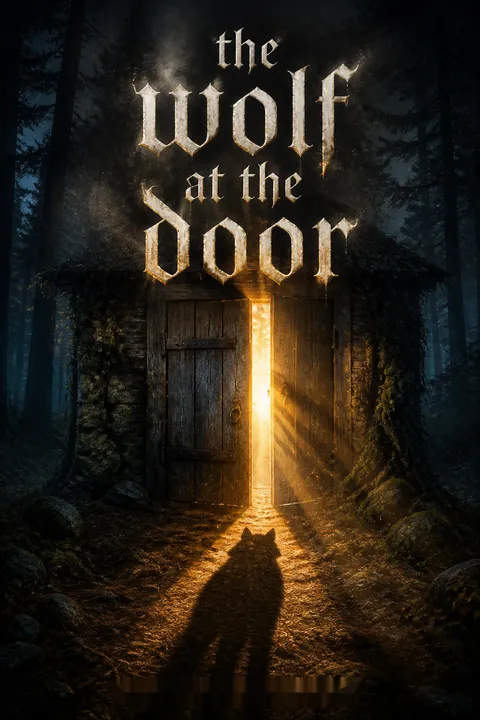

Plot Summary
Professional Hair, Secret Monsters
Cooper Dayton, a federal agent with the Bureau of Special Investigations (BSI), is introduced as he chases a suspect through the streets, his professional haircut ironically giving him away. The BSI, a secretive offshoot of the FBI, specializes in crimes involving werewolves—creatures who have recently revealed themselves to the government but remain hidden from the public. Cooper, still recovering from a near-fatal attack that left him with physical and psychological scars, is dissatisfied with the BSI's methods and the lack of closure in their cases. The world he inhabits is one where monsters are real, but the true horror lies in the bureaucracy and secrecy that surround them. Cooper's sense of alienation is palpable, setting the stage for a story about trust, identity, and the blurred lines between human and monster.
Metro Encounters and New Partners
On a groggy morning commute, Cooper has a charged encounter with a striking, broad-shouldered man on the metro. The moment is electric, filled with mutual curiosity and awkwardness, but ends in embarrassment for Cooper. Later, he's summoned to a mysterious meeting at BSI headquarters, where he learns he's being assigned a new case in rural Maine. The twist: he'll be partnered with a Trust agent—a werewolf. The new partner is none other than the man from the metro, Agent Park. Their introduction is laced with tension, humor, and the unspoken awareness of their earlier chemistry. Both men are wary, forced into an experimental partnership that neither fully trusts, but both sense the stakes are higher than just solving a case.
Wolf Crime and Unlikely Alliances
Cooper and Park are briefed on a series of gruesome murders in Florence, Maine, where the victims appear to have been killed by something with claws. The local authorities are overwhelmed, and the BSI's presence is both a relief and a source of suspicion. Cooper and Park's partnership is rocky; Cooper is defensive and skeptical, while Park is calm, enigmatic, and disarmingly candid about his werewolf identity. As they travel to Maine, they begin to piece together the victims' backgrounds, noting their physical prowess and possible connections to local wolf packs. The investigation is complicated by the insular nature of the town and the old, secretive wolf communities. The chapter sets up the central mystery and the emotional distance the two agents must bridge.
Into the Woods, Into the Past
The agents, joined by local officers, hike deep into the forest to examine the crime scene. The woods evoke memories of Cooper's childhood and his complicated relationship with his father, a small-town sheriff. The investigation is physically and emotionally taxing, with Cooper's injuries and insecurities resurfacing. Park's wolf senses provide new insights—he detects the scent of death and clues that the bodies were dumped, not killed, at the site. The discovery of a dead bear and synthetic debris adds to the mystery. The chapter explores the psychological toll of the job, the isolation of both men, and the slow, reluctant growth of trust as they navigate the literal and figurative wilderness together.
Small Town, Big Secrets
After a fruitless day, Cooper seeks solace in the local bar, where he learns more about the town's dynamics and Park's deep roots in Florence. Park's family is influential, old, and absent for the season, raising questions about his loyalties. The bar scene is a microcosm of the town's secrets—everyone knows everyone, but no one says what they mean. Cooper's interactions with locals, especially the eager Officer Miller and the sharp waitress Jenny, reveal undercurrents of jealousy, prejudice, and unspoken history. The night ends with Cooper feeling both more connected to and more alienated from his partner, as personal and professional boundaries blur.
Missing People, Missing Trust
The investigation stalls as another local goes missing, and the agents are forced to confront the possibility of a serial killer. Cooper's doubts about the BSI's methods and his own instincts grow, while Park's calm exterior begins to crack under the pressure. The two men clash over strategy, with Cooper's need for control and Park's quiet confidence creating friction. The missing person's case brings them into contact with grieving families, resentful colleagues, and a community on edge. The emotional stakes rise as Cooper's own vulnerabilities are exposed, and the partnership is tested by suspicion, miscommunication, and the ever-present threat of violence.
The Hunt for Connections
Cooper and Park dig deeper into the victims' lives, searching for connections that might explain the killings. They interview families, friends, and neighbors, uncovering patterns of masculinity, isolation, and hidden relationships. The investigation is as much about understanding the psychology of the town as it is about solving the crime. Cooper's profiling skills and Park's local knowledge begin to complement each other, and moments of genuine intimacy and humor emerge. The agents' personal histories—Cooper's strained family ties and Park's status as a pack outsider—mirror the case's themes of belonging and betrayal. The chapter is a turning point, as the agents move from suspicion to reluctant partnership.
Clues in the Wilderness
A return to the forest yields new evidence: ATV tracks, a hidden crevice, and a sense that someone is watching. Cooper's physical limitations and Park's wolf abilities are both tested as they navigate treacherous terrain and mounting danger. The agents' banter becomes more flirtatious, and their mutual attraction simmers beneath the surface. A near-fatal accident in the crevice forces Cooper to rely on Park, deepening their bond and exposing their fears. The discovery of a medical bracelet and other clues point to a conspiracy involving both humans and wolves. The chapter is charged with suspense, vulnerability, and the slow unraveling of secrets.
Traps, Tensions, and Truths
As the investigation closes in on suspects, the agents face betrayals from unexpected quarters. Cooper's trust in his colleagues is shaken, and Park's loyalty to his community is tested. The two men confront their own prejudices and fears, leading to moments of raw honesty and connection. A night of emotional and physical intimacy cements their partnership, but also raises new questions about trust, power, and vulnerability. The case takes a darker turn as the agents realize the killer may be closer than they thought, and the line between hunter and hunted blurs. The chapter is a crucible for both the mystery and the romance.
Nightfall, Confessions, and Betrayals
The agents' investigation uncovers a web of complicity involving local law enforcement, the BSI, and the Trust. Cooper's mentor, Jefferson, is implicated in the conspiracy, and the true nature of the crimes is revealed: a human orchestrating werewolf fights for profit and revenge. Park's own reasons for joining the case come to light, and both men must confront the consequences of their choices. The emotional climax is a confession of love and fear, as Cooper and Park admit their feelings and the risks they're willing to take for each other. The chapter is a reckoning, where justice, loyalty, and desire collide.
The Cage and the Mine
The climax unfolds in an underground mine, where Cooper, Park, and other victims are trapped by the true villain. The setting is claustrophobic and charged with danger, as the agents must use all their skills—and their trust in each other—to survive. Betrayals are laid bare, and the cost of justice is made explicit. The rescue is both physical and emotional, as Cooper and Park save each other in more ways than one. The chapter is a catharsis of violence, vulnerability, and the triumph of partnership over isolation.
Justice, Monsters, and Motives
With the case resolved, the agents face the fallout: public cover-ups, internal investigations, and the challenge of rebuilding trust. The true nature of monsters—human and wolf—is explored, as the community grapples with the reality of violence and the need for change. Cooper and Park's relationship is tested by external pressures and internal doubts, but their commitment to each other and to justice endures. The chapter is a meditation on forgiveness, growth, and the possibility of redemption.
Aftermath and New Beginnings
In the aftermath, Cooper and Park are offered the chance to continue working together, leading a new era of collaboration between humans and wolves. Their personal and professional partnership is solidified, as they navigate the complexities of love, identity, and responsibility. The story ends on a note of hope and possibility, with the promise of new cases, new challenges, and a future built on trust and understanding. The emotional arc comes full circle, as the agents move from isolation to connection, from suspicion to love.
Analysis
Charlie Adhara's The Wolf at the Door is a deft blend of mystery, romance, and social allegory, using the supernatural as a lens to examine the complexities of trust, identity, and justice. At its core, the novel is about the transformative power of vulnerability—how two wounded outsiders, Cooper and Park, must risk everything to find connection in a world defined by secrecy and suspicion. The murder mystery is both a gripping plot and a metaphor for the hidden wounds and prejudices that haunt individuals and communities alike. The story's emotional arc is one of healing: Cooper's journey from guarded cynicism to open-hearted love mirrors the broader hope for reconciliation between humans and wolves, law and justice, self and other. The novel's lessons are timely and resonant: that true partnership requires honesty, empathy, and the courage to confront both external monsters and the ones within ourselves. In the end, The Wolf at the Door is a celebration of the messy, beautiful work of building trust—one case, one confession, one act of love at a time.
Review Summary
The Wolf at the Door receives praise for its engaging mystery, strong chemistry between FBI agent Cooper Dayton and werewolf Oliver Park, and slow-burn romance. Readers appreciate the complex plot, humor, and unexpected twists, though some found Cooper initially abrasive. The mystery kept most guessing until the end. Several reviewers note excellent writing quality for a debut novel. Main criticisms include pacing issues, lack of Park's POV, rushed ending, and one audiobook narrator receiving poor reviews. The werewolf elements are subtle and realistic. Overall rating: 4.16/5 stars, with most recommending the series.
People Also Read
Characters
Cooper Dayton
Cooper Dayton is a federal agent with the BSI, haunted by a near-fatal attack that left him physically scarred and emotionally guarded. Raised by a small-town sheriff, Cooper is driven by a need to prove himself and a longing for acceptance. His analytical mind and dry humor mask deep insecurities about his worth, his sexuality, and his place in a world where monsters are real. Cooper's journey is one of vulnerability—learning to trust others, especially his werewolf partner Park, and to accept his own need for connection. His relationship with Park is transformative, forcing him to confront his fears and prejudices, and ultimately offering him the possibility of love and belonging.
Oliver Park
Oliver Park is a werewolf agent for the Trust, assigned to partner with Cooper on a high-stakes case. Park is calm, self-contained, and deeply empathetic, with a wry sense of humor and a keen understanding of both human and wolf worlds. Estranged from his powerful family, Park is both insider and outsider, navigating the complexities of identity, loyalty, and secrecy. His wolf nature gives him heightened senses and physical prowess, but also marks him as other. Park's relationship with Cooper is a source of both strength and vulnerability, challenging him to open up and risk his heart. His development is marked by a gradual shedding of defenses and a willingness to fight for love and justice.
Jefferson
Jefferson is Cooper's BSI partner and mentor, a seasoned agent with a reputation for patience and pragmatism. He is initially a source of stability and guidance for Cooper, but as the case unfolds, his darker motivations and prejudices are revealed. Jefferson's complicity in the crimes is a devastating betrayal, forcing Cooper to reevaluate his understanding of justice, loyalty, and the capacity for evil within those we trust. Jefferson embodies the dangers of unchecked authority and the seductive power of righteous violence.
Rudi Abouesse
Rudi is the owner of the Pumphouse bar and a powerful wolf with deep ties to the local community. She is both feared and respected, a survivor of past violence and a protector of her pack. Rudi's relationship with Park is complex, marked by mutual respect, old wounds, and unspoken history. She is a key ally in the investigation, using her influence and instincts to aid the agents. Rudi represents the strength and vulnerability of wolf culture, and her actions are driven by loyalty, love, and a fierce sense of justice.
Officer Harris
Harris is a local police officer whose tragic past—his daughter's murder by a werewolf—drives him to orchestrate a series of brutal crimes. Outwardly affable and competent, Harris is consumed by grief and a desire for vengeance, manipulating the investigation and exploiting his position to hunt and kill wolves. His actions are a chilling exploration of how trauma and prejudice can warp morality, turning victim into perpetrator. Harris's downfall is a cautionary tale about the corrosive power of hate and the dangers of unchecked authority.
Officer Miller
Miller is a young, enthusiastic officer desperate to prove himself in the small-town force. His eagerness and naivety make him both endearing and vulnerable, and he becomes an unwitting pawn in the larger conspiracy. Miller's fate is a stark reminder of the collateral damage caused by secrets, ambition, and the failure of institutions to protect their own.
Sam Whittaker
Sam is a local werewolf and former high school wrestling star, whose complicated friendship with missing victim Robbie Gould is central to the case. Sam is loyal, passionate, and haunted by secrets—his sexuality, his wolf identity, and his feelings for Robbie. His journey is one of survival, self-acceptance, and the struggle to protect those he loves. Sam's vulnerability and courage make him a poignant counterpoint to the hardened agents and the violence surrounding them.
Robbie Gould
Robbie is the missing local whose disappearance sets the investigation in motion. Once a promising athlete, Robbie's life has been marked by disappointment, addiction, and a longing for respect. His relationships—with his mother, with Sam, with the town—are fraught with unspoken pain and unmet expectations. Robbie's fate is a catalyst for the story's exploration of masculinity, vulnerability, and the cost of secrets.
Chief Melissa Brown
Chief Brown is the head of Florence's police department, struggling to maintain order in the face of escalating violence and institutional mistrust. She is pragmatic, compassionate, and caught between loyalty to her officers and the need for justice. Brown's interactions with Cooper and Park highlight the challenges of leadership, the limits of authority, and the importance of empathy in law enforcement.
Margaret Cola
Cola is the enigmatic head of the Trust, the organization representing werewolves to the government. She is shrewd, charismatic, and fiercely protective of her people. Cola's role in orchestrating the partnership between Cooper and Park is both political and personal, reflecting her belief in the possibility of change and the necessity of collaboration. She is a symbol of hope, resilience, and the ongoing struggle for acceptance and equality.
Plot Devices
Dual Perspective and Mismatched Partners
The story is structured around the alternating perspectives and emotional journeys of Cooper and Park, whose differences in background, identity, and approach to justice create both conflict and chemistry. Their forced partnership is a classic "odd couple" device, but with the added complexity of species, trauma, and institutional mistrust. The narrative uses their evolving relationship to explore themes of prejudice, vulnerability, and the possibility of connection across divides.
Mystery Structure and Red Herrings
The central plot is a murder mystery, with clues, suspects, and red herrings carefully deployed to keep both the characters and the reader guessing. The investigation is complicated by the insularity of the town, the secrecy of the wolf community, and the hidden agendas of both allies and enemies. Foreshadowing is used to hint at deeper conspiracies, and the eventual reveal of the true villain is both surprising and thematically resonant.
Trauma, Healing, and Emotional Arc
Both Cooper and Park are marked by trauma—Cooper's physical scars and emotional guardedness, Park's estrangement from his family and outsider status. Their journey is as much about healing as it is about solving the case. The narrative uses their growing intimacy, moments of vulnerability, and eventual confessions of love to parallel the process of recovery and the risk of opening oneself to another.
Symbolism and Setting
The Maine wilderness is more than a backdrop; it is a symbol of the characters' internal landscapes—untamed, dangerous, and full of hidden depths. The recurring imagery of forests, caves, and mines reflects the themes of secrecy, entrapment, and the search for truth. The motif of transformation—both literal (werewolf shifts) and metaphorical (emotional growth)—underscores the story's exploration of identity and change.
Social Commentary and Allegory
The novel uses the werewolf metaphor to explore issues of prejudice, marginalization, and the dangers of institutional secrecy. The BSI's methods, the Trust's politics, and the town's insularity all serve as allegories for real-world dynamics of power, discrimination, and the struggle for acceptance. The story interrogates the meaning of justice, the limits of loyalty, and the necessity of confronting one's own biases.
Big Bad Wolf Series
Download PDF
Download EPUB
.epub digital book format is ideal for reading ebooks on phones, tablets, and e-readers.








































