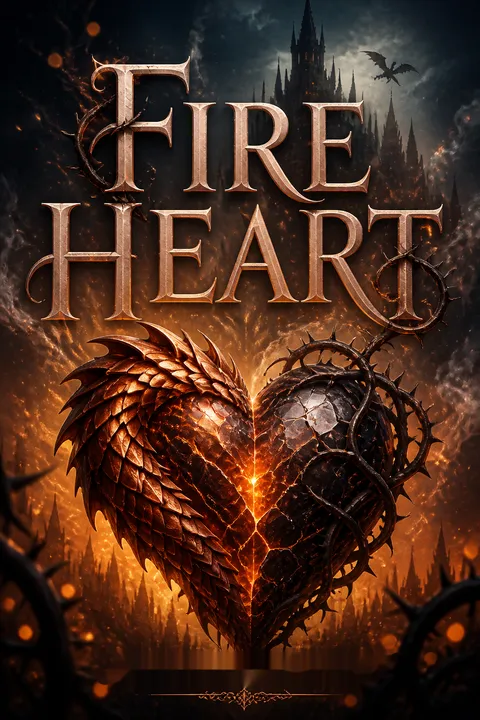

Plot Summary
Shadows Over Tenebrous
In the mist-shrouded city of Tenebrous, Lorelei ekes out a living, haunted by the memory of her mother's execution at the hands of the Umbral King's dragon. She hides her elven heritage, wary of the King's magical enforcers, the Umbral Knights. Goliath, a dwarf and friend, urges her to join the rebellion, but Lore is reluctant—her mother's sacrifice for the cause left her with nothing but scars and fear. The city's people cower under the shadow of the dragon, and hope is a dangerous luxury. Yet, the rebellion's call and the memory of her mother's last words—"Let the sun rise"—linger in Lore's heart, a spark waiting for kindling.
Dragon's Flight, King's Rule
Abraxas, the last dragon, is bound to the Umbral King, Zander, by ancient magic and the threat to his unborn kin—dragon eggs locked away by the King. Zander is vain, capricious, and obsessed with power, using Abraxas as both weapon and symbol. The King's rule is absolute, enforced by the soulless Umbral Knights. Abraxas, forced to play the monster, soars above the city, his freedom an illusion. He is both feared and pitied, a relic of a dying age, and his only solace is the sky. Yet, the King's cruelty and the weight of his own complicity gnaw at him, setting the stage for rebellion.
Rebellion's Reluctant Daughter
Pressured by Goliath and the rebellion's leader, Margaret, Lore is blackmailed into joining a plot to assassinate the King. The rebellion's plan: send Lore, a half-elf, into the King's upcoming bride selection, hoping her hidden magic will let her get close enough to kill him. Lore is torn between survival and the legacy of her mother, but the threat of exposure—and the memory of her mother's fiery death—leave her no choice. She is thrust into a world of intrigue, forced to play a part she never wanted, her difference now her only weapon.
Chains of Fire and Gold
In his lair, Abraxas is tormented by the King's cruelty. Zander wields the dragon's hope—two enchanted eggs, the last of Abraxas's kind—as leverage, killing one to remind Abraxas of his powerlessness. The dragon's rage is impotent; he is bound by magic and the threat to his unborn kin. The King's plans for a bride are revealed as another means of control, and Abraxas is forced to watch, helpless, as the King toys with lives for his amusement. The dragon's grief and guilt deepen, but a flicker of rebellion stirs within him.
The Leshy's Bargain
To prepare for her role as a bride, Lore is sent to Borovoi, a leshy—an ancient forest spirit—who helps her embrace her heritage and weaponizes her difference. Through visions and painful memories, Lore is reminded of the magical world lost to the King's tyranny. Borovoi's magic transforms her, making her irresistible to the King, but also awakening her own power. The cost is high: Lore must confront her trauma and accept that her survival—and the rebellion's hope—depend on her willingness to become both weapon and bait.
A Party of Masks
At a magical party thrown by Borovoi, Lore and Abraxas cross paths, neither knowing the other's true identity. Their encounter is electric—Lore's starlit magic draws Abraxas, and his presence unsettles her. Both are playing roles: Lore as the mysterious bride, Abraxas as the King's shadow. The party is a stage for intrigue, alliances, and rivalries among the brides. Lore's magic makes her stand out, catching the King's eye and setting her on a collision course with fate. The first seeds of connection—and conflict—between Lore and Abraxas are sown.
Starlight and Smoke
Chosen as a favorite, Lore is swept into the castle with the other brides. The journey is perilous—an ambush leaves several dead, and the dragon's intervention saves Lore and her new friend, Beauty. In the castle, Lore navigates a world of luxury and danger, where magical creatures are trophies and the King's power is absolute. She finds unlikely allies in Beauty and a captive pixie, but the threat of exposure is constant. Abraxas, drawn to Lore, watches her with growing fascination, even as he remains the King's reluctant enforcer.
The King's Game Begins
The King's bride selection is a series of cruel games—hunts, feasts, and challenges designed to weed out the weak and entertain the court. Lore's skills and difference set her apart, but also make her a target. Abraxas, torn between duty and desire, begins to question his loyalty to the King. The rebellion's plans grow more desperate, and Margaret's manipulations force Lore into ever greater danger. The castle becomes a crucible, forging alliances and rivalries, and pushing Lore and Abraxas closer together.
The Brides' Deadly Journey
The brides' journey is marred by violence—ambushes, betrayals, and the ever-present threat of the Umbral Knights. Lore's abilities save lives, but also draw suspicion. Beauty's kindness becomes a lifeline, and the two form a bond that transcends the competition. Abraxas's true nature is revealed to Lore, shattering her trust and forcing both to confront the pain of their pasts. The King's cruelty escalates, and the rebellion's plans teeter on the brink of failure. The cost of survival grows ever higher.
Blood on Marble Steps
After a failed assassination attempt, Lore is exposed and thrown into the dungeon. The King's brutality is laid bare—he tortures Lore, intent on making an example of her. Abraxas, desperate to save her, is forced to choose between his eggs and the woman he has come to care for. The rebellion's true nature is revealed—Beauty is an agent, and Margaret's plans are more ruthless than Lore imagined. In the darkness of the dungeon, Lore and Abraxas confess their truths, forging a bond of pain, hope, and defiance.
The Castle's Living Wounds
The rebellion launches a full assault on the castle, raining arrows and chaos. Abraxas shields the survivors, suffering a near-fatal wound from a magical weapon. Lore, freed by Beauty and the rebellion, must choose between escape and vengeance. The castle is a battlefield, its walls echoing with the cries of the dying and the desperate. The cost of rebellion is steep, and the line between hero and monster blurs. Lore's resolve hardens—she will see the King fall, no matter the price.
Pixie in a Jar
In the aftermath, Lore finds solace and purpose in small acts of kindness—freeing a captive pixie, comforting Beauty, and tending to Abraxas's wounds. The rebellion regroups, and new plans are laid. The castle's prisoners—magical creatures and mortals alike—become symbols of the world the King tried to destroy. Lore's actions inspire hope, but also fear. The rebellion's leaders debate the future, and Lore is thrust into a new role—not just as assassin, but as a beacon for the oppressed.
Dinner with Enemies
At a tense dinner, Lore is forced to confront the prejudice and ignorance of the court. The other brides mock magical creatures, and Lore's isolation deepens. Abraxas, now openly drawn to her, offers comfort and understanding. Their connection grows, but so does the danger. The King's suspicions mount, and the rebellion's plans become more urgent. The lines between friend and foe blur, and Lore must decide who to trust—and who to betray.
Storms and Secrets
A storm rages outside as Lore and Abraxas share a moment of vulnerability and longing. Their feelings for each other deepen, but the weight of their secrets threatens to tear them apart. Beauty's true allegiance is revealed, and the rebellion's plans take a dangerous turn. The King's paranoia grows, and the castle becomes a prison. Lore must choose between her heart and her duty, knowing that either choice could mean death.
The Hunt's True Prey
The King's hunt is a deadly spectacle, designed to expose and eliminate threats. Lore's skills save lives, but also reveal her true nature. Abraxas, forced to reveal his dragon form, is confronted by Lore's hatred and grief—he is the dragon who killed her mother. Their bond is shattered, and both are left reeling. The rebellion's plans falter, and the King tightens his grip. The cost of vengeance becomes clear, and Lore must decide what she is willing to sacrifice.
The Dragon Revealed
In the aftermath of the hunt, Lore and Abraxas confront their shared pain. Abraxas confesses the truth of his bondage and the eggs, and Lore is forced to see him as more than a monster. Their reconciliation is fragile, built on mutual suffering and the hope of redemption. The rebellion's leaders demand more, and Lore is given a grimdag—a cursed blade—to ensure the King's death. The stage is set for the final confrontation, and the fate of the kingdom hangs in the balance.
The Weight of Vengeance
Lore is captured and tortured by the King, her resolve tested to the breaking point. Abraxas, freed by Beauty's intervention, must choose between his eggs and the woman he loves. The rebellion's true face is revealed—ruthless, pragmatic, and willing to sacrifice anyone for victory. Lore, broken but unbowed, clings to the memory of her mother and the hope of a better world. The final battle looms, and the cost of vengeance becomes unbearable.
The Rebellion's True Face
Beauty reveals her true allegiance, and the rebellion's plans are laid bare. Lore is given one last chance to kill the King, armed with the grimdag and the knowledge that her actions will shape the future. Abraxas, torn between love and duty, prepares to make the ultimate sacrifice. The castle is a powder keg, and the rebellion's leaders are ready to seize power. The lines between hero and villain blur, and Lore must decide what kind of leader she will become.
The Dragon's Dilemma
Abraxas, freed from the King's control, must choose between saving Lore and preserving his unborn kin. The eggs, symbols of hope and loss, become the price of freedom. The rebellion's assault on the castle is brutal, and Abraxas's power is both weapon and shield. Lore, armed with the grimdag, prepares for the final confrontation. The cost of victory is steep, and the future is uncertain.
The Hoard's Deadly Test
The King's last game is a deadly test—he sends the brides to steal from the dragon's hoard, knowing the cost could be their lives. Lore, Beauty, and the others face Abraxas's wrath and the magic of the enchanted box. Lore's attempt to open the box nearly kills her, but she glimpses the eggs and understands the depth of Abraxas's sacrifice. The test is a crucible, forging new alliances and revealing the true cost of power.
The Box of Sorrows
The enchanted box, holding the last dragon eggs, is both prison and hope. Lore's attempt to open it nearly kills her, and Abraxas is forced to reveal the truth of his bondage. The eggs are the price of his obedience, and the King's cruelty is laid bare. Lore and Abraxas, united by pain and hope, vow to fight for a future where both dragons and elves can be free. The rebellion's plans accelerate, and the final confrontation draws near.
The Dungeon's Despair
Lore, broken and imprisoned, is visited by Abraxas, who offers comfort and hope. Their bond deepens, forged in suffering and the promise of a better world. Beauty reveals the rebellion's final plan—a desperate gambit to free Lore and kill the King. The cost of failure is death, but the hope of freedom is worth the risk. Lore, armed with the grimdag and the memory of her mother, prepares for the final battle.
The King's Last Game
The King's wedding is a spectacle of power and cruelty, designed to cement his rule and crush the rebellion. Abraxas, wounded but defiant, creates a distraction, while Beauty and Margaret orchestrate Lore's escape. The castle is a battlefield, and the fate of the kingdom hangs in the balance. Lore, healed by moonlight and driven by vengeance, prepares to face the King one last time.
The Grimdag's Edge
Armed with the grimdag, Lore confronts the King in a final, brutal battle. The blade's magic is both curse and salvation, binding the King's soul and ending his reign of terror. The rebellion seizes the castle, and the mortals are driven out. Lore, hailed as a hero, is thrust into a new role as leader and symbol of hope. The cost of victory is high, and the wounds of the past linger.
The Sun Rises
In the aftermath, Lore and Abraxas find solace in each other, their bond forged in fire and blood. The rebellion claims the castle, but the future is uncertain—the King survives, and the eggs remain locked away. Lore is hailed as a queen, but the battles are only beginning. The promise of a new age—of sun, starlight, and dragons—hangs in the balance, and the story ends with hope, love, and the knowledge that the fight for freedom is never truly over.
Analysis
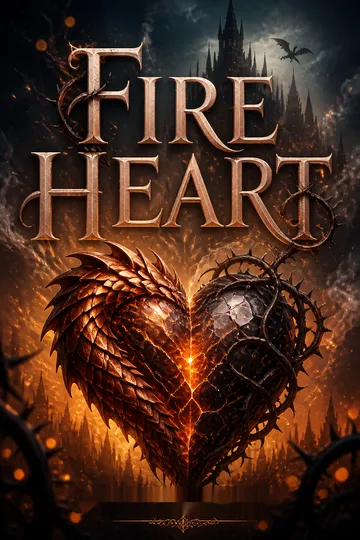
A tale of trauma, hope, and the cost of freedomFire Heart is a dark, emotionally charged fantasy that explores the legacy of trauma, the dangers of power, and the possibility of redemption. At its core, the novel is about survival—of self, of hope, of a people on the brink of extinction. Lore and Abraxas are both victims and agents, forced to navigate a world that sees their difference as threat. Their journey is one of painful self-discovery, mutual healing, and the forging of a new identity from the ashes of the old. The novel interrogates the cost of vengeance—how the pursuit of justice can become its own form of bondage—and the danger of becoming what one hates. Yet, it is also a story of hope: of small acts of kindness, of the power of love to heal even the deepest wounds, and of the possibility of a new dawn. In a world where power corrupts and difference is punished, Fire Heart asks what it means to be free—and whether freedom is worth the price. The lesson is clear: the fight for a better world is never over, but it is always worth waging.
Review Summary
Fire Heart receives mixed reviews, with ratings ranging from 1 to 5 stars. Positive reviews praise the world-building, magical elements, and dragon-human romance. Criticisms include underdeveloped characters, plot holes, and rushed pacing. Some readers enjoy the fantasy elements and romance, while others find the writing style lacking and the plot predictable. The book is often compared to other YA fantasy series. Many reviewers express interest in continuing the series despite its flaws, while others feel disappointed and unlikely to read further.
People Also Read
Characters
Lorelei (Lore) of Silverfell
Lore is a half-elf, orphaned by the King's cruelty and forced to hide her heritage in a world that fears and hunts magical beings. Scarred by her mother's execution, she is fiercely independent, pragmatic, and slow to trust. Blackmailed into the rebellion, Lore is both weapon and pawn, her difference both curse and power. Her journey is one of reluctant heroism—she is driven by survival, not glory, and her emotional arc is shaped by trauma, guilt, and the slow rekindling of hope. Her relationship with Abraxas is fraught—he is both the monster of her nightmares and the only one who truly sees her. Lore's development is a painful forging: from victim to assassin to symbol of a new age, her fire heart is both her burden and her gift.
Abraxas
Abraxas is the last of his kind, bound to the Umbral King by ancient magic and the threat to his unborn kin—dragon eggs locked away as leverage. Outwardly fearsome, he is inwardly tormented by guilt, grief, and the loss of his people. Forced to serve as the King's weapon, Abraxas is both complicit and captive, his rage impotent and his hope fading. His relationship with Lore is transformative—she awakens his conscience and his longing for connection. Abraxas's arc is one of painful self-discovery: he must choose between his own kind and the greater good, between vengeance and love. His ultimate act of rebellion is not violence, but sacrifice and hope.
Zander, the Umbral King
Zander is a study in narcissism and cruelty, obsessed with power and legacy. He wields Abraxas as both weapon and symbol, and his rule is enforced by the soulless Umbral Knights. Zander's charm is a mask for insecurity and brutality—he delights in games, cruelty, and the suffering of others. His relationship with Abraxas is one of dominance and sadism, and his pursuit of a bride is another means of control. Zander's psychological complexity lies in his need for validation and his terror of irrelevance. His downfall is his inability to see others as real, and his legacy is one of ruin.
Margaret
Margaret is the rebellion's architect, a survivor hardened by loss and betrayal. She is pragmatic, cunning, and willing to sacrifice anyone—including Lore—for the cause. Her relationship with Lore is complex: part mentor, part antagonist, she sees Lore as both weapon and legacy. Margaret's psychological depth lies in her capacity for both care and cruelty—she is driven by grief, guilt, and the desperate hope for a better world. Her development is a cautionary tale of revolution: the line between savior and monster is thin.
Beauty
Beauty is Lore's closest friend among the brides, a mortal woman whose kindness and courage mask her true allegiance to the rebellion. She is empathetic, resourceful, and quietly brave, providing emotional support and practical aid. Beauty's role as a double agent is a source of tension and guilt—she is torn between loyalty to the cause and her genuine affection for Lore. Her arc is one of self-discovery: she learns to balance duty and compassion, and her actions are pivotal in the rebellion's success.
Borovoi
Borovoi is a forest spirit, one of the last of his kind, who aids Lore in embracing her heritage and weaponizing her difference. He is wise, mournful, and deeply connected to the lost magical world. Borovoi's relationship with Lore is that of mentor and guide, helping her confront her trauma and reclaim her power. His psychological depth lies in his grief for a vanished world and his hope for renewal.
Goliath
Goliath is a dwarf, Lore's first friend in Tenebrous, and a steadfast supporter of the rebellion. He is practical, humorous, and fiercely loyal, providing both comic relief and emotional grounding. Goliath's role is that of the everyman—he represents the ordinary people caught in the crossfire of power. His development is one of quiet heroism: he believes in hope, even when others have given up.
The Umbral Knights
The Umbral Knights are magical constructs, animated by dark magic and the King's will. They are both weapon and warning, enforcing the King's rule with unfeeling brutality. Psychologically, they represent the dehumanizing effects of power and the loss of agency. Their presence is a constant threat, and their eventual defeat is both literal and symbolic.
The Pixie
The pixie, freed by Lore, is a minor but potent symbol of the magical world's resilience. Her presence provides moments of levity and wonder, and her actions—helping Abraxas and Lore—are small acts of rebellion. Psychologically, she represents the power of kindness and the importance of small victories.
The Grimdag
The grimdag is more than a weapon—it is a character in its own right, a vessel for the pain and rage of a dying people. Its magic is both curse and salvation, binding souls and exacting justice. Psychologically, it represents the cost of vengeance and the danger of becoming what one hates.
Plot Devices
Dual Protagonists and Mirrored Trauma
The novel employs a dual protagonist structure, alternating between Lore and Abraxas. Both are haunted by loss, bound by forces beyond their control, and forced to confront the cost of survival. Their arcs mirror and intersect, creating a narrative of mutual healing and sacrifice. The use of mirrored trauma—Lore's loss of her mother, Abraxas's loss of his kind—deepens the emotional resonance and drives the plot toward their eventual union.
Enforced Proximity and Reluctant Alliance
The plot is driven by enforced proximity—Lore and Abraxas are forced together by circumstance and manipulation. Their initial antagonism gives way to reluctant alliance, and eventually, to love. This device heightens tension, deepens character development, and provides a framework for exploring themes of trust, forgiveness, and redemption.
Magical Constraints and Symbolic Objects
The dragon eggs, the grimdag, and the enchanted box are central plot devices, each symbolizing hope, vengeance, and bondage. The eggs are both literal and metaphorical—Abraxas's hope and the King's leverage. The grimdag is a weapon of last resort, its magic both curse and salvation. The enchanted box is a prison, its unbreakable magic a symbol of the cost of power. These objects drive the plot, shape character choices, and embody the story's central themes.
Rebellion and Betrayal
The rebellion is both savior and monster, its leaders willing to sacrifice anyone for victory. Betrayal is a constant threat—Beauty's double agency, Margaret's ruthlessness, the King's manipulations. The plot is driven by shifting alliances, moral ambiguity, and the question of what is worth fighting for. The line between hero and villain is blurred, and the cost of victory is never clear.
Foreshadowing and Cyclical Structure
The phrase "Let the sun rise" is a recurring motif, foreshadowing both hope and sacrifice. The story's structure is cyclical—beginning and ending with the promise of a new dawn, but the knowledge that the fight is never truly over. The use of prophecy, memory, and repetition deepens the narrative's emotional impact and reinforces its central themes.
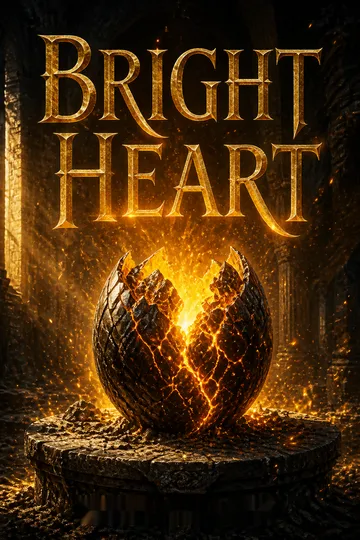
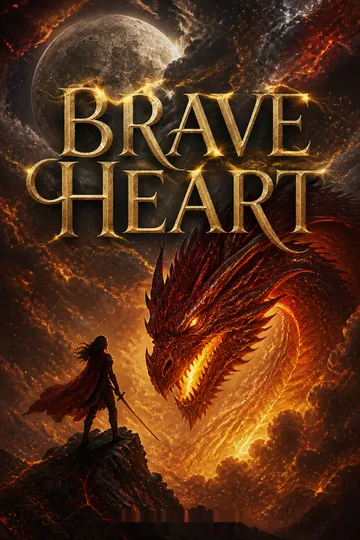
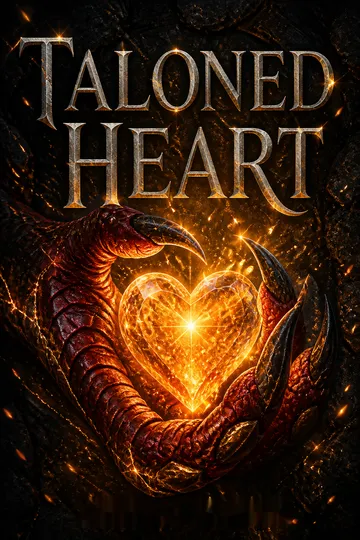
The Dragon of Umbra Series

About the Author
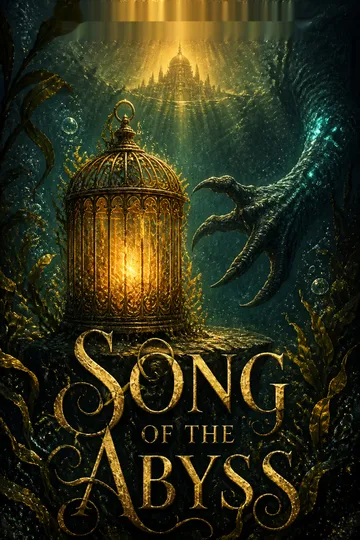
Other books by Emma Hamm

Download PDF
Download EPUB
.epub digital book format is ideal for reading ebooks on phones, tablets, and e-readers.








































