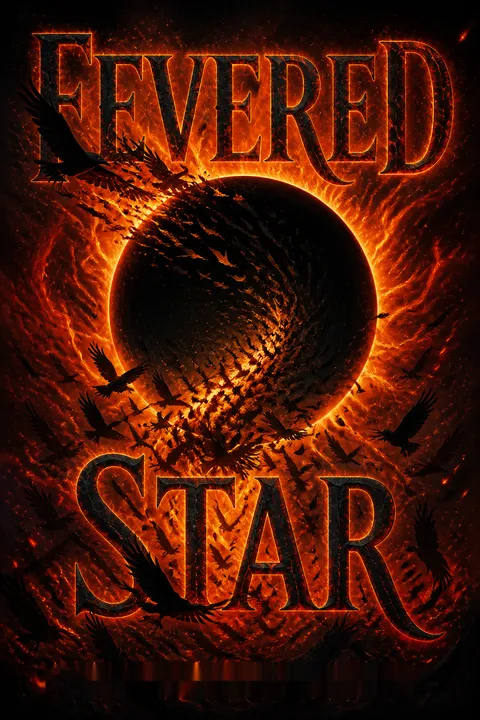

Plot Summary
Eclipse Over Tova
The story opens in the aftermath of a cataclysmic solstice, where the sun is eclipsed and Tova is cast into perpetual twilight. The city reels from the massacre of its priesthood, and the balance of power is shattered. The eclipse is both literal and symbolic, signaling the end of an era and the beginning of chaos. The people are fearful, the clans are restless, and the city's fate hangs in the balance. This unnatural darkness sets the stage for the struggles to come, as old alliances fracture and new powers rise to fill the void left by the Watchers' fall.
Crow God Reborn
Serapio, the vessel of the crow god, survives his destined death through the sacrifice of his beloved crows. He awakens in the rookery, wounded and bereft of his god's presence, struggling with his identity and the cost of survival. His powers are diminished, and he is haunted by the emptiness left by the god's absence. Okoa, a Carrion Crow warrior, becomes his uneasy ally, urging him to return to Tova and defend their clan. Serapio's journey is one of pain, confusion, and the search for meaning in a world that now fears and reveres him as both weapon and savior.
Sun Priest's Descent
Naranpa, the former Sun Priest, awakens buried alive in a tomb, betrayed by her own kin and the Watchers. She crawls through darkness, guided by a mysterious inner light, and emerges into a city transformed by fear and suspicion. Her brother Denaochi tests her resolve, forcing her to confront her past and her will to survive. Naranpa's journey through the catacombs is both physical and spiritual, marking her transformation from a figure of order to a survivor marked by magic and loss.
Broken Alliances
The Sky Made clans—Carrion Crow, Golden Eagle, Water Strider, and Winged Serpent—struggle to maintain unity as blame for the massacre falls on Carrion Crow. Okoa and his sister Esa, now matron, face internal dissent and external threats. Old grievances resurface, and the fragile peace between clans is threatened by suspicion, ambition, and the rise of the Odo Sedoh. The city's political landscape fractures, with each faction seeking advantage in the chaos.
Teek's Song of Guilt
Xiala, a Teek sea captain, is haunted by the deaths her Song has caused—both in her past and during the Convergence. She seeks Serapio, driven by love and guilt, but finds herself an outsider in Tova and among the clans. Her relationship with Aishe ends, and she is forced to navigate a city that fears her magic and her difference. Xiala's journey is one of self-reckoning, as she grapples with her power, her heritage, and her longing for belonging.
Odo Sedoh's Awakening
Serapio and Okoa return to Tova in a dramatic display, riding giant crows and rallying the Odohaa faithful. The city is awestruck and terrified by the spectacle. Inside Carrion Crow's Great House, Serapio faces political machinations and is tested by Esa, who seeks to use or control him. Serapio's powers begin to return, but he is increasingly isolated, seen as a tool or a threat rather than a person. The tension between his humanity and divinity grows, setting the stage for further conflict.
The Gathering Storm
As rumors of the Crow God's return spread, the clans and foreign powers—Cuecola, Hokaia, and the Teek—begin to maneuver for advantage. Balam, a Cuecolan lord and secret sorcerer, acquires forbidden magic and plots to manipulate the dreamworld. Golden Eagle and their allies prepare to seize control of Tova, while the Maw's bosses, led by Denaochi and Naranpa, seek to rally the clanless to their cause. The city becomes a cauldron of intrigue, with alliances shifting and betrayals looming.
Blood and Betrayal
The legacy of violence continues as old wounds are reopened. Okoa uncovers the truth about his mother's death and the treachery within Carrion Crow. Chaiya, his cousin, confesses to complicity in the matron's murder before dying at Serapio's hand. The Shield fractures, and trust is shattered. Meanwhile, Naranpa's brother Denaochi is killed in a betrayal orchestrated by the Maw's own allies. The cost of power is paid in blood, and the survivors are left to pick up the pieces.
The Maw's New Matron
In the wake of Denaochi's death, Naranpa is thrust into the role of matron of the newly reconstituted Coyote clan. She forges alliances with the Maw's bosses and the remaining Sky Made matrons, seeking to unite Tova against external threats. Her powers, now undeniably magical, become both a source of hope and fear. Naranpa's grief and determination drive her to seek a new path for herself and her city, even as she questions her place in the world.
Shadows in the Great House
Esa and Okoa struggle to maintain control as the Odohaa grow bolder and Serapio's influence spreads. The Great House becomes a battleground of secrets, with plots to use, contain, or destroy the Odo Sedoh. The tension between duty, family, and faith reaches a breaking point, and the fate of Carrion Crow hangs in the balance.
Dreamwalkers and Sorcerers
Balam, armed with the Manual of the Dreamwalkers, delves into spirit magic, risking madness for power. He manipulates dreams, seeks to control the minds of rivals, and plots to shape the future of the Meridian. The resurgence of sorcery signals a new era, as old taboos are broken and the boundaries between worlds blur. The threat of dreamwalkers and god magic looms over all, promising both salvation and destruction.
The Price of Power
Serapio, Naranpa, and Xiala each pay a heavy price for their powers. Serapio sacrifices his humanity to become the Crow God's vessel, demanding blood loyalty from his followers. Naranpa's healing and fire magic come at the cost of her brother and her innocence. Xiala's Song, once a source of solace, becomes a weapon that isolates her from her people and herself. The cost of divinity is loneliness, and the burden of leadership is loss.
Flight and Exile
Xiala is exiled from Tova and returned to Teek, where she must confront her past and her mother. Naranpa, no longer matron, leaves Tova to seek mastery of her powers in the Graveyard of the Gods. Serapio, now fully the Odo Sedoh, builds a fortress of bone and blood on Sun Rock, preparing for the wars to come. Each character is cast out from their former life, forced to forge a new destiny in a world remade by magic and violence.
The Sun and the Crow
Naranpa and Serapio meet on Sun Rock, their gods compelling them to battle. Their fight is both physical and metaphysical, a clash of light and shadow, healing and destruction. Both are transformed—Naranpa into a firebird, Serapio into a murder of crows. In the aftermath, they reach a fragile truce, recognizing the futility of their eternal struggle and the need for balance. Their choices will shape the fate of Tova and the Meridian.
The Making of a God
Embracing his divinity, Serapio constructs a fortress from the bones and blood of his enemies and followers. He demands absolute loyalty, remaking the Odohaa into his blood guard. The clans are summoned to witness his power, and Tova is transformed into a city ruled by fear and awe. Serapio's humanity recedes, and the Crow God's reign begins, promising both protection and terror.
The Fall of Watchers
The Watchers, once the guardians of order and peace, are no more. Their legacy is one of both wisdom and atrocity, and their absence leaves a vacuum that is quickly filled by ambition, magic, and violence. The Treaty of Hokaia is broken, and the Meridian stands on the brink of war. The old world is gone, and a new, fevered age begins.
The Coyote's Gambit
The Maw, once clanless, claims its place as the Coyote clan, with Sedaysa as matron. New alliances are forged, and the city's future is contested by old and new powers alike. The struggle for Tova becomes a microcosm of the larger battle for the soul of the Meridian, as tradition and innovation, faith and pragmatism, collide.
The Shield's Fracture
Okoa, torn between duty, family, and faith, witnesses the collapse of the Shield and the unraveling of Carrion Crow. Betrayal and loss leave him adrift, and the city's defenders are scattered. The cost of loyalty is high, and the wounds of the past refuse to heal.
The Firebird's Grief
Grieving her brother and her city, Naranpa embraces her new powers and leaves Tova behind. She seeks knowledge and mastery in the north, following the comet to the Graveyard of the Gods. Her journey is one of mourning and hope, as she seeks to become more than a survivor—a true light in the darkness.
Fortress of Bone and Blood
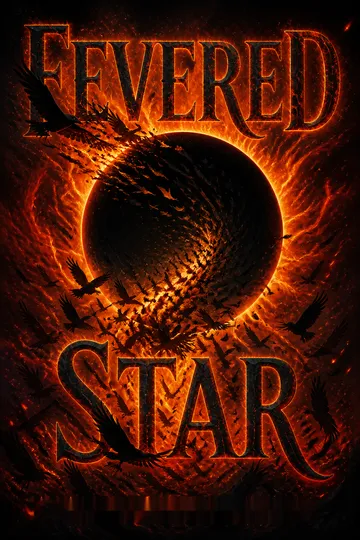
Serapio's fortress rises on Sun Rock, a monument to the new order. The clans gather, awed and terrified, as the Crow God's reign begins. The city is transformed, its future uncertain, as the fevered star burns over Tova and the world waits for what comes next.
Analysis
A meditation on power, trauma, and transformation
Fevered Star is a sweeping epic that interrogates the cost of power and the trauma of survival in a world remade by violence and magic. Rebecca Roanhorse crafts a narrative where gods walk in human skin, and the boundaries between the divine and the mortal are blurred by sacrifice, ambition, and grief. The novel explores the psychological toll of destiny, the loneliness of leadership, and the hunger for connection in a fractured world. Through its complex characters—each marked by loss, longing, and transformation—the story asks whether it is possible to break the cycles of violence and forge a new path. The return of forbidden magic and the collapse of old orders signal both danger and possibility, as the fevered star burns over Tova and the Meridian. Ultimately, the novel is a call to embrace change, to find strength in vulnerability, and to seek balance between light and shadow, compassion and ruthlessness, in the forging of a new world.
Review Summary
Fevered Star receives an overall rating of 4.07/5, with readers praising its rich worldbuilding, political intrigue, and compelling characters. Many note it avoids "middle book syndrome," though some feel it primarily positions pieces for book three. Naranpa's character arc receives widespread acclaim, while Xiala's reduced agency disappoints several readers. Iktan emerges as a fan favorite. The Indigenous-inspired world-building and diverse representation are frequently highlighted as series strengths. Pacing concerns are common, but most readers remain enthusiastic for the trilogy's conclusion.
People Also Read
Characters
Serapio
Serapio is the vessel of the crow god, raised from childhood to be a tool of vengeance. Blinded and scarred, he is both feared and revered as the Odo Sedoh. His journey is one of profound loneliness, as he is used by those around him and struggles to reconcile his humanity with his divinity. The sacrifice of his crows saves his life but leaves him empty, searching for purpose. His relationships—with his tutors, his mother, Okoa, and Xiala—reveal a longing for connection that is continually thwarted by destiny. As he embraces his godhood, he becomes both savior and tyrant, demanding blood loyalty and remaking Tova in his image. His arc is a meditation on the cost of power, the pain of isolation, and the hunger for meaning.
Naranpa
Naranpa begins as the Sun Priest, a figure of order and reason, but is betrayed and buried alive by her own kin. Her journey through darkness and rebirth marks her transformation into a woman marked by magic and loss. She is tested by her brother, the Maw, and the city's shifting allegiances. Her powers—healing, fire, and light—emerge as both blessing and curse, setting her apart from those she seeks to help. Grieving the loss of her brother and her city, she ultimately rejects the role of matron, seeking instead to master her powers and find a new path. Naranpa's arc is one of resilience, compassion, and the search for self beyond the roles imposed upon her.
Xiala
Xiala is a Teek sea captain whose Song is both a gift and a curse. Haunted by the deaths she has caused, she is driven by love for Serapio and a longing for belonging. Her journey takes her from Tova to exile among her people, where she must confront her past and her mother. Xiala's struggle with her power, her heritage, and her sense of self is deeply psychological, as she oscillates between shame and defiance. Her relationships—with Serapio, Aishe, and Iktan—reveal her vulnerability and her strength. Xiala's arc is a meditation on forgiveness, identity, and the possibility of redemption.
Okoa
Okoa is the Shield captain of Carrion Crow, caught between loyalty to his family, his clan, and the Odo Sedoh. He is pragmatic, compassionate, and deeply conflicted, especially as he uncovers the truth about his mother's death and the betrayals within his house. Okoa's relationship with Serapio is fraught with admiration, fear, and kinship, and his bond with his sister Esa is tested by ambition and necessity. Okoa's arc is one of disillusionment, as he witnesses the collapse of the Shield and the unraveling of Carrion Crow, and must choose between the collective and the individual.
Esa
Esa is the matron of Carrion Crow, determined to protect her clan at any cost. She is pragmatic, calculating, and willing to use or destroy the Odo Sedoh as needed. Her relationship with Okoa is strained by secrets and ambition, and her leadership is challenged by the rise of the Odohaa and the threat of war. Esa embodies the tension between tradition and innovation, and her arc is one of adaptation and survival in a world remade by magic and violence.
Denaochi
Denaochi is Naranpa's brother and a boss of the Maw, whose tests and schemes force Naranpa to confront her past and her will to survive. His ambition and ruthlessness are matched by a deep, if complicated, love for his sister. Denaochi's death is a turning point, propelling Naranpa into reluctant leadership and marking the cost of power and betrayal. His arc is one of sacrifice, manipulation, and the enduring bonds of family.
Balam
Balam is a Cuecolan lord who acquires forbidden magic and seeks to shape the future of the Meridian through dreamwalking and manipulation. He is ambitious, cunning, and willing to risk madness for power. Balam's relationships—with his cousin Powageh, his rivals, and his enemies—are marked by calculation and betrayal. His arc is a study in the dangers of unchecked ambition and the seductive allure of forbidden knowledge.
Iktan
Iktan is the former Priest of Knives, a master of intrigue and survival. Marked by the loss of Naranpa and the fall of the Watchers, Iktan navigates shifting allegiances with wit and cynicism. Xir relationships—with Xiala, Ziha, and the Golden Eagle matron—reveal a complex psychology shaped by trauma, loyalty, and the need for control. Iktan's arc is one of adaptation, as xe seeks purpose in a world where old certainties have vanished.
Sedaysa
Sedaysa is the boss of the Agave and becomes the new matron of the Coyote clan. Her history with Denaochi is marked by love, betrayal, and survival. Sedaysa is compassionate, shrewd, and deeply invested in the future of the Maw. Her arc is one of reluctant leadership, as she steps into a role she did not seek but is uniquely suited to fill.
Maaka
Maaka is the leader of the Odohaa, the most fervent followers of the crow god. His faith is absolute, and he becomes Serapio's first blood guard. Maaka's devotion is both a source of strength and a danger, as it drives him to acts of sacrifice and violence. His arc is a meditation on the power and peril of belief.
Plot Devices
Duality of Light and Shadow
The central plot device is the duality of light and shadow, embodied in the conflict between the sun god (Naranpa) and the crow god (Serapio). This duality is both metaphysical and personal, driving the narrative structure and the characters' arcs. The eclipse over Tova is a literal manifestation of this struggle, and the repeated confrontations between Naranpa and Serapio mirror the eternal cycle of creation and destruction. The device is reinforced through motifs of blindness and sight, healing and wounding, and the interplay of compassion and ruthlessness.
Sacrifice and Transformation
Sacrifice is a recurring device, with characters gaining power or insight only through profound loss—Serapio's crows, Naranpa's brother, Xiala's exile. Transformation, both physical and psychological, is linked to these sacrifices, marking the characters as changed and setting them apart from those around them. The cost of power is a central theme, and the narrative structure uses these moments of loss as turning points.
Political Intrigue and Betrayal
The story is driven by political machinations, with clans, bosses, and foreign powers maneuvering for advantage. Betrayal is a constant threat, and trust is a rare commodity. The narrative structure uses alternating points of view to reveal secrets, foreshadow betrayals, and build tension. The device of hidden motives and shifting allegiances keeps the reader off balance and underscores the instability of the world.
Magic as Taboo and Salvation
Magic, once forbidden by the Treaty of Hokaia, returns as both a source of hope and a harbinger of doom. Dreamwalking, god magic, and the Teek Song are all plot devices that challenge the boundaries between worlds and force characters to confront the limits of reason and tradition. The resurgence of magic signals the end of the old order and the birth of a new, fevered age.
Cyclical History and Prophecy
The narrative is structured around cycles—of gods, of violence, of power. Prophecy and history intertwine, with characters haunted by the past and compelled to repeat or break its patterns. The device of visions, dreams, and ancestral memory foreshadows events and deepens the psychological complexity of the story.
Between Earth and Sky Series
Download PDF
Download EPUB
.epub digital book format is ideal for reading ebooks on phones, tablets, and e-readers.








































