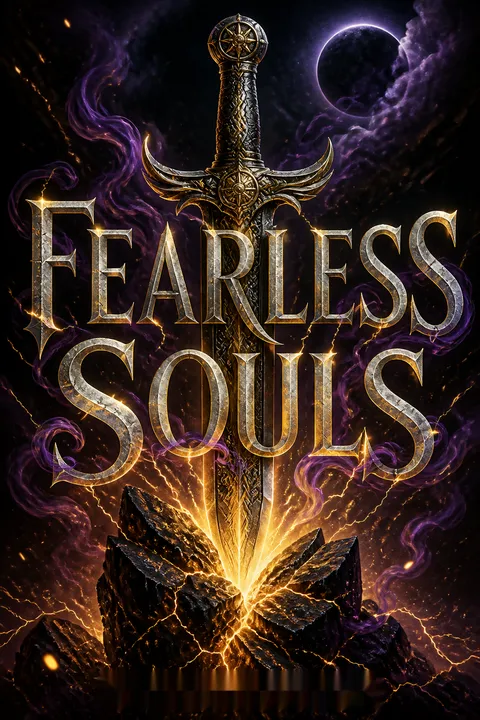

Plot Summary
Aftermath of the Flames
The story opens in the chaos after Rhea is seemingly thrown into the fires of Hell. Her lovers—Zen, Adonis, Xander, and Khaos—are devastated, but the truth quickly emerges: it was Adonis, glamored as Rhea, who took the fall. Nyx, Rhea's mother and the feared Queen of Darkness, returns, shaking the supernatural world. The group reels from betrayal and loss, but Rhea's survival and the return of Nyx ignite hope and fury. The Elites and their allies must regroup, as the threat of Zellus and the Hex looms larger than ever, and the lines between friend and foe blur in the aftermath.
The Sacrifice and the Riddle
Adonis, revealed as the one cast into Hell, faces a riddle that tests his heart: whom would he save, those he created or the one he loves? Guided by his father Hades, Adonis's journey through Hell is both literal and emotional, forcing him to confront his own worth and the depth of his love for Rhea. Meanwhile, Rhea and her Elites must process the cost of their survival and the lengths they'll go to for each other. The group's bonds are tested, and the theme of sacrifice—choosing love over legacy—emerges as a central motif.
Reunions and Revelations
Rhea's miraculous return reunites her with her Elites, but the world is changed. Nyx's presence terrifies the supernatural community, and the Academy is thrown into turmoil. The Elites, now a true unit, must navigate shifting allegiances, the threat of Zellus, and the trauma of recent events. Rhea's connection to Nyx deepens, and the group's unity is both their greatest strength and vulnerability. The cost of power and the pain of legacy weigh heavily as the group prepares for the next confrontation.
The Queen Returns
Nyx's return is both a blessing and a curse. Her presence forces old enemies into the open, and her history with Zeus and Zellus is revealed. The supernatural world is on edge, and Rhea must come to terms with her heritage and the expectations placed upon her. Nyx's prophecy and the revelation of the Dagger of Victory—a weapon that ensures its wielder cannot be defeated—set the stage for the coming war. The group must decide whether to trust Nyx and embrace their roles in the prophecy.
The Dagger of Victory
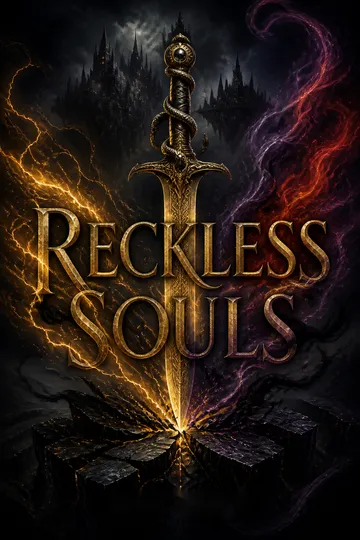
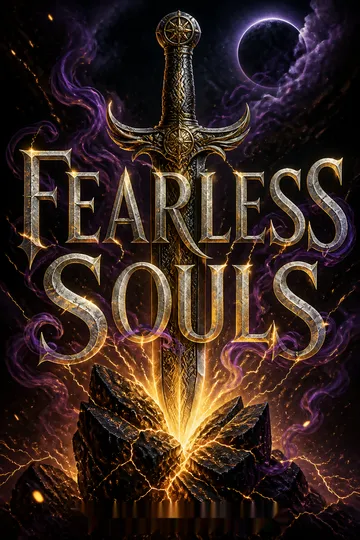
Rhea inherits the Dagger of Victory, once wielded by Zeus. The dagger's power is both a blessing and a burden, as it promises victory but not without cost. The group learns that the dagger's true strength lies in unity and love, not brute force. As Rhea grapples with her new weapon and the legacy it represents, the Elites rally around her, determined to face whatever comes next together. The theme of chosen family and the power of love over blood is reinforced.
Nightmares and New Powers
Khaos is haunted by nightmares of failing Rhea, reflecting the group's collective trauma and fear of loss. Rhea's powers begin to evolve, manifesting in new and unpredictable ways. The group's magical gifts are explored, and the importance of trust and vulnerability is highlighted. As they train and recover, the Elites deepen their bonds, both emotionally and physically, finding strength in each other. The looming threat of Zellus and the Hex remains, but the group is more united than ever.
The Assembly's Declaration
The Academy calls an emergency assembly, where Zellus publicly declares war on Rhea, Nyx, and their allies. The supernatural community is forced to choose sides, and the Elites become targets. The declaration cements the coming conflict, and the group must prepare for open battle. The cost of leadership and the burden of being a symbol are explored, as Rhea steps into her role as a leader and rallying point for the resistance.
The First Battle
The first major battle erupts at the Academy. Hector, once an ally, turns on the group, and Zen discovers a new, rare form of angelic magic—stripping Hector of his powers. Khaos delivers the killing blow, and the group is forced to confront the reality of war: friends can become enemies, and victory comes at a price. The battle cements the group's resolve, but also marks them as outcasts and fugitives.
Heartless Consequences
The group reels from the violence and loss. Rhea is forced to kill Selene, another former peer, and the emotional toll of their actions weighs heavily. Nyx intervenes, revealing more of her own history and the true nature of the war. The group must grapple with the consequences of their choices, the cost of survival, and the reality that not everyone can be saved. The theme of necessary ruthlessness in the face of evil is explored.
The Price of Power
To save Cassandra from the vampire frenzy, Rhea and her allies must bargain with the Furies—ancient, powerful beings. The price is Harmonia, Rhea's best friend, who is taken as payment. The loss devastates the group, especially Rhea, who is forced to confront the limits of her power and the pain of sacrifice. The theme of the price of power—what and who must be given up for victory—is central, and the group's unity is tested as never before.
Hell's Sanctuary
The group retreats to Nyx's sanctuary in Hell, where they regroup and heal. Harmonia's absence is keenly felt, but the group finds solace in each other. New alliances are forged as Nyx gathers an army, and the group prepares for the final confrontation. Rhea's relationship with Nyx deepens, and the importance of chosen family is reinforced. The group's magical abilities are honed, and their resolve is strengthened.
Blood and Bonds
In the calm before the storm, the Elites and Rhea deepen their bonds, both emotionally and physically. Scenes of intimacy and vulnerability highlight the strength of their connection and the importance of love in the face of darkness. The group's unity is their greatest weapon, and their willingness to fight for each other is what sets them apart from their enemies. The theme of love as power is central.
The Third Year's Secret
The group investigates the Academy and uncovers the truth about the third years: Zellus has been using them as mind-controlled soldiers, draining their magic and turning them into an army. The horror of his actions galvanizes the group, and the need to stop him becomes even more urgent. The theme of corruption and the abuse of power is explored, and the group's resolve to fight for justice is strengthened.
Harmonia's Ordeal
The group rescues Harmonia from Selene's torture, but the victory is bittersweet. Harmonia's ordeal leaves scars, and the group is forced to confront the reality that not everyone can be saved from the consequences of war. The importance of friendship and the pain of loss are central, as Rhea and her allies struggle to balance their desire for justice with the need to protect those they love.
The Fury's Bargain
To save Cassandra, the group must pay the Furies' price: Harmonia. The bargain is struck, and Harmonia is taken, leaving the group shattered. The theme of sacrifice is central, as Rhea is forced to choose between saving one friend and losing another. The pain of leadership and the burden of making impossible choices are explored, and the group's unity is tested as never before.
Gathering the Army
Nyx and Rhea gather an army of supernaturals willing to stand against Zellus and the Hex. Old enemies become allies, and the group's network of support grows. The importance of community and the power of hope are central, as the group prepares for the final battle. The theme of redemption and the possibility of change is explored, as former adversaries join the cause.
The Final Stand
The final battle erupts at Lake Tora. Zellus, wielding stolen power and a mind-controlled army, faces off against Rhea, her Elites, Nyx, and their allies. The fight is brutal and chaotic, with heavy losses on both sides. Rhea's powers reach their full potential, and the group's unity is tested to the limit. The cost of victory is high, but the group's love and determination carry them through.
Victory and Loss
Rhea and her allies defeat Zellus, but not without loss. The mind-controlled army is freed, but many are dead or broken. Nyx's children are rescued, but the scars of war remain. Harmonia's fate is left uncertain, and the group must come to terms with the sacrifices they've made. The theme of the cost of peace and the pain of survival is central, as the group begins to rebuild.
New Beginnings
In the aftermath, Rhea and her Elites find solace in each other and begin to heal. The Academy is reformed, and the possibility of a better future emerges. Rhea's relationship with Nyx is mended, and the group's unity is stronger than ever. The story ends with hope for new beginnings, the promise of love, and the knowledge that, together, they can face whatever comes next.
Analysis
Fearless Souls is a powerful exploration of trauma, love, and the cost of leadership in a world where power is both a blessing and a curse. At its core, the novel is about the strength found in chosen family and the willingness to fight for those we love, even when the odds are insurmountable. Rhea's journey from reluctant outsider to powerful leader is marked by sacrifice, loss, and the forging of unbreakable bonds. The story does not shy away from the pain of war or the reality that victory often comes at a devastating price. Through its use of prophecy, reverse harem dynamics, and the motif of the Dagger of Victory, the novel interrogates the nature of power and the importance of unity, trust, and vulnerability. In a modern context, Fearless Souls resonates as a meditation on the need for community, the dangers of unchecked authority, and the hope that, even in the darkest times, love and resilience can light the way forward. The ultimate lesson is that true strength lies not in domination, but in the courage to choose love, to make hard choices, and to stand together against the darkness.
People Also Read

Characters
Rhea
Rhea is the heart of the story—a young woman thrust into a world of supernatural politics, war, and legacy. Daughter of Nyx and Zeus, she is both a symbol and a weapon, carrying the weight of prophecy and the expectations of others. Rhea's journey is one of self-discovery, as she learns to trust her own power, embrace her chosen family, and make impossible choices for the greater good. Her relationships with her Elites—Zen, Adonis, Xander, and Khaos—are central, providing both strength and vulnerability. Rhea's greatest struggle is balancing her desire for love and normalcy with the demands of leadership and sacrifice. Her development is marked by increasing confidence, emotional resilience, and a willingness to do what must be done, even at great personal cost.
Zen
Zen is the group's anchor—a calm, thoughtful presence with rare angelic magic. Sourced from the Gauntlet of Purity, his powers include healing and, uniquely, the ability to strip others of their magic. Zen's journey is one of self-acceptance, as he learns to embrace his rare gifts and the darkness within. His relationship with Rhea is marked by deep trust and emotional intimacy, and he often serves as the group's voice of reason. Zen's struggle is with the burden of power and the fear of losing those he loves. His development is characterized by increasing confidence in his abilities and a willingness to take decisive action when needed.
Adonis
Adonis is the group's heart—a playful, passionate incubus with a talent for glamor and illusion. Son of Hades and Persephone, he is both powerful and deeply loyal. Adonis's journey is one of growth, as he moves from self-indulgence to self-sacrifice, risking everything for Rhea and his friends. His relationship with Rhea is marked by humor, sensuality, and unwavering support. Adonis struggles with feelings of inadequacy and the fear of not being enough, but ultimately proves his worth through courage and love. His development is defined by increasing maturity and a willingness to put others before himself.
Xander
Xander is the group's shield—a fierce, protective werewolf with a deep sense of loyalty and honor. His wolf instincts drive him to defend Rhea and the group at all costs, sometimes to the point of recklessness. Xander's journey is one of learning to balance his protective nature with trust in his friends and himself. His relationship with Rhea is marked by physicality, devotion, and a willingness to share vulnerability. Xander struggles with jealousy and the fear of losing control, but ultimately finds strength in unity and love. His development is characterized by increasing emotional openness and a willingness to share leadership.
Khaos
Khaos is the group's edge—a powerful vampire with a dark past and a fierce love for Rhea. Haunted by the actions of his mother and his own capacity for violence, Khaos struggles with guilt and the fear of becoming a monster. His journey is one of redemption, as he learns to channel his power for good and accept love and forgiveness. Khaos's relationship with Rhea is intense and passionate, marked by mutual understanding and shared pain. His development is defined by increasing self-acceptance and a willingness to fight for a better future.
Nyx
Nyx is both villain and ally—a powerful, enigmatic figure feared by many. As Rhea's mother, she is both a source of pain and a guide, her actions shaped by loss, love, and the burden of prophecy. Nyx's relationship with Rhea is fraught, marked by secrets, regret, and a fierce desire to protect her children. Her development is one of gradual vulnerability, as she learns to trust and support Rhea, even at great personal cost. Nyx embodies the theme of the complexity of motherhood and the possibility of redemption.
Zellus
Zellus is the story's primary villain—a cunning, power-hungry leader willing to sacrifice anyone for his own gain. His manipulation of the Academy, creation of a mind-controlled army, and willingness to drain others' magic make him a formidable foe. Zellus's relationship with Rhea and Nyx is defined by envy, resentment, and a desire for dominance. His development is marked by increasing desperation and brutality, ultimately leading to his downfall.
Harmonia
Harmonia is Rhea's best friend and a symbol of the cost of war. Her loyalty and bravery are unwavering, but she is ultimately sacrificed to save another. Harmonia's journey is one of courage and selflessness, and her loss haunts the group. Her relationship with Rhea is central, embodying the theme of chosen family and the pain of necessary sacrifice.
Cassandra
Cassandra is a victim of the supernatural world's cruelty, suffering from the vampire frenzy. Her rescue and healing are a major plot point, symbolizing the possibility of redemption and the power of love and friendship. Cassandra's journey is one of survival and recovery, and her relationship with Rhea and the group is marked by gratitude and hope.
Professor Riva
Professor Riva is a subtle but crucial figure, providing guidance and secret knowledge at key moments. His true motives are ambiguous, but his actions help the group uncover Zellus's secrets and survive the final battle. Riva embodies the theme of hidden allies and the importance of wisdom and strategy in the face of overwhelming odds.
Plot Devices
Reverse Harem and Found Family
The narrative structure centers on Rhea and her four Elites, exploring the dynamics of a reverse harem and the theme of found family. Their unity is both emotional and magical, with their bonds providing strength, healing, and power. The story uses alternating points of view to deepen character development and explore the psychological impact of trauma, love, and sacrifice.
Prophecy and Legacy
Prophecy and legacy are central plot devices, with Rhea's heritage and the Dagger of Victory shaping the story's direction. The tension between fate and free will is explored, as characters struggle to define themselves outside of the roles assigned to them by others. The story uses foreshadowing and callbacks to earlier events to reinforce the cyclical nature of power and the possibility of breaking the cycle.
Sacrifice and the Price of Power
The theme of sacrifice is woven throughout the narrative, with characters forced to make impossible choices for the greater good. The cost of power—what and who must be given up for victory—is a recurring motif. The story uses high-stakes confrontations, moral dilemmas, and the loss of loved ones to explore the psychological toll of leadership and war.
Mind Control and Corruption
Zellus's creation of a mind-controlled army and his willingness to drain others' magic serve as metaphors for the abuse of power and the horror of corruption. The story uses these devices to explore the dangers of unchecked ambition and the importance of resistance and rebellion.
Resurrection and Undeath
The resurrection of Zellus's army as literal zombies in the final battle serves as a powerful symbol of the horror of endless conflict and the need for true resolution. The story uses this device to heighten tension and reinforce the theme that some evils must be confronted and destroyed, not merely defeated.
Foreshadowing and Prophecy
The story uses prophecy, dreams, and foreshadowing to build suspense and reinforce the theme of destiny. Rhea's evolving powers and the recurring motif of the Dagger of Victory are used to signal key turning points and the inevitability of confrontation.
Saints Academy Series

Download PDF
Download EPUB
.epub digital book format is ideal for reading ebooks on phones, tablets, and e-readers.








































