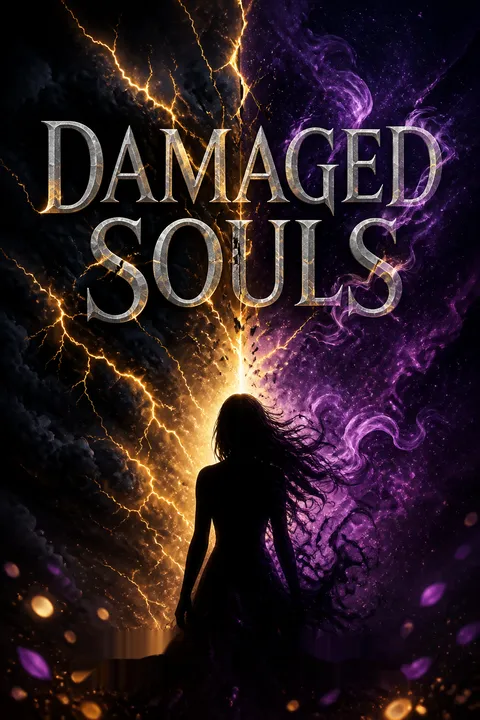

Summary Temporarily Unavailable
This summary is temporarily unavailable and is currently being updated. You can still explore the FAQs and other metadata below.
Plot Summary
Shattered Origins Revealed
Rhea's life is upended when she learns she is the daughter of Zeus and Nyx, two primordial gods whose union is both impossible and forbidden. The revelation comes in a moment of public humiliation, surrounded by the powerful and judgmental members of the Hex, the ruling supernatural council. Rhea's sense of self fractures as she is forced to confront her new identity as a god, the expectations of her lineage, and the dangerous attention it brings. The knowledge that she is the product of a war between light and darkness leaves her isolated, angry, and desperate for control over her own fate. The emotional weight of her origins sets the stage for her struggle to define herself beyond the legacy of her parents.
Unleashing Divine Power
As Rhea grapples with her new identity, her latent powers begin to surface in unpredictable and often violent ways. The stress of being scrutinized and threatened by the Hex, combined with her own emotional turmoil, causes her magic to erupt—shattering lights, warping reality, and revealing the raw, untamed force within her. Rhea's struggle to control her abilities mirrors her internal battle for autonomy. She is no longer just a student at Saints Academy; she is a potential weapon, a symbol, and a threat. The awakening of her powers is both a blessing and a curse, drawing allies and enemies alike, and forcing her to confront the responsibilities and dangers of her divine heritage.
Bonds Forged in Chaos
Rhea's journey is marked by the forging of deep, soul-bound connections with Xander, Adonis, Zen, and Khaos—each a powerful supernatural in their own right. These bonds are not formed through choice, but through shared trauma, passion, and the mystical process of soul-sealing. The group becomes an unbreakable unit, their fates intertwined by magic and emotion. Together, they navigate the treacherous politics of the Academy, the manipulations of the Hex, and the ever-present threat of betrayal. Their unity is both their greatest strength and their most dangerous vulnerability, as the world around them seeks to exploit or destroy what they have built.
The Hex's Hidden Agendas
The Hex, the ruling council of supernatural society, views Rhea as both a prize and a problem. Their hidden agendas—ranging from political power plays to personal vendettas—constantly endanger Rhea and her unit. Zellus, the manipulative headmaster, orchestrates tests, humiliations, and even abductions to assert control. The Hex's interference is relentless, using prophecy, bloodlines, and fear to justify their actions. Rhea's every move is watched, judged, and twisted to serve the council's interests. The struggle for autonomy becomes a battle not just for survival, but for the right to exist on her own terms.
Soul-Sealing and Betrayal
The process of soul-sealing—an ancient, mystical bond—brings Rhea and her chosen partners closer than ever, but also exposes them to new dangers. The intimacy they share is both physical and spiritual, granting them power but making them targets. Betrayal comes from unexpected quarters: former lovers, jealous rivals, and even supposed friends. Rhea's ex, Dante, becomes a symbol of the past she cannot escape, while the manipulations of the Hex threaten to tear the unit apart. Trust is hard-won and easily shattered, and every act of closeness is shadowed by the risk of exploitation.
Nightmares and New Strength
Haunted by nightmares—visions of darkness, pain, and her mother's scream—Rhea is forced to confront the trauma of her past and the violence of her present. These dreams are not just memories, but warnings and sources of power. Through pain, Rhea discovers new reserves of strength, learning to channel her magic and her rage. The support of her unit, especially Zen's healing and Xander's unwavering loyalty, helps her reclaim agency. Each nightmare survived is a step toward self-mastery, and Rhea begins to see herself not as a victim, but as a force to be reckoned with.
The Solstice Ball Unraveled
The Solstice Ball, meant to be a night of celebration, becomes a crucible for Rhea and her unit. Under the watchful eyes of the Academy and the Hex, secrets are revealed, alliances are tested, and rivalries come to a head. Rhea's divine heritage is publicly announced, sparking fear and fascination. The event is marred by confrontations, jealousies, and the ever-present threat of violence. The ball becomes a microcosm of the larger struggle: the fight for acceptance, the danger of standing out, and the power of unity in the face of adversity.
Family Ties and Fury
Rhea's relationship with her parents—both biological and chosen—drives much of the emotional conflict. Zeus's coldness and Nyx's absence leave Rhea yearning for belonging, while the manipulations of parental figures like Mrs. Black and the expectations of the Hex compound her sense of alienation. The revelation that her existence is the result of violence and betrayal forces Rhea to question her worth and her future. The fury of her lineage is both a burden and a weapon, fueling her determination to break the cycle of pain and control.
The Price of Protection
Protecting her unit and herself comes at a steep price. Rhea and her partners endure physical and emotional pain, risking everything to keep each other safe. Zen's healing comes with the cost of feeling every injury he mends; Xander's loyalty is tested by family and tradition; Adonis's magic drains him to the brink of death. The willingness to suffer for one another cements their bond, but also highlights the dangers of love in a world that punishes vulnerability. Every act of protection is a gamble, and the cost is measured in blood, sweat, and tears.
The Pandora Gifts Awaken
The discovery of gifts from Pandora's Box—magical artifacts unique to each member of the unit—marks a turning point. These items are more than weapons; they are keys to understanding their roles in the coming conflict. Rhea's dagger, Zen's shield, Xander's bow, Adonis's trident, and Khaos's chalice each hold secrets and powers that must be unlocked. The awakening of these gifts is both a blessing and a curse, tying the unit's fate to ancient prophecies and the unresolved war between gods. The artifacts become symbols of hope, responsibility, and the unknown future.
Phoenix Valley's Secrets
A journey back to Rhea's human home in Phoenix Valley reveals long-buried secrets about her past and the supernatural world. The visit is fraught with danger, as old enemies and new threats converge. Rhea discovers that her life has been watched and manipulated from the shadows, and that her connection to the divine is deeper and more complicated than she imagined. The return home is both a reckoning and a release, allowing Rhea to reclaim her story and set the stage for the battles to come.
Assault and Aftermath
A brutal assault by two students, the Blair brothers, shatters the fragile sense of safety Rhea has built. The attack is both physical and magical, an attempt to steal her power and autonomy. The aftermath is a crucible for the unit: Zen's healing, Adonis's sacrifice, and Khaos's vengeance all come into play. The violence exposes the rot at the heart of the Academy and the lengths to which the powerful will go to maintain control. Rhea's survival is a testament to her strength, but the scars—visible and invisible—remain.
Vengeance and Reckoning
The unit's response to the assault is swift and merciless. Khaos and Zen kill the Blair brothers, crossing a line that cannot be uncrossed. The act is both justice and revenge, a necessary evil in a world that refuses to protect its own. The reckoning is not just for the attackers, but for the system that enabled them. The unit is forced to confront the consequences of their actions, the weight of taking lives, and the reality that sometimes, survival means becoming what you fear.
The Cage and the God
Rhea's imprisonment in a magical cage by Zellus and the Hex is the ultimate act of control. Isolated and powerless, she is forced to confront the reality of her situation: she is a pawn in a game she never chose to play. Visits from Dante and Zeus reveal the depth of the conspiracy against her, and the true nature of her parentage. The cage becomes a crucible, burning away illusions and leaving only the raw truth: Rhea must choose her own path, or be destroyed by the ambitions of others.
Choosing Sides, Choosing Self
Faced with impossible choices, Rhea begins to assert her own will. She refuses to be defined by her parents, her powers, or the expectations of the Hex. With the help of her unit, she breaks free from the cage—both literal and metaphorical—and begins to chart her own course. The act of choosing herself, of prioritizing her desires and needs, is revolutionary in a world that demands obedience. Rhea's journey becomes a testament to the power of self-determination, even in the face of overwhelming odds.
The Unbreakable Unit
The unit's bond, forged in fire and blood, becomes their greatest weapon against the forces arrayed against them. Each member brings unique strengths and vulnerabilities, and together they are more than the sum of their parts. Their love, loyalty, and willingness to fight for one another defy the expectations of their world. The unit is tested again and again, but each trial only makes them stronger. In a society that values power above all, their unity is both a rebellion and a promise: they will not be broken.
The Test of Trust
Trust is the currency of survival, and Rhea learns that true strength lies in vulnerability. The willingness to rely on others, to share pain and joy, becomes the foundation of the unit's power. Betrayals and secrets threaten to tear them apart, but each act of trust—whether in battle, in love, or in confession—rebuilds what is lost. The test of trust is ongoing, a daily choice to believe in one another and in the possibility of a better future.
The Darkness Within
In the end, Rhea must confront the darkness within herself—the legacy of Nyx, the violence of her world, and the pain of her past. Rather than reject it, she learns to embrace it, to use it as a source of strength and compassion. The journey is not about erasing the shadows, but about finding the light within them. Rhea's acceptance of her whole self, darkness and all, becomes the key to her survival and her power. The story closes with the promise of new battles, new revelations, and the unbreakable resolve to face whatever comes next—together.
Analysis
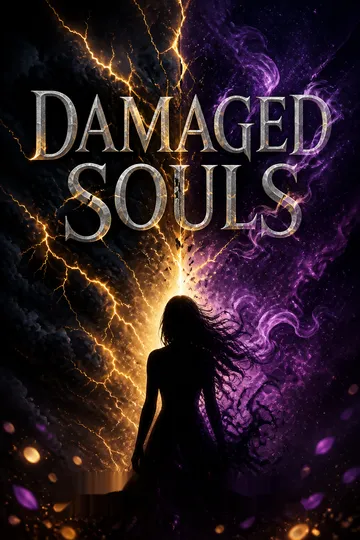
"Damaged Souls" by K.C. Kean is a powerful exploration of identity, trauma, and the struggle for autonomy in a world defined by power and legacy. At its core, the novel is about the fight to claim one's own story in the face of overwhelming expectations and systemic control. Rhea's journey—from outcast to god, from victim to leader—is a testament to the resilience of the human (and divine) spirit. The soul-sealing bonds she forms are both a source of strength and a crucible for growth, challenging the notion that vulnerability is weakness. The book interrogates the dangers of inherited trauma, the seductive pull of darkness, and the necessity of forging one's own path. Through its blend of romance, action, and psychological depth, "Damaged Souls" offers a modern myth for readers seeking both escapism and insight. The ultimate lesson is that true power lies not in domination, but in connection, trust, and the courage to embrace every part of oneself—even the damaged, even the dark.
Last updated:
Report IssueReview Summary
People Also Read

Characters
Rhea Harrington
Rhea is the daughter of Zeus and Nyx, a living paradox born of light and darkness. Her journey is one of self-discovery, resilience, and rebellion against the roles imposed upon her. Rhea's psychological landscape is shaped by trauma, abandonment, and the constant threat of exploitation. She is fiercely independent, yet yearns for connection and acceptance. Her relationships with her unit—Xander, Adonis, Zen, and Khaos—are both her sanctuary and her crucible, forcing her to confront her vulnerabilities and her capacity for love. Rhea's development is marked by her refusal to be a pawn, her embrace of her powers, and her determination to define her own destiny.
Xander Bishop
Xander is a werewolf whose loyalty to Rhea is unwavering, even as he is torn between family expectations and his own desires. His soul-sealing with Rhea awakens both his power and his sense of purpose, but also exposes him to the pain of loss and the weight of responsibility. Xander's psychological struggle centers on the conflict between duty and love, tradition and change. He is the anchor of the unit, providing stability and strength, but is also haunted by the fear of failing those he loves. His journey is one of learning to trust himself and to fight for what he believes in, even when it means defying his past.
Adonis
Adonis is an incubus whose charm and sexuality mask a deep longing for acceptance and meaning. His bond with Rhea is both a source of power and a vulnerability, as his magic is fueled by intimacy and desire. Adonis's psychological arc is defined by his struggle to reconcile his nature with his need for genuine connection. He is playful and irreverent, but also capable of great sacrifice and loyalty. The pain of being used and the fear of being unworthy drive him to prove himself, both to Rhea and to himself. His development is a testament to the transformative power of love and trust.
Zen Elias
Zen is an angel whose calm exterior hides a well of pain and complexity. As a healer, he literally takes on the pain of others, a gift that is both a blessing and a curse. Zen's soul-sealing with Rhea brings out both his light and his shadows, as he grapples with the expectations of his lineage and the reality of his own desires. His journey is one of embracing vulnerability, accepting the darkness within, and finding strength in compassion. Zen's presence is a stabilizing force in the unit, but his own struggles with identity and belonging mirror Rhea's in profound ways.
Khaos Black
Khaos is a vampire whose life is defined by the manipulations of his powerful mother and the expectations of his family. He is brooding, intense, and often distant, but his loyalty to Rhea and the unit is fierce. Khaos's psychological battle is with the fear of being used as a pawn, both by his mother and by fate. He resists vulnerability, but is drawn inexorably to Rhea, finding in her a kindred spirit. His journey is one of learning to trust, to let go of control, and to accept that love can be both a weapon and a refuge.
Zellus
Zellus is the headmaster of Saints Academy and a key member of the Hex. His need for control and power drives much of the conflict in the story. Zellus is a master manipulator, using prophecy, fear, and bureaucracy to maintain his grip on the Academy and its students. He views Rhea as both a threat and an opportunity, orchestrating tests and humiliations to break her spirit. Zellus's psychological makeup is defined by insecurity, ambition, and a deep-seated fear of losing relevance. He is both a symbol of the system's corruption and a personal antagonist for Rhea.
Zeus
Zeus is Rhea's biological father, a god whose actions are driven by pride, fear, and the need to maintain his image. His relationship with Rhea is marked by distance, disappointment, and the unresolved trauma of his past with Nyx. Zeus's psychological complexity lies in his inability to reconcile his public persona with his private failures. He is both a source of power and pain for Rhea, embodying the contradictions of her heritage. His development is limited by his refusal to change, serving as a cautionary figure for the dangers of unchecked authority.
Nyx
Nyx is the goddess of night and Rhea's mother, a figure shrouded in mystery and pain. Her absence is a constant presence in Rhea's life, shaping her fears and her sense of self. Nyx represents the darkness within and without, the legacy of trauma and the possibility of transformation. Though she is not physically present, her influence is felt in every shadow, every secret, and every act of rebellion. Nyx's story is one of survival, loss, and the hope that even in darkness, there can be light.
Dante James
Dante is Rhea's ex-boyfriend, a human entangled in the supernatural world. His presence is a reminder of the life Rhea left behind and the dangers of unresolved history. Dante's actions are driven by jealousy, regret, and a desperate need for relevance. He oscillates between ally and antagonist, his own pain mirroring Rhea's in distorted ways. Dante's psychological arc is one of letting go, learning to accept change, and finding his own path in a world that no longer fits him.
Harmonia
Harmonia is Rhea's closest friend, a source of comfort, wisdom, and unwavering support. She provides a safe space for Rhea to process her trauma, celebrate her victories, and confront her fears. Harmonia's role is that of the emotional anchor, grounding Rhea in moments of chaos and reminding her of the importance of joy and self-care. Her own struggles and strengths are woven into the fabric of the unit, making her an indispensable part of Rhea's journey.
Plot Devices
Soul-Sealing
Soul-sealing is the central plot device, a magical process that binds Rhea and her partners together on a spiritual and physical level. It grants them power, intimacy, and vulnerability, making them both stronger and more exposed. The process is ancient, rare, and feared, serving as both a source of hope and a justification for persecution. Soul-sealing drives much of the narrative tension, as the unit's bond is both their greatest asset and the reason they are targeted by the Hex. The device explores themes of trust, consent, and the transformative power of connection.
Prophecy and Bloodlines
Prophecy and the weight of bloodlines are used to foreshadow events, justify actions, and manipulate characters. Rhea's parentage is both a mystery and a curse, shaping her destiny before she can choose it for herself. The Hex uses prophecy to control and punish, while Rhea and her unit struggle to break free from the expectations imposed upon them. The device highlights the tension between fate and free will, and the dangers of living in the shadow of the past.
Magical Artifacts (Pandora's Gifts)
The discovery of magical artifacts from Pandora's Box serves as a catalyst for character growth and plot development. Each artifact is unique, tied to the individual's strengths and weaknesses, and holds the key to unlocking new powers and understanding. The artifacts are both tools and symbols, representing the potential for change, the burden of responsibility, and the mystery of the future. Their awakening is a turning point, forcing the unit to confront their roles in the coming conflict.
Glamour and Illusion
Glamour—magical illusion—is used throughout the story to conceal, manipulate, and endanger. It is a weapon wielded by both allies and enemies, blurring the line between truth and deception. The device is most devastating when used against Rhea, trapping her in false realities and exposing her to violence. Glamour becomes a metaphor for the lies and half-truths that pervade the Academy, and the struggle to see—and be seen—for who one truly is.
Isolation and Imprisonment
Rhea's literal imprisonment in a magical cage is mirrored by the psychological cages imposed by her heritage, the Hex, and her own fears. Isolation is used as a tool of control, a way to break spirits and enforce obedience. The device forces Rhea to confront her own strength, the limits of her endurance, and the importance of solidarity. Breaking free from the cage becomes a symbol of reclaiming agency and rejecting the roles others would force upon her.
Saints Academy Series
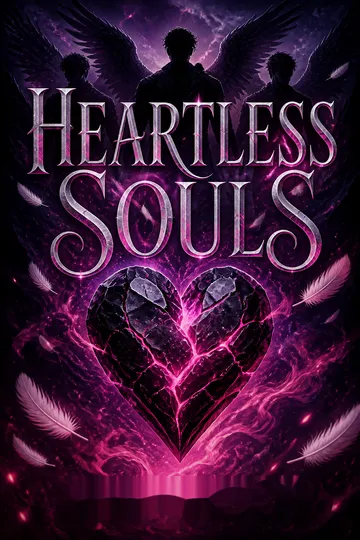
About the Author
Other books by K.C. Kean

Download PDF
Download EPUB
.epub digital book format is ideal for reading ebooks on phones, tablets, and e-readers.








































