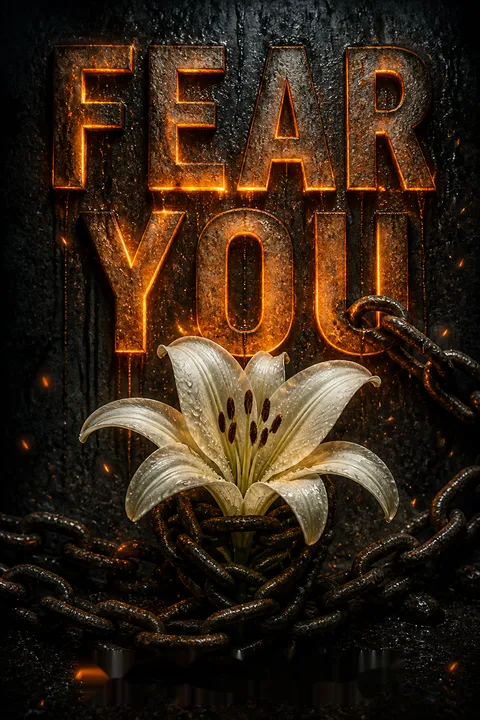

Plot Summary
Playground Shadows and Scars
Lake Monroe's life is marked by the day she meets Keiran Masters on a playground, a boy already hardened by a brutal, secret past. Their first encounter is violent—Keiran pushes Lake from the monkey bars, setting the tone for a decade of torment. Both children are already carrying wounds: Lake, abandoned by her parents under mysterious circumstances; Keiran, a survivor of a child slavery ring, sold by his own father and forced to kill to survive. The playground becomes a crucible, forging a connection of pain, fear, and fascination that will define them. As they grow, Lake's innocence and Keiran's darkness become inextricably linked, each haunted by what they've lost and what they might become.
The Monster Returns
After years apart, Keiran returns to Six Forks, and Lake's carefully constructed life unravels. He is no longer just a bully—he is a force of nature, unpredictable and dangerous, carrying the scars of his past and a vendetta that seems to target Lake specifically. Their encounters are charged with violence and longing, as Keiran oscillates between tormenting Lake and protecting her from threats even darker than himself. Lake, meanwhile, is torn between fear and a compulsion to understand the boy who has become her obsession. The town whispers about Keiran's criminal record and his possible involvement in murder, but Lake senses deeper wounds beneath his cruelty.
Secrets, Lies, and Blood
The truth about Keiran's origins and Lake's parents begins to emerge. Keiran is revealed to be the product of a broken family, sold by his father Mitch and abandoned by his mother, Sophia. His uncle John, who raised Keiran's "cousin" Keenan, is forced to admit that Keiran and Keenan are brothers, both sons of Sophia. Lake's own family history is equally fraught: her parents were undercover FBI agents investigating a child slavery ring, murdered for getting too close to the truth. The adults' choices have left their children with legacies of pain, guilt, and unresolved questions. As Lake and Keiran confront these revelations, they are forced to reckon with the ways their lives have been shaped by the sins of their parents.
Broken Boys, Broken Girls
Lake and Keiran's relationship becomes a battleground for their traumas. Keiran, trained to be a killer and conditioned to see love as weakness, uses sex and violence to assert control, but is increasingly undone by his feelings for Lake. Lake, desperate to reclaim her agency, fights back—sometimes with a gun, sometimes with her own body, sometimes with defiance. Their encounters are raw, often brutal, but also laced with a desperate tenderness. Both are haunted by ghosts: Keiran by Lily, a girl he tried to save in the compound; Lake by the memory of her parents and the hope that she can save Keiran from himself. Their love is a war, and neither is sure they want to win.
The Price of Survival
Keiran's past is a litany of impossible choices: kill or be killed, betray or be betrayed. He recounts being forced to murder as a child, to protect Lily, and ultimately to kill his own mother under his father's orders. Lake, too, is forced to make choices that cost her innocence—turning Keiran in to the police, lying to protect her aunt, and risking her own safety to uncover the truth. Both are shaped by the need to survive, but survival comes at the cost of trust, hope, and sometimes, love. The line between victim and perpetrator blurs, and both must confront the darkness within themselves.
Chains of the Past
As Keiran and Lake try to move forward, the past keeps pulling them back. Mitch, Keiran's father, resurfaces, threatening everyone Keiran cares about. Mario, Keiran's former "savior" and a corrupt ex-FBI agent, manipulates events from the shadows. Arthur, the mastermind behind the child slavery ring, is still at large, and his reach is long. Lake's aunt, Carissa, is revealed to have her own secrets, and even Lake's best friends are drawn into the web of danger. The sins of the parents are visited upon the children, and the only way out is through the truth—a truth that may destroy them all.
Love as a Weapon
Keiran and Lake's relationship is a crucible of pain and passion. Sex becomes a battleground, a way to assert dominance, to punish, to heal. Keiran uses Lake's body to exorcise his demons, but finds himself increasingly vulnerable to her. Lake, in turn, learns to wield her sexuality as a weapon, turning the tables on Keiran and forcing him to confront his own need for her. Their love is not gentle—it is fierce, consuming, and often destructive. But in the midst of violence, they find moments of tenderness, of understanding, of hope. Each encounter is a negotiation of power, a test of trust, and a step toward redemption.
The Cost of Revenge
Keiran's quest for revenge against those who wronged him—Mitch, Mario, Arthur—drives much of the action. He is willing to do whatever it takes to protect Lake and Keenan, even if it means becoming the monster he was trained to be. But revenge comes at a cost: friendships are strained, lives are lost, and Keiran risks losing himself. Lake, too, is drawn into the cycle of vengeance, plotting her own acts of retribution against those who hurt her. Both must decide whether revenge is worth the price, or if forgiveness—and love—can offer a way out.
Unraveling the Truth
The web of lies and betrayals begins to unravel. Diana, Mario's daughter, arrives in town, bringing her own secrets and complicating Keiran's plans. Quentin, Keiran's childhood friend and fellow survivor, is revealed to have a history with Diana and Mario. The detectives investigating the murders are forced to confront the corruption in their own ranks. Lake's parents' true identities and the circumstances of their deaths come to light. As the truth emerges, alliances shift, and the lines between friend and foe blur. Keiran and Lake must decide who they can trust—and whether they can trust each other.
The Trap is Set
Keiran orchestrates a dangerous plan to bring down Mario and Arthur, luring them into a trap with the help of his friends and the police. The plan is fraught with risk—lives are on the line, and betrayal is always a possibility. Lake is kidnapped and used as leverage, forcing Keiran to choose between vengeance and love. The confrontation is violent and bloody, with old wounds reopened and new ones inflicted. In the end, Keiran must decide whether to kill or to let go, whether to be the monster or the man Lake believes he can be.
Blood, Betrayal, and Rescue
The climax is a maelstrom of violence and sacrifice. Keiran is shot while saving Lake, nearly dying in her arms. The police arrive in time to arrest Mario and Arthur, but not before more blood is spilled. Lake, traumatized but alive, is forced to confront the reality of what Keiran has done—and what she has become. Keiran, recovering in the hospital, pushes Lake away, convinced that he is too broken to deserve her love. Both are left to pick up the pieces, haunted by what they have lost and what they might still have.
Choosing Forever
In the aftermath, Keiran and Lake must decide whether to let the past define them or to choose a different future. Keiran, finally confronting his demons, confesses his love for Lake and asks her to be his "forever." Lake, recognizing that love is stronger than fear, chooses to forgive—not just Keiran, but herself. Together, they begin to build a new life, one not defined by pain, but by hope. The scars remain, but they are no longer chains—they are reminders of what they have survived, and what they can become. Their love, born in darkness, becomes a light that leads them both home.
Analysis
A dark romance about trauma, survival, and the possibility of redemptionFear You is a harrowing exploration of the ways trauma shapes identity, relationships, and destiny. Through the intertwined stories of Keiran and Lake, the novel examines the cyclical nature of violence and the difficulty of breaking free from the past. It does not shy away from the brutality of abuse, the complexity of consent, or the messiness of love born in darkness. Yet, for all its darkness, the novel is ultimately about hope—the hope that even the most broken people can find healing, that love can be both a weapon and a balm, and that forgiveness is possible, even when it seems undeserved. The story challenges readers to confront uncomfortable truths about power, control, and the legacy of pain, but also offers the possibility of transformation. In a world where monsters are made, not born, Fear You suggests that redemption is not a destination, but a choice—one that must be made, again and again, in the face of fear.
Review Summary
Fear You, the second book in B.B. Reid's Broken Love series, continues Keiran and Lake's intense, dark romance following the first book's dramatic ending. Reviews are polarized: many praise the dual POV revealing Keiran's traumatic past, complex character development, steamy scenes, and suspenseful plot twists. Readers appreciate Lake's newfound strength standing up to her tormentor. However, critics cite the toxic relationship dynamics, implausible plot elements for high schoolers, repetitive on-off cycles, and romanticization of abuse as problematic. Most agree the writing improved and the story remains addictive despite its darkness.
People Also Read
Characters
Keiran Masters
Keiran is a study in contradictions: a boy forged in violence, trained to kill, and conditioned to see love as weakness. Sold by his father and abandoned by his mother, he survives a child slavery ring by becoming what his captors want—a weapon. His trauma manifests as cruelty, control, and a desperate need for power, especially over Lake. Yet beneath the brutality is a wounded child, desperate for connection and terrified of vulnerability. Keiran's journey is one of painful self-discovery: he must confront the darkness within, reckon with the sins of his parents, and decide whether he can be more than the monster he was made to be. His love for Lake is both his salvation and his undoing, forcing him to choose between revenge and redemption.
Lake Monroe
Lake is defined by loss: abandoned by her parents, tormented by Keiran, and forced to navigate a world that is often hostile and dangerous. Yet she is not a passive victim—she fights back, sometimes with violence, sometimes with cunning, always with a fierce determination to survive. Lake's greatest strength is her capacity for empathy: she sees the pain beneath Keiran's cruelty and refuses to give up on him, even when it costs her dearly. Her journey is one of reclaiming agency, confronting the truth about her family, and learning to forgive—not just Keiran, but herself. In the end, Lake becomes the light that guides Keiran out of the darkness, and together they forge a new path.
Keenan Masters
Keenan is Keiran's half-brother, raised as his cousin, and caught in the crossfire of their parents' sins. He is the "good" brother—charming, loyal, and desperate for connection—but is haunted by feelings of abandonment and betrayal. Keenan's near-death and subsequent health struggles force him to confront his own mortality and the fragility of family. His relationship with Sheldon is fraught with pain and longing, mirroring the central dynamic between Keiran and Lake. Keenan's journey is one of survival, forgiveness, and the search for identity in the shadow of trauma.
Sheldon Chambers
Sheldon is Lake's best friend and Keenan's on-again, off-again girlfriend. She is outspoken, loyal, and unafraid to challenge those around her. Sheldon's relationship with Keenan is marked by heartbreak and hope, as she struggles to reconcile her love for him with the pain he causes. She is a grounding force for Lake, offering support and tough love in equal measure. Sheldon's own wounds—family dysfunction, betrayal, and loss—mirror those of the main characters, making her both a confidante and a mirror.
Quentin "Q"
Quentin is Keiran's childhood friend and fellow survivor of the compound. He is quiet, observant, and deeply loyal, often serving as Keiran's conscience. Quentin's own trauma is revealed gradually, including a complicated history with Diana and Mario. He is a stabilizing presence, offering support and guidance even as he struggles with his own demons. Quentin's journey is one of healing, forgiveness, and the search for belonging.
Mario Fulton
Mario is a former FBI agent turned criminal, responsible for both saving and exploiting Keiran and Quentin. He is a master manipulator, using others for his own gain and justifying his actions as necessary for survival. Mario's relationship with his daughter Diana is fraught with betrayal and pain, mirroring the central theme of parental failure. Ultimately, Mario is undone by his own greed and inability to love.
Diana Fulton
Diana is Mario's daughter, used as a tool in his criminal enterprises and scarred by years of abuse. She is both a victim and a survivor, struggling to assert her own agency in a world that sees her as expendable. Diana's relationships with Quentin and Keiran are complicated by history, trauma, and the need for redemption. She is a reminder of the collateral damage wrought by the sins of the fathers.
Arthur Phalan
Arthur is the architect of the child slavery ring, a man whose power and cruelty know no bounds. He is a shadowy presence for much of the novel, manipulating events from behind the scenes and serving as the ultimate antagonist. Arthur's downfall is orchestrated by Keiran and Lake, but his legacy of pain lingers. He is a symbol of the systemic evil that shapes the lives of the characters.
Mitch Masters
Mitch is Keiran and Keenan's father, whose greed and cowardice set the events of the novel in motion. He sells Keiran into slavery, abandons Keenan, and repeatedly chooses self-preservation over love. Mitch's reappearance forces Keiran to confront the source of his pain and to choose whether to perpetuate the cycle of violence or to break it.
Carissa Anderson
Carissa is Lake's aunt and surrogate mother, struggling to protect her niece while hiding painful truths. Her own history with Mario and the FBI investigation adds layers of complexity to her relationship with Lake. Carissa's journey is one of learning to let go, to trust, and to forgive—not just Lake, but herself.
Plot Devices
Dual Narration and Time Shifts
The novel employs a dual narrative structure, alternating between Keiran and Lake's points of view. This allows readers to experience both the abuser and the abused, the monster and the victim, in all their complexity. Time shifts—flashbacks to childhood, memories of trauma, and diary entries—provide context for the characters' actions and reveal the ways the past continues to shape the present. This structure creates a sense of inevitability, as the characters are repeatedly forced to confront the ghosts of their pasts.
Trauma as Destiny and Obstacle
The central plot device is trauma—both personal and inherited. The characters are shaped by the violence, betrayal, and loss they have experienced, and their attempts to escape or overcome these wounds drive the narrative. Trauma is both a destiny—something that seems inescapable—and an obstacle, something that must be confronted and, ultimately, transcended. The novel explores the ways trauma can be both a chain and a catalyst for change.
Power, Control, and Submission
The novel blurs the lines between sex and violence, love and hate, control and submission. Keiran and Lake's relationship is a constant negotiation of power, with each using their bodies, words, and actions to assert dominance or to yield. This dynamic is mirrored in the larger plot, as characters vie for control over their own lives and destinies. The interplay of power and submission is both a source of pain and a path to healing.
Cycles of Revenge and Forgiveness
Revenge is a driving force for many characters, particularly Keiran, whose quest for vengeance threatens to consume him. The novel explores the costs of revenge—alienation, loss, and the perpetuation of violence—and contrasts it with the possibility of forgiveness. The choice to forgive, to let go of the past, becomes the ultimate act of courage and the only path to redemption.
Foreshadowing and Symbolism
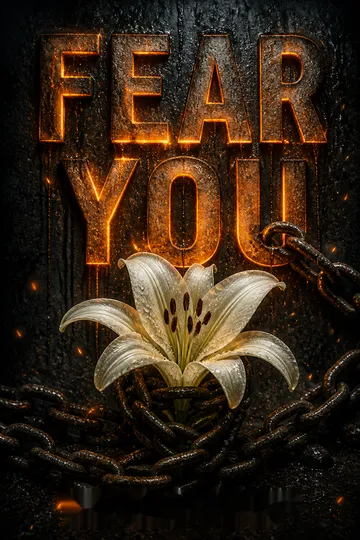
The novel is rich in foreshadowing and symbolism: the playground as a site of trauma and rebirth; the lily tattoo as a symbol of healing and memory; the recurring use of chains, locks, and cages to represent both literal and psychological imprisonment. These devices reinforce the central themes of the novel and create a sense of cohesion and inevitability.
Broken Love Series
About the Author
Other books by B.B. Reid


Download PDF
Download EPUB
.epub digital book format is ideal for reading ebooks on phones, tablets, and e-readers.








































