

Plot Summary
Broken Boys, Broken Homes
Keenan's earliest memories are marked by emotional neglect and a desperate yearning to be wanted. His parents' indifference and his father's alcoholism leave him isolated, craving any form of attention—even if it's negative. The only thing he truly wishes for is to feel wanted, a need that will haunt him into adulthood. This emotional void shapes his relationships, especially with his brother Keiran, who is equally damaged but expresses it through violence and distance. Their home is a place of silence and pain, where love is absent and survival means learning to hide your needs. Keenan's childhood sets the stage for the broken love and self-destructive choices that define his life.
Promises and Betrayals
On prom night, Keenan returns to the people he once called family, only to find himself consumed by jealousy and rage. His relationship with Sheldon, once passionate, is now fractured by betrayal and mistrust. Keenan's pain manifests in destructive behavior—he lashes out at Sheldon, tries to seduce Lake, and ultimately fights his brother Keiran in a brutal, cathartic brawl. The violence is both literal and emotional, as old wounds between brothers and lovers are reopened. Keenan's inability to forgive or be vulnerable leads him to push everyone away, setting him on a path of self-imposed exile. The night ends with Keenan leaving, vowing revenge and carrying the weight of his own bitterness.
Four Years Gone
Four years later, Sheldon is a single mother, struggling to balance college, work, and raising her daughter Kennedy. Keenan has disappeared, leaving behind a trail of broken hearts and unresolved anger. Sheldon's life is defined by routine and sacrifice, her dreams of modeling replaced by the realities of motherhood and Kennedy's epilepsy. The absence of Keenan is a wound that never fully heals, and every day is a battle to protect her daughter from the legacy of pain he left behind. Meanwhile, Keenan has reinvented himself as a tattoo artist in Los Angeles, living under an assumed name and numbing himself with meaningless sex and violence. Both are trapped by the past, unable to move forward or let go.
Secrets and Scars
Sheldon's secret—Kennedy's paternity—remains hidden, even as the child's health issues force Sheldon to confront the possibility of reaching out to Keenan. The narrative flashes back to the moment Sheldon discovered her pregnancy, a time of fear and uncertainty. Her support system is fragile, and her relationship with her family is strained by disappointment and judgment. Keenan, meanwhile, is adrift, haunted by memories of Sheldon and the life he abandoned. His friendship with Di, a fellow survivor of trauma, is both a lifeline and a reminder of the darkness he can't escape. The scars of the past are literal and metaphorical, shaping every decision and relationship.
The Daughter Unveiled
Keenan is drawn back into Sheldon's orbit when Kennedy is kidnapped. The crisis forces the truth into the open: Kennedy is his daughter, a revelation that rocks both Keenan and Sheldon. The knowledge is both a gift and a curse—Keenan is furious at being kept in the dark, while Sheldon is terrified of what his return will mean for their fragile world. The search for Kennedy becomes a crucible, exposing old resentments and forcing Keenan to confront his responsibilities as a father. The emotional stakes are higher than ever, as both parents must navigate their own pain to save their child.
Kidnapped Innocence
Kennedy's abduction is a catalyst for chaos, drawing together a cast of friends and family in a frantic search. The investigation is complicated by mistrust, old grudges, and the involvement of dangerous figures from Keiran and Keenan's past. The kidnappers' motives are murky, and the threat to Kennedy's life is real and immediate. The ordeal tests everyone's limits—Sheldon's resilience, Keenan's capacity for violence, and the bonds between friends and siblings. The narrative explores the moral ambiguity of survival, as characters are forced to make impossible choices and confront the darkness within themselves.
Fathers, Brothers, Enemies
The search for Kennedy brings Keenan face-to-face with his brother Keiran and their shared, traumatic history. Their relationship is a volatile mix of loyalty, rivalry, and unresolved pain. The brothers' past—marked by abuse, secrets, and the legacy of their parents—shapes their every interaction. The narrative delves into the complexities of brotherhood, exploring how love and hate can coexist, and how the sins of the father are visited upon the sons. The lines between family and enemy blur, as old wounds are reopened and new betrayals threaten to destroy what little trust remains.
The Hunt for Kennedy
The search for Kennedy becomes a race against time, with Keenan, Sheldon, Keiran, and their friends pooling resources and skills. The group is a makeshift family, bound by shared trauma and a fierce determination to bring Kennedy home. The investigation uncovers layers of deception, implicating not only strangers but also those closest to them. The narrative is tense and propulsive, as each clue brings them closer to the truth—and to the edge of their own sanity. The hunt is as much about redemption as it is about rescue, forcing each character to confront their own failings and desires.
Old Wounds, New Violence
As the search intensifies, violence erupts—old enemies resurface, and new threats emerge. Keenan's capacity for brutality is tested, as he is forced to kill to protect his daughter. The narrative does not shy away from the psychological toll of violence, exploring how trauma begets trauma and how the cycle of abuse is perpetuated. The cost of love is high, and the characters are forced to reckon with the consequences of their actions. The line between protector and perpetrator blurs, and the question of what one is willing to do for family becomes central.
Reunion and Ruin
Kennedy is rescued, but the ordeal leaves lasting scars. The reunion is bittersweet—joy is tempered by guilt, anger, and the knowledge that nothing will ever be the same. Keenan and Sheldon are forced to confront the reality of their relationship, and the ways in which their love has been both a source of strength and destruction. The family is remade, but the wounds of the past are not easily healed. The narrative explores the possibility of forgiveness, and the difficulty of moving forward when the past is always present.
The Price of Survival
The aftermath of Kennedy's rescue is marked by loss—John, Keenan's father figure, is murdered, plunging the family into grief. The death is a stark reminder of the fragility of life and the cost of survival. Keenan is forced to confront his own emptiness and the fear that he is incapable of love. The narrative grapples with the question of whether redemption is possible, and what it means to be a good parent, partner, and person. The characters are tested by grief, and the choices they make will define the rest of their lives.
Love as Punishment
Keenan and Sheldon's relationship is a battleground—love and hate, pleasure and pain, control and surrender. Their sexual encounters are charged with the history of betrayal and longing, blurring the line between punishment and passion. The narrative explores the ways in which love can be both healing and destructive, and how the need for control can mask deeper vulnerabilities. The struggle for dominance is a reflection of their inability to trust, and the fear that true intimacy will lead to more pain. Ultimately, their love is a form of punishment, a way to atone for past sins and reclaim lost selves.
Truths in the Ashes
In the wake of tragedy, Keenan and Sheldon are forced to confront the truth of their past—Keenan's infidelity, Sheldon's secrets, and the ways in which they have hurt each other. The narrative is raw and honest, as both characters lay bare their wounds and seek forgiveness. The process is painful, but necessary for healing. The possibility of a future together hinges on their ability to accept responsibility, let go of resentment, and choose love over fear. The ashes of the past become the soil for new growth, as they begin to rebuild their lives and family.
Forgiveness and Surrender
Keenan returns, humbled and changed, seeking forgiveness and a second chance. Sheldon, wary but hopeful, must decide whether to risk her heart again. Their reunion is marked by vulnerability and honesty, as they acknowledge the pain they have caused and the love that endures. The narrative emphasizes the importance of surrender—not as defeat, but as an act of trust and commitment. Together, they choose to build a new life, one defined not by the wounds of the past, but by the promise of the future.
A Family Remade
Keenan and Sheldon marry, blending their broken pieces into a new whole. Kennedy is at the center of their world, a symbol of hope and resilience. The family is not perfect, but it is real—bound by love, forgiveness, and the determination to break the cycle of pain. The narrative celebrates the small victories of everyday life, the joy of second chances, and the power of love to heal even the deepest wounds. The story ends with the promise of new beginnings, as the family looks to the future with hope.
The Cycle Continues
Despite the happy ending, the past is never truly gone. The mystery of Kennedy's kidnapping, the murder of Mitch, and the unresolved fate of other characters linger in the background. The narrative acknowledges that healing is a process, and that the cycle of trauma and violence is difficult to break. The story ends on a note of suspense, hinting at future challenges and the need for continued vigilance. The family's journey is ongoing, and the lessons of the past must be remembered if they are to build a better future.
The Past Never Dies
The final chapter reflects on the enduring impact of the past—the ways in which memory shapes identity, and the struggle to find peace in a world marked by pain. Keenan and Sheldon's story is one of survival, resilience, and the refusal to be defined by trauma. The narrative ends with a sense of hope, tempered by the knowledge that the past is always present, and that the work of healing is never truly finished. The family's love is imperfect, but it is enough.
Analysis
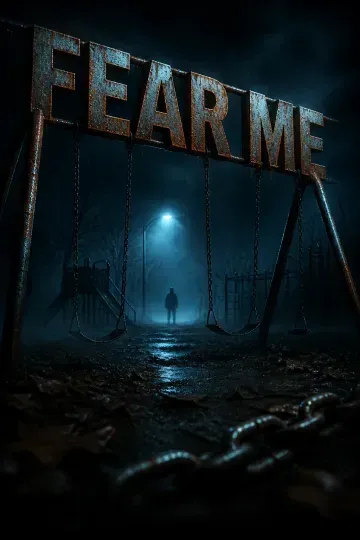
A modern gothic of trauma, love, and survivalFear Us is a raw, unflinching exploration of the ways in which trauma shapes identity, relationships, and the possibility of healing. At its core, the novel is a meditation on the cyclical nature of pain—how the wounds of childhood echo into adulthood, and how love can be both a source of salvation and destruction. The story refuses easy answers, instead embracing the messiness of real life: forgiveness is hard-won, redemption is never complete, and the past is always present. Through its nonlinear structure, dual perspectives, and complex characters, Fear Us challenges the reader to confront uncomfortable truths about abuse, loyalty, and the limits of love. The novel's ultimate message is one of hope—not the naive hope of fairy tales, but the hard-earned hope that comes from surviving, choosing to love again, and daring to break the cycle. In a world where brokenness is inevitable, Fear Us insists that healing is possible, and that even the most shattered families can find a way to be whole.
Review Summary
Fear Us by B.B. Reid receives polarized reviews. Positive reviewers praise the dark, addictive storyline and complex family dynamics, particularly enjoying Kennedy and supporting characters Keiran and Lake. However, many readers criticize protagonist Keenan's abusive behavior toward Sheldon, including physical violence, threats, and psychological manipulation. Critics find his transformation from charming to cruel unbelievable and his redemption insufficient. Several reviewers condemn the romanticization of domestic abuse, cheating, and toxic relationships. Despite storytelling strengths, the book's depiction of violence against women remains controversial, with ratings ranging from enthusiastic five-star endorsements to disgusted one-star warnings.
Characters
Keenan Masters
Keenan is a man shaped by childhood neglect, parental rejection, and the trauma of growing up in a violent, loveless home. His relationship with his brother Keiran is fraught with rivalry and pain, yet also a deep, unspoken loyalty. Keenan's psychological landscape is defined by a desperate need to be wanted, which manifests in self-sabotage, infidelity, and a pattern of pushing away those who care for him. His love for Sheldon is both his salvation and his undoing—he oscillates between tenderness and cruelty, unable to trust or forgive. Fatherhood forces him to confront his own failings and the possibility of redemption. Over the course of the story, Keenan evolves from a broken boy to a man willing to fight for his family, though the scars of his past never fully heal.
Sheldon Chambers
Sheldon is defined by her strength, vulnerability, and capacity for forgiveness. Raised in privilege but emotionally neglected, she seeks love and validation in Keenan, only to be repeatedly hurt by his betrayals. Motherhood transforms her, giving her purpose and grounding her in the present. Sheldon's journey is one of self-discovery—she learns to set boundaries, demand respect, and prioritize her daughter's well-being. Her relationship with Keenan is tumultuous, marked by passion, pain, and the struggle to break free from the cycle of abuse. Sheldon's resilience is her greatest asset, allowing her to survive trauma and ultimately choose love, not as a form of self-sacrifice, but as an act of agency.
Kennedy Chambers
Kennedy is the product of Keenan and Sheldon's tumultuous love—a child born into chaos, yet embodying innocence and resilience. Her epilepsy and kidnapping make her a focal point of the narrative, forcing the adults around her to confront their own failings and fears. Kennedy's presence is a catalyst for change, compelling Keenan and Sheldon to grow beyond their pain. She represents the possibility of breaking the cycle of trauma, and her well-being becomes the measure of her parents' redemption. Kennedy's bond with both parents is immediate and profound, offering hope for a better future.
Keiran Masters
Keiran is Keenan's brother and foil—a man shaped by even greater trauma, whose capacity for violence is both a weapon and a shield. His relationship with Keenan is complex, marked by rivalry, resentment, and a fierce, if dysfunctional, loyalty. Keiran's love for Lake softens his edges, but he remains a dangerous, unpredictable force. His past as a victim of abuse and slavery informs his actions, and his struggle to break free from the cycle of violence is central to his character. Keiran's presence is both a threat and a source of strength, embodying the duality of love and hate.
Lake Monroe
Lake is the emotional heart of the group—a survivor of bullying and trauma who finds strength in love. Her relationship with Keiran is transformative, helping him to confront his demons and choose a different path. Lake's kindness and resilience make her a stabilizing force, and her friendship with Sheldon provides much-needed support. She is a symbol of hope, demonstrating that healing is possible even after profound suffering.
Dash Chambers
Dash is Sheldon's twin brother, caught between loyalty to his family and his own desires. His relationship with Sheldon is strained by her choices, but his love for her is unwavering. Dash's own romantic struggles mirror the central themes of the story—fear of vulnerability, the pain of loss, and the difficulty of moving on. He is a stabilizing presence, often acting as a mediator and protector, but his own wounds run deep.
Di
Di is Keenan's friend and partner in exile—a woman who has survived her own abuse and exploitation. Her relationship with Keenan is platonic but deeply intimate, providing him with a sense of belonging and understanding. Di's wit and resilience mask her pain, and her presence serves as a reminder of the ways in which trauma shapes identity. She is both a lifeline and a cautionary tale, embodying the struggle to reclaim agency and self-worth.
John Masters
John is a complex figure—both a source of pain and a potential for redemption. His absence and failures as a father haunt Keenan and Keiran, shaping their relationships and sense of self. John's death is a turning point, forcing his sons to confront their own capacity for love and forgiveness. His legacy is ambiguous, a reminder that parents are both products and creators of trauma.
Quentin (Q)
Q is a stabilizing force within the group—a friend who has seen his own share of violence and loss. His military background gives him a sense of discipline and purpose, and his loyalty to Keenan and Keiran is unwavering. Q's presence is a reminder of the importance of chosen family, and his moral clarity often serves as a counterbalance to the chaos around him.
Jesse
Jesse is the group's resident hacker and problem-solver, providing the skills and resources needed to track down Kennedy. His outsider status allows him to see things others miss, and his friendship with Lake and the others is based on mutual respect and shared trauma. Jesse's intelligence and resourcefulness are invaluable, and his presence highlights the importance of community in overcoming adversity.
Plot Devices
Nonlinear Narrative and Flashbacks
The story employs a nonlinear structure, weaving together past and present through flashbacks and memories. This device allows the reader to experience the characters' trauma as a living, evolving force—one that shapes their actions and relationships in the present. The use of flashbacks deepens the emotional resonance, providing context for the characters' choices and highlighting the cyclical nature of pain and healing.
Dual Perspectives and Unreliable Narration
The narrative alternates between Keenan and Sheldon's perspectives, offering insight into their inner lives and the ways in which misunderstanding and mistrust fuel conflict. The use of unreliable narration—characters who lie to themselves and each other—creates tension and ambiguity, forcing the reader to question what is real and what is projection. This device underscores the theme that truth is subjective, and that healing requires honesty and vulnerability.
Symbolism and Motifs
Physical symbols—tattoos, scars, and wounds—are used to represent the characters' emotional pain and the ways in which trauma is both visible and hidden. The motif of cycles—violence begetting violence, love turning to hate and back again—reinforces the central theme that breaking free from the past is a continual struggle. The recurring image of the broken home, both literal and metaphorical, serves as a backdrop for the characters' search for belonging.
Foreshadowing and Suspense
The narrative is laced with foreshadowing, hinting at future betrayals, violence, and the lingering threat of unresolved trauma. The mystery of Kennedy's kidnapping, the murder of Mitch, and the fate of other characters create a sense of suspense that propels the story forward. The use of unanswered questions and open endings reflects the reality that healing is an ongoing process, and that some wounds may never fully close.
Broken Love Series

About the Author
Other books by B.B. Reid








Download PDF
Download EPUB
.epub digital book format is ideal for reading ebooks on phones, tablets, and e-readers.








































