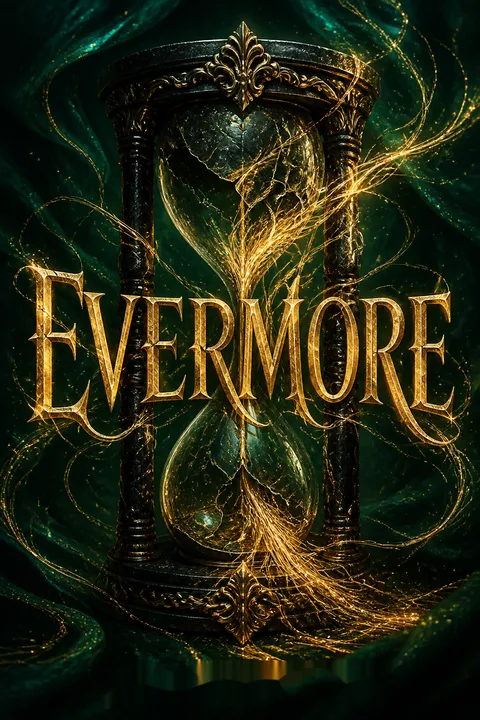

Plot Summary
Bargains and Broken Memories
Paesha's journey begins with a desperate bargain in the underworld, where she promises to return home within seventy-five days or forfeit all memories of her family. But upon her return, her memories of love are stolen, leaving her adrift and vulnerable. She is thrust into a world of shifting alliances, where gods and mortals alike manipulate her for their own ends. The trauma of torture, betrayal, and the loss of her memories fractures her sense of identity, but also forges her into a survivor. As she navigates the treacherous politics of Stirling, she is forced to rely on her wits and the few friends she can trust, all while the gods' games threaten to consume her entirely.
Homecoming and Haunted Hearts
Paesha's return to her found family is bittersweet. She is reunited with Quill, the child she loves as her own, but the home she fought so hard to reach is haunted by grief and loss. The wounds of the past—her own and those of her loved ones—are raw and unhealed. Quill's burgeoning power threatens to overwhelm the household, and Paesha's own trauma makes it difficult to reconnect. The specter of Thorne's betrayal looms large, and the gods' interference is never far away. Yet, in the midst of sorrow, there are moments of laughter and love, reminders of what is at stake and what is worth fighting for.
Prisoners of Time
Thorne, trapped by the Goddess of Time, reflects on the endless cycles of love and loss that have defined his existence. The gods' bargains are revealed as double-edged swords, offering protection at the cost of freedom. Thorne's obsession with Paesha is both his strength and his undoing, and the gods' manipulations threaten to destroy them both. The seductive power of immortality is contrasted with the pain of mortality, and the cost of love is shown to be nothing less than everything. The gods' games are revealed as cruel and capricious, and the mortals caught in their web suffer most of all.
Family Fractures
The fragile peace of the Syndicate house is shattered by Quill's uncontrollable magic and the emotional wounds of its inhabitants. Paesha struggles to set boundaries and provide stability, but the scars of abandonment and betrayal run deep. The arrival of the goddess Aeris, who claims to be a friend, only heightens the tension. The family is forced to confront uncomfortable truths about themselves and each other, and the bonds that hold them together are tested to the breaking point. In the end, it is love—messy, imperfect, and fiercely protective—that offers the only hope of healing.
The Goddess of Renewal
Aeris, the enigmatic Goddess of Renewal, inserts herself into the lives of Paesha and her family, offering help but demanding trust. Her presence is both a balm and a threat, as she soothes Quill's pain but also exerts a subtle control over her. Paesha's instincts warn her against trusting Aeris, but the goddess's power is undeniable. The lines between friend and foe blur, and the cost of accepting help from a god becomes increasingly clear. The question of who truly holds power—gods or mortals—becomes central, and the seeds of future conflict are sown.
Shadows and Sorrow
Paesha's stolen power manifests as Remnants—shadows that whisper with the voices of her past lives. The boundaries between self and other blur as she is haunted by memories that are not her own. The Remnants are both weapon and curse, offering strength but threatening to consume her sanity. The struggle for control becomes a battle for survival, and the line between hero and monster grows thin. The gods' manipulations push Paesha to the brink, and the cost of survival is revealed to be nothing less than her soul.
The Brothers' War
The ancient rivalry between Thorne and Ezra, twin gods, is laid bare. Their war is not just for power, but for Paesha's soul. Each brother claims to love her, but their love is possessive, destructive, and ultimately self-serving. The cycles of death and rebirth, of love and betrayal, are revealed as the true curse. Paesha is the battlefield on which their war is fought, and her suffering is the price of their obsession. The question of whether love can survive such violence is left unanswered, as the brothers' war threatens to destroy everything.
Madness Unleashed
The voices in Paesha's head grow louder, driving her to the edge of madness. The Remnants demand vengeance, urging her to break the world and destroy the gods who have tormented her. The boundaries between past and present, self and other, blur until Paesha is no longer sure who she is. The power she wields is both a gift and a curse, and the temptation to give in to destruction is nearly overwhelming. In the end, it is love—imperfect, wounded, and fiercely protective—that pulls her back from the brink, but the scars remain.
The Price of Power
The cost of power is revealed in all its terrible glory. Every bargain struck, every lie told, every sacrifice made, comes with a price. Paesha is forced to choose between her own freedom and the safety of those she loves. The gods' bargains are shown to be traps, designed to bind and control rather than liberate. The price of freedom is steep, and the question of whether it is worth paying is left hanging. In the end, it is the willingness to pay that price—to sacrifice everything for love—that defines true heroism.
The Marriage Bargain
The political realities of Stirling demand a marriage, and Paesha is forced to choose between love and duty. The marriage to Archer is a strategic alliance, designed to protect the kingdom and those she loves. But the cost is high, and the wounds of the past make it difficult to trust in the future. The question of whether love can survive such sacrifice is central, and the answer is found not in grand gestures, but in the quiet moments of support and understanding. The marriage is both a shield and a prison, and the struggle to reconcile love and duty is ongoing.
The Forgotten's Embrace
Paesha and Thorne journey into the Forgotten, a realm of lost memories and broken souls. The journey is both literal and metaphorical, as they are forced to confront the ghosts of their pasts and the wounds that have never healed. The Forgotten is a place of both danger and possibility, where the rules of reality are bent and the boundaries between self and other are blurred. The journey is a test of love, trust, and the willingness to let go of the past in order to build a future.
The Fates' Deceit
The true enemy is revealed to be the Fates themselves, who have manipulated gods and mortals alike for their own ends. The prophecy that has haunted Paesha's life is shown to be a lie, a tool of control rather than destiny. In a final confrontation, Paesha breaks the Fates' hold, shattering the cycle of death and rebirth that has defined her existence. The cost is high, but the reward is freedom—not just for herself, but for all those who have suffered under the Fates' schemes.
The Queen's Vengeance
The death of Archer shatters Paesha's world, plunging her into a grief so profound it threatens to consume her. In her rage and sorrow, she kills Aeris, her own mother, and ascends to true godhood. The transformation is both a blessing and a curse, granting her the power to protect those she loves but also isolating her from the mortal world. The price of vengeance is revealed to be loneliness, and the question of whether it is worth paying is left unresolved.
The End of the Cycle
The final confrontation with Ezra brings the cycle of love, loss, and betrayal to an end. Thorne sacrifices his power to restore balance, ending the ancient war between brothers and freeing Paesha from the curse that has haunted her for lifetimes. The gods' power is broken, and a new era begins. The cost of peace is high, but the reward is the possibility of a future unburdened by the past.
Freedom and Forgiveness
In the aftermath of war and loss, Paesha and her family begin the slow process of healing and rebuilding. The city is restored, not to perfection, but to a place where life can flourish. The wounds of the past are not forgotten, but they are no longer the only story. Forgiveness—of self and others—is shown to be the key to freedom. The power of choice, denied for so long, is finally reclaimed, and the possibility of happiness is no longer a distant dream.
The New Dawn
The story ends not with a grand victory, but with the quiet triumph of love over despair. Paesha and Thorne, finally free of the gods' games, build a life together that is messy, imperfect, and fiercely beautiful. The scars of the past remain, but they are no longer chains. The future is uncertain, but it is theirs to shape. In the end, it is not power or prophecy that defines them, but the simple, stubborn act of choosing each other, again and again, in this life and every one before.
Analysis
Evermore is a sweeping, emotionally charged fantasy that interrogates the nature of fate, power, and love in a world where gods and mortals are inextricably entwined. At its heart, the novel is a meditation on agency—the struggle to reclaim one's story from the hands of those who would write it for you. Through Paesha's journey from powerless pawn to goddess and queen, the book explores the trauma of manipulation, the cost of survival, and the redemptive power of found family. The gods' games are revealed as both a metaphor for abusive relationships and a literal engine of suffering, and the breaking of the cycle is a triumph of will over destiny. The novel's modern resonance lies in its refusal to offer easy answers: love is not a panacea, power is always double-edged, and healing is a messy, ongoing process. The ultimate lesson is that freedom is not given, but claimed; that forgiveness is not forgetting, but choosing to move forward; and that the greatest power lies not in prophecy or magic, but in the stubborn, everyday act of choosing love—again and again, in this life and every one before.
Review Summary
Evermore concludes Paesha's story and The Never Sky series with intense emotion, complex characters, and masterful world-building. Readers praise the found family dynamic, dual POV, and Miranda Lyn's ability to break and mend hearts. The book features meddling gods, plot twists, and a satisfying end to Paesha and Thorne's journey. While some felt overwhelmed by new plot elements, most found it a fitting finale. Themes of love, betrayal, and redemption resonate throughout, with Paesha's strength and growth highlighted. Overall, fans consider it a bittersweet but beautiful end to the series.
People Also Read
Characters
Paesha Vox
Paesha is the heart of the story—a woman forged in the crucible of loss, betrayal, and relentless manipulation by gods and mortals alike. Her journey from a homeless dancer to an immortal queen is marked by trauma, resilience, and a fierce love for her found family. Paesha's defining trait is her refusal to be a pawn, even as she is forced to bargain away her memories and endure the voices of her past lives. Her relationship with Thorne is both her greatest strength and her deepest wound, a love that spans lifetimes but is constantly tested by the gods' games. As she ascends to godhood, Paesha must confront the darkness within herself and choose between vengeance and forgiveness. Her bond with Quill and Archer anchors her, and her ultimate triumph is not in power, but in reclaiming her agency and the right to choose her own destiny.
Thorne Noctus (Reverius Hawthorne Noctus)
Thorne is a god defined by longing, regret, and the endless cycle of love and loss. His obsession with Paesha is both redemptive and destructive, driving him to make bargains and sacrifices that often backfire. Thorne's power over memories is a double-edged sword, allowing him to protect but also to manipulate. His rivalry with his twin, Ezra, is the engine of the story's conflict, and his willingness to sacrifice his own power for Paesha's freedom is the ultimate act of love. Thorne's journey is one of learning to let go, to trust, and to accept that true love is not possession, but the willingness to set the beloved free. His relationship with Paesha is the story's emotional core, and his growth from a controlling god to a supportive partner is both painful and beautiful.
Archer Bramwell
Archer is the embodiment of steadfast loyalty and selfless love. Orphaned, traumatized, and thrust into a world of gods and politics, he remains a source of humor, comfort, and unwavering support for Paesha and Quill. His magical bond with them, the Treeis, is both a blessing and a curse, ultimately costing him his life. Archer's death is the story's most devastating loss, but his legacy endures in the family he helped build and the courage he inspired. His relationship with Paesha is one of deep friendship and chosen family, and his willingness to sacrifice everything for those he loves is the measure of his heroism.
Quill Vox
Quill is more than a child—she is the living embodiment of hope, empathy, and the possibility of change. Her power to influence emotions is both a gift and a burden, and her struggle to control it mirrors Paesha's own battle with the Remnants. Quill's bond with Paesha and Archer is the emotional anchor of the story, and her true nature as a Fate is a revelation that changes everything. Quill's innocence and wisdom, her capacity for love and forgiveness, are what ultimately allow the family to heal and the cycle to be broken. She is the future, the promise that things can be different.
Ezra Prophet
Ezra is the story's primary antagonist, a god driven by fear, jealousy, and the need to control fate. His rivalry with Thorne is both personal and cosmic, and his obsession with Paesha is a twisted mirror of his brother's love. Ezra's willingness to kill, to manipulate, and to sacrifice anything for his vision of balance makes him a formidable foe. Yet, he is also a tragic figure, trapped by the very prophecy he seeks to fulfill. His ultimate defeat is not just a victory for the protagonists, but a liberation from the cycle of violence and retribution that has defined the gods' existence.
Minerva
Minerva is the voice of reason and the embodiment of hard-won wisdom. Her power is both a blessing and a curse, and her history with the Fates gives her unique insight into the true nature of the conflict. Minerva's relationship with Thorne is maternal, and her guidance is instrumental in helping Paesha and her family navigate the gods' schemes. Her willingness to stand against the Fates, to risk everything for justice, marks her as a true hero.
Tuck
Tuck is the steady hand, the voice of experience, and the unflappable presence in the midst of chaos. His loyalty to Thorne and Paesha is unwavering, and his knowledge is often the key to unraveling the gods' schemes. Tuck's relationship with Thea is a source of warmth and humor, and his willingness to sacrifice for the greater good is a testament to his character.
Thea
Thea is the embodiment of resilience and creativity. Her power to shape and build is both literal and metaphorical, as she creates safe havens for those fleeing the gods' wrath. Thea's friendship with Paesha is a source of strength, and her relationship with Tuck is a quiet, steady love that grounds them both. Thea's willingness to sacrifice for others, to put herself at risk for the greater good, marks her as a true hero.
Aeris
Aeris is a study in contradictions—nurturing and ruthless, loving and manipulative. Her abandonment of Paesha is the wound that shapes much of the protagonist's journey, and her return is both a blessing and a curse. Aeris's true nature as the Goddess of Destruction is a revelation that reframes the entire story, and her death at Paesha's hands is both an act of vengeance and a moment of liberation. Aeris is a reminder that power, even when wielded with good intentions, can be destructive.
The Fates
The Fates are the true architects of the story's conflict, manipulating gods and mortals alike for their own ends. Their prophecy is revealed as a tool of control, and their defeat is the breaking of the cycle that has defined the world. The Fates are both terrifying and pitiable, trapped by their own schemes and ultimately undone by the very power they sought to control.
Plot Devices
Cyclical Fate and Prophecy
The narrative is structured around the idea of endless cycles—of love, loss, death, and rebirth. The prophecy that drives the gods' actions is revealed to be a tool of manipulation, not destiny. This cyclical structure is mirrored in the characters' relationships, particularly between Paesha, Thorne, and Ezra. The breaking of the cycle is both the climax and the resolution, as Paesha reclaims her agency and the right to choose her own fate.
Memory and Identity
Memory is both weapon and shield in the story. Thorne's power over memories allows him to protect and manipulate, and Paesha's stolen memories are the source of her vulnerability and her strength. The Remnants—voices of past lives—are a manifestation of the struggle for identity, and the journey to reclaim those memories is central to Paesha's arc. The question of who we are without our memories, and whether we can ever truly escape the past, is a recurring theme.
Bargains and Sacrifice
Bargains—both literal and metaphorical—drive the plot. Every act of power, every moment of love, comes with a price. The gods' bargains are shown to be traps, and the willingness to pay the price for freedom, for love, for family, is what defines true heroism. Sacrifice is not just about loss, but about the willingness to let go, to trust, and to choose others over oneself.
Found Family and Chosen Bonds
The story is anchored by the idea of found family—those we choose, rather than those we are born to. The Treeis bond between Paesha, Archer, and Quill is both a source of strength and a vulnerability, and the willingness to sacrifice for family is what ultimately breaks the gods' hold. Love, in all its forms, is shown to be the most powerful force in the world, capable of healing even the deepest wounds.
Power and Agency
The struggle for power—between gods and mortals, between men and women, between past and present—is central to the story. The question of who truly holds power, and what it means to wield it responsibly, is explored through the characters' choices and sacrifices. Paesha's journey is one of reclaiming agency, of refusing to be a pawn in the gods' games, and of choosing her own destiny.
Narrative Structure and Foreshadowing
The story is told through alternating perspectives, primarily Paesha and Thorne, allowing for a deep exploration of both characters' inner lives. The use of foreshadowing—through prophecy, visions, and the voices of the Remnants—creates a sense of inevitability and tension. The narrative structure mirrors the cycles of fate, and the breaking of that structure is both a plot device and a thematic resolution.
Download PDF
Download EPUB
.epub digital book format is ideal for reading ebooks on phones, tablets, and e-readers.








































