
Summary Temporarily Unavailable
This summary is temporarily unavailable and is currently being updated. You can still explore the FAQs and other metadata below.
Plot Summary
Ascent into Alien Winter
Duke Alfadas leads a human army alongside elves through treacherous, magical mountains, protected from the deadly cold by elven amulets. The landscape is both beautiful and hostile, unsettling the men. Tensions simmer between Alfadas and the elf Silwyna, his former lover, as old wounds and secrets fester. The journey is marred by tragedy when a man, overcome by the thin air and magic, leaps to his death, foreshadowing the psychological and physical toll of the coming war. The humans feel out of place, their mortality stark against the agelessness of the elves and the indifference of the land. The chapter sets the tone: survival here demands more than strength—it requires confronting the unknown within and without.
Secrets and Sacrifices Revealed
As the army camps, Alfadas and Silwyna confront their past. Silwyna reveals she bore Alfadas a son, Melvyn, raised among wolves to protect him from the elven queen Emerelle's deadly edicts against half-bloods. The confession is raw, exposing the pain of separation, fear, and the impossibility of reconciling love with duty. Silwyna's choices, driven by maternal instinct and terror, clash with Alfadas's longing and anger. Their conversation is a microcosm of the larger conflicts: between races, between personal desire and collective survival, and between the past and the future. The night leaves them both changed, their bond forever marked by loss and the hope that their son might survive in a world that rejects him.
Storms, Skirmishes, and Loss
The army is caught in a blinding snowstorm, and the first real clash with the trolls erupts. The humans, led by Alfadas and the irrepressible Lambi, fight desperately alongside elves to save a convoy of refugees. The trolls are monstrous, nearly invincible, but not immortal. The battle is chaotic, brutal, and costly—lives are lost, and the survivors are shaken. Alfadas's leadership is tested, as is the fragile alliance between races. The aftermath is somber, with the men's courage and doubts laid bare. The chapter captures the terror and exhilaration of battle, the randomness of death, and the necessity of finding meaning in survival.
Trolls on the Ice
The trolls, led by the cunning Orgrim, reveal themselves as more than beasts—they are disciplined, strategic, and ruthless. They use captured elven catapults and ice ammunition to devastating effect, forcing the human-elf alliance into retreat. The centaurs' charge is shattered, and the defenders' morale plummets. The trolls' perspective is chilling: they see the war as a reclamation of their homeland, and their leaders are as ambitious and divided as the elves. The chapter explores the psychology of the enemy, the cost of underestimating them, and the shifting balance of power as the defenders realize they face not monsters, but a civilization determined to conquer.
Courage in the Darkness
In the wake of defeat, Alfadas's men are demoralized. Lambi, with his crude humor and indomitable spirit, rallies them with tales of courage and mockery of the trolls' supposed bravery. The men find new resolve, their camaraderie forged in adversity. The alliance is tested but holds, as each leader—human, elf, centaur—must decide what they are willing to sacrifice. The chapter is a meditation on the nature of courage: not the absence of fear, but the will to act despite it, and the importance of hope and laughter in the face of overwhelming odds.
Fortress of Snow and Stone
The battered army reaches Phylangan, a marvel of elven engineering carved into the mountain. The Snow Harbor dazzles the humans, but tensions flare between the pragmatic, secretive elves and their allies. Alfadas pushes for bold tactics, seeking to use the fortress's ice gliders for daring raids. The elven prince Landoran is cold and dismissive, but some elves, like Fenryl, see the value in Alfadas's audacity. The chapter explores the uneasy coexistence of cultures, the necessity of trust, and the looming threat as the trolls mass for siege. The fortress is both sanctuary and trap, its fate tied to the choices of its defenders.
Ghosts and Godswhips
Back in the Fjordlands, a series of mysterious deaths and aging afflictions strike the village of Firnstayn. The priest Gundar investigates, uncovering that a sacred iron idol has been desecrated, unleashing a vengeful spirit—the wolfhorse. The villagers are paralyzed by fear, and the boundaries between the mortal and supernatural blur. The chapter weaves folklore, faith, and horror, as Gundar seeks to atone for the community's sins and protect the innocent. The gods' justice is arbitrary and cruel, and the cost of transgression is paid in blood and suffering.
The Wolfhorse's Curse
The wolfhorse, a spectral beast, preys on the vulnerable, aging a blind girl, Halgard, and killing her mother. The village is gripped by terror, and Gundar, wracked with guilt, embarks on a pilgrimage to return the stolen iron and appease the god Luth. The narrative shifts between the mundane and the mythic, as the villagers' struggle becomes a battle for the soul of their world. The wolfhorse is both punishment and warning, a manifestation of guilt and the consequences of forgotten pacts. The chapter is suffused with dread, but also with the stubborn hope that redemption is possible.
Siege and Betrayal
The trolls, aided by the spectral Shahondin and the shaman Skanga, exploit secret weaknesses in Phylangan's defenses. Orgrim leads a daring assault through the magical Albenpaths, bypassing the fortress's outer walls. The defenders are caught off guard, and the trolls pour into the heart of the mountain. The siege becomes a battle of attrition, with both sides suffering horrific losses. The elves' reliance on magic and tradition is turned against them, and the cost of pride and secrecy is paid in blood. The chapter is a turning point, as the defenders realize that victory may require sacrificing everything.
The Hall of Fire
Deep within Phylangan, the elves wage a desperate magical battle to contain the volcanic forces threatening to destroy the fortress. Lyndwyn, a gifted sorceress, leads a choir of magic weavers, each risking death by fire to hold back disaster. Ollowain, the swordmaster, discovers the truth and confronts his father, Landoran, about the cost of their struggle. The chapter is a meditation on leadership, generational conflict, and the limits of sacrifice. The elves' greatest strength—their magic—is also their greatest vulnerability, and the line between heroism and madness blurs.
Dance of Blades and Blood
Alfadas leads a series of audacious attacks on the trolls using ice gliders, turning the enemy's discipline against them. The battles are swift, brutal, and costly, with both sides suffering grievous losses. Egil, the king's son, sacrifices himself to save his comrades, embodying the tragic heroism that defines the war. The defenders' victories are pyrrhic, buying time but not safety. The chapter is a whirlwind of action, sacrifice, and the relentless grind of war, as hope flickers and fades with each new loss.
Collapse of the Stone Garden
The trolls breach the final defenses, and the fortress collapses in fire and ash. The defenders fight a doomed rearguard, buying time for refugees to escape. Gondoran, the master of waters, unleashes the mountain's fury, sealing the pass and destroying both friend and foe. Ollowain rescues Lyndwyn, but she is lost to the moonlight, her sacrifice the price of salvation. The survivors flee into the wilderness, their world irrevocably changed. The chapter is an elegy for lost glory, the end of an age, and the beginning of exile and wandering.
Flight and Ruin
The survivors scatter across the Fjordlands, pursued by trolls. Asla, Alfadas's wife, leads a desperate flight with her children and the queen Emerelle, seeking sanctuary in the mountains. Towns and villages are razed, and the refugees are forced to abandon the weak and the old. The trolls hunt them like animals, and the landscape is littered with the bones of the dead. The chapter is a chronicle of suffering, resilience, and the struggle to preserve hope and dignity in the face of annihilation.
The Last Defenders
The refugees make their last stand at Sunhill, fortifying the mountain pass with palisades and barricades. Kalf, the fisherman, and Asla lead the defense, knowing it is hopeless. The trolls break through, and the defenders unleash an avalanche, sacrificing themselves to buy time for the others to escape. Emerelle surrenders to the trolls to save the children, and the survivors scatter into the wilderness. The chapter is a testament to the power of ordinary people to shape history through courage, love, and sacrifice.
Children of Sorrow
Ulric and Halgard, children scarred by war, struggle to survive in the aftermath. Ulric kills a troll to protect his friend, but the act leaves him hollow. Blood, the loyal dog, leads Alfadas to the bodies of the children, and a funeral pyre is built. Emerelle intervenes, using her magic to restore life to Ulric and Halgard, a rare miracle in a world of suffering. The chapter is a meditation on grief, the cost of innocence lost, and the possibility of renewal even in the darkest times.
The King's Return
The war ends in exhaustion and ruin. Alfadas is crowned king, not by birthright but by the will of the people and the legends that surround him. The survivors gather, rebuilding their shattered world with the help of centaurs and elves. Old wounds remain, and the fate of the lost—Asla, Kadlin, Kalf—remains uncertain. The chapter is both an ending and a beginning, as the characters find meaning in survival, community, and the stories they choose to believe.
Love, Loss, and Summer
In a hidden valley, Asla, Kalf, and Kadlin find refuge and a new life, joined by Silwyna and her child. The war is over, but its scars remain. The survivors cherish the simple joys of family, love, and the return of summer. The story ends not with triumph, but with the quiet resilience of those who endure, the promise of new beginnings, and the hope that the lessons of the past will not be forgotten.
Analysis
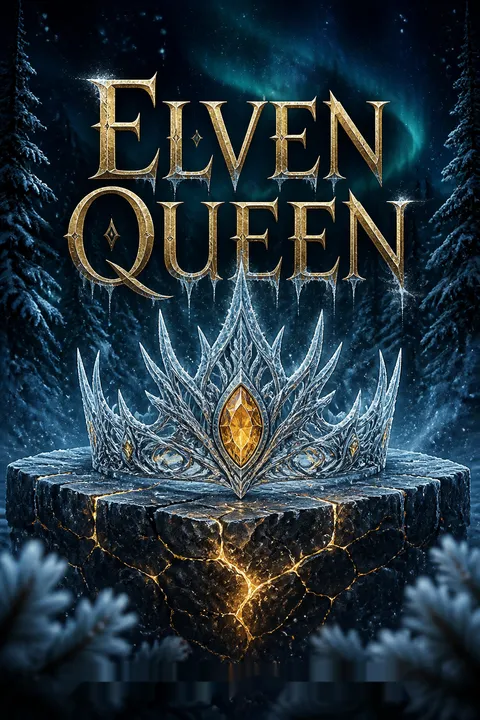
Bernhard Hennen's Elven Queen is a sweeping epic that interrogates the nature of heroism, the costs of survival, and the meaning of home in a world torn by war and magic. At its heart, the novel is about the collision of worlds—human and elven, mortal and immortal, past and future—and the individuals caught in the crossfire. Through its interwoven narratives and shifting perspectives, the story refuses easy answers: enemies are humanized, heroes are flawed, and victory is always bittersweet. The recurring cycles of sacrifice and renewal suggest that history is both a burden and a source of hope, and that the stories we tell—about gods, kings, and lost loves—shape our ability to endure. The novel's greatest lesson is that survival is not merely the absence of death, but the willingness to find meaning, connection, and even joy amid loss. In the end, Elven Queen is less about triumph than about resilience: the quiet, stubborn refusal to let the light go out, even in the longest winter.
Last updated:
Report IssueReview Summary
People Also Read




Characters
Alfadas Mandredson
Alfadas is the human duke whose journey from reluctant commander to king is marked by loss, guilt, and impossible choices. Raised among elves, he is both insider and outsider, never fully at home in either world. His love for Silwyna, the elf, and Asla, his human wife, embodies the central conflict between duty and desire. Alfadas is driven by a need to protect his people and family, but is haunted by the knowledge that he cannot save everyone. His psychological arc is one of endurance: he absorbs pain, loss, and betrayal, yet continues to lead, finding meaning in sacrifice and the hope of renewal.
Silwyna
Silwyna is a Maurawan elf, fiercely independent and deeply connected to the wild. Her love affair with Alfadas results in a forbidden child, Melvyn, whom she raises among wolves to protect him from elven law. Silwyna is both nurturing and ruthless, willing to sacrifice her own happiness for her child's safety. She is an outsider among elves and humans alike, embodying the pain of those who do not belong. Her psychological complexity lies in her ability to love fiercely while accepting the necessity of separation and secrecy. She is a catalyst for Alfadas's growth and a symbol of the costs of love in a divided world.
Asla
Asla is Alfadas's human wife, a woman of strength, wit, and unyielding resolve. She leads the refugees through unimaginable hardship, making impossible decisions to save her children and community. Asla's love for Alfadas is tested by absence, betrayal, and the demands of leadership. She is both nurturing and pragmatic, willing to sacrifice her own happiness for the greater good. Her psychological journey is one of transformation: from fisherman's daughter to duchess, from follower to leader, and ultimately to a symbol of hope and endurance.
Ollowain
Ollowain is the elven swordmaster, foster father to Alfadas, and a man caught between worlds. He is a master of war, but his greatest battles are internal: with his father Landoran, with his love for Lyndwyn, and with his own sense of honor. Ollowain is stoic, disciplined, and self-sacrificing, but also deeply wounded by loss and regret. His psychological arc is one of reconciliation: learning to accept his limitations, forgive himself, and find meaning in love and loyalty, even when victory is impossible.
Orgrim
Orgrim is the most formidable of the trolls, a leader who combines brute strength with cunning intelligence. He is haunted by memories of past lives and the knowledge that his destiny is shaped by forces beyond his control. Orgrim is both a conqueror and a victim, manipulated by the shaman Skanga and the ambitions of his king. His psychological complexity lies in his struggle to reconcile honor with survival, and in his recognition that victory may come at the cost of his own soul.
Emerelle
Emerelle is the ancient queen of the elves, a figure of immense power and inscrutable motives. She is both protector and judge, capable of great mercy and ruthless judgment. Her decisions shape the fate of nations, but she is also isolated by her role and the burdens of leadership. Emerelle's psychological depth is revealed in her moments of vulnerability, her willingness to sacrifice herself for others, and her struggle to balance tradition with change.
Lambi
Lambi is the coarse, fearless war jarl whose humor and resilience keep the human army together. He is a survivor, a pragmatist, and a man who hides his pain behind jokes and bravado. Lambi's loyalty to Alfadas is unwavering, and his willingness to challenge authority makes him both a valuable ally and a thorn in the side of leaders. His psychological arc is one of acceptance: learning to value himself, to lead in his own way, and to find meaning in friendship and survival.
Kalf
Kalf is the everyman hero, a fisherman who becomes a leader through necessity and love. His devotion to Asla is quiet but profound, and his courage is measured not in grand gestures but in steadfastness and sacrifice. Kalf's psychological journey is one of longing, acceptance, and the quiet heroism of those who endure without recognition. He represents the strength of ordinary people in extraordinary times.
Lyndwyn
Lyndwyn is a young elven magic weaver whose power is both a gift and a curse. Her love for Ollowain is doomed by circumstance and sacrifice. She leads the magical defense of Phylangan, ultimately giving her life to save others. Lyndwyn's psychological arc is one of self-discovery, love, and the acceptance of mortality. She embodies the costs of greatness and the tragedy of unfulfilled potential.
Halgard and Ulric
Halgard, the blind girl, and Ulric, Alfadas's son, are the children whose journey through war and loss mirrors the destruction of innocence. They endure trauma, violence, and the threat of death, yet their friendship and courage offer a glimmer of hope. Their psychological journey is one of survival, adaptation, and the possibility of healing, symbolizing the future that must be rebuilt from the ashes of the old world.
Plot Devices
Dual Worlds and Magical Realism
The novel weaves together the human world and the magical realm of Albenmark, using portals, enchanted landscapes, and supernatural beings to explore themes of exile, belonging, and transformation. The boundaries between worlds are porous, allowing characters to cross physically and psychologically. This device enables the story to juxtapose the mundane and the mythic, highlighting the costs and possibilities of change.
Interwoven Narratives and Shifting Perspectives
The story unfolds through a tapestry of perspectives: human, elf, troll, child, and even ghost. This structure allows for a nuanced exploration of conflict, empathy, and misunderstanding. By inhabiting the minds of enemies and allies alike, the narrative challenges simplistic notions of good and evil, revealing the complexity of motivation and the tragedy of war.
Foreshadowing and Prophecy
The novel is rich with prophecy, dreams, and signs from the gods, creating a sense of inevitability and doom. Characters are haunted by visions and warnings, and their attempts to defy or fulfill fate drive much of the action. The use of foreshadowing heightens tension and underscores the themes of destiny, choice, and the limits of human agency.
Sacrifice and Cyclical History
The narrative is structured around cycles of sacrifice: personal, communal, and cosmic. Characters repeatedly face the necessity of giving up what they love for the greater good, and history is shown to repeat itself in new forms. The fall of Phylangan echoes past tragedies, and the survivors' attempts to rebuild are haunted by memory and myth. This cyclical structure reinforces the themes of endurance, memory, and the hope that new beginnings can emerge from old wounds.
Symbolism and Motifs
The story is threaded with potent symbols: the wolfhorse as guilt and punishment, the ironbeard idols as the price of faith, the Albenstone as the burden of power, and the pyre as both ending and renewal. Motifs of blindness, winter, and song recur, linking characters and events across the narrative. These devices enrich the emotional resonance and invite readers to find meaning beneath the surface.
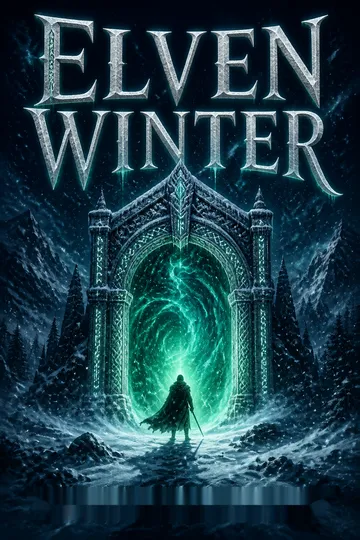
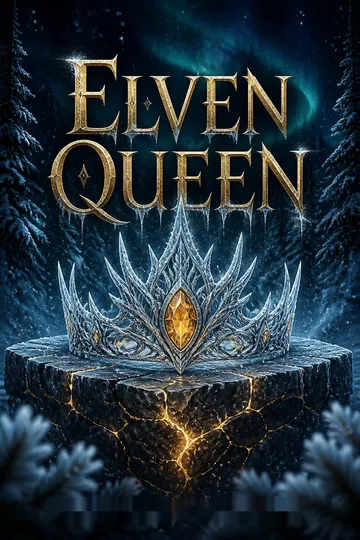
The Saga of the Elven Series
About the Author
Bernhard Hennen, born in 1966 in Krefeld, is a German author with a background in German studies, archaeology, and history. He began his career as a journalist before co-authoring his first novel in 1994, which won an award for best German fantasy novel. Hennen has since written approximately 25 historical and fantasy novels, as well as short stories. He has also developed storylines for computer games and adventure modules for fantasy role-playing games. In addition to his writing, Hennen received a scholarship from the Sparkassenstiftung to support his work. He is married with two children and currently resides in his hometown of Krefeld.
Other books by Bernhard Hennen
Download PDF
Download EPUB
.epub digital book format is ideal for reading ebooks on phones, tablets, and e-readers.








































