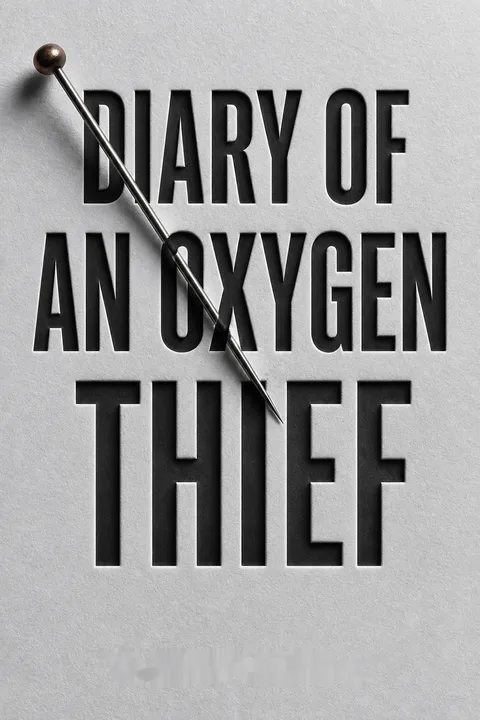

Plot Summary
Confessions of a Heartbreaker
The narrator opens with a raw confession: he enjoys emotionally hurting women, likening his pleasure to that of a remorseless serial killer. He never physically abuses, but his weapon is psychological cruelty. He waits until women are deeply in love, then shatters them, relishing the shock and pain in their eyes. He admits to "killing" souls, and claims he's telling his story because he's finally received his own comeuppance. This is not a plea for sympathy, but a search for balance—he's been punished, and now feels cleansed enough to speak. The tone is confessional, unflinching, and darkly honest, setting the stage for a journey through guilt, addiction, and the cyclical nature of pain.
The Pleasure of Hurting
The narrator dissects his motivations, tracing his cruelty to his own suffering. He drinks to numb himself, but finds a twisted solace in inflicting pain on others, especially women. He becomes a master manipulator, drawing women in with charm and attentive listening, only to discard them once they're emotionally invested. The process is methodical: he collects their secrets, then weaponizes them. He recognizes his misogyny, but frames it as a response to his own wounds—"hurt people hurt people." The pleasure is not in sex or conquest, but in the moment of emotional devastation, which makes him feel alive and in control, even as he spirals deeper into self-loathing.
Penelope's Undoing
Penelope, his long-term girlfriend, becomes the ultimate victim. He loves her, but needs to destroy the relationship to protect his drinking. In a calculated, drunken assault, he dismantles four years of intimacy with a barrage of insults and confessions, pushing her to leave him. He even scripts her revenge, hoping she'll hurt him back so he won't lose her completely. The cruelty is surgical, yet tinged with regret—he knows she didn't deserve it, but he's compelled by boredom and self-destruction. The aftermath is hollow: Penelope leaves, and the narrator is left to stew in paranoia, guilt, and the realization that he's orchestrated his own loneliness.
Guilt and Abstinence
After Penelope, the narrator plunges into guilt and self-imposed celibacy, abstaining from women for five years while attending Alcoholics Anonymous. The absence of alcohol doesn't cure his need to hurt; instead, it festers as shame and isolation. He's haunted by memories of those he's damaged, unable to believe he deserves connection. The AA community offers structure and a sense of belonging, but the underlying wounds remain. He reflects on his childhood traumas—abuse, parental neglect—and wonders if these seeded his later cruelty. The chapter is marked by introspection, as he tries to understand the roots of his behavior and the possibility of redemption.
The Cycle of Pain
The narrator resumes his pattern, targeting vulnerable women—virgins, the recently jilted, the emotionally fragile. Each encounter is a variation on the same theme: he seduces, listens, and then inflicts maximum damage, sometimes fantasizing about pushing someone to suicide. He recognizes a law of emotional gravity: what you do comes back to you, often with greater force. Yet, he's both fascinated and repulsed by his own capacity for harm. The cycle is self-perpetuating, fueled by a mix of boredom, resentment, and the need to feel something—anything—through the numbness of sobriety and routine.
London Nights, Broken Hearts
In London, the narrator's life is a carousel of freelance advertising gigs, drunken nights, and transient relationships. He moves from woman to woman, each encounter blending into the next, marked by manipulation and emotional detachment. The city's anonymity amplifies his sense of disconnection, even as he craves intimacy. He's both predator and victim, haunted by the faces of those he's hurt and the emptiness that follows each conquest. The chapter captures the loneliness of urban life, the search for meaning in fleeting pleasures, and the slow erosion of self-worth.
Alcohol and Alienation
Alcohol is both the narrator's escape and his undoing. His drinking escalates, leading to violence, blackouts, and near-death experiences. He's beaten in bars, loses jobs, and alienates friends. The narrative blurs between self-pity and self-awareness—he knows he's responsible for his misery, but can't break free. The turning point comes with a violent incident and a realization that he's become a danger to himself and others. He enters AA, beginning the long, painful process of recovery, but the scars of addiction linger, shaping his relationships and worldview.
American Exile
Offered a prestigious job in Minnesota, the narrator leaves London, hoping for reinvention. The American Midwest is alien and sterile, its politeness masking a deep sense of exile. He buys a house, earns a high salary, and tries to fit in, but feels like an imposter. The cold, both literal and emotional, seeps into his bones. He avoids relationships, fearing entrapment, and clings to European culture as a lifeline. The chapter explores themes of displacement, the illusion of starting over, and the persistence of inner demons despite external change.
The Minnesota Freeze
The narrator's life in Minnesota is marked by extreme weather, loneliness, and a growing sense of entrapment. He becomes obsessed with selling his house and escaping, but the market is stagnant. The endless winter mirrors his emotional state—frozen, numb, and desperate for warmth. He finds solace in routine, masturbation, and the occasional AA meeting, but the ache for intimacy remains. The chapter is a meditation on the limits of self-reinvention and the ways in which environment shapes, but cannot heal, internal wounds.
The Dream of Aisling
In New York for a work assignment, the narrator meets Aisling, a young Irish photographer's assistant. She is intelligent, beautiful, and enigmatic—everything he's been longing for. Their connection is immediate and electric, rekindling feelings he thought were dead. He projects fantasies of redemption and love onto her, convinced she's a gift from his deceased father. But beneath the surface, he senses danger—a hidden agenda, a capacity for cruelty that mirrors his own. The chapter is charged with longing, vulnerability, and the fear of being hurt in return.
Seduction and Obsession
The relationship with Aisling becomes an all-consuming obsession. The narrator moves to New York, convinced she is his salvation, but quickly finds himself ensnared in a web of ambiguity and rejection. Aisling is alternately affectionate and distant, drawing him in only to push him away. He becomes paranoid, interpreting every gesture as part of a larger scheme—perhaps she's using him for her career, or as material for an art project. The emotional stakes escalate, and the narrator's sense of self begins to fracture under the weight of longing and suspicion.
The New York Encounter
The narrator's pursuit of Aisling culminates in a series of humiliations. She orchestrates situations that echo his own past cruelties: public rejection, subtle mockery, and the use of photography to capture his vulnerability. In a climactic scene at the Cat and Mouse bar, he is subjected to a ritualized shaming, surrounded by her friends and collaborators. The experience is both surreal and devastating—he recognizes the symmetry between his past actions and his current suffering. The emotional violence he once inflicted is now visited upon him, and he is powerless to resist.
The Art of Revenge
The narrator becomes convinced that Aisling's actions are part of a deliberate project—a photo-essay on heartbreak, with him as the unwitting subject. Every interaction is scrutinized for hidden meaning, every photograph a potential weapon. He is both fascinated and horrified by the sophistication of her revenge, which far surpasses his own amateurish cruelties. The line between reality and paranoia blurs, but the pain is real. He is forced to confront the consequences of his past, and the possibility that he has finally met his match.
Humiliation in the Cat and Mouse
The Cat and Mouse bar becomes the stage for the narrator's ultimate humiliation. Surrounded by Aisling's friends, he is mocked, photographed, and physically restrained. The rituals of shaming are both intimate and theatrical, designed to strip him of dignity and agency. He recognizes the echoes of his own past behavior, but the experience is no less excruciating. The chapter is a meditation on power, vulnerability, and the ways in which cruelty can be disguised as art, justice, or even love. Brazilian Shirt plays a key role in orchestrating this humiliation.
The Mirror Turns
In the aftermath of his humiliation, the narrator is left to pick through the wreckage of his ego. He reflects on the symmetry of his journey—the pain he inflicted has returned to him, magnified and refined. He wonders if this is justice, fate, or simply the randomness of life. The experience forces him to confront his own capacity for self-delusion, and the limits of redemption. He is both chastened and strangely grateful, recognizing that suffering has the power to transform, even if it does not absolve.
The Final Drink
The narrator's ordeal brings him perilously close to relapse. In a final act of cruelty, Aisling offers him a drink laced with vodka, testing his sobriety and resolve. He resists, drawing on the lessons of AA and the hard-won habits of survival. The moment is symbolic—a test of whether he will succumb to old patterns or choose a different path. He recognizes that the cycle of pain can be broken, but only through vigilance, humility, and the willingness to endure discomfort without seeking escape.
Writing for Redemption
The narrator turns to writing as a means of processing his experience and reclaiming agency. He frames his memoir as both confession and counterattack—a way to have the "first word" before Aisling's supposed photo-essay is published. The act of writing becomes a form of self-examination, a search for meaning in suffering, and a plea for understanding. He acknowledges the pettiness and bitterness that linger, but also the possibility of growth. The narrative is left open-ended, a comma rather than a period, as he continues to grapple with the aftermath.
Lessons in Symmetry
In the closing reflections, the narrator contemplates the symmetry of his journey. The pain he inflicted has returned to him, not as punishment, but as consequence. He recognizes that everyone carries wounds, and that the urge to hurt is often a distorted plea for connection. The lesson is not one of simple morality, but of complexity—hurt people hurt people, but they can also choose to break the cycle. Redemption is possible, but it requires honesty, humility, and the courage to face oneself in the mirror, scars and all.
Analysis
A modern parable of pain, addiction, and the search for redemptionDiary of an Oxygen Thief is a brutally honest exploration of the cycles of emotional violence, addiction, and self-destruction that define modern relationships. The narrator's journey from perpetrator to victim is both a cautionary tale and a meditation on the nature of suffering. The novel interrogates the ways in which hurt people perpetuate hurt, often unconsciously, and the difficulty of breaking free from inherited patterns of pain. Its confessional style invites readers to empathize with a deeply flawed protagonist, while also challenging them to confront uncomfortable truths about power, vulnerability, and the commodification of intimacy. The use of metafiction and paranoia blurs the boundaries between art and life, suggesting that storytelling itself can be both a weapon and a path to healing. Ultimately, the book offers no easy answers—redemption is possible, but only through the painful work of self-examination, humility, and the willingness to face one's own darkness.
Review Summary
Diary of an Oxygen Thief received mixed reviews, with an overall rating of 2.69 out of 5. Some readers found it intriguing, dark, and thought-provoking, appreciating its unique perspective and writing style. However, many criticized it as boring, poorly written, and overly edgy. Critics described the protagonist as misogynistic and unlikeable, with the book lacking plot and character development. Some readers felt deceived by the viral hype, while others praised its psychological insights. The book's controversial content and anonymous authorship sparked debate among readers.
People Also Read




Characters
The Narrator (Anonymous)
The unnamed narrator is a deeply flawed antihero, defined by his compulsion to hurt women emotionally. His relationships are transactional, fueled by a need for control and a desire to externalize his own pain. Psychoanalytically, he is a classic case of the wounded child turned abuser—his cruelty is both a defense mechanism and a cry for help. His journey is marked by cycles of addiction, guilt, and self-examination. He is intelligent, self-aware, and often darkly humorous, but also unreliable and prone to self-pity. Over the course of the narrative, he is forced to confront the consequences of his actions, ultimately seeking redemption through suffering and self-reflection.
Penelope (Pen)
Penelope is the narrator's long-term girlfriend and the most significant victim of his cruelty. She is kind, attentive, and undeserving of the pain inflicted upon her. Her relationship with the narrator is marked by genuine affection, but also by his growing resentment and need for self-destruction. When he finally breaks her, it is with calculated malice, designed to force her to leave. Penelope's departure is a turning point, triggering the narrator's descent into guilt and self-imposed exile. She represents lost innocence and the enduring impact of emotional violence.
Aisling
Aisling is the narrator's obsession and eventual nemesis. She is beautiful, talented, and emotionally elusive, drawing the narrator in with a mix of warmth and detachment. Her motives are ambiguous—she may be seeking revenge, artistic material, or simply exercising her own agency. Psychoanalytically, she is both mirror and avenger, reflecting the narrator's own cruelty back at him with greater sophistication. Her actions force him to confront his vulnerabilities and the limits of his control. Aisling's character blurs the line between victim and perpetrator, challenging traditional gender dynamics and the nature of power in relationships.
The Narrator's Father
The narrator's father is a background presence, shaping his son's psyche through neglect and a pivotal moment of rejection. His coldness and indifference leave lasting scars, contributing to the narrator's sense of isolation and unworthiness. The father's death marks a period of transition, prompting reflection and a search for meaning. He represents the generational transmission of pain and the difficulty of breaking free from inherited patterns.
The Narrator's Mother
The mother is largely absent from the narrator's emotional life, contributing to his feelings of abandonment and invisibility. Her presence is felt most acutely after the father's death, when the two are left to navigate grief together. She embodies the quiet suffering that underpins much of the narrator's worldview, and her passivity serves as a counterpoint to his own destructive agency.
Penelope's Successors (Various Women)
The women the narrator targets after Penelope are a gallery of vulnerability: virgins, the recently heartbroken, the emotionally unstable. Each is drawn in by his charm and attentiveness, only to be discarded once he has extracted their secrets and inflicted pain. They serve as both objects of desire and mirrors for the narrator's own wounds. Their collective presence underscores the repetitive, compulsive nature of his behavior, and the cumulative toll of emotional violence.
Brazilian Shirt (Aisling's Friend)
Brazilian Shirt is a key figure in the Cat and Mouse bar scene, orchestrating the narrator's public shaming with theatrical flair. He is both collaborator and provocateur, embodying the collective power of Aisling's social circle. His actions are calculated to maximize the narrator's humiliation, blurring the line between performance and cruelty. He represents the externalization of the narrator's internal fears—the fear of exposure, ridicule, and impotence.
AA Community
The Alcoholics Anonymous community provides the narrator with a framework for recovery and self-examination. Its rituals and camaraderie offer stability in the midst of chaos, but also force him to confront uncomfortable truths. The AA meetings serve as a backdrop for moments of insight, confession, and connection, highlighting the possibility of change even for those most damaged.
The Narrator's Creative Partners
The narrator's colleagues in advertising are both allies and rivals, reflecting his ambivalence toward success and collaboration. His relationships with them are marked by envy, frustration, and a sense of being misunderstood. They serve as foils for his own ambitions and insecurities, and their presence underscores the tension between personal fulfillment and professional achievement.
The New York Social Circle
The friends and acquaintances surrounding Aisling in New York are depicted as sophisticated, detached, and occasionally cruel. They participate in the rituals of humiliation, providing an audience for the narrator's downfall. Their presence amplifies his sense of alienation and the performative nature of modern relationships, where intimacy is often a spectacle and vulnerability a commodity.
Plot Devices
Confessional Narrative Structure
The novel is structured as a diary or memoir, granting the narrator license to be brutally honest, self-deprecating, and unreliable. This confessional mode draws readers into his psyche, exposing the rawness of his emotions and the contradictions of his character. The structure allows for digressions, flashbacks, and meta-commentary, blurring the line between truth and self-serving narrative. The reader is both confidant and judge, complicit in the narrator's search for meaning and absolution.
Cyclical Symmetry and Reversal
The narrative is driven by cycles—of addiction, cruelty, and retribution. The symmetry between the narrator's past actions and his eventual victimization is central: the pain he inflicts returns to him, often in more sophisticated forms. This cyclical structure reinforces the theme that "hurt people hurt people," and that emotional violence is rarely contained. The reversal of roles—from perpetrator to victim—serves as both punishment and revelation, forcing the narrator to confront the reality of his own suffering.
Metafiction and Paranoia
The novel frequently questions its own reality, with the narrator speculating about hidden agendas, conspiracies, and the possibility that he is being used as material for someone else's art. This metafictional device heightens the sense of paranoia and unreliability, inviting readers to question what is real and what is projection. The act of writing itself becomes a plot device—a means of reclaiming agency, seeking revenge, and processing trauma.
Symbolic Use of Photography
Photography recurs as a motif, symbolizing both intimacy and exposure. Aisling's use of the camera to document the narrator's humiliation mirrors his own past manipulation of women's emotions. The camera becomes a weapon, freezing moments of vulnerability and turning them into objects of art or ridicule. This device underscores the themes of surveillance, performance, and the commodification of pain.
Foreshadowing and Retrospection
The narrative is laced with foreshadowing—ominous hints of future suffering, warnings from other characters, and the narrator's own premonitions. Retrospection is equally important, as the narrator continually revisits and reinterprets past events in light of new experiences. This interplay between past and present creates a sense of inevitability, as if the narrator is trapped in a story he cannot escape, only narrate.
About the Author
Other books by Anonymous










Download PDF
Download EPUB
.epub digital book format is ideal for reading ebooks on phones, tablets, and e-readers.








































