
Plot Summary
Devil's Invitation
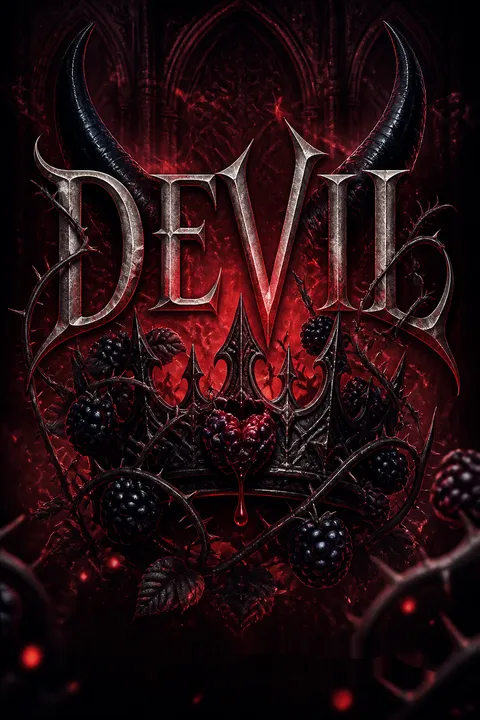
In the shadowed heart of Ash Grove, the devil—Judas—waits, his centuries-long fascination with Blythe finally reaching its climax. He orchestrates her arrival through subtle manipulations, weaving together the fates of the Halloween Boys and their beloved. The town, haunted by curses and old magic, becomes the stage for his occult drama. Judas is not the devil of fire and brimstone, but a cunning, enigmatic force, blending seduction and terror. His invitation is irresistible, and Blythe, driven by visions of her lovers' deaths, steps willingly into his trap. The devil's world is not what she expects: it is a mirror of her own desires and fears, a place where the boundaries between love, death, and damnation blur. The story begins with a promise: nothing in hell is as it seems.
Death in the Blackberry Patch
Blythe, the reaper and beloved of the Halloween Boys, is found lifeless in the blackberry patch—a place of old superstitions and devilish lore. Her death is not final but a passage: her soul is drawn into hell, leaving her lovers—Wolf, Onyx, and Ghost—devastated and desperate. Each man is haunted by guilt and longing, their bonds tested by grief. The blackberry patch, a symbol of forbidden knowledge and transition, marks the threshold between worlds. Blythe's journey is both a sacrifice to save her boys and a surrender to the devil's call. Her body is cold, but her spirit is on the move, entering a realm where she must confront the devil's true intentions and her own hidden power.
The Bargain and the Curse
The roots of Ash Grove's curse are revealed through flashbacks and confessions. Each of the Halloween Boys has, knowingly or not, made a bargain with the devil—trading pieces of their souls for love, power, or redemption. The devil's influence is everywhere: in the haunted church, the blood rituals, the seductive festivals. Blythe's own nature as Mortala, the queen of death, is entwined with Judas's schemes. The bargains are not simple exchanges but intricate traps, binding the characters to cycles of suffering and longing. The curse is both personal and communal, shaping the fate of the town and its supernatural denizens. The devil's greatest trick is convincing them that their choices are their own.
Through the Veil
Guided by a trickster spirit, Blythe enters hell—a place eerily familiar, echoing Ash Grove's streets and rituals. The underworld is not a fiery abyss but a shadowed reflection of her own memories and desires. She is both guest and prisoner, led through a series of rooms and illusions designed to unsettle and seduce her. The devil's presence is everywhere: in the architecture, the food, the music. Blythe's journey is a test of will and identity, as she navigates the devil's games and confronts her own fears. The veil between worlds is thin, and the boundaries between victim and queen, captive and ruler, begin to dissolve.
The Queen's Descent
In hell's Lamb's Blood Church, Blythe is both pampered and tormented. The devil courts her with gifts, riddles, and forbidden pleasures, seeking to awaken her true nature as Mortala. She resists, bargaining for the lives of her lovers, but is drawn ever deeper into his web. The devil's seduction is psychological as much as physical: he offers her power, understanding, and a place at his side. Blythe's memories blur with visions and dreams, her sense of self unraveling. The descent is not just into hell, but into her own darkness—a necessary passage before she can claim her crown.
The Halloween Boys' Grief
Wolf, Onyx, and Ghost are shattered by Blythe's loss. Each man confronts his own demons: Wolf's guilt and need for control, Onyx's self-loathing and longing, Ghost's rage and sense of failure. Their grief is raw and violent, but it forges a deeper bond between them. Guided by familiars and witches, they uncover the truth of Blythe's fate and the devil's machinations. The boys must decide whether to risk everything—life, soul, and sanity—to descend into hell and reclaim their queen. Their journey is as much about self-discovery as rescue, forcing them to confront the bargains they have made and the monsters they have become.
Hell's Carnival of Mirrors
The Halloween Boys, joined by allies and haunted by enemies, descend through the levels of hell. Each is confronted by a personal trial: Wolf faces abandonment and uselessness, Onyx battles his own doppelgängers and shame, Ghost is trapped in a train of the damned, forced to confront his humanity. The underworld is a carnival of mirrors, reflecting their fears, desires, and regrets. The devil's presence is felt in every trial, his riddles and manipulations pushing them toward transformation. The boys must learn to forgive themselves and each other, to accept their darkness as well as their love for Blythe.
The Devil's Game
In the heart of hell, Blythe and the devil engage in a battle of wits and wills. Their relationship is a twisted courtship, blending seduction, violence, and mutual fascination. Judas reveals his true nature: not just a tormentor, but a seeker, a lover, and a mirror to Blythe's own power. The two are locked in a game where the stakes are the fate of Ash Grove, the souls of the Halloween Boys, and the balance of the underworld itself. Blythe must decide whether to surrender, resist, or rewrite the rules. The devil's greatest vulnerability is his longing for her, and Blythe's is her refusal to accept her own darkness.
Familiars and Secrets
The familiars—Raven, Cat, and others—gather in secret councils, trading gossip and magical intelligence. Their perspective offers a sly, subversive commentary on the events unfolding among the humans and monsters. Through their eyes, we see the interconnectedness of all things: the way bargains ripple through the world, the hidden alliances and betrayals, the true nature of the curse. The familiars are both witnesses and agents, helping to guide the Halloween Boys and Blythe toward the answers they seek. Their loyalty is to their companions, but also to the greater balance of magic and death.
The Riddle of Ash Grove
As Halloween approaches, the boundaries between Ash Grove and hell dissolve. The town's history is exposed: it is a place built on bargains, haunted by the echoes of past sacrifices. Blythe's true identity as Mortala is unveiled, and the devil's centuries-long search for her is explained. The curse is not just a punishment, but a cycle of forgetting and remembering, of death and rebirth. The riddle is not how to escape hell, but how to accept it as part of oneself. The answer lies in embracing both love and darkness, in claiming the power that comes from being both victim and queen.
The Four Horsemen
In a climactic battle, the Halloween Boys confront the devil and his legions. Each man claims his true power: Wolf as the alpha who can tear through veils, Onyx as the dragon-vampire king, Ghost as the archdemon and reaper. Together, they become the four horsemen of death, united by their love for Blythe and their willingness to sacrifice everything for her. The battle is brutal and transformative, forcing each to accept his own darkness and the gifts that come with it. The boys are no longer just lovers or monsters—they are champions, guardians of the balance between life and death.
The Bargain Sealed
To save her boys and Ash Grove, Blythe strikes a final bargain with the devil: she will remain in hell as his queen if he spares their lives. The deal is sealed with blood, sex, and magic—a union of equals, not captor and captive. Blythe claims her horns and her throne, embracing her identity as Mortala. The devil, in turn, is transformed by her love and defiance. The curse is broken, but at a cost: Blythe and the boys are forever changed, bound to each other and to the underworld. The bargain is not an end, but a new beginning.
The Battle for Blythe
The Halloween Boys, aided by their allies and the spirits of the damned, storm the devil's stronghold. The battle is a test of strength, cunning, and loyalty. Each man faces his own shadow, and together they confront Judas in a meat locker of horrors—a symbolic heart of hell. The fight is brutal, but ultimately it is love, not violence, that breaks the devil's hold. Blythe's memory and power are restored, and the boys reclaim their queen. The devil is defeated, but not destroyed; his role as guardian and lover is redefined.
The Queen Remembers
Freed from the devil's enchantments, Blythe remembers her true self and the centuries of love and loss that have shaped her. She claims her place as queen of hell, ruler of Ash Grove, and beloved of the Halloween Boys. The town is restored, the curse lifted, and the boundaries between worlds are redrawn. Blythe's acceptance of her darkness and her power is the key to healing—not just for herself, but for all those bound to her. The devil, too, is changed by her love, finding rest and redemption in her arms.
Reunion and Revelations
Back in Ash Grove, Blythe and her boys are finally together, free from the curse but forever marked by their journey. Secrets are revealed, old wounds are healed, and new bonds are forged. The familiars, witches, and townsfolk all play their part in the restoration. The house the boys build for Blythe becomes a symbol of their new life: haunted, magical, and full of love. The devil, now a guardian rather than a tormentor, watches over them, his love for Blythe undiminished. The story ends not with a victory over darkness, but with its acceptance as part of the whole.
The Devil's Rest
The devil, weary from centuries of longing and struggle, finds rest in Blythe's embrace. Their love is both a curse and a blessing, a force that shapes the world and the underworld alike. Judas's role shifts from antagonist to protector, his power tempered by vulnerability. The fires of hell are calmed, the balance restored. The story of death and the devil becomes a legend, whispered in Ash Grove and beyond. The lesson is clear: even the darkest forces can be redeemed by love, and every ending is a new beginning.
Halloween Ever After
The story closes with a celebration: Halloween in Ash Grove, where the boundaries between worlds are thin and anything is possible. Blythe, the Halloween Boys, and Judas live together in a haunted house, surrounded by familiars, witches, and spirits. Their love is fierce, flawed, and enduring—a testament to the power of embracing both light and darkness. The town thrives, the curse is broken, and every day is Halloween. The monsters have found their home, and Blythe, at last, is both queen and beloved. The story ends with a promise: they haunted happily ever after.
Analysis
Devil by Kat Blackthorne is a lush, darkly romantic reimagining of the Hades and Persephone myth, filtered through the lens of modern occultism, trauma recovery, and polyamorous love. At its core, the novel is about the acceptance of one's own darkness—the monsters within and without—and the transformative power of love that does not seek to "fix" but to embrace. The story subverts traditional narratives of good and evil, casting the devil not as a mere villain but as a complex, wounded seeker, and death not as an end but as a beginning. Through its nonlinear structure, shifting perspectives, and rich symbolism, Devil explores the cyclical nature of trauma, the necessity of self-knowledge, and the redemptive potential of chosen family. The bargains that bind the characters are metaphors for the deals we make with our own pain and desire; the curse is the legacy of unhealed wounds, broken only by the courage to remember and to love. Ultimately, the novel suggests that hell is not a place of punishment, but a state of forgetting—and that salvation lies in the willingness to face the darkness, claim one's power, and write one's own story. Every day, it insists, can be Halloween: a celebration of the haunted, the monstrous, and the beautifully strange.
Review Summary
Devil receives an overall 4.17/5 rating, with readers praising its spooky Halloween atmosphere, complex characters, and satisfying series conclusion. Many loved the paranormal world-building, Blythe's character growth, and the finally-revealed mysteries surrounding Judas. However, common criticisms include the story feeling rushed, Blythe underutilizing her reaper powers, insufficient development of Blythe and Judas's relationship, and loose plot threads left unresolved. Most readers recommend consuming the series back-to-back for the best experience.
People Also Read



Characters
Blythe / Mortala
Blythe is the heart of the story—a reaper, a reluctant queen of hell, and the beloved of the Halloween Boys. Her journey is one of self-discovery, sacrifice, and transformation. Initially a mortal woman drawn to Ash Grove by forces she cannot name, she is revealed to be Mortala, the embodiment of death and the devil's long-lost bride. Blythe's relationships with Wolf, Onyx, Ghost, and Judas are complex, blending love, power, and pain. Psychologically, she is torn between fear and desire, victimhood and agency. Her arc is about embracing her darkness, claiming her power, and rewriting the rules of her own story. Through her, the novel explores themes of trauma, consent, and the redemptive power of love.
Judas / The Devil
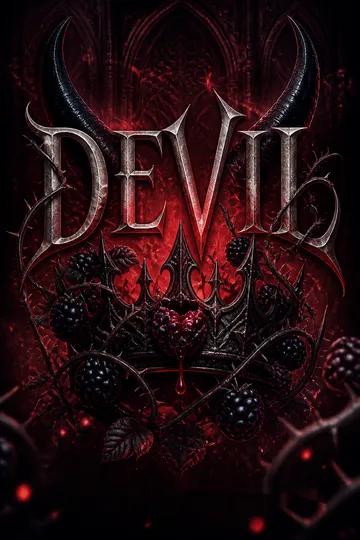
Judas is not the devil of Christian myth, but a force of chaos, seduction, and longing. He is both antagonist and lover, tormentor and protector. His obsession with Blythe spans centuries, and his schemes are as much about finding love as asserting power. Judas is psychologically complex: he is lonely, vulnerable, and desperate for connection, yet unable to express it in human terms. His relationship with Blythe is a dance of equals, marked by manipulation, desire, and eventual surrender. Through his bargains and riddles, he forces others to confront their own darkness. By the end, Judas is transformed by love, finding rest and redemption in Blythe's arms.
Wolfgang Jack (Wolf)
Wolf is the werewolf leader, defined by his strength, loyalty, and deep sense of responsibility. He is both protector and caretaker, haunted by guilt over Blythe's fate and his own bargains with the devil. Wolf's psychological struggle is with inadequacy and the fear of abandonment. His love for Blythe and his pack is fierce, but he must learn to accept help and vulnerability. Through his trials in hell, he confronts his own sense of worth and emerges as a true alpha—one who leads by love, not just strength. His relationship with the other boys is brotherly, sometimes competitive, always devoted.
Onyx Hart (Dragon)
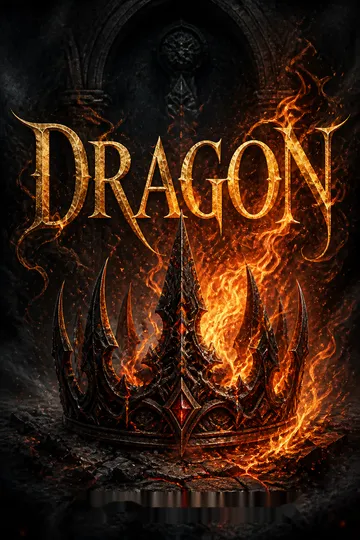
Onyx is a vampire-dragon hybrid, marked by wit, sensuality, and a deep well of shame. He is haunted by past failures and the loss of loved ones, using humor and bravado to mask his pain. Onyx's journey is about accepting his own darkness and the love offered to him by Blythe and his friends. His trials in hell force him to confront his doppelgängers and the legacy of his father, Vladimir. Onyx's arc is one of self-forgiveness and transformation, culminating in his acceptance as king and champion. His empathy and cunning make him both a lover and a leader.
Ghost / James Cove / Ames
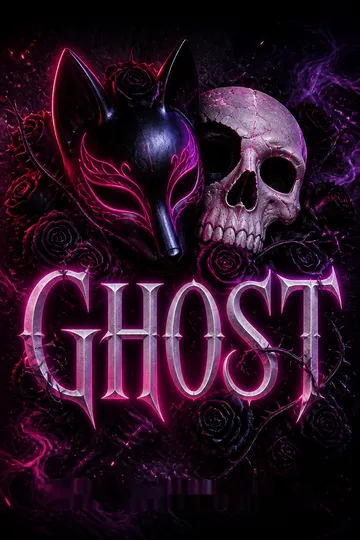
Ghost is the leader of the Halloween Boys, a former priest turned archdemon and reaper. He is defined by his severity, loneliness, and sense of duty. Ghost's psychological struggle is with rage, guilt, and the fear of losing control. His love for Blythe is possessive but ultimately redemptive, forcing him to confront his own humanity. Through his journey in hell, he learns to forgive himself and others, embracing both his demon and human sides. Ghost's arc is about finding authority not through violence, but through love and acceptance.
Zyre
Zyre is a clownish, unpredictable figure—once human, now a servant of the devil. He guides Blythe through hell, offering riddles and comic relief, but also embodying the dangers of unchecked ambition and the lure of dark bargains. Zyre's relationship with Blythe is antagonistic but oddly affectionate, reflecting the story's theme of finding kinship in unlikely places. Psychologically, he is a mirror for Blythe's own journey: both are transformed by their bargains with the devil, both must learn to play the game rather than be played.
Raven
Raven is Blythe's animal companion, a shape-shifting bird with hidden depths. He serves as a guide, spy, and confidant, carrying secrets between worlds. Raven's loyalty is to Blythe and, by extension, to Judas. He represents the story's theme of hidden knowledge and the importance of animal wisdom. Through his eyes, we see the interconnectedness of all things and the subtle magic that underpins the world.
Cat
Cat is Ghost's familiar, a black feline with a sharp tongue and a knack for uncovering secrets. She is both comic relief and a source of crucial intelligence, guiding the boys and Blythe through the labyrinth of curses and bargains. Cat's perspective is pragmatic and unsentimental, offering a counterpoint to the human characters' emotional turmoil. She embodies the story's theme of survival through cunning and adaptability.
Marcelene
Marcelene is the leader of Ash Grove's coven, a figure of power and ambiguity. She aids and hinders the protagonists in equal measure, her motives always hidden. Marcelene's relationship with Blythe is maternal but fraught, reflecting the dangers and responsibilities of wielding magic. She is both a guardian and a gatekeeper, holding the keys to the town's history and the curse's origins.
Vladimir Drakon
Vladimir is Onyx's father, a figure of both menace and pathos. His obsession with power and immortality drives much of the story's conflict, but his ultimate sacrifice for his son reveals a capacity for love and redemption. Vladimir's arc is a cautionary tale about the costs of ambition and the possibility of change, even for the most damned.
Plot Devices
Nonlinear Narrative and Multiple Perspectives
Devil employs a nonlinear structure, moving between past and present, life and death, and the perspectives of multiple characters—Blythe, the Halloween Boys, Judas, familiars, and even the town itself. This structure mirrors the story's themes of memory, identity, and the cyclical nature of curses and bargains. Flashbacks, visions, and dreams are used to reveal hidden truths and foreshadow future events. The use of animal familiars as narrators adds a layer of magical realism and sly commentary.
The Bargain as Central Motif
Every major character is bound by a bargain—explicit or implicit—with Judas. These bargains are not simple exchanges but complex traps, shaping destinies and relationships. The motif of the bargain is used to explore themes of consent, agency, and the cost of desire. The ultimate bargain—Blythe's sacrifice to save her boys—serves as the story's emotional and narrative climax.
The Mirror World
The underworld is not a separate realm but a shadowed mirror of the town and its inhabitants. This device allows for the exploration of duality, self-acceptance, and the blurring of boundaries between good and evil, love and death. The carnival of mirrors, the haunted church, and the familiar streets all serve as stages for the characters' internal struggles. The mirror motif is also used to reveal hidden aspects of identity and to challenge the characters' perceptions of reality.
Riddles, Games, and Trials
The narrative is structured around a series of riddles, games, and trials—both literal and metaphorical. These challenges are designed by Judas to test the characters' resolve, force them to confront their fears, and ultimately claim their power. The trials in hell are personalized, reflecting each character's deepest wounds and desires. The use of games and riddles reinforces the story's themes of agency, cunning, and the necessity of playing rather than being played.
Foreshadowing and Symbolism
Blackberries, pumpkins, horns, mirrors, and fire recur throughout the story, each carrying layers of meaning. The blackberry patch marks the threshold between worlds; horns symbolize Blythe's acceptance of her power; fire represents both destruction and renewal. Foreshadowing is used to build suspense and to tie together the story's many threads, culminating in the revelation of Blythe's true identity and the breaking of the curse.

Download PDF
Download EPUB
.epub digital book format is ideal for reading ebooks on phones, tablets, and e-readers.








































