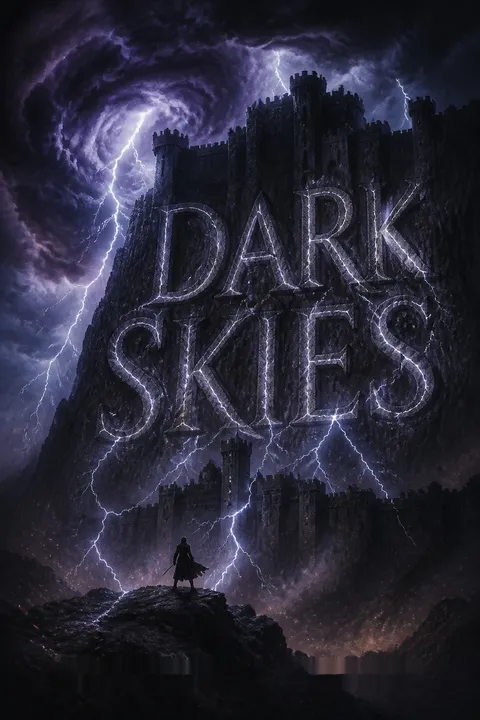

Plot Summary
Walls and Warnings
Killian Calorian, a young noble marked by the god of war, commands a remote fortress on the border between Mudamora and Derin. Boredom and frustration define his days until a horn signals an unprecedented threat: a corrupted woman, marked by the enemy god, seeks parley. Her warning of an impending invasion is met with suspicion and violence, and Killian's decision to follow orders and kill her haunts him. The wall, long thought impenetrable, is soon beset by a massive Derin army led by the enigmatic Rufina. As the drums of war echo through the mountains, Killian's confidence is shaken, and the first cracks appear in the kingdom's defenses, setting the stage for a conflict that will test his leadership, loyalty, and faith.
Shadows in Celendrial
Lydia Valerius, adopted daughter of a powerful senator in the Celendor Empire, navigates a society that prizes bloodlines and power over compassion. Her outsider status is a constant reminder of her vulnerability, especially as her father's health declines and political tensions rise. A violent incident in the Forum exposes the brutality of the Empire's laws and the simmering unrest among its conquered peoples. Lydia's friendship with Teriana, a Maarin sea captain's daughter, is her only solace, but it too is threatened by the rigid expectations of her world. As Lydia's future is bartered away in marriage negotiations, she dreams of escape, unaware that her choices will soon ripple across continents and into the heart of a war she cannot yet imagine.
The Corrupted's Bargain
The corrupted woman's plea at the wall is more than a warning—it is a desperate attempt to break free from the god's curse. Killian's decision to kill her, rather than listen, is a pivotal moment that dooms the fortress. As the Derin army, led by Rufina, descends upon the wall, the true horror of the corrupted is revealed: they are not merely soldiers, but weapons of the Seventh god, draining life and sowing terror. Killian's failure to heed the warning and his inability to stop the breach mark the beginning of Mudamora's fall. The cost of obedience, the burden of command, and the consequences of fear echo through Killian's every action as the kingdom's fate hangs in the balance.
Blood on the Forum
Lydia's world is upended by a public execution in the Forum, where a grieving father is killed for defying the Empire's cruel laws. The event exposes the rot at the heart of Celendrial: the Senate's indifference, the legions' brutality, and the precariousness of Lydia's own position. Her father's declining health and her cousin Vibius's growing hostility leave her increasingly isolated. The only light is her friendship with Teriana, whose return brings hope—and a secret: the existence of the Dark Shores, a world beyond the Empire's reach. Lydia's longing for freedom collides with the reality of her obligations, and the seeds of rebellion are sown in her heart.
Siege at the Pass
The Derin army's assault on the wall is swift and merciless. Killian's attempts to rally his men are undone by the corrupted's supernatural strength and Rufina's cunning. The fortress is overrun from within and without, and the ancient barrier that protected Mudamora for generations is reduced to ashes. Killian's escape is a bitter victory, haunted by the knowledge that his failure has opened the kingdom to invasion. As he flees with a handful of survivors, the weight of responsibility and shame threatens to crush him. The gods' silence, the king's wrath, and his father's disappointment converge, leaving Killian to question his worth and his destiny.
Daughters and Destinies
Lydia's father arranges her marriage to Lucius Cassius, a powerful and ruthless senator. The engagement is a political maneuver meant to secure her safety, but it comes at the cost of her autonomy and dreams. Teriana's revelation of the Dark Shores offers a tantalizing escape, but the risks are immense. Lydia's struggle to reconcile duty and desire intensifies as she is drawn into the web of Empire politics, Maarin secrets, and forbidden faith. The arrival of the Thirty-Seventh Legion, the manipulation of the Senate, and the threat to the Maarin all converge, forcing Lydia to choose between complicity and resistance.
Betrayals and Bargains
Killian faces judgment for the fall of the wall, his father's death, and the king's condemnation. His only reprieve comes from Princess Malahi, who claims him as her sworn sword, binding his fate to hers. In Celendrial, Lydia's attempt to warn the Maarin is thwarted by betrayal—her cousin Vibius exposes her connection to forbidden faith, and Lucius's machinations ensnare her. Both Killian and Lydia are forced into bargains that compromise their values: Killian must serve a queen he does not trust, and Lydia must navigate a world where every relationship is a potential threat. The cost of survival is steep, and the price of loyalty is higher still.
The Price of Power
As the blight creeps across Mudamora, poisoning land and water, the kingdom's faith in the Six gods wanes. The corrupted multiply, the deimos hunt the night, and the people's suffering grows. Malahi's ambition to claim the crown leads her to dangerous bargains and ruthless decisions, including the manipulation of Killian and the sacrifice of her own father. Lydia, marked by Hegeria, discovers the true cost of healing: every life she saves ages her, and the temptation to use her power for harm grows. Both must confront the darkness within themselves and their societies, as the line between savior and monster blurs.
Storms Over Mudaire
Mudaire, the capital, becomes a city under siege—not only by Rufina's army, but by hunger, disease, and fear. The blight poisons the wells, the deimos prowl the skies, and the people turn on each other in desperation. Malahi's efforts to maintain order are undermined by political rivals and her own ruthless choices. Killian, haunted by guilt and driven by duty, organizes the defense and the evacuation, even as he is forced to make impossible sacrifices. Lydia, hiding her mark, becomes a clandestine healer, risking exposure and death to save the city's most vulnerable. The storm of war, both literal and metaphorical, threatens to consume them all.
The Healer's Mark
Lydia's secret as a marked healer is discovered by Malahi, who uses it to coerce her into an assassination plot. The burden of her power—the ability to heal at the cost of her own life, and to kill as the corrupted do—forces Lydia to confront the limits of her morality. Her relationship with Killian deepens, but is complicated by duty, guilt, and the looming threat of war. As the city's plight worsens, Lydia must decide whether to use her gift to save or to destroy, knowing that either choice will have far-reaching consequences for herself, her friends, and the fate of kingdoms.
The Queen's Gambit
Malahi's quest for the crown leads her to orchestrate a coup, manipulate the High Lords, and force Killian into a political marriage. Her willingness to sacrifice anyone—including Lydia and her own father—reveals the corrosive nature of power. The ball meant to celebrate her ascension becomes a bloodbath as Rufina and the corrupted infiltrate the palace, unleashing chaos and death. Killian's loyalty is tested to the breaking point, and Lydia's role as both healer and weapon becomes central to the survival of those trapped within. The cost of Malahi's gambit is measured in blood, and the true nature of leadership is laid bare.
Blight and Betrayal
The blight breaches the city's defenses, infecting civilians and turning them into mindless killers. The palace is overrun, the fleet is destroyed, and the last hope for evacuation is lost. Betrayals come from all sides: Malahi's manipulation of Lydia, Hacken's political machinations, and the king's abandonment of his people. Killian and Lydia, separated by duty and circumstance, must each make impossible choices to save what they can. The line between friend and foe blurs, and the true enemy is revealed to be not just Rufina, but the darkness within their own hearts and societies.
The Siege Within
As the survivors flee into the tunnels beneath the palace, they are pursued by blight-infected civilians and the corrupted. Bercola's last stand, Lydia's desperate use of her mark, and the group's flight to the xenthier stem are moments of terror and sacrifice. The city above burns, and the hope of escape narrows to a single, perilous path. Lydia's struggle with the temptation to use her power for harm reaches a climax, and Killian's battle to protect those he loves is waged not just against enemies, but against fate itself. The siege is not only of the city, but of the soul.
Sacrifice and Survival
Lydia's attempt to escape through the xenthier is thwarted by Killian, but the arrival of the Derin army and the collapse of the city force them to part. Killian leads a desperate defense at the ford, buying time for the evacuation, while Lydia is coerced by Malahi into an assassination plot against the king. Both are forced to confront the limits of their power and the cost of their choices. Sacrifice becomes the only path to survival, and the bonds of love, loyalty, and faith are tested to the breaking point.
The Fall of Mudaire
Mudaire falls to blight, hunger, and invasion. The survivors flee, the dead are left behind, and the city that was once the heart of Mudamora becomes a tomb. Killian's defense at the ford is heroic but costly, and Lydia's journey brings her face-to-face with the consequences of ambition and betrayal. The war is not won, but the seeds of resistance and renewal are sown. The cost of victory is measured in lives lost, innocence destroyed, and the hope that, in the ashes, something new might rise.
The Choice of the Marked
With the war's end in sight, Killian and Lydia are forced to choose between duty and desire. Malahi's death, Hacken's betrayal, and the king's return to power reshape the political landscape. Lydia, exposed as a healer, must choose between freedom and service, knowing that her power is both a gift and a curse. Killian, offered command of the armies, must decide what kind of leader he will be—and what he is willing to sacrifice for the greater good. Their love, forged in fire, is both a source of strength and a wound that will not heal.
The Last Stand
The last stand at the ford is a crucible for Killian, Sonia, and the remnants of their army. The arrival of Dareena's cavalry and the intervention of the gods turn the tide, but not without devastating losses. Lydia's confrontation with Malahi, the king, and her own conscience brings her to the brink of darkness—and back again. The war's end is not a triumph, but a reckoning. The survivors must face the consequences of their choices, the cost of their victories, and the uncertain future that awaits.
The Cost of Victory
In the aftermath of war, the survivors count their losses and search for meaning. Killian, offered power, must decide what kind of leader he will be. Lydia, claimed by the healers, embraces her destiny as both savior and sacrifice. The bonds of love, friendship, and faith are tested, and the path forward is uncertain. The cost of victory is high, but in the ashes of defeat, the possibility of renewal endures. The story ends not with triumph, but with the hope that, in choosing compassion over ambition, the world might yet be remade.
Analysis
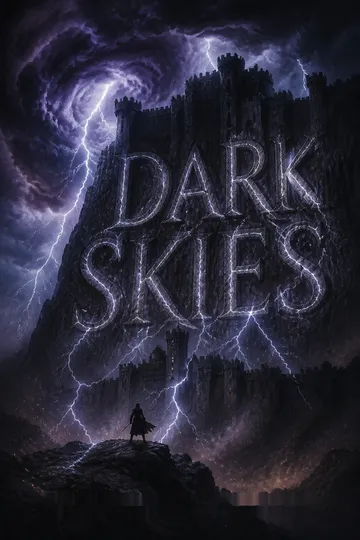
Dark Skies is a sweeping epic that interrogates the nature of power, sacrifice, and the human capacity for both cruelty and compassion. Through the intertwined journeys of Killian and Lydia, the novel explores how individuals navigate systems built on violence, ambition, and betrayal. The marks bestowed by the gods serve as both metaphor and mechanism: they grant extraordinary abilities, but also demand extraordinary choices. The story's greatest strength lies in its refusal to offer easy answers—every victory is tainted by loss, every act of heroism shadowed by guilt. The blight and the corrupted externalize the moral decay at the heart of both Mudamora and the Celendor Empire, forcing characters to confront not only external enemies, but the darkness within themselves. Ultimately, Dark Skies is a meditation on the cost of survival and the possibility of redemption. It suggests that true heroism lies not in conquest or power, but in the willingness to choose compassion, even when the world demands otherwise. The novel's ending, with its unresolved tensions and lingering wounds, is a powerful reminder that the struggle for justice, love, and meaning is ongoing—and that hope, however fragile, is always worth fighting for.
Review Summary
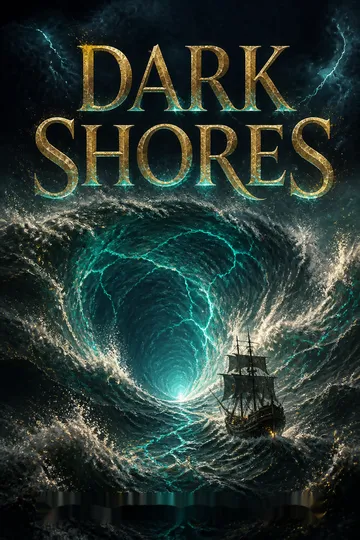
Dark Skies receives overwhelmingly positive reviews, with readers praising its complex characters, intricate plot, and immersive world-building. Many found it superior to its predecessor, Dark Shores, appreciating the parallel storyline and new perspectives. Lydia and Killian's slow-burn romance captivated readers, while the political intrigue and action kept them engaged. Some noted a slow start but felt the payoff was worth it. Overall, reviewers eagerly anticipate the next installment, considering Dark Skies an underrated gem in the YA fantasy genre.
People Also Read

Characters
Killian Calorian
Killian is a young nobleman, marked by Tremon, the god of war, and raised to lead Mudamora's armies. Driven by a fierce sense of duty and a longing for approval, especially from his father, Killian is both confident and deeply insecure. His initial arrogance is tempered by the trauma of failure—the fall of the wall, the death of his father, and the suffering of his people. Killian's relationship with Malahi is defined by obligation and manipulation, while his connection to Lydia is one of mutual respect, vulnerability, and forbidden love. He is a natural leader, but his greatest battles are internal: guilt, shame, and the fear of failing those who depend on him. Over the course of the story, Killian evolves from a brash young officer to a man willing to sacrifice everything for the greater good, even at the cost of his own happiness.
Lydia Valerius
Lydia is the adopted daughter of a Celendor senator, marked by Hegeria, the goddess of healing. Her outsider status in Celendrial shapes her identity: she is intelligent, compassionate, and fiercely independent, but also deeply insecure and desperate for belonging. Lydia's friendship with Teriana and her exposure to the Maarin's secrets awaken her to a world beyond the Empire's cruelty. Her mark is both a blessing and a curse—healing others ages her, and the temptation to use her power for harm is ever-present. Lydia's journey is one of self-discovery: from powerless pawn to clandestine healer, from victim to agent of change. Her love for Killian is both a source of strength and a wound, and her ultimate choice—to serve, to heal, and to sacrifice—defines her as a true hero, even as it costs her everything she once thought she wanted.
Malahi Rowenes
Malahi is the princess—and later queen—of Mudamora, marked by Yara, the goddess of the earth. Intelligent, ambitious, and ruthless, she is willing to sacrifice anyone, including her own father and closest allies, to secure her crown. Her relationship with Killian is complex: she admires his strength and loyalty, but is frustrated by his independence and his love for Lydia. Malahi's greatest flaw is her belief that the ends justify the means, leading her to betray, manipulate, and coerce those around her. Yet she is not without conscience—her actions are driven by a genuine desire to save her kingdom, even as she loses sight of the cost. Malahi's arc is a cautionary tale about the corrosive nature of power and the dangers of believing oneself above consequence.
Hacken Calorian
Hacken is Killian's older brother, the head of House Calorian, and a master of political intrigue. Handsome, charming, and ruthless, he is driven by ambition and a desire to secure his family's legacy. Hacken's relationship with Killian is fraught with rivalry, resentment, and a grudging respect. He manipulates events to his advantage, including Malahi's rise to power and Killian's forced betrothal. Hacken's actions are motivated by self-interest, but he is not without loyalty—his primary allegiance is to his house and its survival. He represents the dangers of unchecked ambition and the moral compromises required to survive in a world ruled by power.
Bercola
Bercola is a giantess from Eoten Isle, bound to the Calorian family by a life debt. Fiercely protective, pragmatic, and skilled in battle, she serves as Killian's bodyguard and confidante. Bercola's strength is matched by her compassion, but the horrors of war—especially being forced to kill blight-infected civilians—leave her deeply scarred. Her relationship with Lydia is one of mutual respect, and her willingness to sacrifice herself for others is emblematic of the story's themes of loyalty and loss. Bercola's arc is a meditation on the cost of violence and the limits of endurance.
Sonia
Sonia is a former lover of Princess Kaira of Gamdesh and a skilled soldier. She becomes Killian's right hand in the defense of Mudaire, leading the Gamdeshian forces with discipline and courage. Sonia is practical, unflappable, and loyal, providing a counterpoint to Killian's emotional turmoil. Her leadership and competence are vital to the survival of the defenders, and her presence underscores the importance of alliances and the strength found in diversity.
Gwen
Gwen is a member of Malahi's bodyguard, known for her bluntness, loyalty, and protective instincts. She befriends Lydia and serves as a bridge between the protagonist and the rest of the guard. Gwen's pragmatism and sense of justice are tested by the betrayals and shifting loyalties of the siege, and her actions reflect the story's exploration of trust, friendship, and the cost of survival.
Lena
Lena is another of Malahi's guards, quick-witted and fiercely loyal. Her relationship with Gwen and Lydia is marked by camaraderie and mutual support. Lena's willingness to risk her position to reveal Malahi's betrayal is a testament to her integrity and courage. She represents the everyday heroism of those who fight not for glory, but for the people they love.
Finn
Finn is a clever, resilient orphan who becomes Killian's ally in caring for Mudaire's abandoned children. His resourcefulness, humor, and loyalty provide moments of levity and hope amid the darkness. Finn's presence humanizes the cost of war and the importance of compassion, and his survival is a small but significant victory in a world beset by loss.
Rufina
Rufina is the queen of Derin, marked by the Seventh god, the Corrupter. Charismatic, cunning, and terrifying, she leads the invasion of Mudamora with an army of corrupted and blight. Rufina embodies the seductive power of evil and the dangers of unchecked ambition. Her confrontations with Killian and Malahi are moments of existential threat, and her survival at the end of the war is a reminder that darkness is never fully vanquished.
Plot Devices
Dual Narrative Structure
The novel alternates between Killian and Lydia's perspectives, allowing readers to experience the war from both the front lines and the heart of the besieged city. This structure creates dramatic irony, as each character's choices unknowingly affect the other's fate. The dual narrative also deepens the emotional arc, contrasting Killian's struggle with duty and guilt against Lydia's journey from powerlessness to agency. Their eventual convergence—both romantic and thematic—underscores the story's central questions about sacrifice, love, and the cost of power.
The Marked and the Gods
The concept of being "marked" by a god is central: it grants power, but also imposes duty and temptation. Killian's mark is for war and leadership; Lydia's for healing and, potentially, destruction. The gods' power is tied to the faith of the people, and as that faith falters, so does the world's stability. The marks are both blessing and curse, and the story explores the psychological toll of wielding such power—especially when the line between healing and harming, saving and sacrificing, is so thin.
Corruption and Blight
The spread of blight and the rise of the corrupted are both literal and symbolic. They represent not only the enemy's supernatural threat, but also the internal rot of societies built on cruelty, ambition, and betrayal. The blight's ability to turn civilians into monsters externalizes the story's themes of moral compromise and the dangers of losing one's humanity. The corrupted's power to drain life mirrors the temptations faced by Lydia and others, forcing characters to confront the darkness within themselves.
Political Intrigue and Betrayal
The story is rife with political maneuvering: Malahi's quest for the crown, Hacken's schemes, Lucius's manipulation of Lydia, and the king's abandonment of his people. Betrayal is a constant threat, and trust is a rare commodity. The plot's twists hinge on secrets, coded messages, and the willingness to sacrifice others for personal gain. The narrative structure uses foreshadowing and dramatic reversals to keep readers off-balance, mirroring the uncertainty faced by the characters.
Sacrifice and Redemption
At its core, the novel is about the price of survival and the possibility of redemption. Killian's journey is one of atonement for past failures, Lydia's of reclaiming agency and choosing compassion over vengeance. The story repeatedly asks: What are you willing to sacrifice for those you love? For your people? For your own soul? The answers are never easy, and the consequences are lasting. The ending, with its bittersweet parting and uncertain future, reinforces the idea that victory is never without cost, and that hope endures even in the ashes of defeat.
Dark Shores Series
About the Author
Other books by Danielle L. Jensen



Download PDF
Download EPUB
.epub digital book format is ideal for reading ebooks on phones, tablets, and e-readers.








































